

 Travel Essentials
 Travel Essentials

Discover five exceptional trekking alternatives to the classic Inca Trail in Peru, from cultural immersion to alpine adventures.
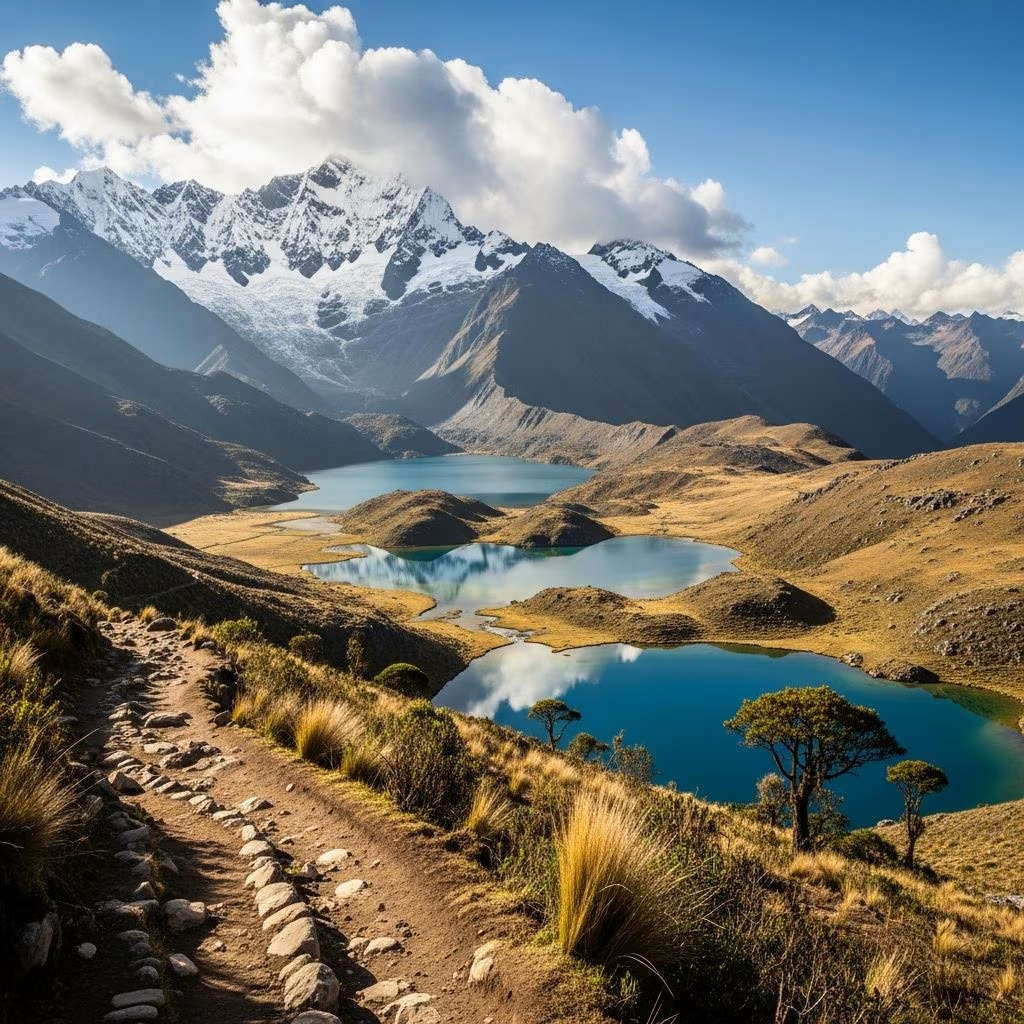 Travel Essentials
Peru’s mountainous terrain has captivated adventurers for centuries, and while Machu Picchu remains the crowning jewel of Peruvian tourism, the nation’s trekking landscape extends far beyond this single destination. The classic Inca Trail trek, while breathtaking and transformative, often comes with challenges including permit scarcity, overcrowding, and limited flexibility in scheduling. For those seeking alternatives that deliver comparable magnificence with distinct advantages, Peru offers an impressive array of trekking options that showcase diverse ecosystems, authentic cultural encounters, and dramatic mountain vistas.
The surge in trekking popularity has created both opportunities and complications for travelers planning Peruvian adventures. Rather than struggling to secure permits or navigating crowded paths, savvy travelers are increasingly exploring lesser-known routes that deliver equally memorable experiences. These alternative trails wind through pristine valleys, connect remote villages, and reveal archaeological treasures that remain relatively untouched by mainstream tourism. Each route carries its own character, difficulty level, and rewards, making it essential for potential trekkers to understand their options before committing to an expedition.
When considering alternatives to the traditional Inca Trail, potential trekkers should first understand what makes each route distinctive. The primary factors influencing trail selection include difficulty level, duration, cultural immersion opportunities, scenic diversity, and accessibility of permits. Some trails emphasize mountain challenges and alpine landscapes, while others prioritize village interactions and rural cultural preservation. Duration varies from three-day expeditions to more ambitious nine-day treks, accommodating different vacation schedules and fitness levels.
The geographic advantage of starting most alternative treks from Cusco provides travelers with better acclimatization opportunities and access to comfortable accommodation before embarking on strenuous mountain adventures. This logistical benefit often translates to better physical preparation and improved trek experiences compared to routes requiring immediate altitude exposure. Additionally, the varied terrain encountered on alternative routes—from cloud forests to high-altitude passes—presents opportunities for ecological observation and environmental education that enriches the overall travel experience.
Among the most celebrated alternatives, the Salcantay Trek stands as the premier choice for mountain enthusiasts who crave dramatic alpine scenery combined with manageable accessibility. This 32-mile journey traverses multiple ecological zones, beginning with ascents into alpine tundra terrain where the imposing snow-capped Mount Salcantay dominates the landscape at over 6,200 meters (20,341 feet). The trek’s architectural brilliance lies in its gradual progression through distinct Andean microclimates, allowing trekkers to witness the transition from high-altitude grasslands to subtropical cloud forests as the route descends toward Machu Picchu.
What distinguishes the Salcantay Trek is its dual appeal to both landscape photographers and cultural explorers. The route incorporates the ancient Qhapaq Ñan (also known as the Great Road), which represents the sophisticated transportation network constructed by Inca engineers. Trekkers encounter the remarkable Humantay Lake—a stunning azure body of water nestled in the mountains—and discover the Llactapata Inca ruins, archaeological remnants that showcase Pre-Columbian engineering prowess. When the Classic Inca Trail reaches capacity, the Salcantay route offers a viable solution for those determined to experience high-altitude Peruvian trekking without permit complications.
For travelers prioritizing authentic cultural engagement over mountain challenges, the Lares Trek represents an unparalleled opportunity to experience contemporary Andean village life with minimal tourist infrastructure. This moderate-difficulty route winds through the Lares Valley, a region that exists largely beyond the infrastructure of mainstream tourism, where indigenous communities continue practicing traditions virtually unchanged for centuries. The trail passes through numerous small settlements where residents wear traditional Andean clothing, maintain agricultural practices perfected over generations, and preserve textile-weaving techniques that constitute both artistic expression and economic livelihood.
Beginning in the town of Lares—notable for its geothermal hot springs—the trek traces a winding path beneath Mount Veronica, offering breathtaking panoramic vistas across surrounding valleys and mountains. What makes the Lares experience fundamentally different from crowded alternatives is the profound solitude it delivers. Small group sizes (typically eight to twelve participants including guides) combined with minimal commercial trekking infrastructure create an atmosphere of genuine discovery rather than guided tourism. Travelers frequently report encountering local farmers and weavers far more often than other tourists, creating authentic interaction opportunities. The cultural authenticity extends to the option of purchasing locally-produced woven textiles directly from artisans—at significantly lower prices than Cusco retail establishments.
The Lares Trek culminates differently than the Classic Inca Trail, with trekkers eventually reaching Ollantaytambo where they board the train to Aguas Calientes before visiting Machu Picchu. This variation allows travelers to experience Machu Picchu through a completely distinct entry journey, creating a fundamentally different psychological and physical experience compared to the traditional Sun Gate arrival.
Representing the pinnacle of trekking challenges in the Cusco region, the Choquequirao Trek demands genuine mountaineering capability, sustained physical conditioning, and adventure-spirited determination. This demanding nine-day route presents considerably fewer trekkers than the Classic Inca Trail—approximately 20 daily visitors compared to 2,500 at Machu Picchu—positioning it as an ideal destination for those seeking solitude and authentic wilderness experience.
Choquequirao’s name translates to “Cradle of Gold,” reflecting its historical and archaeological significance as a pre-Columbian settlement substantially larger than Machu Picchu itself. Yet its remote location, accessible exclusively by challenging trekking routes, has preserved it from the tourism saturation that defines the Machu Picchu experience. The archaeological site features impressive stonework comparable to or exceeding Machu Picchu’s construction sophistication, yet remains relatively poorly excavated and less understood by mainstream archaeology. The trek requiring good fitness levels and previous trekking experience traverses the Cordillera Vilcabamba wilderness, passing through cloud forests, grasslands, dry scrub vegetation, and lush valleys.
For budget-conscious travelers, Choquequirao presents additional advantages beyond solitude and archaeological richness—it represents a less expensive alternative trekking option compared to heavily commercialized routes. The challenging nature of the trek, combined with limited infrastructure and guides, naturally maintains lower pricing than established, heavily-marketed routes.
The Moonstone Trek offers a compelling middle ground for travelers seeking Machu Picchu destination achievement without committing to either the crowded Classic Trail or the extreme demands of Choquequirao. This route maintains accessibility standards while delivering the emotional satisfaction of reaching the iconic citadel. The trek encompasses three or four days of trekking through mountainous terrain, incorporating high passes and significant altitude exposure that prepare trekkers adequately for reaching Machu Picchu’s elevated position.
What distinguishes the Moonstone Trek is its flexibility in route design and potential for combining segments with other trekking routes. Some variations allow trekkers to integrate the initial days of the Lares Trek with a compressed two-day Inca Trail experience, effectively sampling multiple trekking experiences within a single expedition. This hybrid approach appeals to travelers with limited vacation time who nevertheless desire comprehensive Peruvian mountain experience.
For adventurers primarily motivated by extreme altitude exposure and pristine alpine ecosystems, the Ausangate Trek delivers uncompromising mountain experience without the archaeological attractions of other routes. This circuit-style trek navigates some of the Cusco region’s most isolated and undeveloped terrain, providing genuine wilderness immersion for experienced mountaineers. The route’s remoteness, combined with minimal commercial trekking infrastructure, ensures authentic wilderness encounters and opportunities for environmental observation rarely available on established tourist routes.
| Trek Name | Duration | Difficulty | Crowding Level | Cultural Elements | Archaeological Focus |
|---|---|---|---|---|---|
| Classic Inca Trail | 4 days | Moderate | Very High | Limited | High |
| Salcantay | 5-6 days | Challenging | Low-Moderate | Minimal | Moderate |
| Lares | 3-4 days | Moderate | Very Low | Very High | Low |
| Choquequirao | 9 days | Very Challenging | Minimal | Limited | Very High |
| Moonstone | 3-4 days | Moderate-Challenging | Low | Moderate | Moderate |
Route selection should account for individual fitness levels, acclimatization readiness, and personal objectives. Travelers arriving in Cusco should budget adequate time for altitude adjustment before tackling routes exceeding 4,000 meters elevation. The Classic Inca Trail, starting at lower elevations, provides natural acclimatization progression that some alternative routes bypass. However, this disadvantage translates into advantages for those already acclimated or possessing significant mountain experience.
Permit availability varies dramatically among routes. The Classic Inca Trail implements strict permit limitations, often requiring advance booking months ahead during peak seasons. Alternative routes generally offer greater flexibility in scheduling, though popular options like Salcantay may experience capacity constraints during July and August. Environmental considerations should influence route selection, with some trails experiencing seasonal weather variations that impact trekking feasibility and safety margins.
The Lares Trek represents the most accessible option for trekkers with limited mountain experience, emphasizing cultural engagement over extreme altitude exposure. While passes reach approximately 4,500 meters, the route avoids technical climbing and maintains moderate difficulty classifications.
Yes, experienced outfitters offer combination treks that integrate portions of various routes. Lares-Inca Trail hybrids allow sampling multiple experiences, though these require extended vacation periods and excellent fitness conditioning.
Alternative routes generally cost less than the heavily commercialized Classic Inca Trail, with Choquequirao particularly budget-friendly despite its extreme difficulty. Exact pricing depends on group size, guide experience, and included amenities.
May through September offers the most reliable weather conditions, with May and September providing smaller crowds than mid-summer months. Rainy season (November-March) presents hazardous conditions on higher-altitude routes but remains viable for lower-elevation Lares trekking.
