

 Travel Essentials
 Travel Essentials

Comprehensive guide to Ireland's top destinations, travel planning tips, regional highlights, and practical advice for first-time and returning visitors.
 Travel Essentials
Ireland captures the hearts of millions of visitors each year with its emerald landscapes, ancient historical sites, and warm hospitality. Whether you’re planning your first journey or returning for another adventure, understanding the country’s diverse regions and planning your route strategically will enhance your experience significantly. This comprehensive guide provides insights into Ireland’s most captivating destinations and practical advice for crafting your ideal Irish adventure.
Ireland’s geography naturally divides into distinct regions, each offering unique characteristics and attractions. The eastern regions focus on urban culture and historical significance, while western areas showcase dramatic landscapes and authentic Irish traditions. The southern regions blend coastal beauty with culinary excellence, and northern territories feature rugged terrain and geological wonders. By understanding these regional differences, travelers can better tailor their journeys to match their interests and available time.
The capital city serves as the gateway for most international visitors and deserves a minimum of three days for proper exploration. Dublin’s compact city center allows for walkable discovery of landmarks spanning from medieval times to contemporary culture. The city pulses with energy through its vibrant pub scene, world-class museums, and literary heritage. Beyond the city limits, day trips reveal additional treasures including historic estates, monastic sites, and coastal villages that provide contrast to urban exploration.
Galway functions as an excellent operational base for exploring Ireland’s western treasures. This university city maintains a youthful energy with bustling pedestrian streets and welcoming social atmosphere. From Galway’s location, travelers can efficiently access the Aran Islands, the Burren’s unique limestone landscape, and the mountainous terrain of Connemara. The surrounding region offers both rugged natural beauty and charming village communities that exemplify traditional Irish culture.
Cork province contains some of Ireland’s most picturesque and vibrant communities. Kinsale stands out as a culinary destination with its reputation for exceptional restaurants and colorful harbor architecture. The coastline features dramatic cliffs, sandy beaches, and fishing villages that seem untouched by time. This region balances natural scenery with genuine local character, making it ideal for travelers seeking authentic experiences beyond typical tourist routes.
The southwestern peninsula offers some of Ireland’s most celebrated scenic drives and natural formations. The famous circular route captures rolling green hills, mountain vistas, and coastal panoramas in a compact journey. Nearby peninsulas provide alternative routes with equally stunning landscapes and fewer crowds. This region combines accessibility with genuine natural beauty, making it a must-visit for most travelers.
For first-time visitors with seven to ten days available, a strategic approach maximizes destination variety while minimizing travel fatigue. Beginning in Dublin allows acclimatization and exploration of the country’s cultural epicenter. From Dublin, moving west toward Galway and surrounding regions establishes a logical geographic progression. Subsequent movement south through coastal areas and back toward departure points creates a natural flow without excessive backtracking. This framework accommodates both natural attractions and cultural sites while allowing flexibility for personal interests.
Travelers with nine to fourteen days can incorporate more regional depth and explore secondary destinations. This extended timeline permits unhurried exploration of smaller towns, outdoor activities, and less-visited areas. Additional days allow for activities such as traditional music sessions, cooking classes, or multi-day hiking treks that enrich cultural understanding. The relaxed pace reduces travel stress and enables spontaneous discoveries that enhance the overall experience.
Establishing regional hubs and using them as operational bases for day exploration reduces constant packing and increases comfort. Dublin serves effectively for the eastern region with its central location and comprehensive accommodation options. Galway functions similarly for western exploration despite its smaller size. Killarney or Kinsale provides efficient bases for southwestern discovery. Using this hub approach allows deeper familiarity with individual areas rather than superficial coverage of many locations.
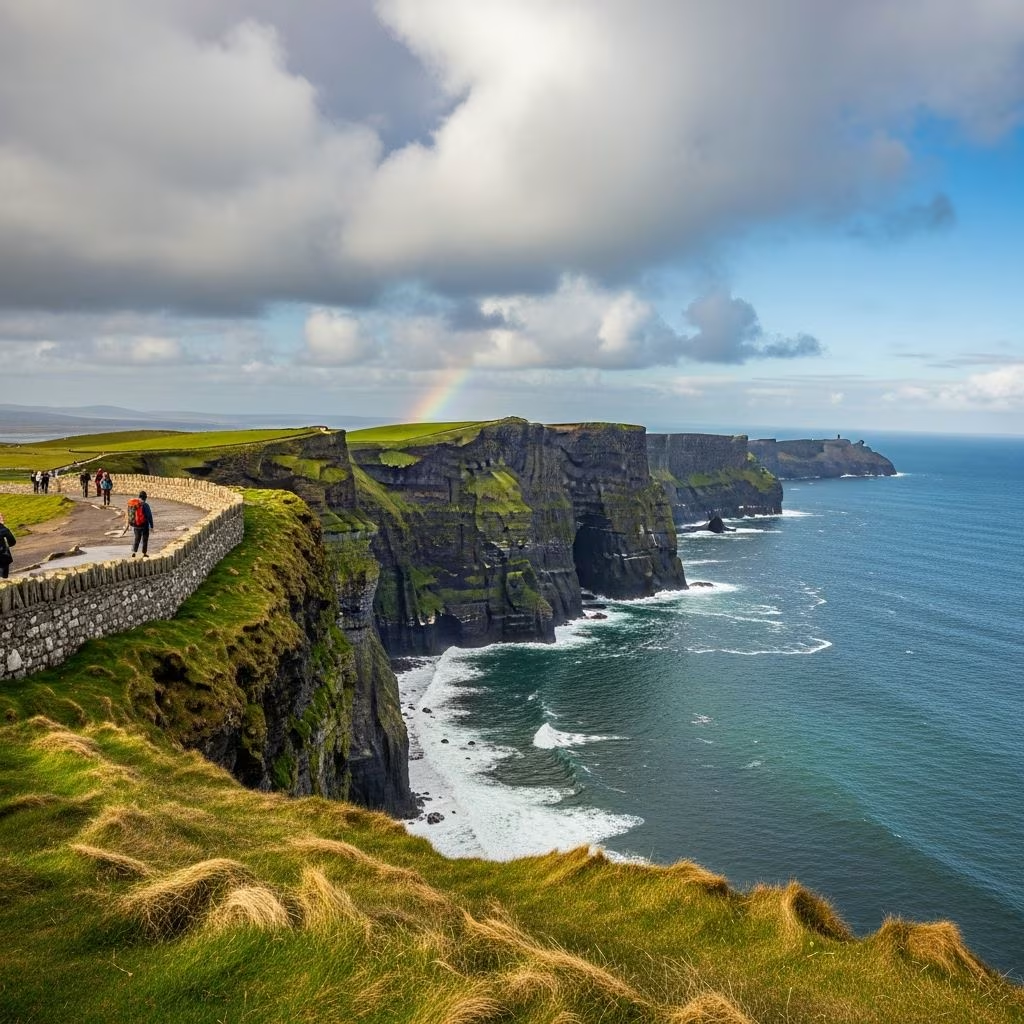
Ireland’s coastline presents some of Europe’s most dramatic landscapes. Towering sea cliffs, hidden coves, and rugged promontories create breathtaking vistas at nearly every turn. These formations represent millions of years of geological activity, with different coastal regions showcasing distinct characteristics. Photographers and nature enthusiasts find endless inspiration in these ever-changing seascapes, particularly during sunrise and sunset hours when light transforms the scenery into ethereal displays.
Beyond the famous coastlines, Ireland’s interior terrain offers equally compelling landscapes. Mountain ranges provide hiking opportunities ranging from leisurely walks to challenging alpine ascents. Valleys carved by ancient glaciers create dramatic scenery accessible by foot or vehicle. The interior regions maintain a quieter character than coastal areas, attracting travelers seeking solitude and natural immersion rather than typical tourist attractions.
Ireland’s numerous lakes and interconnected waterway systems add another dimension to landscape exploration. Freshwater lakes provide focal points for small towns and villages throughout the country. Some regions feature extensive river systems navigable by boat, offering unique perspectives on rural countryside. These water features have historically shaped settlement patterns and continue influencing regional character and recreational opportunities.
Ireland’s historical timeline extends thousands of years into the past, evidenced by numerous ancient structures distributed throughout the island. Archaeological sites range from mysterious stone circles to elaborate hill forts, each telling stories of early inhabitants. Many sites remain accessible for visitor exploration, providing tangible connections to Ireland’s distant past. Understanding the historical context enhances appreciation for these remarkable structures and their significance to Irish cultural identity.
The medieval period left extensive architectural legacies across the Irish landscape. Castle structures vary from imposing stone fortresses to elegant manor houses, each reflecting different historical periods and social structures. Many castles have been restored for visitor access, offering guided tours that explain architectural details and historical events. These medieval structures provide compelling windows into Ireland’s complex past and the evolution of power dynamics across centuries.
Ireland’s profound religious heritage spans centuries of Christian tradition. Monastic sites, cathedral ruins, and pilgrimage destinations dot the landscape, representing periods when Ireland served as a cultural and spiritual center for European Christianity. These sites showcase impressive architectural achievement and maintain spiritual significance for many visitors. Even those without particular religious interests often find these locations moving due to their historical importance and artistic merit.
As Ireland’s capital and largest city, Dublin seamlessly blends historical significance with vibrant contemporary culture. The city’s neighborhoods each maintain distinct character, from bohemian artistic quarters to upscale Georgian districts. Dublin’s cultural institutions, dining scene, and entertainment venues rank among Europe’s finest. The city’s literary heritage particularly resonates with visitors interested in Irish authors and their contributions to world literature.
Beyond Dublin, Ireland’s other cities offer distinctive urban experiences without overwhelming scale. These cities maintain closer connections to their regional identities while offering modern amenities and cultural attractions. Each city has developed specialized reputation—whether for music, culinary excellence, historical significance, or artistic communities. Exploring these secondary urban centers provides deeper understanding of Irish contemporary culture and regional diversity.
Ireland’s climate varies throughout the year, influencing both visitor comfort and site accessibility. Late spring and early fall generally offer the most favorable conditions with milder temperatures and manageable precipitation. Summer months bring maximum daylight hours but also peak tourist crowds and higher accommodation costs. Winter provides solitude and atmospheric conditions but features limited daylight hours and weather challenges. Selecting visit timing involves balancing personal preferences regarding crowd levels, weather tolerance, and budget constraints.
Successful navigation of Ireland depends on understanding available transportation options. Renting an automobile provides maximum flexibility for exploring rural areas and following scenic routes at personal pace. Public transportation effectively connects major cities and towns but operates with less frequency in remote areas. Walking and cycling prove viable for specific regions and short-distance travel between neighboring destinations. Combining transportation methods often provides optimal balance between flexibility and convenience.
Ireland offers diverse accommodation choices accommodating various budgets and preferences. Traditional hotels range from luxury establishments to modest family operations. Guesthouses and bed-and-breakfast operations provide intimate experiences with personalized service. Self-catering accommodations suit extended stays and travelers preferring kitchen facilities. Unique options including castle hotels and countryside cottages add memorable character to visits. Booking accommodations well in advance, particularly during peak seasons, ensures adequate availability and favorable rates.
| Region | Primary Appeal | Key Attractions | Best Duration |
|---|---|---|---|
| Dublin | Urban culture, history, nightlife | Temple Bar, Trinity College, museums | 3 days minimum |
| Galway | University atmosphere, western base | Aran Islands, Burren, Connemara | 2-3 days |
| Southwest Coast | Coastal scenery, culinary experiences | Kinsale, Cliffs of Moher, Ring routes | 3-4 days |
| Inland Lakes | Nature, outdoor recreation | Killarney Park, mountain scenery | 2-3 days |
| Northern Areas | Geological formations, heritage | Giant’s Causeway, historical sites | 2 days |
Seven to ten days provides adequate time to experience major attractions while maintaining comfortable pace. Shorter visits can be productive with careful planning, while extended stays allow deeper exploration and relaxation.
December through February experience the most challenging weather conditions. Late autumn through early spring requires tolerance for cold, rain, and limited daylight hours. However, fewer tourists and lower costs appeal to some visitors.
Public transportation works for urban-focused itineraries, but exploring rural areas and scenic routes benefits significantly from vehicle availability. Walking extensively suits compact towns but proves impractical for regional coverage.
Daily costs vary significantly based on accommodation choices, dining preferences, and activity selections. Budget travelers manage on €60-80 daily, while comfortable travelers typically spend €150-250 daily, and luxury experiences exceed €300 daily.
During peak summer months, advance accommodation booking proves essential. Popular attractions sometimes implement time-slot ticketing systems requiring advance reservation. Off-season travel permits greater spontaneity and flexible planning.
Successful Ireland travel begins with thoughtful preparation. Researching specific destinations aligns travel plans with personal interests and energy levels. Creating flexible itineraries allows spontaneous discoveries while maintaining strategic progression through desired regions. Understanding practical details including currency, power adapter requirements, and emergency contacts eliminates travel hassles. Reading travel narratives and reviewing recent visitor experiences provides contemporary insights beyond guidebook information.
Ireland rewards both meticulous planners and spontaneous adventurers. The country’s compact size, excellent tourism infrastructure, and inherent beauty make it forgiving of imperfect planning. Whether following detailed itineraries or wandering country lanes without fixed destinations, Ireland consistently delivers memorable experiences and warm welcomes that transform casual visitors into devoted admirers of this remarkable island nation.
