

 Travel Essentials
 Travel Essentials

Explore Japan's diverse island destinations, from cultural heritage sites to tropical beaches and mountain retreats, each offering unique experiences for every traveler.
 Travel Essentials
Japan extends far beyond its main landmass, encompassing thousands of islands that showcase remarkable diversity in landscape, culture, and atmosphere. From the spiritual significance of iconic religious sites to pristine tropical waters and ancient forests, Japan’s islands represent some of the world’s most captivating travel destinations. Each island possesses its own distinct character, offering visitors opportunities to experience Japan through vastly different lenses depending on their interests and travel style.
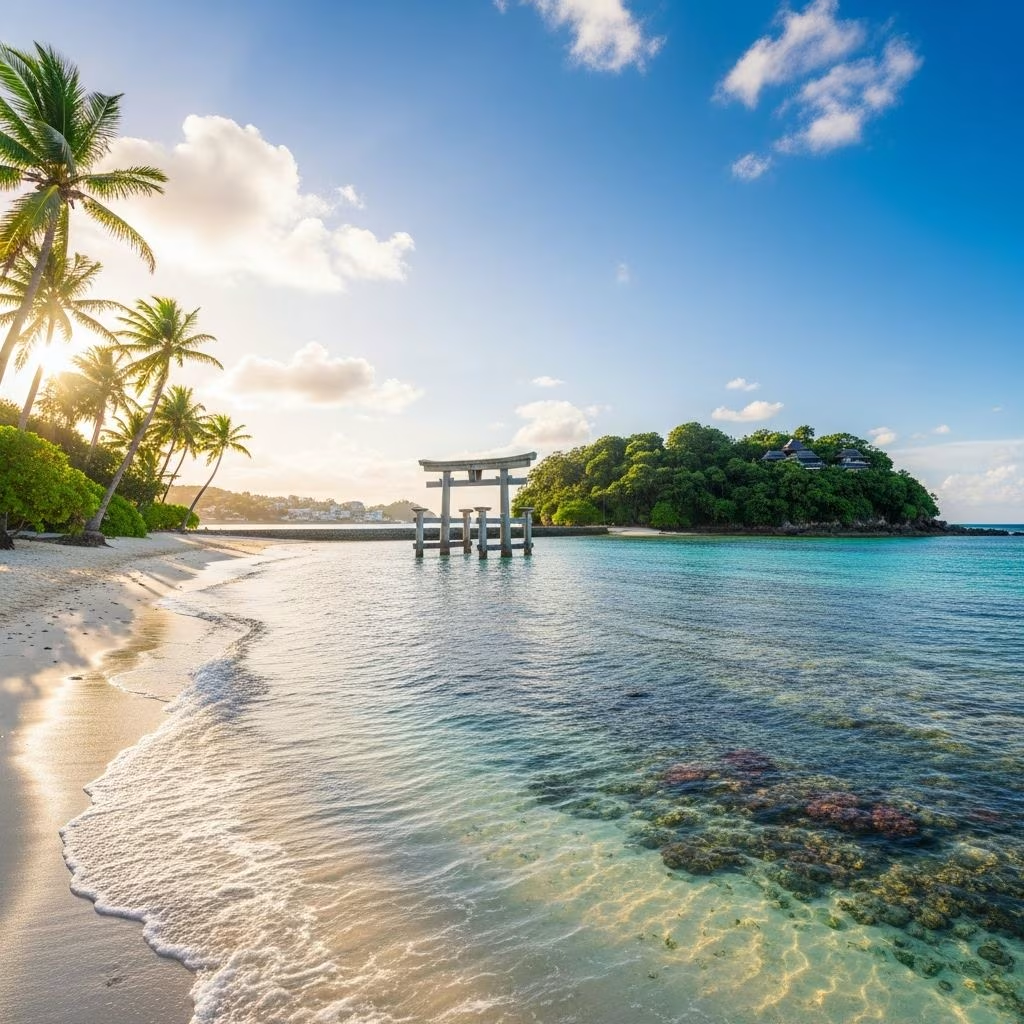
Miyajima stands as one of Japan’s most recognizable and spiritually significant islands, drawing millions of visitors annually. Located just a short ferry ride from Hiroshima, this island represents a harmonious blend of natural beauty and centuries-old spiritual traditions. The island’s most iconic feature is its floating torii gate, which appears to rise directly from the sea, creating an ethereal sight that transforms dramatically with the tides.
Beyond its famous architectural landmark, Miyajima offers numerous hiking trails that wind through forested mountainsides, leading to breathtaking viewpoints overlooking the Seto Inland Sea. The island’s temples and shrines house centuries-old traditions that remain actively practiced, allowing visitors to witness authentic spiritual ceremonies and cultural customs. Local restaurants serve regional specialties and fresh seafood, while traditional crafts shops showcase items handmade by artisans who have perfected their skills over generations.
The experience of visiting Miyajima extends beyond daylight hours, as the island transforms under the glow of lantern-lit pathways and illuminated structures as evening approaches. Many travelers recommend staying overnight to fully experience the island’s mystical atmosphere during both sunrise and sunset.
Okinawa represents Japan’s tropical counterpart, featuring warm weather year-round, crystalline waters, and white-sand beaches that contrast sharply with cooler northern regions. The main island of Okinawa itself functions as an accessible entry point for families and casual beach enthusiasts, offering well-developed infrastructure alongside natural attractions.
The Okinawa archipelago comprises numerous smaller islands, each with distinct characteristics. Ishigaki, often called the “most beautiful island in Japan,” features turquoise waters, vibrant coral reefs, and beaches such as Yonehara and Sukuji. These soft-white-sand beaches make the island particularly appealing for swimmers, snorkelers, and diving enthusiasts seeking close encounters with tropical marine life.
Within the same chain lie other exceptional destinations including Ie, Miyako, and Yoron islands, each offering postcard-perfect scenery and opportunities for water-based activities. The islands’ warm waters remain suitable for swimming and water sports throughout much of the year, making them ideal for travelers seeking respite from colder climates.
Yakushima earns recognition as a UNESCO World Heritage Site and stands apart as a destination for nature enthusiasts and spiritual seekers. Located off the coast of Kyushu, this lush subtropical island protects an ecosystem that has remained largely untouched by modern development. The island’s most remarkable features are its towering cedar trees, some thousands of years old, which create an atmosphere that many visitors describe as primordial and transcendent.
The island’s landscape consists of mist-shrouded mountains, ancient forests, and moss-covered pathways that invite exploration. Hiking trails of varying difficulty levels allow visitors of different abilities to experience the island’s natural wonders, from leisurely forest walks to challenging mountain expeditions. The island receives abundant rainfall, which sustains its verdant ecosystem while creating atmospheric conditions that enhance the sense of stepping back in time.
Yakushima attracts hikers, nature photographers, and individuals seeking spiritual renewal through immersion in pristine wilderness. The island’s unique combination of ancient flora, diverse wildlife, and mystical ambiance has earned it reputation as one of Japan’s most magical destinations for those seeking authentic natural experiences.
Shikoku offers a compelling blend of relaxation and cultural immersion, appealing to visitors interested in Japan’s traditional heritage alongside natural scenery. The island features forest-covered mountain ranges that give birth to rivers coursing down to valleys and coastal areas. This dramatic topography creates stunning vistas and provides opportunities for both active pursuits and contemplative experiences.
The island’s interior preserves numerous temples, traditional villages, and historical sites that reflect centuries of Japanese cultural development. Visitors can explore these locations while enjoying hot springs, local cuisine, and interactions with communities that maintain traditional crafts and customs. The combination of cultural depth and natural beauty makes Shikoku particularly appealing to travelers seeking more than surface-level tourism experiences.
Naoshima distinguishes itself as a cultural destination focused on contemporary art and design. This island within the Seto Inland Sea has undergone transformation into a world-class art destination, attracting creative professionals, collectors, and culturally-minded travelers. The island hosts museums, galleries, and outdoor art installations that range from traditional to avant-garde aesthetics.
The island’s development has maintained balance between artistic infrastructure and natural preservation, with museums designed by renowned architects and art collections featuring works by both established and emerging artists. Naoshima offers intellectual stimulation alongside natural beauty, making it ideal for visitors interested in Japan’s contemporary cultural expressions and artistic movements.
Japan’s island destinations benefit from well-developed ferry systems and transportation networks that make reaching even remote islands relatively straightforward. Most major islands feature regular ferry service from main ports, with travel times ranging from 30 minutes to several hours depending on distance. Some islands also maintain airport connections, particularly those serving as primary tourist destinations or regional hubs.
Japan’s islands experience distinct seasonal changes that affect weather, water temperature, and visitor volume. Tropical southern islands like Okinawa and Ishigaki maintain warm temperatures throughout the year but may experience typhoons during late summer and early autumn. Northern islands undergo more pronounced seasonal shifts, with snow appearing at higher elevations during winter months. Yakushima receives substantial rainfall year-round, while spring and autumn often provide optimal conditions for hiking and outdoor activities across most islands.
Island accommodations range from luxury resorts and contemporary hotels to traditional ryokan inns and budget-friendly guesthouses. Many islands offer unique lodging experiences, such as beachfront bungalows, mountain retreats, and heritage properties housed in restored historical buildings. Advance booking during peak seasons ensures access to preferred accommodations and prevents disappointment.
| Island | Best For | Key Attractions | Ideal Season |
|---|---|---|---|
| Miyajima | Culture and spirituality | Floating torii gate, temples, hiking | Spring, Fall |
| Okinawa | Beach lovers and families | Beaches, water sports, local cuisine | Year-round |
| Ishigaki | Water sports enthusiasts | Diving, snorkeling, tropical beaches | Spring, Summer, Fall |
| Yakushima | Nature lovers and hikers | Ancient forests, mountain trails, wildlife | Spring, Summer, Fall |
| Shikoku | Culture and relaxation seekers | Temples, hot springs, mountains | Spring, Fall |
| Naoshima | Art and design enthusiasts | Museums, galleries, contemporary art | Spring, Fall |
Beyond the major islands, Japan’s archipelago includes numerous other destinations worthy of exploration. Iriomote Island offers pristine nature and diverse wildlife, appealing to eco-tourists and adventure seekers. Izu Oshima, located near Tokyo, features volcanic landscapes and black-sand beaches that attract visitors interested in geological formations and unique natural phenomena.
Fukue Island, part of the Goto Island chain in Nagasaki, combines natural beauty with historical significance. The island’s mountains provide excellent hiking opportunities, while its beaches offer peaceful settings for relaxation. Nokonoshima, accessible from Fukuoka, presents another option for visitors seeking island experiences without traveling great distances.
Island visits range from single-day excursions to multi-week explorations depending on travel style and interests. Day trips work well for easily accessible islands like Miyajima, while more remote destinations benefit from overnight or multi-day stays to fully experience their character. Island-hopping itineraries combining two to three destinations provide comprehensive experiences while remaining logistically manageable.
Island travel costs vary significantly based on destination choice and accommodation type. Okinawa and Ishigaki offer options at various price points, from budget-friendly guesthouses to luxury resorts. Yakushima and remote islands typically feature more limited accommodations, affecting overall trip expenses. Ferry fares, while generally affordable, add costs when visiting multiple islands.
Visitors should research ferry schedules in advance, as service frequency varies by destination and season. Packing considerations depend on island choice—tropical islands require sun protection and swimwear, while mountain destinations necessitate appropriate hiking gear. Learning basic Japanese phrases enhances interactions with local communities, though many popular island destinations provide English-language support in tourist areas.
Spring (April-May) and autumn (September-October) offer pleasant weather across most islands, with moderate temperatures and lower humidity. These seasons attract peak visitor numbers, so early planning ensures good accommodations. Summer allows water sports but brings heat and occasional typhoons in southern regions. Winter suits snow sports on northern islands but creates challenges for tropical destinations.
Day visits suit easily accessible islands like Miyajima. Two to three days allows fuller exploration of major destinations like Okinawa or Ishigaki. Yakushima and nature-focused islands benefit from longer stays, ideally three to five days, to experience hiking trails and natural cycles fully.
Yes, ferry connections link most islands, enabling multi-island itineraries. Combining Okinawa with Ishigaki works well, as does pairing Miyajima with nearby Hiroshima mainland activities. Planning should account for ferry schedules and travel times between destinations.
Okinawa’s main island offers family-friendly beaches, well-developed infrastructure, and diverse activities suitable for various ages. The warm water, gentle beaches, and numerous resorts make it particularly accessible for traveling with children.
Yakushima’s UNESCO World Heritage status reflects its ancient cedar forests and pristine ecosystem. The island’s thousands-of-years-old trees, misty atmosphere, and largely untouched nature create spiritual experiences unavailable on more developed islands.
Japan’s islands collectively represent some of the world’s most diverse and compelling travel destinations, each offering distinct experiences that cater to varied interests and travel styles. Whether seeking spiritual experiences, tropical relaxation, ancient natural wonders, cultural immersion, or artistic inspiration, Japan’s archipelago provides abundant options for memorable adventures. From the iconic floating torii gate of Miyajima to the pristine wilderness of Yakushima and the turquoise waters surrounding Ishigaki, these islands showcase Japan’s remarkable diversity and invite exploration from travelers worldwide.
