

 Travel Essentials
 Travel Essentials

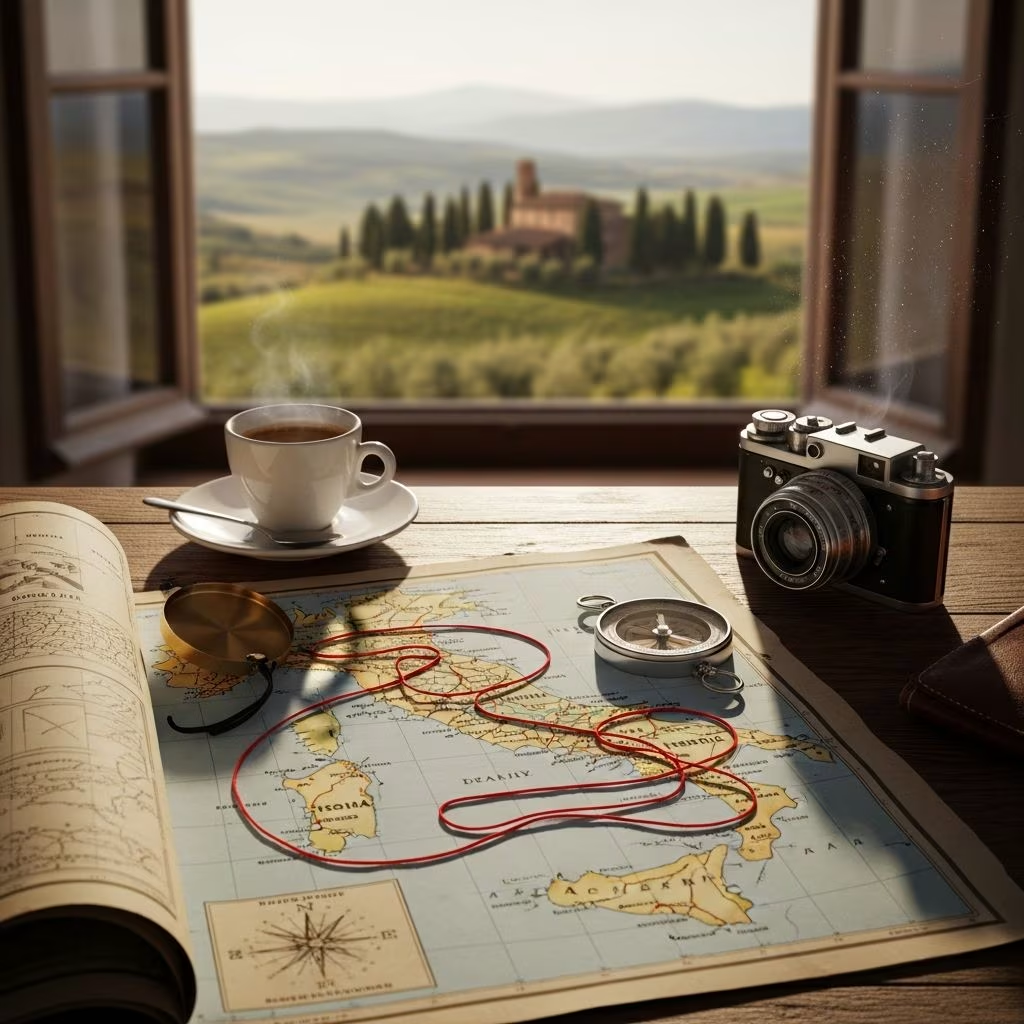
Explore curated travel routes across Italy showcasing regional diversity, from Alpine lakes to Mediterranean coastlines, ancient heritage sites to vibrant urban centers.
 Travel Essentials
Italy represents one of Europe’s most compelling travel destinations, offering visitors an extraordinary tapestry of landscapes, cultural heritage, and regional experiences. The challenge for travelers lies not in finding things to do, but rather in deciding which portions of this magnificent country deserve their precious time. A thoughtfully planned route through Italy can transform your visit from a rushed checklist of famous landmarks into a meaningful exploration of the country’s distinct regions, each with its own character, cuisine, and historical significance.
Italy’s geography naturally divides into distinct regions, each offering unique experiences. The northern territories feature Alpine landscapes and sophisticated urban centers, while central regions showcase rolling countryside and Renaissance masterpieces. Southern Italy maintains a more leisurely pace, with Mediterranean warmth and ancient Greco-Roman ruins. Rather than attempting to see everything, successful Italian travelers identify which regions align with their interests and time constraints, then explore those areas with intention and depth.
Northern Italy’s lake district represents one of Europe’s most scenic regions, where crystalline waters reflect dramatic mountain peaks. This area encompasses multiple distinct lakes, each with its own character and attractions. A week-long exploration of this region covers approximately 175 kilometers and reveals why this corner of Italy has captivated artists, writers, and travelers for centuries.
The journey through this region typically begins in Stresa, situated on Lake Maggiore’s western shore. This elegant lakeside town serves as an ideal base for exploring the nearby Borromean Islands, home to extraordinary Renaissance palaces and meticulously maintained gardens. The islands showcase centuries of artistic patronage and horticultural expertise, with gardens ranking among Europe’s finest examples of landscape design.
Continuing along Lake Maggiore’s shores leads to Verbania, where botanical gardens present an impressive collection of flora from around the world. The Villa Taranto stands as a horticultural masterpiece, featuring sculptural elements and carefully designed pathways that wind through verdant landscapes. This destination appeals particularly to visitors seeking a slower pace and natural beauty.
Bergamo represents the route’s transition point, situated between the lakes and the Lombardy plains. The city divides into distinct lower and upper sections, with the Città Alta perched on hillsides overlooking the modern lower town. Architectural treasures, including religious buildings dating to medieval and Renaissance periods, justify spending a full day exploring this often-overlooked gem.
Brescia completes this northern sequence, offering layers of history visible in its public spaces and museums. Roman archaeology remains visible throughout the city, while underground passages reveal medieval construction. This city provides a more authentic, less touristy experience compared to more famous northern destinations.
Lake Garda, Italy’s most expansive lake, presents a dramatically different character from its western neighbors. Powerful winds create ideal conditions for water sports enthusiasts, while mountain slopes descending directly into the water create spectacular landscape photography opportunities. A seven-day route covering approximately 130 kilometers encompasses the lake’s most compelling destinations.
Sirmione occupies a strategically narrow peninsula extending into the lake’s southern reaches. A 13th-century fortress dominates the landscape, with crenellated walls rising from the water’s edge. Beyond the medieval architecture, Roman ruins at Grotta di Catullo reveal the site’s ancient significance. Thermal springs in nearby facilities offer visitors opportunities for relaxation and wellness treatments.
Desenzano del Garda continues the historical theme, with extensive Roman villa remains displaying mosaics and household items from two millennia ago. The town itself maintains an attractive waterfront promenade where visitors can stroll, shop, and enjoy lakeside dining with views toward distant mountains.
Salò, positioned on the western shore, features a two-kilometer waterfront promenade offering perspectives on the lake’s grandeur. The town maintains important historical museums documenting regional heritage, while boat excursions reach Isola del Garda, the lake’s only significant island, featuring a villa and gardens accessible only by water.
Italy’s coastlines present entirely different experiences from inland regions. Two distinct coastal regions offer contrasting appeals to different traveler types.
The Ligurian coast section known as Cinque Terre ranks among Europe’s most scenic destinations. Five villages—Riomaggiore, Manarola, Corniglia, Vernazzo, and Monterosso al Mare—nestle dramatically between cliffs and the Tyrrhenian Sea. These settlements retain their fishing village character despite significant tourism, with narrow streets, colorful buildings, and waterfront charm.
The villages connect via marked clifftop footpaths offering some of Italy’s most spectacular hiking. The Sentiero Azzurro pathway, the most popular among these routes, passes through multiple villages with continuously changing perspectives on the coastline. Beyond Cinque Terre, Liguria’s coast reveals additional gems including Portofino, Porto Venere, and Santa Margherita Ligure, each maintaining distinct personalities while sharing the region’s dramatic beauty.
Southern Italy’s Amalfi Coast represents classic Mediterranean beauty, where craggy mountains descend steeply into brilliant blue waters. Colorful villages appear unexpectedly around coastal bends, offering dramatic contrasts between mountain terrain and seaside settlements. This region encompasses more than 500 kilometers of marked trails and historic mule paths traversing a national park area.
Unlike the Cinque Terre’s compact nature, the Amalfi region sprawls across a larger area, requiring more time for thorough exploration. Mountainside villages maintain traditional lifestyles while accommodating visitors, and the coastal scenery consistently delivers breath-taking visual experiences. The area appeals to visitors seeking both natural beauty and established tourist infrastructure.
Southern Italy maintains a distinctly different character from northern regions, with a more relaxed pace, Mediterranean traditions, and profound historical depth. A nine-day journey through this region encompasses both major attractions and authentic local experiences.
Naples anchors this journey as southern Italy’s largest city and primary cultural hub. The historic city center spans from significant piazzas to baroque churches, with both famous monuments and lesser-known attractions revealing layers of accumulated history. Underground passages from multiple historical periods create a literal stratification of the city’s past, while viewpoints from hillside fortifications command expansive perspectives.
Pompeii represents one of the ancient world’s most significant archaeological sites, preserving everyday Roman life in extraordinary detail through volcanic ash that buried the city nearly two thousand years ago. The archaeological remains include residential districts, commercial establishments, and public buildings, offering unparalleled insight into ancient Roman civilization.
The island of Capri, historically favored by Roman emperors and modern celebrities alike, presents a more exclusive travel experience. Upscale shopping districts and elite dining establishments cater to sophisticated travelers, while natural attractions including the famous Blue Grotto cave system and Roman villa ruins maintain their ancient appeal.
Puglia, Italy’s southernmost region, maintains traditions and landscapes distinct from better-known areas. The region features distinctive architecture, including the famous trulli cone-shaped buildings of Alberobello, and maintains a more authentic, less touristically saturated character than famous northern destinations. Local villages preserve traditional lifestyles and regional cuisine that visitors rarely encounter in more developed tourist areas.
Time allocation significantly impacts the quality of your Italian experience. Rushing through multiple regions prevents meaningful engagement with local culture and landscape appreciation. Seven to nine-day journeys allow adequate time for regional exploration without requiring extensive recovery from transportation logistics.
Seasonal timing influences both experience quality and tourist density. Spring and fall offer moderate weather and smaller crowds compared to summer peak season. Winter visits provide solitude and authentic local experiences, though some facilities operate with reduced hours.
Transportation methods shape your journey’s character significantly. Train travel provides efficient connections between regions while allowing landscape observation. Rental cars enable exploration of smaller villages and remote areas but require navigation familiarity. Local bus networks offer budget options and authentic local interaction, though journeys require more time.
Italian food culture varies dramatically by region, with distinct traditions, ingredients, and preparation methods reflecting local geography and history. Northern lake regions feature freshwater fish, dairy products, and rice-based dishes like risotto. Coastal regions emphasize seafood preparations, while southern areas showcase tomato-based dishes and preserved foods traditionally suited to warmer climates. Incorporating regional food experiences—visiting local markets, dining in family-run trattorias, and taking cooking classes—enriches travel experiences immeasurably.
Minimum seven to ten days allows meaningful exploration of one or two regions without exhausting travel logistics. Shorter visits risk becoming transportation-focused rather than experience-focused. Longer stays enable deeper regional understanding and more relaxed travel pace.
First-time visitors often benefit from combining one major city (typically Rome or Florence) with one additional region such as Tuscany, the lake district, or Cinque Terre. This approach balances famous attractions with regional diversity without overwhelming logistics.
Public transportation suffices for major destinations and well-connected regions, offering cost savings and eliminating driving concerns. Car rentals enable exploration of smaller villages and remote areas but require confident navigation abilities and familiarity with European driving conventions.
April through May and September through October offer ideal balances of pleasant weather and manageable tourist density. July and August bring peak crowds and extreme heat in southern regions. Winter months provide solitude and authentic local experiences, though weather proves unpredictable and some facilities close seasonally.
While possible, traveling through more than two regions risks creating an exhausting itinerary focused on transportation rather than meaningful engagement. Most experienced travelers recommend thorough exploration of fewer regions over superficial visits to many areas.
Successful Italian travel requires attention to logistical details that can either enhance or detract from your experience. Advance accommodation reservations prevent last-minute scrambling during peak seasons. Understanding local transportation systems and purchasing appropriate passes maximizes efficiency. Learning basic Italian phrases improves interactions with locals and demonstrates cultural respect.
Pacing your journey with adequate rest days prevents traveler burnout and allows spontaneous exploration. Many experienced visitors recommend building flexibility into itineraries, allowing opportunities to extend stays in particularly engaging locations or modify plans based on local recommendations.
Italy’s extraordinary diversity means every traveler can craft a journey reflecting personal interests and travel philosophy. Whether exploring Alpine lake beauty, hiking Mediterranean cliffside paths, immersing in Roman antiquity, or embracing southern coastal culture, Italy rewards careful planning with unforgettable experiences. The key lies not in seeing everything, but in discovering authentic connections to the specific regions and communities you choose to visit.
