


 Food & Culture
Food & Culture
Best Korean Street Food: Top Dishes, Markets & Travel Tips
Explore top South Korean street foods like tteokbokki, gimbap, and hotteok. Learn where to find them, their flavors, and tips for an authentic culinary adventure in bustling markets.
 Food & Culture
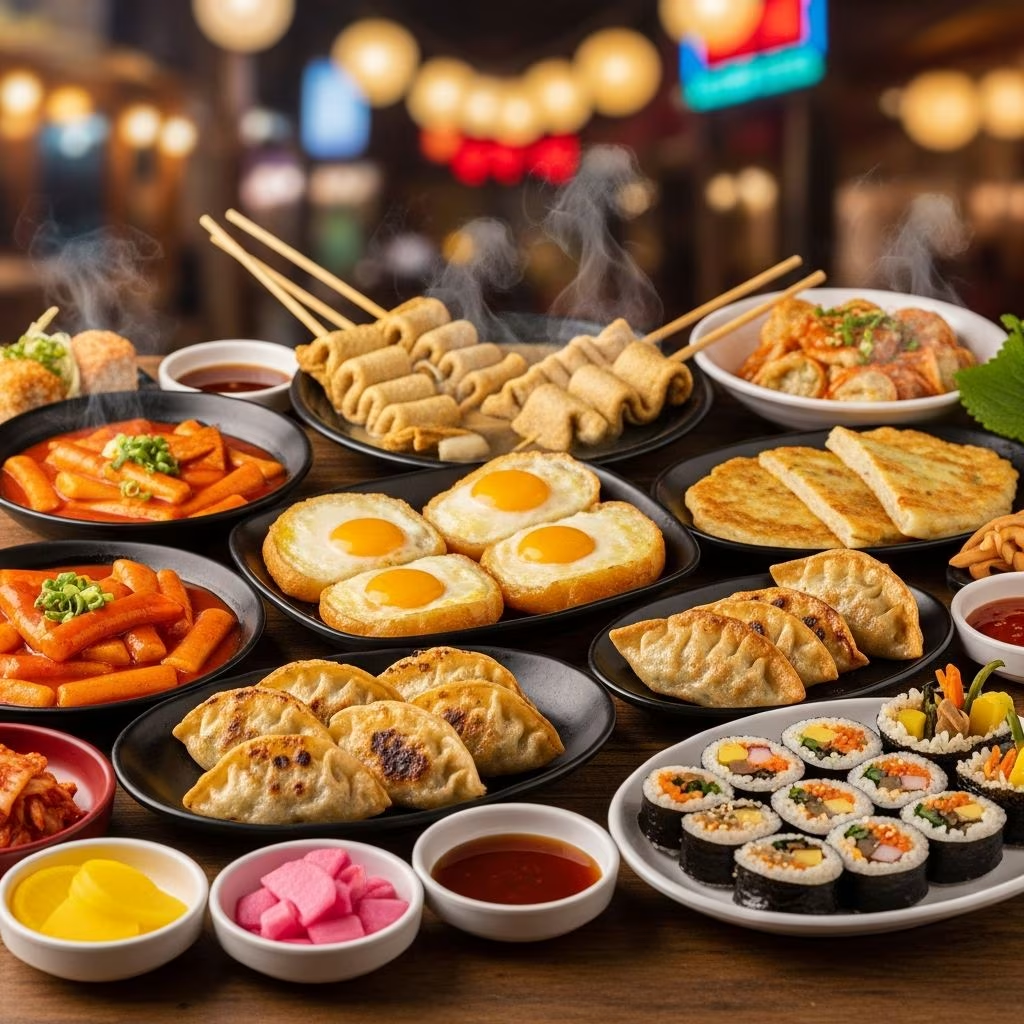
South Korea’s street food scene pulses with energy, offering affordable, flavorful bites that capture the essence of Korean cuisine. From steaming rice cakes slathered in chili sauce to crispy fried dumplings, these portable treats fuel locals and visitors alike in vibrant markets and busy streets.
Why Street Food Defines Korean Culinary Culture
Street food in South Korea goes beyond mere snacks; it’s a cultural ritual. Vendors set up carts and stalls in night markets, near subway stations, and historic districts, serving dishes passed down through generations. These foods blend bold flavors—sweet, spicy, savory—with fresh ingredients, making them ideal for on-the-go eating. Affordable prices, typically 1,000-5,000 KRW ($0.75-$3.75 USD), allow endless sampling without breaking the bank.
Markets like Gwangjang in Seoul or BIFF Square in Busan are epicenters, where the air fills with sizzling oils, fermenting spices, and chatter. Here, food unites people, from office workers grabbing quick mandu to tourists chasing viral eats featured on Netflix.
Top Must-Try Street Foods and Their Stories
Dive into the most iconic options, each with unique textures and tastes rooted in tradition.
Tteokbokki: The Spicy Rice Cake Sensation
Tteokbokki reigns as Korea’s ultimate street staple, featuring cylindrical rice cakes (tteok) stir-fried in a glossy red sauce of gochujang (fermented chili paste), sugar, garlic, and green onions. Chewy and addictively spicy-sweet, it’s often boosted with fish cakes (eomuk) or boiled eggs for extra heartiness.
Originating as royal court food, it evolved into a post-war street favorite. Stalls commonly pair it with twigim (fried veggies) or sundae (blood sausage). Expect to pay 3,000-5,000 KRW for a generous plate. Best spots: Hongdae streets or Gwangjang Market, where lines form for the Netflix-famous vendor.
Gimbap: Seaweed-Wrapped Portable Perfection
Gimbap offers sushi-like rolls but with Korean flair: seasoned rice, sesame oil, pickled veggies, egg, crab sticks, or ham, all wrapped in gim (seaweed). Bite-sized versions (ggoma gimbap) are street stars, costing about 1,500 KRW for 4-6 pieces.
Compact and nutritious, it’s a commuter essential. Variations include spicy tuna or bulgogi beef. Find it everywhere, from carts near subway exits to markets, often alongside tteokbokki.
Mandu: Dumplings Bursting with Flavor
These steamed, fried, or boiled pockets of dough encase pork, kimchi, veggies, or glass noodles. Street versions shine at places like Ildeung Wangmandu near Jongmyo Shrine, where 3-5 pieces go for 3,000 KRW.
Crispy twigim-style mandu pairs perfectly with soy-vinegar dip. Gwangjang Market’s rows of vendors make it a mandu paradise.
Eomuk (Odeng): Warming Fish Cakes on a Stick
Skewered fish cakes simmered in savory broth provide cozy comfort. Mild and bouncy, they’re a winter must-have at nearly every stall, priced at 1,000-2,000 KRW per stick.
Commonly sold with tteokbokki, they offer a subtle seafood note amid bolder flavors.
Hotteok: Sweet Stuffed Pancakes
Griddled yeast dough stuffed with brown sugar, cinnamon, and nuts (classic) or seeds (Busan-style ssiat hotteok) ooze caramel sweetness when bitten. Fresh off the press at 2,000-3,000 KRW, they’re a dessert highlight.
BIFF Square in Busan specializes in nutty versions, while Seoul stalls offer honey-filled originals.
Bindaetteok: Crunchy Mung Bean Pancakes
Made from ground mung beans, these golden fritters mix scallions, garlic, and sometimes pork. Crispy outside, tender inside, they’re Gwangjang Market icons at 5,000 KRW per plate.
A Joseon-era dish, it showcases Korea’s love for banchan-style street eats.
Twigim and Other Fried Delights
Deep-fried tempura-like veggies, shrimp, or squid offer greasy satisfaction. Often sold by the piece alongside mains, they’re a 1,000 KRW impulse buy.
Sundae (pig intestine sausage with noodles) and knife-cut noodles at Gwangjang add variety.
Sweet Treats: Bungeoppang and More
Fish-shaped waffles (bungeoppang) filled with red bean paste or custard provide cute, warm sweetness. Jjinppang (steamed buns) mimic Chinese bao with Korean twists.
Prime Locations for Street Food Adventures
South Korea’s streets and markets are treasure troves. Here’s a curated guide:
- Gwangjang Market (Seoul): Oldest market with bindaetteok, mandu, knife-cut noodles. Netflix fame draws crowds.
- Hongdae (Seoul): Youthful vibe for tteokbokki, gimbap, hotteok near clubs and street performers.
- BIFF Square (Busan): Film-themed alley with ssiat hotteok and seafood skewers.
- Myeongdong (Seoul): Tourist hub for hot dogs, egg bread, and cheesy corn dogs.
- Jongno Area (Seoul): Ildeung Wangmandu for top mandu by Jongmyo Shrine.
| Location | Signature Foods | Best Time | Avg Cost (KRW) |
|---|---|---|---|
| Gwangjang Market | Bindaetteok, Mandu, Noodles | Evenings | 3,000-7,000 |
| Hongdae | Tteokbokki, Gimbap | Night | 2,000-5,000 |
| BIFF Square | Ssiat Hotteok, Eomuk | Afternoons | 1,500-4,000 |
| Myeongdong | Hot Dogs, Twigim | All Day | 2,500-6,000 |
Tips for Navigating Street Food Like a Local
- Carry cash (small bills) as many stalls are cash-only.
- Look for crowds—busy spots signal fresh, tasty food.
- Specify spice levels for tteokbokki; ‘mild’ (tamhe) suits beginners.
- Combine stalls: order tteokbokki from one, mandu from next.
- Try seasonal specials like cold noodles in summer.
- Vegetarians: opt for twigim veggies or mung bean pancakes.
Street Food Costs and Value
Budget-friendly: most items under 5,000 KRW. A full meal (tteokbokki + mandu + drink) costs 10,000 KRW, feeding two. Prices stable, but markets may haggle slightly.
Health and Dietary Notes
Many dishes are gluten-free (tteokbokki rice-based), but check for wheat in mandu. Spicy gochujang dominates; ask for less chili. Fresh prep minimizes risks, but stick to popular vendors.
FAQs
What is the most popular Korean street food?
Tteokbokki tops lists for its spicy, chewy appeal and ubiquity.
Is Korean street food safe for tourists?
Yes, especially at busy markets; high turnover ensures freshness.
Where to find the best street food in Seoul?
Gwangjang Market and Hongdae offer diverse, authentic options.
How much should I budget for street food daily?
15,000-30,000 KRW covers multiple meals and snacks.
Are there vegetarian Korean street foods?
Yes: vegetable twigim, bindaetteok, and plain gimbap.
Elevate Your Trip with Street Food Tours
Join guided tours for insider spots, or wander solo. Pair eats with K-pop street performances or hanok village strolls for immersion.
References
- The Foodie’s Guide to Korean Street Food in Seoul — Migrationology. 2023. https://migrationology.com/korean-street-food-seoul-guide/
- 15 Tasty Street Food in Seoul — Claudia Looi, Travel Writing Pro. 2023. https://travelwritingpro.com/street-food-in-seoul/
- Most Popular Foods In South Korea: Famous Food Of Seoul — Sunsets Abroad. 2023. https://www.sunsetsabroad.com/popular-foods-in-south-korea/
- Korean Street Food & Snacks — Maddie Loves Food. 2017-02-21. https://maddielovesfood.com/2017/02/21/korean-street-food-snacks/
- Korean Street Food: What to Eat and More Importantly, What are … — Runaway Juno. 2023. https://runawayjuno.com/runaway-to/foods-in-the-street-of-seoul-south-korea/
← Previous
Best Museums in Panama City: Art, History & Biodiversity
Next →
11 Best National Parks in France: Mountains, Coasts & Wilderness
Related Reading
More in Food & Culture
Food & Culture Food & Culture
 Food & Culture
Best Places to Eat in Rome: Neighborhood Dining Guide
 Food & Culture
 Food & Culture