

 Travel Essentials
 Travel Essentials

Explore Manchester's vibrant districts, each offering unique character, amenities, and experiences for residents and visitors seeking diverse urban lifestyles.
 Travel Essentials
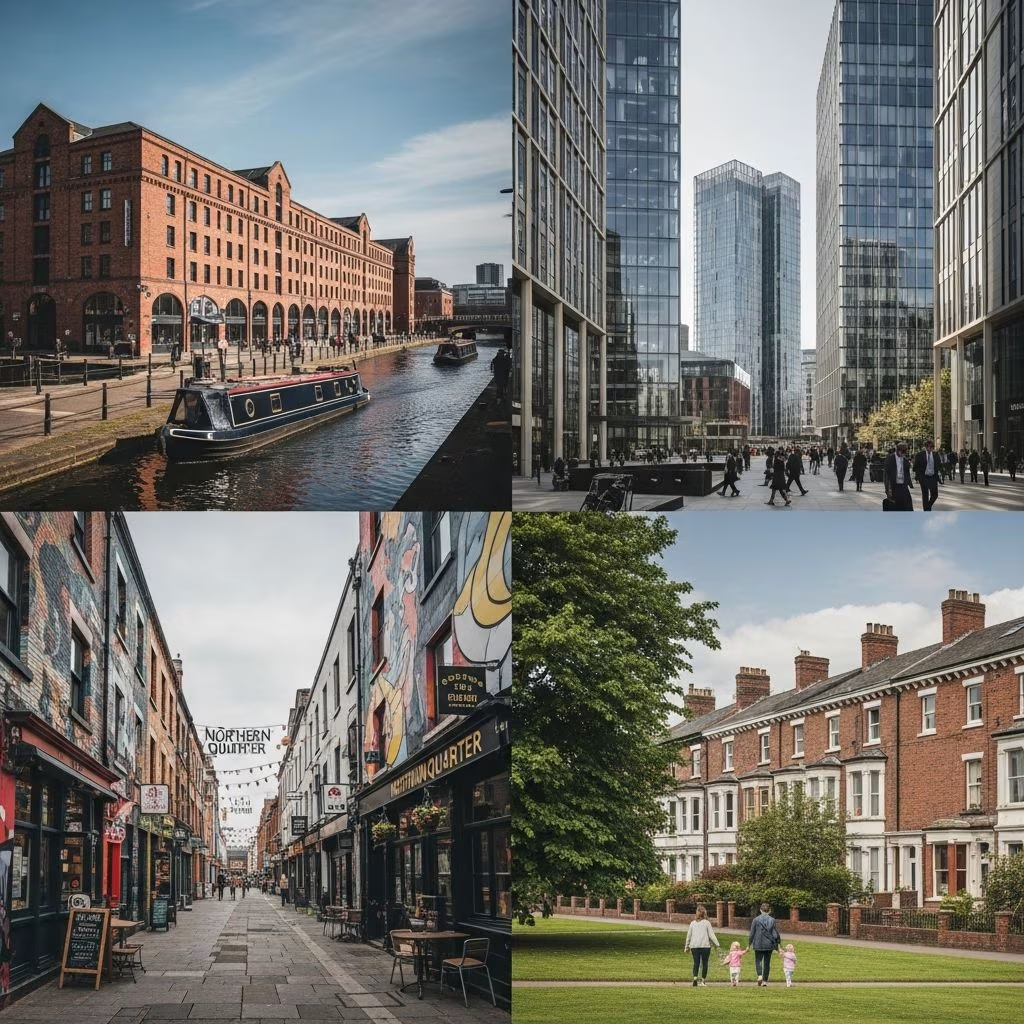
Manchester has evolved into one of England’s most dynamic cities, with each neighborhood offering its own distinct personality and appeal. Whether you’re seeking vibrant nightlife, cultural experiences, peaceful residential areas, or culinary adventures, the city’s various districts provide something for everyone. Understanding what each area has to offer can help visitors and potential residents make informed decisions about where to explore or settle.
The Northern Quarter has established itself as Manchester’s epicenter of artistic expression and independent enterprise. This neighborhood, positioned just north of the city center, has cultivated a reputation as a destination for creative professionals, artists, and those seeking authentic local experiences. The area’s streets showcase distinctive architectural character and house numerous independently-owned businesses that reflect the community’s commitment to original thinking and local commerce.
What distinguishes this neighborhood is the concentration of businesses that refuse to follow mainstream chains. Vintage boutiques share sidewalks with avant-garde galleries, while vinyl record shops sit alongside experimental restaurants and intimate music venues. The neighborhood thrives on its live music scene, with established performance spaces attracting both local talent and touring acts. Street art and murals contribute to the area’s bohemian aesthetic, while specialty cafes and bookstores create gathering places for the creative community.
The Northern Quarter also serves as a hub for dining innovation, with chefs frequently experimenting with cuisines and presentation styles. Independent bookshops often combine retail with cafe culture, allowing customers to browse while enjoying locally-roasted coffee. This integration of retail, hospitality, and culture creates an environment where serendipitous discoveries become part of the neighborhood experience.
Ancoats represents a fascinating case study in urban transformation, where Manchester’s industrial past has been thoughtfully reintegrated into contemporary urban living. During the 18th and 19th centuries, this area served as the epicenter of Manchester’s cotton manufacturing industry, with towering mills dominating the landscape. Today, many of these historic structures have been converted into residential apartments, creative studios, and culinary establishments, creating a unique blend of old and new.
The neighborhood attracts young professionals and creative individuals seeking authentic urban environments with historical significance. Walking through Ancoats reveals the narrative of industrial Manchester through its preserved architectural elements: original brickwork, cast-iron columns, and soaring ceilings now frame contemporary living spaces and businesses. Modern craft breweries now occupy former factory floors, while restaurants in converted mills showcase innovative cuisine within historically significant buildings.
Beyond the built environment, Ancoats functions as a community destination. The canal system that once facilitated industrial commerce now provides recreational pathways for walking and cycling. New public spaces have been created while maintaining historical integrity, allowing residents and visitors to appreciate both the area’s heritage and its evolution.
New Islington exemplifies modern urban planning principles, featuring contemporary residential development alongside historic canal infrastructure. Adjacent to Ancoats, this neighborhood has emerged as an attractive option for those seeking modern amenities within a distinctive setting. The area is characterized by the network of canals that wind through it, bordered by contemporary apartment buildings that maintain a neighborhood scale rather than creating imposing structures.
The canal corridors function as the neighborhood’s central organizing feature, providing recreational opportunities, visual appeal, and a sense of place. Along these waterways, casual dining establishments serve residents and visitors, creating a sociable atmosphere during evening and weekend hours. The integration of water features with residential and commercial development creates an environment that balances urban convenience with a sense of escape from typical city bustle.
Manchester’s Gay Village has earned recognition as one of the UK’s most vibrant LGBTQ+ communities. Positioned between Chinatown and the Rochdale Canal, this compact neighborhood pulses with cultural energy and social vitality. The district has become synonymous with celebration, particularly during annual pride festivities that draw visitors from across the region and beyond.
The neighborhood’s character extends far beyond nightlife, though its bar and club scene remains legendary. Trendy cafes, contemporary restaurants, and cultural venues create daytime and evening destinations for diverse communities. The area hosts regular festivals and events celebrating LGBTQ+ culture, arts, and social causes. Richmond Street and the surrounding canal corridors have been carefully developed to encourage pedestrian activity, street-level retail, and social gathering.
What distinguishes this neighborhood is how comprehensively it has been developed as a welcoming space for the LGBTQ+ community. From established hospitality venues to newer cultural institutions, the Gay Village demonstrates how urban planning and community development can create inclusive environments that celebrate diversity.
Didsbury represents the suburban face of Manchester, offering spacious living environments and community-oriented amenities. Located south of the city center, this well-established neighborhood splits into East and West Didsbury, each with distinctive characteristics while sharing the area’s overall appeal. Victorian and Edwardian properties dominate the residential landscape, providing architectural character alongside modern comforts.
The neighborhood appeals to families seeking safety, good schools, and green spaces while maintaining convenient access to city center employment and entertainment. Local high streets feature independent retailers, cafes, and restaurants that reflect community preferences. Parks and recreational facilities provide spaces for outdoor activities, while established community institutions create a sense of continuity and belonging.
Didsbury’s reputation for safety and community cohesion, shared with nearby Chorlton, has made it increasingly popular among those prioritizing neighborhood stability and social connection. Property types vary, allowing different family configurations to find appropriate housing within the neighborhood context.
Altrincham sits approximately 20 minutes from the city center by tram, positioned as an accessible suburban destination with distinctive attractions. The neighborhood’s primary draw centers on its historic market, which operates six days weekly and houses both an indoor food hall and outdoor stalls featuring local artisan products. The market has undergone significant renovation and expansion, creating a destination that draws visitors throughout the week.
Beyond the market, Altrincham supports a thriving high street that mixes well-known retailers with locally-owned stores, reflecting a balanced approach to commercial development. The neighborhood has developed a reputation for artisan brunch venues and sophisticated cocktail bars, attracting weekend visitors seeking dining experiences beyond standard chain restaurants. Cultural amenities include the Everyman Theatre, an independent cinema showing art-house and contemporary films, while recreational facilities such as Planet Ice Altrincham provide family entertainment options.
The combination of market culture, dining innovation, and entertainment options has transformed Altrincham into a destination neighborhood rather than merely a residential area. The accessibility by public transport has enhanced its appeal to those without cars, while the distinctive character differentiates it from suburban developments lacking similar attractions.
Spinningfields occupies a unique position within Manchester’s city center, representing the intersection of historic preservation and contemporary urban life. This pedestrianized area, adjoining Deansgate, has been carefully developed to maintain historic architecture while introducing modern retail, dining, and office space. The neighborhood demonstrates how heritage conservation need not conflict with modern city functions.
The area serves as Manchester’s financial district, hosting corporate offices and professional services alongside public-facing retail and hospitality venues. The careful balance between preserving historic character and meeting contemporary commercial needs has created an environment that acknowledges Manchester’s past while serving present-day functions. Pedestrian-focused design encourages lingering and social interaction, rather than merely channeling foot traffic through commercial spaces.
Manchester extends well beyond its city center core, with numerous neighborhoods offering distinctive advantages. Chorlton provides affordable housing with bohemian character, attracting young professionals and creative individuals seeking community-oriented environments. Salford Quays has transformed from industrial dockland into a modern waterfront destination featuring striking contemporary architecture and cultural institutions. Fallowfield appeals to students and first-time homebuyers through affordability and vibrant social atmosphere, while proximity to the Curry Mile provides access to distinctive dining.
Wilmslow represents Manchester’s most upmarket suburban option, known for large properties with gardens, quality schools, and boutique retail establishments catering to affluent residents. The neighborhood maintains a community feel despite its elevated property values, appealing to families and young couples prioritizing stability and excellence in local services.
Manchester’s neighborhoods reflect the city’s evolution from industrial manufacturing center to modern service economy and cultural destination. Industrial heritage remains visible in converted mills and canal infrastructure, while contemporary development introduces modern design and amenities. This layering of different historical periods creates neighborhoods with depth and character rarely found in purpose-built developments.
The city’s commitment to independent business culture distinguishes it from urban centers dominated by chain retailers and restaurants. From vintage boutiques in the Northern Quarter to artisan food producers at Altrincham Market, local enterprise shapes neighborhood identity and character. This emphasis on local control and distinctive commerce provides residents and visitors with authentic alternatives to standardized urban experiences.
Selecting a Manchester neighborhood depends on individual priorities and lifestyle preferences:
Manchester’s neighborhoods benefit from integrated public transportation, with trams and buses connecting residential areas to city center employment and entertainment. The tram network extends to suburban neighborhoods, making car ownership optional for many residents. Walking and cycling infrastructure continues to expand, with canal paths providing pleasant non-vehicular routes through multiple neighborhoods.
Manchester’s neighborhoods each contribute to the city’s overall vibrancy while maintaining distinctive characters and appeals. Whether seeking creative community, suburban tranquility, cultural dynamism, or market-centered living, Manchester offers options reflecting diverse lifestyle preferences. The continued evolution of neighborhoods like Ancoats and Salford Quays demonstrates the city’s capacity for reinvention while respecting historical heritage. Understanding what each neighborhood offers enables residents and visitors to engage with Manchester in ways aligned with their values and interests.
