


 Food & Culture
Food & Culture
Best Markets in Barcelona: Food, Fashion & Local Culture
Discover Barcelona's diverse marketplace culture beyond famous La Boqueria, featuring local favorites, architectural gems, and authentic shopping experiences.
 Food & Culture
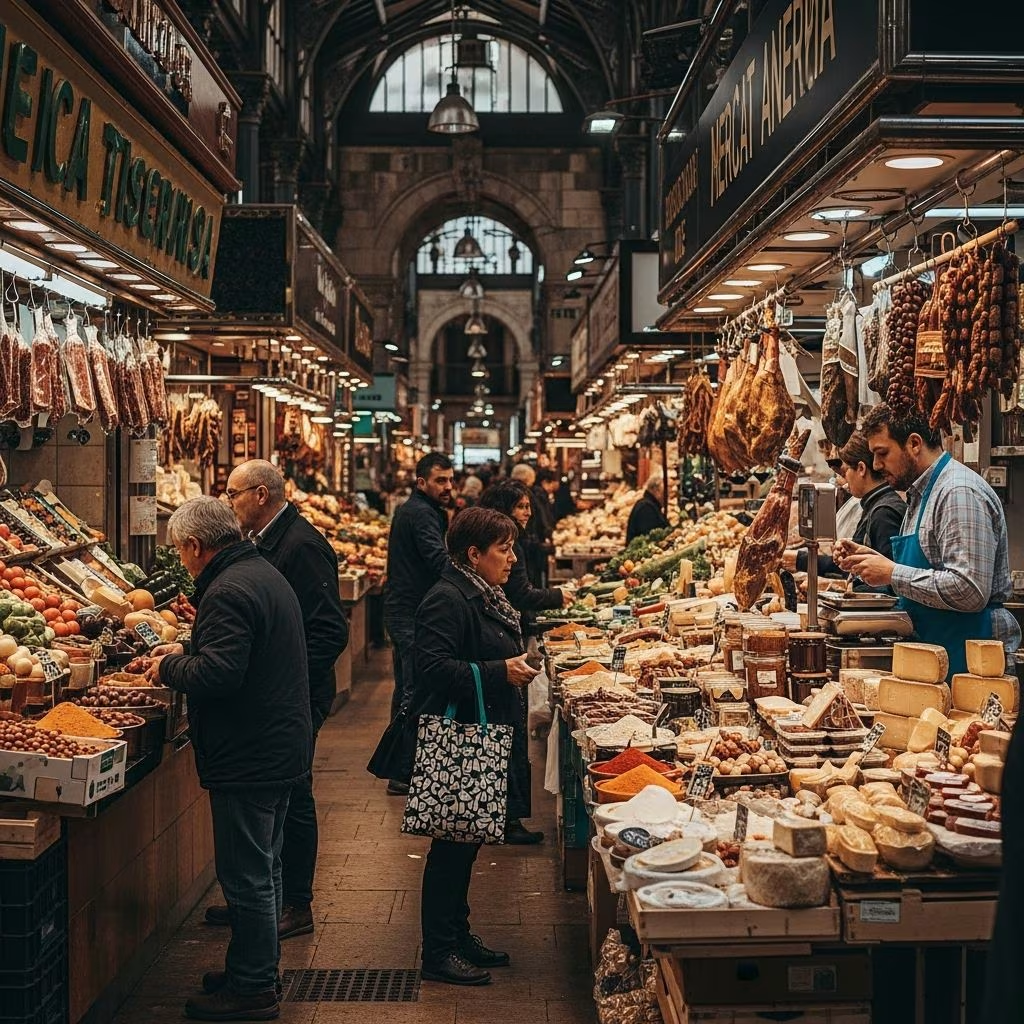
Barcelona’s marketplace tradition runs deep through the city’s cultural fabric, representing far more than simple shopping destinations. These spaces embody the essence of local life, architectural innovation, and culinary excellence that define the Catalan capital. With approximately 43 permanent public markets operating throughout the metropolitan area, the city offers visitors and residents alike an extraordinary opportunity to experience authentic Barcelona through its vibrant stall-lined corridors and bustling commercial hubs.
The marketplaces of Barcelona serve as living museums where history, commerce, and community converge. Each market tells its own story through distinctive architecture, specialized vendors, and the rhythms of daily life that pulse through their passages. Whether seeking fresh ingredients for an evening meal or rare treasures from forgotten eras, Barcelona’s diverse market ecosystem caters to every interest and budget.
The Cathedral of Fresh Produce: Understanding Barcelona’s Food Market Legacy
Barcelona’s relationship with food markets extends back centuries, with evidence of organized trading in the city dating to medieval times. The architecture and design of these spaces reflect different eras of the city’s development, from Catalan Modernisme styling to contemporary renovated facilities. Modern markets combine heritage with functionality, featuring both traditional vendor stalls and contemporary dining options.
These food markets occupy a special place in Barcelona’s identity. They function simultaneously as commercial spaces, culinary schools, social gathering points, and tourist attractions. Visitors navigating these markets experience the sensory symphony of Barcelona—the vivid colors of regional produce, the rich aromas of aged meats and fresh seafood, and the melodic rhythm of merchant interactions.
Discovering the Hidden Gems Beyond Tourist Routes
While certain markets have achieved international fame, Barcelona’s most authentic experiences often await discovery in less-traveled neighborhoods. These secondary markets provide a window into how locals actually shop, where genuine community connections flourish, and where prices remain reasonable without inflated tourism markups.
The Sustainable Producers’ Haven
Located in the Poble-Sec neighborhood near the historic redbrick towers of a former power plant, one emerging market has captured the attention of environmentally conscious shoppers and culinary enthusiasts. Operated in partnership with an international slow food movement organization, this farmers-oriented venue specializes in organic and sustainable produce sourced from regional suppliers. The Saturday morning atmosphere attracts Barcelona residents seeking artisanal products including locally-made cheeses, traditional cured meats, specialty oils, craft beverages, and naturally-fermented bread.
The experience extends beyond commerce. Vendors and organizers host seasonal cooking demonstrations, educational workshops, live musical performances, and children’s activities designed to foster appreciation for quality ingredients and traditional preparation methods. Spring visitors encounter fresh calçots (elongated vegetables bridging leek and spring onion characteristics), while summer months showcase grilled fresh seafood and traditional rice dishes.
The Architectural Treasure in the Gothic Quarter
Positioned dramatically near the Barcelona Cathedral’s ancient Gothic facade, another revitalized market features an immediately recognizable design element: an undulating, kaleidoscopic roof structure that contrasts strikingly with surrounding medieval architecture. Completely renovated during the early 2000s, this market maintains rigorous standards for fishmongers, butchers, and produce vendors while incorporating modern comfort amenities. The integrated tapas bar provides visitors the opportunity to observe market activity while consuming small plates prepared from market-sourced ingredients.
The Historic Community Market
Dating from the 1880s, a prominent market in the Eixample district represents the golden age of Catalan Moderniste design. Constructed with decorative ironwork and masonry typical of the period, this market emerged when the surrounding district represented Barcelona’s most densely populated residential area. Recently modernized through comprehensive renovation, the space now hosts food-oriented workshops and special events while maintaining its original function as a neighborhood provisioning center.
Specialty Markets Catering to Specific Interests
Antique and Reclaimed Goods Marketplace
Barcelona’s premier repository for vintage furniture, collectible books, unusual decorative objects, and various merchandise occupies a distinctive position in the city’s market ecosystem. Operating as the city’s largest flea market, this venue houses more than 500 independent vendors beneath a signature mirrored roof structure. Treasures range from antique furnishings and period clothing to vintage recordings, rare publications, and numismatic or philatelic items. The upper-level food section provides refreshment during extended browsing sessions.
Contemporary Creative Marketplace
Housed within a reconfigured 19th-century textile production facility in the Poblenou neighborhood, a recently-developed monthly market has earned status as Barcelona’s trendiest weekend destination. Operating during the opening weekend of each month, this curated venue celebrates emerging Barcelona-based fashion designers, sustainable textile practices, and organic beauty and skincare artisans. The deliberately casual yet sophisticated atmosphere welcomes food truck operations offering street cuisine, bars serving natural wines and craft cocktails, and live musical entertainment ranging from DJ performances to acoustic sets. Unlike traditional public markets, entrance requires advance ticket purchase (€6.50) with designated hourly time slots (morning-to-afternoon or afternoon-to-evening options), deliberately minimizing crowding and creating leisurely browsing conditions.
Understanding Barcelona’s Moderniste Market Architecture
Several of Barcelona’s markets represent masterworks of Catalan Modernisme architectural movement, a distinctive style emerging during Barcelona’s late-19th-century expansion. Architects including Antoni Rovira i Trias designed multiple markets as components of the city’s coordinated urban growth strategy, the Plan Cerdà. These structures showcase characteristic design elements including ornamental wrought-iron frameworks, decorative red-brick facades, and innovative roof systems that balance aesthetic ambition with practical ventilation and illumination requirements.
The Moderniste style applied to market design reflects the movement’s philosophy of integrating architectural beauty with functional public utility. These markets were conceived not merely as utilitarian structures but as civic statements celebrating commerce, community, and cultural progress.
Markets as Neighborhood Social Centers
Barcelona’s markets function fundamentally as community gathering spaces where residents conduct daily business, encounter neighbors, and maintain social connections. This social dimension distinguishes authentic local markets from tourist-oriented alternatives. Neighborhood markets like those in Sant Antoni and the Eixample district serve specific residential populations, creating accountability relationships between vendors and regular customers that span years or generations.
The human-scale interaction inherent in market shopping—direct conversation with produce growers, negotiations regarding quality or pricing, recommendations based on personal relationships—provides experiences increasingly rare in contemporary retail environments. This dimension of market culture attracts both residents seeking authentic community connection and visitors curious about genuine local life.
Secondary Market Functions: Sundays and Special Days
Many primary food markets transition into different commercial spaces during specific days or hours. One Sant Antoni location transforms its surrounding area into a second-hand book marketplace during Sunday sessions, with vendors offering rare publications, vintage comic collections, postage stamps, and coins alongside the primary food market operations. This dual-use model maximizes community utility while creating diverse reasons for regular visitation.
Navigating the Largest Markets Effectively
The most renowned market in European markets—a sprawling covered produce venue serving as morning procurement point for Barcelona’s acclaimed restaurants—stretches across hundreds of individual stalls. Successfully navigating this complex space benefits from strategic preparation. An information booth near the rear section provides detailed directional maps identifying each vendor’s specialty focus, enabling efficient route planning for visitors seeking specific items.
Sensory overwhelm represents a common visitor experience in the largest, most crowded markets. Embracing this immersion—allowing yourself to become temporarily disoriented among vibrant produce displays, distinctive aromas, and vendor activities—often yields serendipitous discoveries and memorable moments of authentic Barcelona culture.
Quality Variations and Pricing Expectations
While markets throughout Barcelona operate under similar regulatory frameworks, considerable variation exists regarding produce quality, vendor professionalism, and pricing structures. The most upmarket residential districts feature markets where vendors offer premium products at correspondingly elevated prices. Conversely, neighborhood markets serving middle-class residential areas maintain more moderate pricing while accepting quality-price tradeoffs.
Frequently Asked Questions About Barcelona Markets
When do Barcelona’s markets typically operate?
Most traditional food markets operate Tuesday through Saturday mornings and early afternoons, with significantly reduced activity on Sundays. Specific hours vary by market; larger venues typically open around 7-8 AM and close by 2-3 PM. Specialized markets like the monthly creative marketplace maintain different schedules tied to specific weekend dates.
Are prices in Barcelona markets negotiable?
Direct price negotiation occurs less frequently in modern Barcelona markets than in Mediterranean markets of previous decades. Most vendors maintain consistent pricing; however, purchasing larger quantities may result in informal discounts or vendor gestures of appreciation.
Which markets welcome credit card payments?
Established vendors at major markets increasingly accept card payments alongside cash. Smaller neighborhood market stalls may operate cash-only. Visitors should carry sufficient euros for smaller purchases, particularly in less-frequented markets.
Can visitors easily purchase prepared foods at markets?
Many markets incorporate casual dining establishments—standalone bars or counter-service areas—where visitors can purchase prepared dishes incorporating fresh market ingredients. These range from simple tapas selections to more elaborate regional specialties.
Strategic Considerations for Market Visitation
Timing significantly affects market experiences. Morning visits (7-10 AM) coincide with peak vendor activity and freshest inventory but involve greater crowding. Mid-morning visits (10 AM-Noon) balance activity levels with inventory selection. Afternoon visits offer reduced congestion but diminished produce selection and closed vendor stalls.
Language considerations rarely present obstacles; most vendors communicate basic product information and pricing in English, and market staff often provide multilingual assistance. Photography policies vary among vendors; courteous inquiry regarding image permissions demonstrates respect for vendors’ preferences.
Conclusion: Markets as Cultural Destinations
Barcelona’s markets transcend categorization as mere shopping venues. They represent distinct cultural institutions embodying the city’s values, history, architectural ambition, and commitment to preserving community-oriented commercial spaces amid contemporary retail consolidation trends. Whether seeking culinary inspiration, architectural appreciation, authentic local interactions, or simple sensory immersion in Barcelona’s distinctive atmosphere, the city’s diverse market ecosystem delivers profound and memorable experiences beyond tourist guidebooks’ predictable recommendations.
References
- Barcelona’s Markets — Barcelona Turisme. Accessed April 2026. https://www.barcelonaturisme.com/wv3/en/page/101/barcelona-s-markets.html
- Discover the Best Markets to Visit in Barcelona — Lonely Planet. https://www.lonelyplanet.com/articles/barcelona-best-markets
- The 5 Best Markets in Barcelona — Travel Associates. https://www.travelassociates.com/travel-inspiration/blog/5-best-markets-barcelona
- Fresh Goodies in the Markets of Barcelona — KLM Travel Guide. https://www.klm.com/travel-guide/inspiration/fresh-goodies-in-the-markets-of-barcelona
- Market Cities: Barcelona Offers a Hopeful Glimpse of the Future — Project for Public Spaces. https://www.pps.org/article/market-cities-barcelona-offers-a-hopeful-glimpse-of-the-future
On This Page
The Cathedral of Fresh Produce: Understanding Barcelona's Food Market Legacy Discovering the Hidden Gems Beyond Tourist Routes Specialty Markets Catering to Specific Interests Understanding Barcelona's Moderniste Market Architecture Markets as Neighborhood Social Centers Secondary Market Functions: Sundays and Special Days Navigating the Largest Markets Effectively Quality Variations and Pricing Expectations Frequently Asked Questions About Barcelona Markets Strategic Considerations for Market Visitation Conclusion: Markets as Cultural Destinations← Previous
Best Luxury Hotels in Las Vegas: Top Resorts, Suites & Amenities
Next →
Orlando Travel Guide 2026: Top Attractions, Dining & Itineraries
Related Reading
More in Food & Culture
Food & Culture Food & Culture
 Food & Culture
Best Places to Eat in Rome: Neighborhood Dining Guide
 Food & Culture
 Food & Culture