

 Travel Essentials
 Travel Essentials

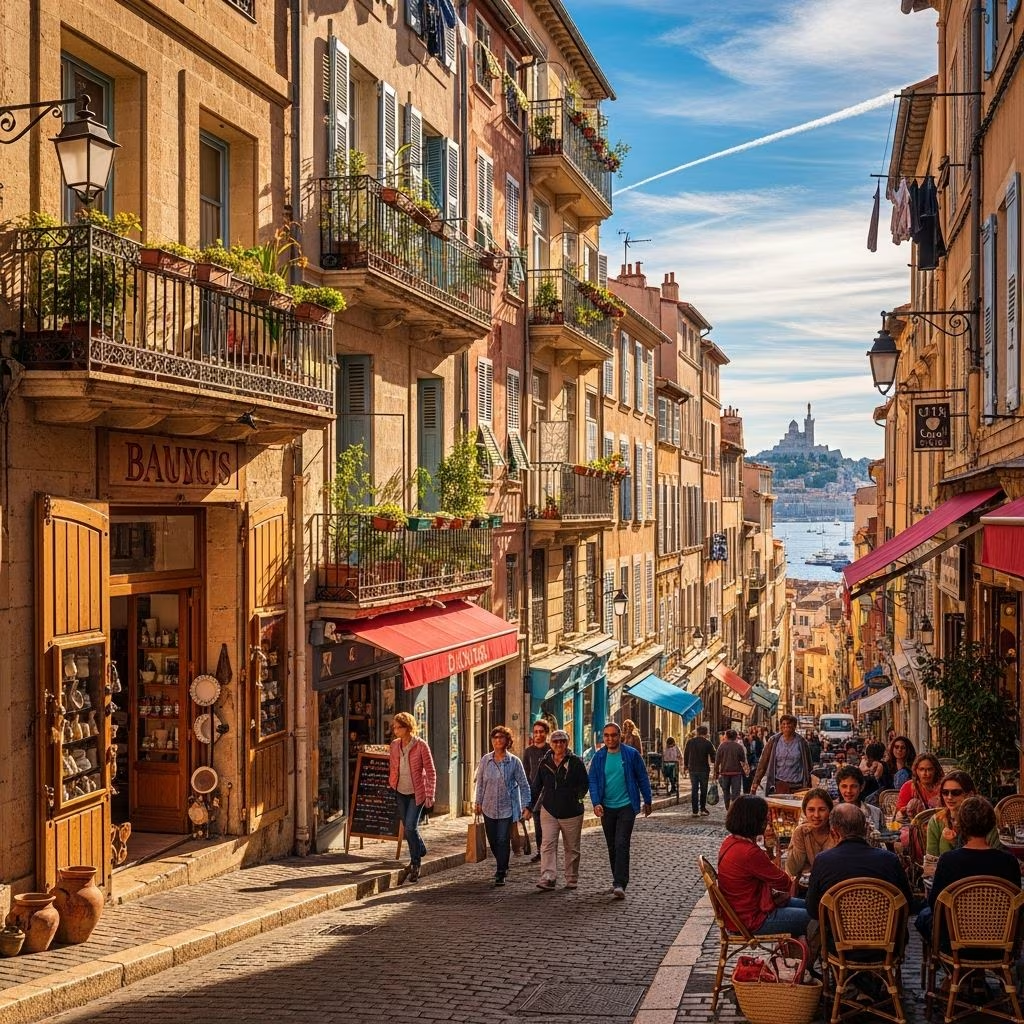
Discover Marseille's most distinctive neighborhoods, each offering unique character, from ancient alleyways to contemporary art scenes and seaside retreats.
 Travel Essentials
Marseille stands as France’s second-largest city and a gateway to the Mediterranean, offering visitors and residents a tapestry of distinct neighborhoods, each with its own personality, history, and charm. The city’s diverse districts range from ancient alleyways steeped in centuries of tradition to cutting-edge cultural spaces and peaceful seaside enclaves. Understanding these neighborhoods is essential for anyone seeking to experience the authentic pulse of this dynamic Provençal metropolis.
The oldest district in Marseille serves as the city’s cultural and historical epicenter. This neighborhood, spanning over 2,600 years of history, represents the Mediterranean spirit through its narrow cobblestone streets, colorful facades, and intimate squares. Walking through this area feels like stepping back in time, as traditional architecture blends seamlessly with contemporary street art and vibrant local life.
The neighborhood features three significant gathering points that have served as communal hubs for generations. These plazas bustle with activity throughout the day, drawing both tourists and locals seeking authentic Provençal experiences. The area’s defining characteristic lies in its preserved architecture—tall buildings with washed walls in varying shades of yellow, pink, and orange create the distinctive Mediterranean aesthetic that photographers and artists have celebrated for decades.
What makes this district particularly appealing is the presence of artisan shops and independent boutiques. These establishments maintain traditional craftsmanship, from vintage clothing stores to specialty food shops. The neighborhood encourages wandering—explorers are rewarded with unexpected discoveries around every corner, whether a hidden café serving traditional Provençal cuisine or a gallery showcasing local contemporary art.
A notable cultural landmark within this historic district is the Old Charity Centre, a 17th-century baroque structure transformed into a museum and exhibition space. This architectural gem provides insight into the neighborhood’s artistic evolution while offering a peaceful retreat from the bustling streets outside.
Located in the city’s fourth arrondissement, the central park neighborhood represents a different facet of Marseille’s urban landscape. This district distinguishes itself through abundant vegetation and green spaces, earning recognition as the primary green space within the central city area. The neighborhood accommodates the city’s intellectual and cultural institutions while maintaining accessibility for residents seeking respite from urban density.
The defining feature of this district is an architectural masterpiece—a historic palace surrounded by expansive wooded parkland spanning more than eight hectares. This verdant oasis hosts cultural events, local gatherings, and provides recreational space for families and students. The combination of cultural institutions and natural landscape creates an environment ideal for those valuing both urban convenience and natural beauty.
Young professionals and students frequently choose this neighborhood for its central location and balanced atmosphere. The area offers accessibility to city services while providing a quieter, more contemplative environment compared to busier districts. Educational facilities and cultural venues make it particularly attractive to those seeking intellectual stimulation without sacrificing quality of life.
Positioned in Marseille’s seventh arrondissement along the coastal corniche, this beachside neighborhood caters to those prioritizing peace and proximity to the Mediterranean. The district maintains the appearance and atmosphere of a small Provençal village despite its urban location, featuring typical narrow streets and traditional architecture that evoke a slower pace of life.
The neighborhood’s appeal extends beyond its beach access. Residents enjoy panoramic sea views, traditional Mediterranean cuisine at waterfront restaurants, and the rhythms of coastal living. The area’s popularity has increased its real estate value, making it one of the more expensive districts in the city, though many residents consider the investment justified by the lifestyle and environmental quality.
An iconic religious monument overlooks this neighborhood, visible from throughout much of the city. This landmark serves as a spiritual and visual focal point, representing both architectural heritage and local identity. The basilica attracts visitors seeking both religious contemplation and spectacular city vistas from its elevated perch.
The beach neighborhood particularly appeals to families and couples seeking refuge from city center congestion while maintaining reasonable access to urban amenities. Its working-class heritage, combined with natural beauty and relatively peaceful atmosphere, creates a distinctive character that distinguishes it from other coastal developments in the region.
A neighborhood transformed through artistic investment and cultural programming has emerged as a hub for young people and creative professionals. Located within reasonable proximity to downtown, this district offers trendier establishments and contemporary attractions while maintaining connection to the city’s cultural foundation.
The district’s centerpiece is a modern cultural facility housed within a former industrial structure. This arts center features diverse programming including exhibitions, performances, and community events. The venue exemplifies how cities successfully repurpose historic industrial spaces for contemporary cultural purposes, creating vibrant community gathering places that drive neighborhood regeneration.
The neighborhood attracts visitors through its eclectic restaurant scene, independent shops, and creative establishments. Boutiques and eateries reflect contemporary aesthetic preferences while maintaining connection to local traditions. The district’s evolution demonstrates Marseille’s capacity for urban reinvention, transforming industrial areas into thriving cultural destinations.
Street art and creative murals characterize the neighborhood’s visual landscape. These artworks transform walls and alleyways into outdoor galleries, contributing to the district’s bohemian atmosphere. Regular art installations and exhibitions ensure the neighborhood maintains its cutting-edge creative reputation while attracting visitors seeking authentic contemporary culture.
Recognized internationally as one of the world’s coolest neighborhoods, this district maintains its artistic integrity through a fascinating mix of residents and cultural institutions. The area’s rebellious spirit remains evident in its aesthetic—colorful dead-end streets, graffiti-covered alleyways, and winding staircases lined with plane trees create an unconventional urban landscape.
The neighborhood hosts galleries, lively restaurants, and independent boutiques that reflect its artistic character. A concentration of cultural venues within a relatively compact area creates intellectual and creative energy that attracts artists, musicians, and culturally engaged residents. The district successfully balances its artistic heritage with contemporary urban development, avoiding homogenization while remaining accessible to newcomers.
Residents represent a cross-section of urban populations—from longtime artists to recently relocated city dwellers seeking cultural engagement. This demographic diversity contributes to the neighborhood’s dynamic character and economic vitality. Local businesses thrive through community support and international tourist attention, creating sustainable economic models for independent operators.
| District | Primary Character | Best For | Price Range |
|---|---|---|---|
| Historic Alleyways District | Ancient architecture, traditional crafts | Cultural exploration, photography | Moderate to High |
| Central Park District | Green spaces, cultural institutions | Students, families, nature lovers | Moderate |
| Seaside Village District | Beach access, peaceful atmosphere | Families, couples, beach enthusiasts | High |
| Contemporary Arts District | Modern culture, trendy venues | Young professionals, foodies, artists | Moderate to High |
| Artistic Edge District | Street art, galleries, bohemian vibe | Creative professionals, alternative culture | Moderate |
Beyond urban neighborhoods, Marseille’s coastal areas offer distinct character shaped by maritime heritage and recreational opportunities. A waterfront neighborhood known for beaches and local swimming spots provides an alternative to traditional urban living. The district’s defining feature is a unique fishing haven nestled between two cliff faces, accessible only via narrow descending stairs.
This location embodies local Mediterranean culture—residents and visitors gather to swim, drink regional wine varieties, and consume traditional local cuisine. The atmospheric setting, with its dramatic natural features and authentic community presence, creates experiences impossible to replicate in modern resort developments. The area maintains its working character rather than transforming into sanitized tourist attractions, preserving genuine local culture.
When selecting a Marseille neighborhood, geographic location significantly impacts daily life and accessibility. Some areas provide easy access to downtown attractions, public transportation, and city services, while others prioritize peace and natural environments over urban convenience. Northern neighborhoods generally present challenges related to safety concerns and limited public transportation infrastructure, making them less suitable for most visitors and new residents.
Visitors prioritizing urban energy and nightlife should consider central districts offering concentrated entertainment venues, restaurants, and bars. Those seeking calm environments combined with city access should explore quieter eastern neighborhoods featuring residential character while maintaining reasonable accessibility to urban amenities. Beach lovers and nature enthusiasts should focus on seventh arrondissement options offering Mediterranean views and coastal recreation.
Marseille’s neighborhoods present different characteristics depending on seasonal factors. Summer months bring increased tourism and activity, particularly in historic and beachside districts. Spring and autumn offer pleasant weather with fewer crowds, making exploration more enjoyable. Winter provides opportunities for experiencing neighborhoods as locals do, without tourist congestion, though some seasonal attractions may have limited hours.
The historic alleyways district provides the most authentic Provençal environment, with preserved traditional architecture, local artisan shops, and centuries-old community gathering spaces. Its 2,600-year history and minimal modern development create genuine Mediterranean atmosphere.
Families benefit from the central park district’s green spaces and cultural institutions, or the seaside village district’s peaceful environment and beach access. Both offer family-friendly amenities and safer, quieter atmospheres than downtown areas.
The contemporary arts district and artistic edge neighborhoods attract creative professionals through galleries, independent shops, cultural venues, and vibrant nightlife. These areas offer intellectual engagement, creative community, and cutting-edge cultural programming.
Northern neighborhoods present challenges related to public safety and transportation infrastructure, making them generally unsuitable for most visitors and new residents.
The contemporary arts district and artistic edge neighborhoods typically offer reasonable pricing while delivering cultural amenities and trendy establishments. These areas provide urban lifestyle quality without the premium costs of beachfront or ultra-historic districts.
Marseille’s neighborhoods collectively represent centuries of Mediterranean history, cultural evolution, and contemporary urban dynamism. From ancient alleyways to cutting-edge artistic spaces, from peaceful beachside villages to energetic cultural hubs, the city accommodates diverse preferences and travel styles. Selecting the right neighborhood enhances any Marseille experience, whether visiting briefly or establishing long-term residence. Each district contributes to the city’s complex identity, making Marseille a destination rewarding careful exploration and genuine engagement with local character.
