

 Travel Essentials
 Travel Essentials

A comprehensive guide to Missouri's most exceptional state and nature parks, featuring hiking trails, scenic vistas, wildlife viewing, and family-friendly attractions.
 Travel Essentials
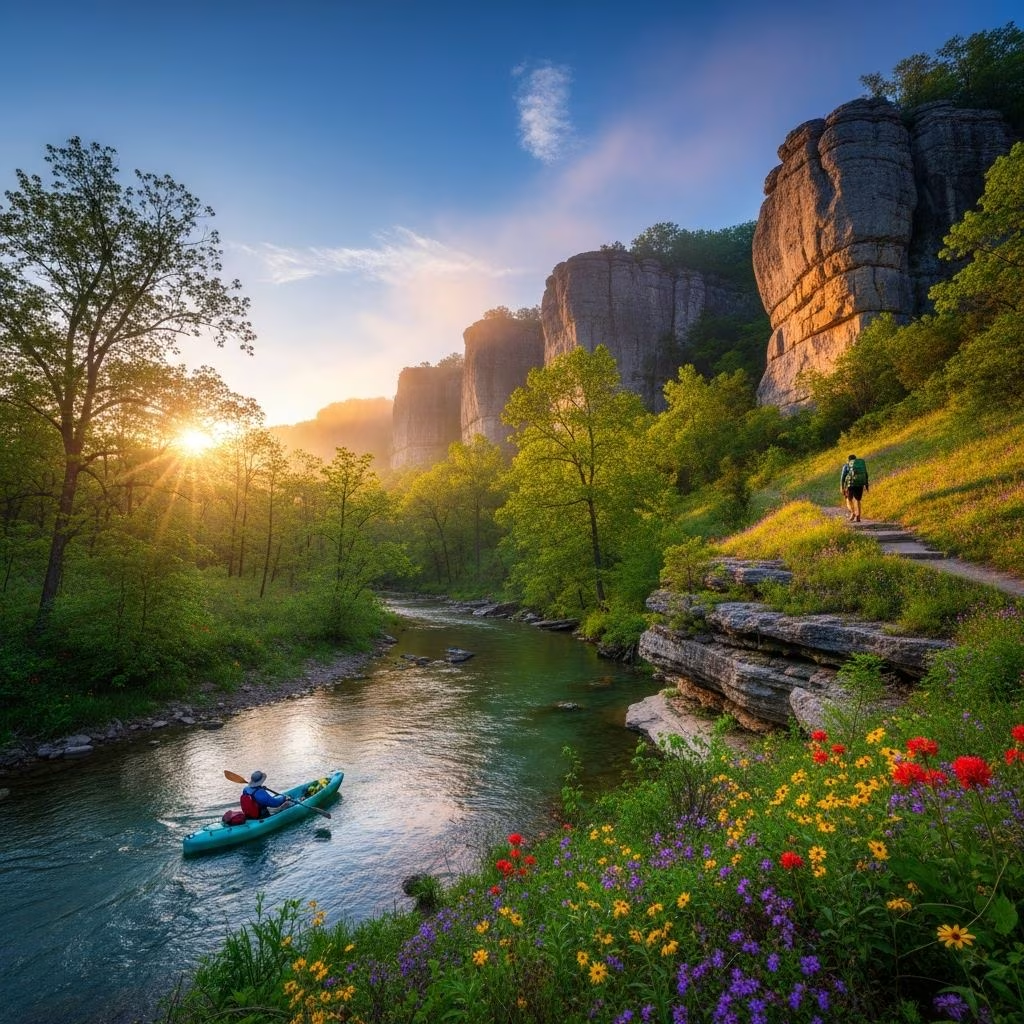
Missouri’s natural landscape offers visitors an incredible diversity of outdoor experiences, from towering bluffs and pristine forests to expansive prairie grasslands and scenic waterways. The state’s network of state parks provides accessible gateways to these environments, each with distinct characteristics that appeal to different types of travelers. Whether you seek solitude on remote hiking trails, family-friendly recreational activities, or opportunities to connect with the region’s geological and cultural heritage, Missouri’s parks deliver compelling reasons to venture outdoors.
The northern regions of Missouri feature some of the state’s most rugged and forested terrain. Cuivre River State Park, located north of St. Louis, exemplifies this landscape with its expansive 6,000-acre expanse. The park’s primary draw is its extensive network of outdoor pathways, with more than 38 miles of trails designed for hiking, backpacking, and equestrian use. These well-maintained routes wind through dense hardwood forests and alongside scenic water features, offering visitors multiple options depending on their fitness level and available time.
Thousand Hills State Park, situated near Kirksville in the northeastern part of the state, combines recreational amenities with distinctive astronomical features. The park achieved recognition as Missouri’s first location designated as an Urban Night Sky Place by DarkSky International, making it an exceptional venue for stargazing and astronomy enthusiasts. Beyond its celestial appeal, Forest Lake serves as the park’s recreational hub, facilitating boating, fishing, and swimming activities throughout the warmer months. This combination of water recreation and nighttime sky observation creates a unique appeal that distinguishes it from other state park offerings.
Missouri’s lakes and rivers form the centerpieces of numerous state parks, each offering distinct recreational possibilities. Harry S Truman State Park, located in Warsaw, showcases one of Missouri’s largest lakes surrounded by dramatic bluffs and dense hardwood forests. The park’s terrain creates a visually striking backdrop for water activities while simultaneously offering challenging hiking opportunities through its varied topography.
Table Rock State Park, positioned near the tourism hub of Branson, represents a comprehensive recreational destination for families and outdoor enthusiasts. The centerpiece Table Rock Lake provides abundant opportunities for boating, fishing, and water exploration. Beyond water-based activities, the park contains two distinctive caves open to public visitation: Fischer Cave, distinguished by its substantial colony of gray bats, and Stone Barn Cave, a historically significant location that once sheltered Native Americans and early European settlers.
Roaring River State Park presents a unique geographical setting within a deep, narrow valley surrounded by rugged landscape. The river’s abundance of trout has established it as a premier destination for anglers seeking quality fishing experiences. The park balances its fishing reputation with recreational diversity through seven hiking trails, cabin accommodations, a full-service restaurant, and a hatchery facility that allows visitors to understand regional aquatic ecology.
Several Missouri parks are defined by unusual and remarkable geological formations that capture visitor imagination. Elephant Rocks State Park, located in southeast Missouri, draws its name from distinctive boulder formations that resemble a line of circus elephants arranged end-to-end. These massive granite boulders, formed approximately 1.5 billion years ago, provide climbing opportunities and photo opportunities that appeal to children and adults alike. The park’s configuration allows parents to easily supervise young climbers while enjoying shaded picnic areas throughout the property.
Hawn State Park, situated near Ste. Genevieve, distinguishes itself through exceptional botanical diversity and dramatic landscape features. The park contains 660 species of trees, shrubs, ferns, and wildflowers, with some species found nowhere else in the state. Towering pine trees and interesting rock formations create an visually distinctive environment that attracts hikers and bird watchers. Trail options range from brief excursions to scenic overlooks to ambitious backpacking routes extending nearly 10 miles. The Pickle Creek Trail, one of Hawn’s most popular routes, tests hikers through large boulders, steep ascents and descents, while following a creek with stunning rock formations.
Prairie State Park, located south of Lamar and approximately 1.75 hours west of Springfield, preserves Missouri’s largest tallgrass prairie landscape. This park creates a strikingly different aesthetic experience compared to Missouri’s forests and bluffs. The flat, sprawling terrain features swaying grasses, prairie birds, vibrant wildflower displays, and herds of bison that transport visitors to ecosystems reminiscent of the Great Plains.
The park’s seven trails provide varying levels of accessibility and scenic diversity. The Fire Tower Trail presents a challenging 4.4-mile loop featuring a 1930s Civilian Conservation Corps lookout tower, dolomite glades, dense woodland sections, and towering bluff formations. For visitors seeking less strenuous experiences, the River Trail offers a gentle 0.6-mile pathway alongside Roaring River, celebrated for its spring wildflower displays.
Several Missouri state parks cater specifically to family visitors seeking age-appropriate activities and comfortable amenities. Weston Bend State Park, situated within an already charming town worth exploring, provides multiple appeal points beyond the park itself. Lush woodland surroundings support hiking trail networks and mountain biking routes, while designated overlooks provide vistas of the Missouri River. The park functions as an excellent observation point during spring and fall bird migration periods.
Knob Noster State Park offers urbanites convenient access to nature within an hour’s drive from metropolitan areas. The heavily shaded park environment creates an immersive natural experience despite its proximity to developed areas. Small ponds and lakes scattered throughout facilitate accessible boating opportunities, while dedicated equestrian and mountain biking trails serve enthusiasts of those respective activities. The combination of shade, streams, and paths creates an atmosphere where visitors feel isolated from civilization despite relatively close proximity to urban centers.
| Park Name | Primary Location | Key Features | Best For |
|---|---|---|---|
| Cuivre River | North of St. Louis | 38+ miles of trails, 6,000 acres | Backpacking, equestrian use |
| Thousand Hills | Near Kirksville | Night Sky designation, Forest Lake | Stargazing, water recreation |
| Hawn | Ste. Genevieve area | 660 plant species, dramatic bluffs | Hiking, birding |
| Prairie | South of Lamar | Tallgrass prairie, bison herds | Prairie ecosystem exploration |
| Table Rock | Near Branson | Large lake, historic caves | Family recreation, water sports |
| Roaring River | Central Missouri | Trout fishing, deep valley setting | Fishing, river activities |
Spring and fall offer optimal conditions for most park activities. Spring brings wildflower blooms and active bird migration, while fall features comfortable temperatures and dramatic foliage changes. Summer accommodates water-based activities, though heat can be intense. Winter provides solitude for determined hikers and possible stargazing opportunities.
Many parks offer accessible facilities and shorter trail options, though terrain difficulty varies. Visitors with specific accessibility needs should contact individual parks in advance to determine available accommodations.
Numerous parks offer cabin accommodations and campground facilities. Roaring River State Park and Hawn State Park both provide lodging options ranging from basic camping to more developed cabin structures.
Pet policies vary by location. Generally, leashed pets are permitted on trails and designated areas, though restrictions apply in certain facilities. Visitors should verify specific park regulations before arrival.
Roaring River State Park specializes in trout fishing, while other parks offer panfish and bass opportunities. Spring-fed streams throughout Missouri parks support diverse fish populations year-round.
Selecting appropriate parks depends on personal interests, available time, and desired experience intensity. Visitors prioritizing wilderness immersion and challenging terrain should consider Cuivre River, Hawn, or Prairie State Parks. Those seeking comprehensive family amenities and water recreation should explore Table Rock or Roaring River options. Astronomy enthusiasts should prioritize Thousand Hills State Park for its specialized night sky designation.
Most parks maintain basic facilities including parking, restrooms, and picnic areas. Many offer ranger programs, interpretive displays, and guided experiences that enhance visitor understanding of regional ecology and history. Visiting during weekdays provides quieter experiences compared to weekends, particularly at popular destinations.
Missouri’s state and nature parks collectively represent remarkable natural and recreational resources accessible to residents and visitors throughout the region. Their diverse offerings ensure that outdoor enthusiasts of varying abilities and interests can find compelling reasons to explore these exceptional natural destinations.
