

 Travel Essentials
 Travel Essentials

Explore the best museums in Kyoto, from national collections of art and history to innovative displays of crafts, railways, and contemporary works. Perfect for culture enthusiasts.
 Travel Essentials
Kyoto stands as a living testament to Japan’s profound cultural legacy, where centuries of artistry, craftsmanship, and innovation converge. Its museums offer unparalleled access to this heritage, housing everything from ancient scrolls and ceramics to cutting-edge contemporary works. Whether you’re drawn to historical artifacts, traditional textiles, or interactive railway displays, these institutions provide deep insights into the city’s soul. This guide highlights standout museums, their unique offerings, practical visiting tips, and why they captivate travelers worldwide.
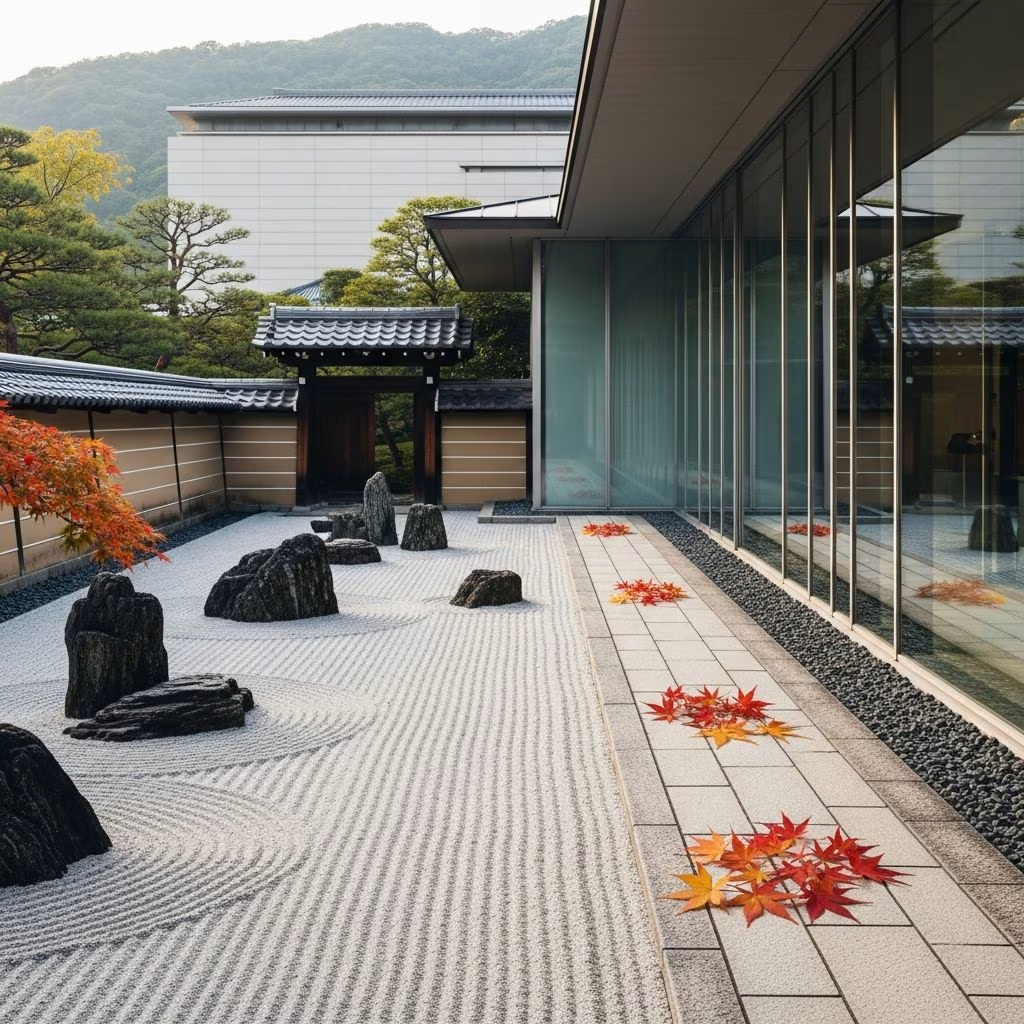
The Kyoto National Museum anchors Kyoto’s cultural scene with its vast collection spanning pre-modern Japanese and Asian art. Established in 1897, it features rotating exhibitions of paintings, textiles, ceramics, lacquerware, calligraphy, and archaeological finds in the modern Heisei Chishinkan wing. Up to 6,000 artifacts may be on view, immersing visitors in Japan’s artistic evolution.
Housed in elegant architecture, the museum’s masterpieces include temple-loaned treasures like scrolls and sculptures, offering context on Kyoto’s role as Japan’s imperial capital for over a millennium. Plan for 2-3 hours to appreciate the depth; special exhibitions often draw crowds, so book tickets online via the official site.
Announced in a grand Meiji-era building, the Museum of Kyoto delves into the city’s multifaceted past. Exhibits cover historical timelines, local crafts, and even the film industry, with works by Kyoto-connected painters and sculptors. It’s a comprehensive portal to urban evolution, blending static displays with multimedia.
Visitors praise its serene atmosphere and detailed English signage, making complex histories accessible. Temporary shows on festivals or architecture add seasonal flair, ideal for understanding Kyoto’s blend of tradition and modernity.
| Feature | Description |
|---|---|
| Building Style | Meiji-period grandeur |
| Key Sections | History, art, cinema heritage |
| Visitor Tip | Combine with nearby Nishiki Market |
Adjacent to the iconic Heian-jingū shrine’s red torii gate, the National Museum of Modern Art occupies a cubic structure by Pritzker winner Maki Fumihiko. It spotlights Kansai-region artists through Japanese paintings, prints, photography, ceramics, and textiles. Rotating shows emphasize local movements, contrasting Kyoto’s ancient temples with 20th-century innovation.
The architecture alone warrants a visit—clean lines frame Okazaki Park views. Ceramics and lacquerware exhibits highlight craft evolution into modern forms, appealing to those bridging traditional and contemporary aesthetics.
The Kyoto Museum of Crafts and Design, aka Fureai-Kan, celebrates living traditions like textiles, pottery, and metalwork. Hands-on workshops let visitors try dyeing or weaving, fostering a tactile connection to artisan skills passed down generations.
Nearby, the Kyoto Prefectural Insho-Domoto Museum of Fine Arts showcases modern paintings and sculptures in a building designed by the titular avant-garde artist, who earned Japan’s Order of Cultural Merits. Its gardens and galleries contrast timeless Kyoto with bold 20th-century expressions.
Opened in 2016, this interactive haven traces Japan’s rail history across three floors. Simulators, real locomotives, uniforms, and ticket machine dissections thrill kids and enthusiasts alike. It’s a rare playful entry in Kyoto’s serious cultural lineup, explaining technological leaps that shaped modern Japan.
Expect crowds on weekends; English audio guides enhance the experience. Pair with nearby Umekoji Park for a full day out.
Beyond majors, Kyoto brims with niche spots. The Hosomi Museum near Okazaki Park displays private art collections in a tranquil setting. The Kyoto City Kyocera Museum of Art, in a renovated classical edifice by Heian-jingū, holds 3,800 Kyoto artist works.
Archaeology fans head to the Kyoto City Archaeological Museum for ancient digs, while the Saga Arashiyama Museum of Arts and Culture explores 13th-century poetry anthologies. Ryozen Museum of History focuses on pivotal eras, and Kawai Kanjiro’s House offers intimate potter’s studio views.
Kyoto’s museums cluster in areas like Okazaki Park (modern art, Hosomi), Higashiyama (National Museum), and near Heian Shrine. Use efficient public transport: buses or JR lines connect most. Most close Mondays; entry fees range ¥600-1,500, with combo tickets available.
| Museum Cluster | Key Sites | Travel Tip |
|---|---|---|
| Okazaki Park | Modern Art, Hosomi | Walkable, near Philosopher’s Path |
| Higashiyama | National Museum, Crafts | Kyoto Station bus hub |
| Arashiyama | Saga Museum, Railway | Sagano Train for scenic ride |
Download apps like Hyperdia for routes. Spring cherry blossoms or autumn foliage elevate outdoor-adjacent visits.
The Kyoto National Museum tops lists for its comprehensive art collection and historical significance.
Some offer free entry on specific dates; check official sites. National holidays may have discounts.
2-3 days for highlights; cluster by neighborhood for efficiency.
Yes, interactive elements and trains make it family-friendly.
National Museum of Modern Art and Insho-Domoto excel here.
These venues preserve Kyoto’s essence amid rapid change, offering tangible links to samurai eras, geisha arts, and imperial splendor. They educate, inspire, and remind us of craftsmanship’s enduring value. Whether solo or guided, a museum crawl reveals layers beyond temples and gardens.
Extend your trip with related sites: Kyoto Imperial Palace for palace artifacts or Samurai Ninja Museum for experiential history. Digital tours on museum sites suit virtual explorers.
