

 Travel Essentials
 Travel Essentials

Discover Liverpool's exceptional museum collections featuring contemporary art, maritime heritage, and cultural institutions ranking among England's finest outside London.
 Travel Essentials
Liverpool stands as a major cultural destination in England, housing an impressive array of museums and galleries that rival those found in larger metropolitan areas. The city’s commitment to preserving and celebrating its rich heritage has resulted in the development of world-class institutions that attract visitors from around the globe. With more museums per capita than most English cities outside London, Liverpool offers an exceptional cultural experience for travelers and locals alike, making it an essential destination for those interested in art, history, and contemporary culture.
The city’s museum sector represents decades of careful curation and investment in cultural infrastructure. Liverpool’s museums collectively tell the story of a city that has played a pivotal role in British maritime history, artistic innovation, and social development. Many of these institutions have undergone significant renovations and expansions in recent years, incorporating modern exhibition techniques while maintaining respect for their historical significance.
The distribution of museums throughout Liverpool means that visitors can experience diverse cultural offerings without extensive travel. Whether interested in fine art, social history, scientific discovery, or specialized collections, Liverpool provides accessible venues that cater to varied interests and age groups.
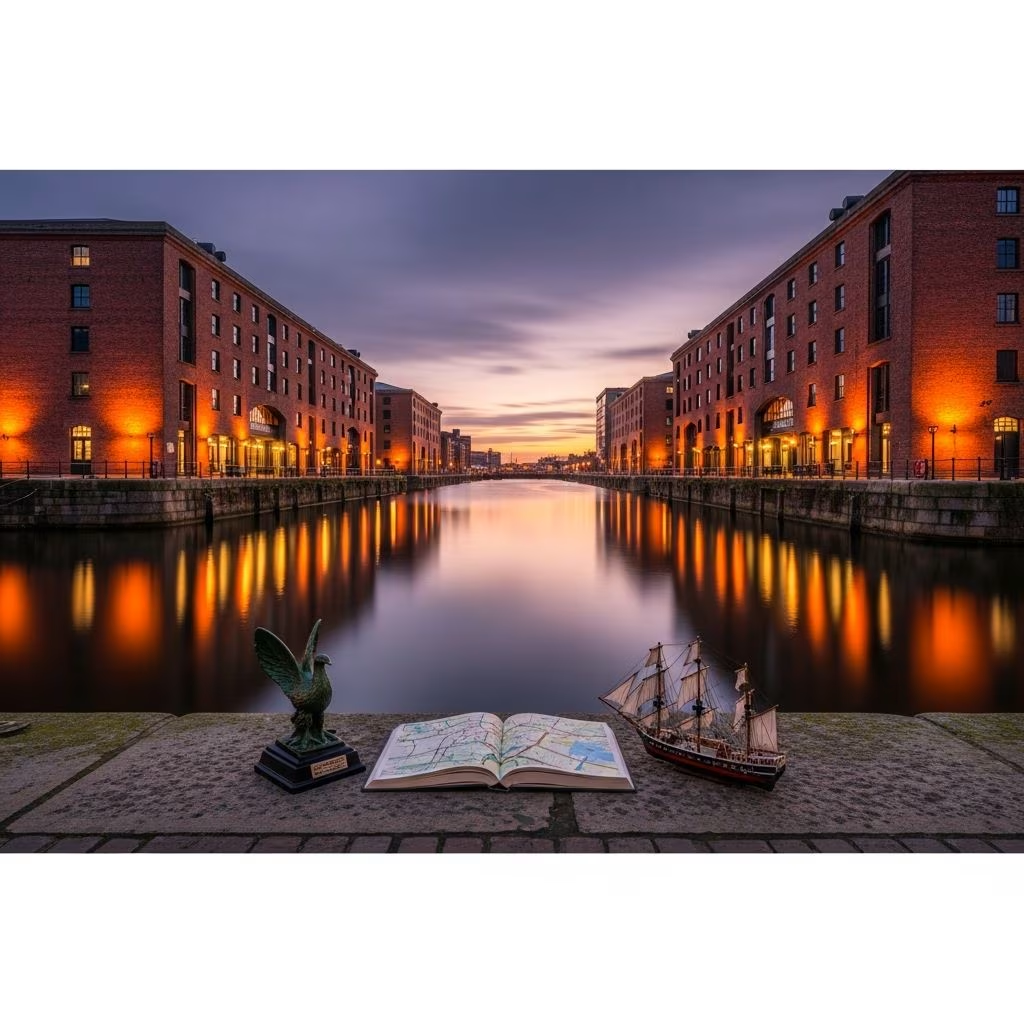
Tate Liverpool represents the northern outpost of the renowned Tate gallery network and occupies a distinctive position in England’s contemporary art landscape. Situated within the Albert Dock complex, this four-story institution operates within a carefully restored historic warehouse, creating an intriguing juxtaposition between industrial heritage and cutting-edge artistic presentation. The gallery’s location within the revitalized dock area adds to its appeal, as visitors can combine their museum experience with waterfront exploration.
This gallery specializes in contemporary and experimental artistic works, providing platforms for both established and emerging artists. The rotating exhibitions ensure that repeat visits reveal fresh perspectives and new artistic conversations. The venue’s architecture itself becomes part of the aesthetic experience, with natural light from its waterfront position illuminating artworks in dynamic ways throughout the day.
The Walker Art Gallery maintains one of England’s most comprehensive art collections outside the capital, housed within a striking Victorian neo-Classical structure. This architectural gem itself deserves attention, with its imposing facades and carefully designed interior spaces creating an atmosphere conducive to artistic appreciation. The building’s proximity to the World Museum creates a natural cultural corridor for visitors seeking multiple artistic experiences in a single day.
The Walker’s collection spans centuries of artistic production, from medieval religious works through Renaissance masterpieces to modern interpretations. The institutional commitment to accessibility includes free admission and family-friendly spaces, making it welcoming to visitors of all ages and backgrounds. The gallery regularly organizes thematic exhibitions that draw connections between historical and contemporary works, encouraging visitors to develop deeper understanding of artistic evolution.
Visitors frequently note the quality of the facility’s amenities, including a well-regarded café and thoughtfully curated gift shop that extends the cultural experience beyond the exhibition halls.
Liverpool’s position as a major maritime center created opportunities for museums dedicated to exploring the city’s naval and commercial history. The Merseyside Maritime Museum documents the development of one of Britain’s most significant ports, illustrating how maritime trade shaped the city’s economic and social development. These exhibitions place personal stories alongside larger historical narratives, helping visitors understand how ordinary people contributed to extraordinary historical events.
The maritime collections showcase artifacts ranging from ship models and navigation instruments to personal effects of sailors and dock workers, creating a multifaceted portrait of seafaring life across different historical periods. The exhibition techniques employed in these institutions have evolved significantly, incorporating interactive elements and multimedia presentations that engage contemporary audiences.
The Museum of Liverpool serves as the city’s primary institution for exploring local history, culture, and identity across multiple time periods. This institution functions as a comprehensive historical archive, examining how Liverpool transformed from a modest settlement into a global cultural and economic force. The museum explores the experiences of diverse populations who shaped the city, including merchants, artists, laborers, and immigrants.
The exhibitions present historical information through varied mediums, incorporating personal narratives alongside documentary evidence. Visitors encounter objects that belonged to notable residents, archival photographs documenting urban development, and interactive displays that encourage critical thinking about historical causation and consequence. The museum’s approach to interpretation acknowledges different perspectives on historical events, presenting nuanced understandings of complex social processes.
The World Museum houses substantial collections related to natural history, scientific discovery, and global cultures. This institution provides educational opportunities for visitors of all ages, presenting information about natural world phenomena through carefully designed exhibitions. The museum’s scientific collections include specimens and artifacts that illuminate biodiversity, geological processes, and human cultural practices across the globe.
The pedagogical approach employed at the World Museum emphasizes experiential learning, allowing visitors to engage with concepts through hands-on activities and carefully curated visual presentations. The institution regularly updates its exhibitions to reflect contemporary scientific understanding while maintaining accessibility for non-specialist audiences.
Liverpool’s role in music history, particularly its contributions to popular music development, generated specialized museum institutions dedicated to musical heritage. The Beatles Story Museum contains one of the world’s most comprehensive collections of materials related to the iconic band, including instruments, personal correspondence, and audiovisual recordings. The museum’s location near the Cavern Club, a historically significant venue in the city’s music scene, connects visitors with the physical spaces where musical innovation occurred.
These music-focused institutions appeal to dedicated enthusiasts and casual visitors alike, providing educational context for understanding how cultural movements emerge from specific geographical locations and historical moments. The collections demonstrate the relationship between artistic creativity, technological development, and broader social changes that characterize the modern music era.
Specialized museums throughout Liverpool address specific historical themes and cultural narratives. The International Slavery Museum, for instance, examines one of the most significant and troubling chapters in British history, exploring Liverpool’s role in the transatlantic slave trade and its lasting consequences. These institutions serve important educational functions, helping visitors understand complex historical realities and their contemporary relevance.
Cultural heritage institutions sometimes occupy non-traditional spaces, including converted historic buildings and artist-led venues that challenge conventional museum formats. These alternative approaches to cultural presentation create dynamic environments where visitors encounter history and art in unexpected ways, potentially generating more memorable and impactful experiences than traditional gallery settings.
Most major Liverpool museums provide free admission, making cultural experiences accessible to visitors with varying budgets. Many institutions operate extended hours accommodating different visitor schedules, with typical opening hours spanning from mid-morning into early evening. Museums generally remain open throughout the week, though individual institutions may observe closure days, typically Mondays at certain venues.
The geographic distribution of museums means visitors can create customized itineraries based on personal interests. Those preferring concentrated experiences might focus on the Albert Dock area, where multiple institutions operate in proximity. Alternatively, visitors might spread visits across several days, alternating museum time with other activities such as waterfront exploration or dining experiences.
Major museums in Liverpool incorporate family-friendly amenities and programming, making them welcoming to visitors with children. Dedicated spaces for younger visitors, interactive exhibitions designed for multiple age levels, and café facilities supporting extended visits characterize these institutions. Many museums offer special programming including guided tours, workshops, and educational activities targeting family groups.
The combination of free admission and family-focused design makes Liverpool’s museums particularly accessible to families with various budgets, potentially encouraging repeated visits and long-term engagement with cultural institutions.
Liverpool’s museums regularly host special exhibitions featuring internationally significant artworks and collections. Recent years have witnessed exhibitions of major historical importance, including significant contemporary art presentations and historical artifact displays that attract international attention. This dynamic exhibition schedule means that museum experiences vary depending on visiting timing, encouraging repeat visits to encounter new presentations of collections and spaces.
The curatorial approach embraced by Liverpool institutions emphasizes thematic connections between historical periods and contemporary concerns, helping visitors develop nuanced understandings of how past events inform present-day realities. This interpretive framework transforms museums from passive repositories into active sites of learning and intellectual engagement.
Liverpool’s museum sector operates within a larger cultural ecosystem that includes performance venues, galleries, arts centers, and creative organizations. Understanding museums as part of this broader cultural landscape enriches individual visit experiences, as visitors encounter interconnections between visual arts, performing arts, popular culture, and social history. The city’s cultural institutions collectively create an environment that celebrates human creativity and historical understanding.
Most major museums in Liverpool, including the Walker Art Gallery, World Museum, and Museum of Liverpool, offer free general admission. Some special exhibitions may require separate tickets, and prices vary depending on the specific exhibition and institution.
Visitors should consider clustering museums by geographic location to minimize travel time. The Albert Dock area concentrates several institutions, while others are distributed throughout the city center. Planning visits according to opening hours and personal interest areas helps optimize the experience.
The Walker Art Gallery, World Museum, and Museum of Liverpool all incorporate family-friendly features including dedicated children’s spaces and interactive exhibitions. The Beatles Story Museum appeals to families interested in music history, though specific exhibits may vary in age-appropriateness.
Time requirements vary based on individual interests and pacing preferences. A brief overview might require 1-2 hours, while thorough exploration of comprehensive institutions could extend to 3-4 hours or more. Many visitors benefit from planning multiple shorter visits rather than attempting comprehensive exploration in single sessions.
