

 Travel Essentials
 Travel Essentials

Discover Nashville’s best parks, trails, and green spaces—from iconic Centennial Park to scenic Warner Parks—plus tips for every kind of visitor.
 Travel Essentials
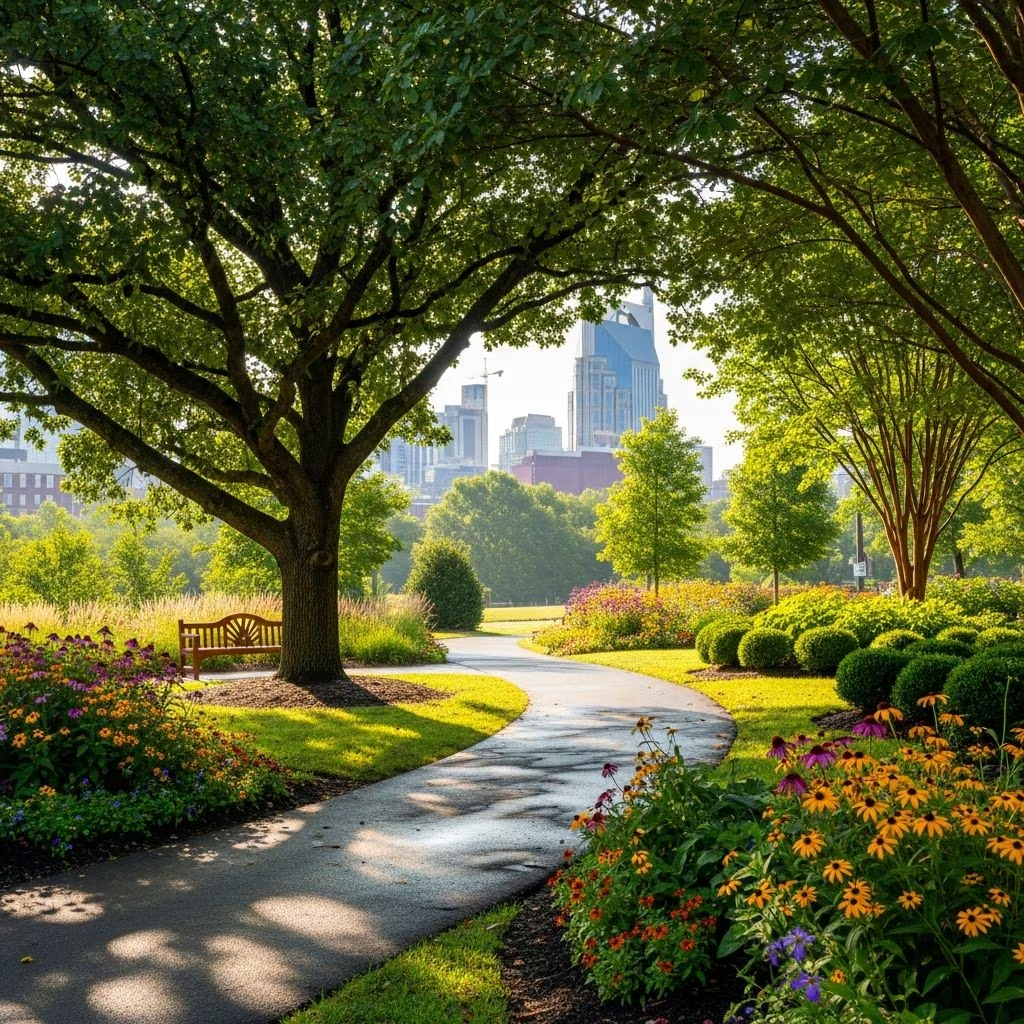
Nashville’s landscape is defined by its relationship with the natural world. Positioned along the Cumberland River and surrounded by rolling hills, the city has cultivated an impressive network of parks and green spaces that serve as vital recreational hubs for residents and visitors alike. These outdoor destinations range from historic landmarks to recently reimagined waterfront areas, each offering distinct experiences that showcase why Nashville has earned its reputation as a city deeply connected to nature.
Nashville’s commitment to preserving green space extends back more than a century. The city’s park system reflects both historical preservation and modern urban planning, with several notable spaces bearing witness to significant moments in American history. Many of these parks were established during pivotal periods of the city’s development, transforming former industrial or agricultural lands into cherished community gathering spaces.
The evolution of Nashville’s parks demonstrates how the city has adapted its outdoor spaces to meet changing community needs. From early racetrack grounds to contemporary mixed-use developments, each park tells a unique story about Nashville’s past and its vision for the future. This historical continuity has helped establish parks as essential components of the city’s cultural identity.
Nashville features numerous parks catering to different interests and age groups. Understanding the distinct characteristics of each major park helps visitors and residents choose destinations that match their preferences and needs.
| Park Name | Size & Location | Primary Features | Best For |
|---|---|---|---|
| Centennial Park | 132 acres near downtown | Scenic lake trail, Parthenon landmark, sunken gardens | Walking, photography, picnicking |
| Fannie Mae Dees Park | 6.5 acres, river proximity | Mosaic dragon sculpture, climbing wall, sprayground | Families with children, art appreciation |
| Bicentennial Capitol Mall | 19 acres downtown | Capitol views, farmers market access, event spaces | Urban strolling, cultural events |
| Warner Parks | Multiple tracts with extensive trails | Wooded hiking paths, horse routes, picnic areas | Hiking, horseback riding, nature exploration |
| Bells Bend | Large conservation area | Natural habitat preservation, trail systems | Serious hikers, wildlife observation |
This expansive 132-acre park represents one of Nashville’s most iconic outdoor destinations. The park’s origins trace back to its selection as the venue for the 1897 Centennial Exposition, marking a pivotal moment in the city’s development. The presence of the Parthenon, a full-scale replica of the ancient Greek temple, creates a distinctive visual anchor that dominates the park’s western horizon.
The park’s layout encourages varied recreational activities. An accessible one-mile loop trail circumnavigates a pristine lake, providing both exercise and scenic enjoyment. The expansive lawns invite picnicking and casual recreation, while seasonal features such as the sunken gardens attract visitors year-round. Spring visitors particularly appreciate the gardens’ vibrant displays, making this season optimal for photography enthusiasts.
Known informally as “Dragon Park,” this 6.5-acre riverside destination has become a beloved neighborhood fixture. The park’s centerpiece is a remarkable mosaic-tiled serpent sculpture created by Chilean artist Pedro Silva in 1980, with assistance from approximately 1,000 community volunteers. This artistic collaboration transformed a simple public space into an iconic symbol of neighborhood identity and creative expression.
Beyond its artistic appeal, the park offers substantial recreational infrastructure. Climbing walls provide physical challenge for visitors of varying ages, while innovative play areas such as the washboard-themed installations encourage creative interaction. Summer months bring additional appeal through the park’s sprayground, offering relief during Tennessee’s warm season. The adjacent 3.5-mile East Bank Greenway extends recreational possibilities along the river’s eastern bank, connecting this park to broader trail systems throughout the city.
This downtown-adjacent 19-acre park functions as the city’s central green space, serving both aesthetic and practical purposes. Positioned north of the Tennessee State Capitol, the park offers unparalleled views of the building’s distinctive white antebellum architecture, making it a frequent backdrop for official city events and celebrations.
The park’s strategic location near the Nashville Farmers Market creates a natural gathering point for weekend activities. Its role as a host venue for significant civic events, including the city’s New Year’s Eve celebrations, underscores its importance to the community. The landscaping and pathways throughout the space encourage leisurely exploration while maintaining the park’s role as a dignified civic space.
Established in 1927, the Warner Parks system consists of two distinct parcels named after local park commissioners Percy and Edwin Warner. These parks represent a commitment to preserving substantial natural areas within an increasingly developed urban environment.
Percy Warner Park, the larger of the two, creates a grand first impression with its prominent entrance stairway leading to multiple trailheads and bike paths. Both parks offer extensive hiking opportunities across wooded terrain, as well as equestrian facilities for horseback riding. The varied topography and natural vegetation preserve the parks’ ecological value while providing recreational diversity for different visitor preferences.
This expansive park represents Nashville’s commitment to environmental conservation. Part of a larger conservation corridor that forms an arc through multiple park areas, Bells Bend preserves natural habitat while providing trail systems for visitor access. The park’s role within Nashville’s broader green infrastructure demonstrates the city’s strategic approach to balancing development with environmental protection.
Nashville’s parks system includes numerous facilities designed specifically for water recreation. Spraygrounds scattered throughout the city provide cool relief during summer months, making parks accessible during the warmest seasons. These facilities range from simple splash pads to more elaborate interactive water play structures, ensuring options for different age groups and comfort levels.
The city offers extensive trail systems suitable for various fitness levels and interests:
Nashville’s parks frequently serve as galleries for public art installations. The mosaic dragon sculpture exemplifies how artistic expression can become integrated into recreational spaces, transforming parks into cultural destinations that celebrate both natural beauty and creative achievement.
Nashville’s commitment to green space expansion remains strong. The city’s Open Space Plan establishes ambitious goals for parkland addition, targeting the creation of substantial new acreage over the coming decades. Strategic objectives include expanding downtown parks, increasing tree canopy coverage, and establishing additional conservation areas.
Recent initiatives demonstrate this commitment in action. Contemporary projects like Frankie Pierce Park in the Capitol View neighborhood exemplify how new development can incorporate significant green space as integral components rather than afterthoughts. This mixed-use approach ensures that expansion and conservation advance simultaneously.
Each season offers distinct advantages for park visitation. Spring brings vibrant garden displays and comfortable temperatures ideal for outdoor activities. Summer provides maximum daylight hours and active programming but requires preparation for heat. Fall offers pleasant weather and spectacular foliage, particularly in wooded parks. Winter creates quieter environments perfect for contemplative walks, though some water features may be inactive.
Most major Nashville parks offer basic amenities including parking, restrooms, and picnic facilities. Many feature paved paths suitable for visitors with mobility challenges. Specific accessibility features vary by location, so advance research helps ensure parks meet individual needs.
| Interest Area | Recommended Parks | Key Features |
|---|---|---|
| Family Recreation | Fannie Mae Dees, Bicentennial Capitol Mall | Play structures, spraygrounds, accessible trails |
| Serious Hiking | Warner Parks, Bells Bend | Extensive trail networks, natural terrain |
| Casual Walking | Centennial Park, Bicentennial Capitol Mall | Short loops, well-maintained paths |
| Photography | Centennial Park, Fannie Mae Dees | Scenic views, iconic structures, artistic installations |
| Water Activities | Cumberland Park area, designated spraygrounds | River access, water play facilities |
Beyond recreational value, parks provide essential environmental services. Green spaces moderate urban temperatures, improve air quality, manage stormwater, and preserve native habitat. Nashville’s park system represents an investment in both human wellbeing and environmental sustainability, recognizing that these objectives are fundamentally interconnected.
The network of parks and conservation areas creates ecological corridors that protect biodiversity while enhancing quality of life for residents and visitors. This integrated approach to urban planning reflects understanding that thriving cities require healthy natural environments alongside cultural and economic vitality.
Spring and fall offer ideal conditions with comfortable temperatures and minimal precipitation. Summer requires early morning visits to avoid heat, while winter provides quieter experiences with fewer crowds.
Yes, many parks feature designated play areas, spraygrounds, and shorter walking paths. Fannie Mae Dees Park and areas near downtown are particularly well-equipped for families with young children.
Most parks permit leashed dogs in designated areas. Specific pet policies vary by location, so checking with individual parks before visiting ensures compliance with current regulations.
Most parks offer free access to basic recreational areas. Some specialized facilities or organized events may include fees, which parks publicize through official channels.
Trail networks range from short one-mile loops to extensive multi-mile routes. The combined system spans dozens of miles, accommodating everything from casual strolls to serious hiking expeditions.
Nashville’s parks system represents the city’s commitment to preserving natural beauty while accommodating urban growth. From historic landmarks like Centennial Park to contemporary developments like Frankie Pierce Park, each space contributes to a comprehensive network of outdoor destinations. Whether visitors seek artistic expression, physical recreation, natural contemplation, or family activities, Nashville’s parks offer diverse experiences within accessible, well-maintained environments. This commitment to green space ensures that Music City remains not only culturally vibrant but also environmentally sustainable for generations to come.
