

 Travel Essentials
 Travel Essentials

Discover the surprising underwater side of U.S. national parks, from alpine lakes and shipwrecks to vibrant marine ecosystems.
 Travel Essentials
Beyond the forested trails and mountain vistas that draw millions of visitors annually, America’s national parks conceal an extraordinary realm beneath the surface. The underwater landscapes protected within these parks offer some of the most distinctive diving experiences available in the United States, ranging from serene freshwater lakes nestled in mountain valleys to thriving marine ecosystems teeming with diverse wildlife. Many diving enthusiasts overlook these hidden aquatic treasures, focusing instead on more popular coastal destinations, yet national park diving provides exceptional opportunities to explore pristine environments with fewer crowds and often at reduced costs compared to commercial dive operations.
High-altitude freshwater lakes present a unique diving frontier that attracts experienced underwater explorers seeking something genuinely different. These mountain reservoirs offer crystalline waters and remarkable geological formations that create surreal underwater landscapes. The experience combines the technical challenges of altitude and cold-water diving with the meditative beauty of submerged forests and ancient geological structures.
Lakes situated at elevations exceeding 3,000 feet require divers to possess specialized training and experience. The reduced atmospheric pressure at altitude affects nitrogen loading in the body, necessitating modified decompression protocols. Additionally, water temperatures in these mountain environments typically range from frigid at depth to merely cool at the surface, demanding proper thermal protection and comprehensive preparation.
Several mountain parks feature exceptional diving opportunities characterized by remarkable visibility and distinctive underwater geography. Ancient submerged trees create an otherworldly forest environment, while human artifacts—including vessels deliberately sunk decades ago and farm equipment scattered across lakebeds—provide historical context and visual intrigue. These sites attract intermediate to advanced divers seeking challenges that extend beyond typical recreational diving parameters.
Mountain lake diving demands respect for environmental conditions and personal limitations. Divers venturing into these waters must understand how altitude affects their physiology and adjust their dive planning accordingly. The combination of cold temperatures and altitude creates a specialized diving discipline that separates casual recreational divers from serious underwater explorers.
One prominent alpine destination features multiple dive sites within a single park system, including locations where recreational divers can explore underwater gorges and observe native fish species in their natural habitat. Crystal-clear water conditions often provide visibility exceeding 100 feet, allowing divers to appreciate the geological features and submerged landscape in remarkable detail. The absence of crowds characteristic of commercial dive operations creates a peaceful, immersive experience that many divers describe as transformative.
Jenny Lake represents a quieter alternative to more famous diving destinations, offering tranquility and natural beauty without the development and tourism infrastructure that characterize popular vacation spots. The lake’s shallow areas accommodate newer divers, while deeper sections challenge experienced underwater explorers. Equipment rental and air-fill services support day trips for visitors seeking spontaneous aquatic adventures.
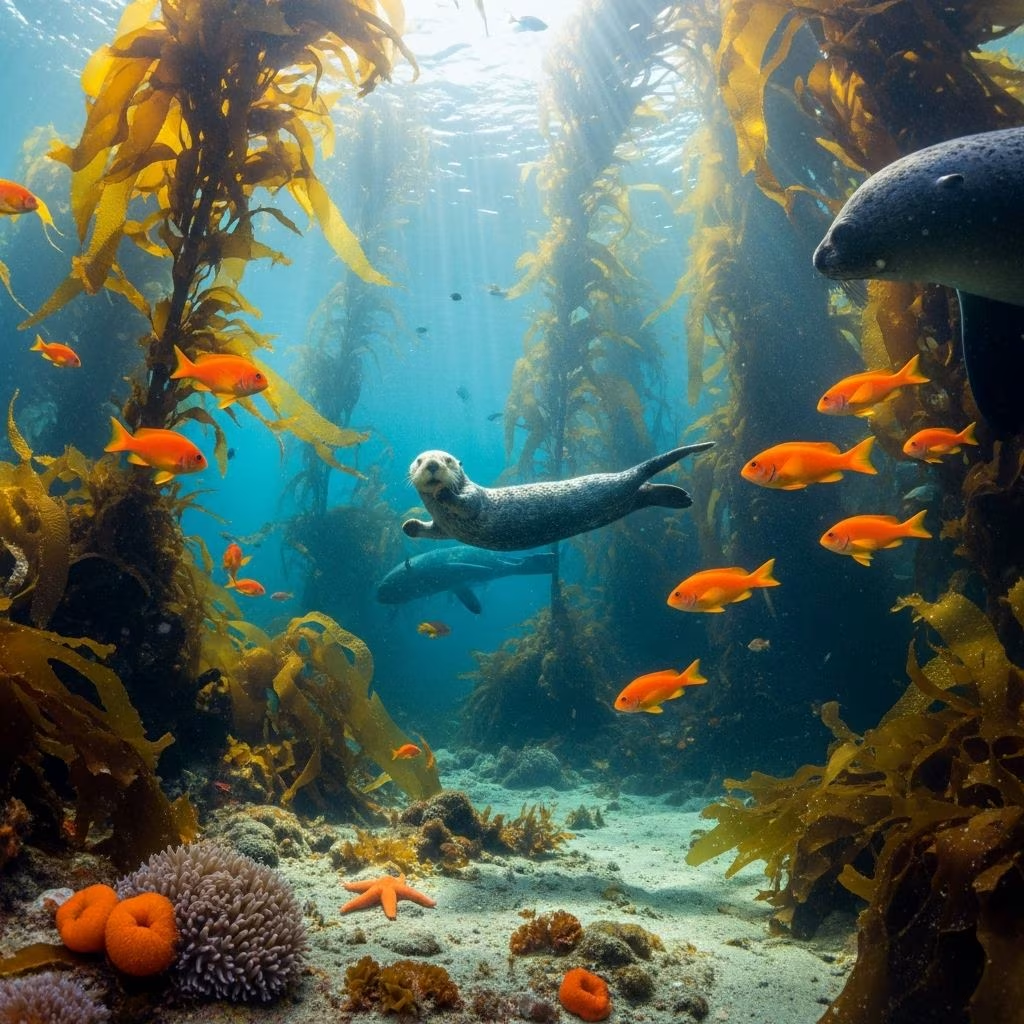
National parks situated along America’s coastlines protect diverse marine ecosystems featuring coral formations, kelp forests, and abundant wildlife. Coastal diving within protected park boundaries offers encounters with marine species in their natural habitats while supporting conservation efforts through regulated access and visitor education.
Cold-water coastal environments support unique ecosystems distinct from tropical diving destinations. Temperate waters nurture kelp forests, anemone gardens, and rocky reefs that provide habitat for diverse fish species, eels, and crustaceans. These environments require different diving techniques and thermal protection compared to warm-water diving, yet they offer rich biodiversity and dramatic topography that rivals any tropical destination.
Coastal parks frequently feature multiple diving environments within close proximity, allowing visitors to experience varied underwater landscapes during a single visit. Shore-entry dives accommodate divers without access to specialized boats, while deeper water-entry sites support advanced exploration of underwater formations. The combination of accessibility and depth diversity creates opportunities for all skill levels to participate in marine exploration.
Beneath the waters of certain national parks lie tangible connections to human history—vessels deliberately scuttled more than a century ago that have transformed into artificial reef systems supporting thriving marine communities. These submerged artifacts provide both archaeological interest and thriving habitat for marine organisms, creating unique diving experiences that blend historical exploration with environmental observation.
Paddle-wheelers and other historic vessels sunk during the early twentieth century now rest at depths accessible to experienced recreational divers. The transition from human artifact to marine ecosystem creates layered diving experiences where divers simultaneously appreciate historical significance and contemporary ecological value. These wreck dives demand proper training and respect for the artifacts’ preservation, as they constitute irreplaceable historical records.
Freshwater environments present distinct challenges and rewards compared to saltwater diving. Density differences require equipment adjustments, while visibility conditions vary dramatically based on seasonal water circulation and weather patterns. Many freshwater locations feature dramatic topography, including underwater gorges, submerged ravines, and geological formations created over millions of years.
Freshwater diving supports unique ecosystems featuring fish species and aquatic life adapted specifically to these environments. Native species including various sculpins, trout, and crayfish create vibrant underwater communities, while the absence of salt introduces different chemical conditions that affect equipment maintenance and post-dive procedures. The contrast between saltwater and freshwater diving creates valuable experiences for divers seeking to develop comprehensive underwater skills.
Coastal national parks protect marine environments supporting exceptional biodiversity, including opportunities to encounter marine mammals, colorful fish species, and delicate coral formations. These protected waters prohibit extractive activities and commercial exploitation, preserving marine communities in relatively undisturbed states.
Divers exploring marine national parks frequently encounter sea lions, elephant seals, and other marine mammals in their natural habitat. The absence of commercial fishing and hunting within park boundaries allows marine populations to thrive and exhibit natural behaviors. Reef systems within protected areas feature elaborate coral structures supporting dense fish populations and diverse invertebrate communities.
National park diving opportunities vary significantly with seasonal weather patterns and water conditions. Understanding seasonal variations allows divers to plan visits during optimal conditions for their specific destinations and experience levels.
Different national park diving destinations demand varying levels of experience and specialized certifications. Understanding prerequisite skills prevents unsafe situations and enhances the diving experience through appropriate challenge levels.
| Destination Type | Minimum Experience | Specialized Training | Physical Demands |
|---|---|---|---|
| Mountain Lakes (High Altitude) | Intermediate to Advanced | Altitude diving certification required | High—Cold water and technical diving |
| Cold Saltwater Coastal | Intermediate to Advanced | Cold water certification recommended | Moderate to High—Thermal protection essential |
| Temperate Freshwater | Beginning to Intermediate | Basic certification sufficient | Low to Moderate—Accessible entry points |
| Wreck Diving Sites | Advanced | Wreck diving specialty required | High—Penetration and navigation skills |
| Tropical Marine Parks | Beginning to Intermediate | Basic certification sufficient | Low—Comfortable water conditions |
Successful national park diving experiences require careful planning, appropriate equipment preparation, and realistic assessment of personal capabilities. Begin by researching specific destinations to understand environmental conditions, required certifications, and seasonal factors affecting your visit.
Locate nearby dive shops offering equipment rentals, air fills, and guided services. Many parks lack on-site commercial diving infrastructure, requiring divers to arrange logistics through external providers located within reasonable driving distances. Contacting park visitor centers directly provides current information regarding diving regulations, access points, and any restrictions affecting diving activities.
Ensure your certifications remain current and appropriate for intended diving environments. Specialized training for altitude, cold water, or wreck diving should be completed before visiting destinations requiring these competencies. Budget adequate time for skill refreshers if substantial periods have elapsed since previous diving experiences.
Different national park environments require distinct equipment configurations and material choices. Cold freshwater diving demands exposure protection ranging from thick wetsuits to drysuits depending on temperature ranges. Alpine locations necessitate reliable regulators functioning optimally in frigid conditions and maintaining performance under altitude pressure variations.
Saltwater environments create corrosion concerns requiring equipment manufactured from appropriate materials and necessitating thorough freshwater rinses after diving. The absence of facilities for equipment cleaning at remote park locations may require divers to manage post-dive maintenance independently. Bringing specialized gear for post-dive rinses—including portable freshwater containers and soft brushes—prevents damage to expensive equipment.
Diving within national parks carries implicit responsibility to support conservation objectives and protect the ecosystems divers explore. Following established park guidelines, respecting wildlife, and minimizing environmental impact ensure these environments remain pristine for future generations of divers and park visitors.
Avoid touching coral formations, disturbing marine life, or removing artifacts or natural objects from park waters. Maintain neutral buoyancy to prevent accidental contact with underwater features. Report any observations of environmental damage, marine wildlife distress, or illegal activities to park authorities. Supporting these protected areas through admission fees and permitted diving activities funds ongoing conservation work.
Q: Do I need specialized certifications for all national park diving?
A: Requirements vary by location. Tropical marine parks typically accept basic recreational certifications, while mountain lakes and cold-water coastal sites demand advanced certifications and specialized training. Research your specific destination to determine required qualifications.
Q: What is the average cost of diving in national parks?
A: Costs vary dramatically based on location, equipment rental needs, and whether guided services are utilized. Park admission fees range from free to $35, while guided dives typically cost $75–$200 and equipment rentals run $50–$150 daily.
Q: Can beginners dive in national parks?
A: Many parks welcome recently certified divers, particularly freshwater locations and tropical marine areas. However, alpine and cold-water destinations require advanced experience and specialized training unsuitable for beginners.
Q: What wildlife might I encounter while diving in national parks?
A: Wildlife varies by location—alpine lakes feature native fish species, coastal sites include marine mammals and diverse fish populations, while tropical parks support vibrant coral reef communities. Environmental conditions determine specific fauna present.
Q: Are diving services available within national parks?
A: Most parks lack on-site commercial diving operations. Divers must arrange equipment rentals and air fills through external providers located nearby. Research logistics before planning visits to remote locations.
