

 Travel Essentials
 Travel Essentials

Discover scuba diving in U.S. national parks, from geothermal lakes and shipwrecks to coral reefs, kelp forests, and remote fjords.
 Travel Essentials
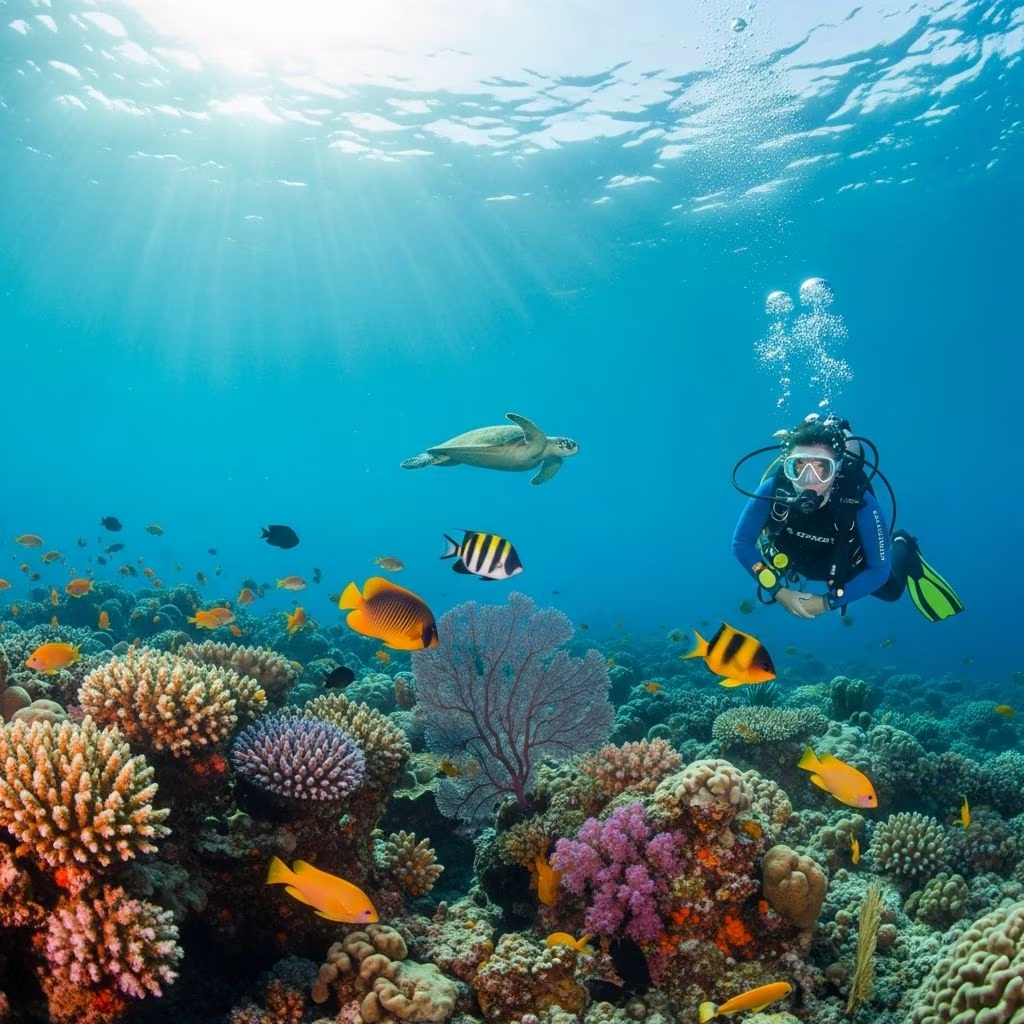
America’s national parks protect iconic landscapes above and below the waterline. While mountain trails and wildlife safaris draw crowds, scuba diving reveals submerged ecosystems teeming with life, history, and geology. From frigid high-altitude lakes bubbling with geothermal activity to tropical coral reefs alive with fish, these parks offer diverse aquatic adventures for certified divers.
Scuba diving in national parks combines pristine natural beauty with minimal human impact. Nearly all 61 parks with significant water areas permit diving, though regulations vary. These sites boast exceptional visibility, unique biodiversity, and historical artifacts like sunken ships and old machinery. Divers enjoy fewer crowds than popular ocean destinations, plus opportunities to spot endemic species and geological wonders. Parks like Biscayne and Dry Tortugas are renowned for reefs, but lesser-known spots in inland parks surprise with freshwater dives amid stunning scenery.
Inland parks challenge divers with cold, clear waters revealing forests, wrecks, and thermal features. Drysuits and altitude training are often essential.
Yellowstone Lake, at 7,733 feet elevation, spans 125 square miles with depths to 390 feet. Divers navigate scalding vents and bubble fields in areas like West Thumb Geyser Basin and Mary Bay, where rising gases create a champagne-like effect. Water temps swing from near-freezing to hot near spires. Permits required; technical skills advised for depth and currents.
Lake McDonald and Saint Mary Lake host eerie underwater museums. Lake Treasures features century-old farm tools on the silty bottom near a submerged dock. Sprague Creek mimics an underwater forest, while Upper Waterton Lake hides the 100-foot paddle-wheeler Gertrude, scuttled in 1918. Viz exceeds 100 feet in summer; temps drop to 40°F at depth. Altitude diving certification recommended.
Jenny Lake’s gin-clear waters shelter ancient tree stands and trout schools. Once popular in the 1980s, it’s now a quiet gem. Shore access via canoe rentals from the park’s boating center. Expect sculpins, suckers, and chubs amid rocky bottoms. Best June-October; wetsuits suffice for shallow dives.
Lake Crescent offers 150-foot visibility with giant crayfish and sculpins. No park facilities for rinsing gear post-saltwater dives, so freshwater dips double as cleanup. Surrounding Hood Canal provides anemone-covered walls and wolf eels. June-October ideal; Strait Scuba offers guided trips.
| Park | Key Site | Depth Range | Water Temp (°F) | Marine Life |
|---|---|---|---|---|
| Yellowstone | Mary Bay | 20-100 ft | 35-50 | Bubbles, thermals |
| Glacier | Lake McDonald | 30-120 ft | 40-60 | Wrecks, tools |
| Grand Teton | Jenny Lake | 10-60 ft | 45-55 | Trout, trees |
| Olympic | Lake Crescent | 20-80 ft | 45-50 | Crayfish, sculpins |
Coastal parks deliver classic ocean diving with kelp forests, pinnipeds, and reefs. Boat or shore entries available; marine life abounds.
Off California, five islands host sea lions, elephant seals, and garibaldi fish amid swaying kelp. Sites like Reading Rock feature walls and ledges; sharks occasionally patrol. Wilson Creek Beach allows calm-day shore dives. Redwood-adjacent areas blend forest hikes with ocean plunges.
95% underwater, this Florida park guards the third-largest US reef system. Dive colorful corals, seagrass, and historic wrecks south of Miami. Invasive lionfish hunts add purpose. Warm, clear waters year-round; beginner-friendly with guides.
70 miles west of Key West, vibrant reefs surround Fort Jefferson. Moray eels, sweepers, and sponges thrive. Night dives reveal glowing corals. Boat access only; advanced navigation skills for currents.
Alaska’s icy fjords hide anemones and marine mammals below snowy peaks. Cold waters demand drysuits; glacial silt can reduce viz. Summer charters explore walls and drop-offs.
Lake Superior’s sea caves and pebble berms teem with life. Steep walls suit intermediate divers; remote Schoodic-like areas invite pioneering.
Cold-water parks require drysuits, hoods, gloves, and thick neoprene. Freshwater sites demand altitude computers; saltwater needs reef-safe sunscreen and SMBs. Always check NPS permits—many ban spearfishing, limit tank fills.
Book charters early for remote sites; combine with hiking for multi-day itineraries. Monitor weather—summer maximizes viz. Budget for park fees ($35/vehicle) plus air fills ($10-15). Women veterans find therapeutic benefits via programs like Sea Sisters.
Most parks require free backcountry permits; check NPS sites for specifics. No permit needed for day-use in many areas.
June-September for northern parks; year-round in Florida keys. Avoid winter closures.
Limited; nearby operators like those in Port Angeles or Jackson provide rentals and fills.
Shore entries suit novices; wrecks and depths demand experience.
Yes in many parks; enhances bioluminescence and critter activity.
Divers aid parks by removing invasives and monitoring habitats. Programs like Dive Your Park promote stewardship. Respect no-trace principles to preserve these underwater treasures for future explorers.
