

 Travel Essentials
 Travel Essentials

Explore the best national parks in Colombia, featuring Tayrona beaches, Los Nevados volcanoes, Cocuy mountains, and more for hiking, wildlife, and eco-tourism.
 Travel Essentials
Colombia boasts over 60 national parks, safeguarding diverse ecosystems from Caribbean shores to towering Andes and dense Amazon rainforests. These protected areas offer hikers, wildlife enthusiasts, and eco-tourists unparalleled opportunities to witness biodiversity hotspots, ancient geological formations, and indigenous cultural heritage. This guide highlights standout parks, detailing their unique attractions, activities, and practical advice for visitors planning immersive nature escapes.
Colombia’s Caribbean and Pacific coasts host parks blending pristine sands, coral reefs, and lush jungles, perfect for beach lounging, snorkeling, and forest treks.
Nestled where the Sierra Nevada de Santa Marta meets the Caribbean Sea, Tayrona spans 15,000 hectares of land and sea, renowned for its dramatic rock formations, turquoise waters, and white-sand beaches like Playa Arrecifes and Cabo San Juan. Visitors hike through dense rainforest teeming with monkeys, birds, and howler calls, reaching secluded coves ideal for swimming. The park’s cultural significance ties to the indigenous Tayrona people, with archaeological sites adding historical depth.
This archipelago of 27 islands off Cartagena features crystal-clear waters, mangroves, and vibrant reefs hosting dolphins, turtles, and colorful fish. Ideal for day trips from the city, it offers snorkeling tours, birdwatching, and beach relaxation on Isla Barú. The park protects fragile marine habitats vital for regional biodiversity.
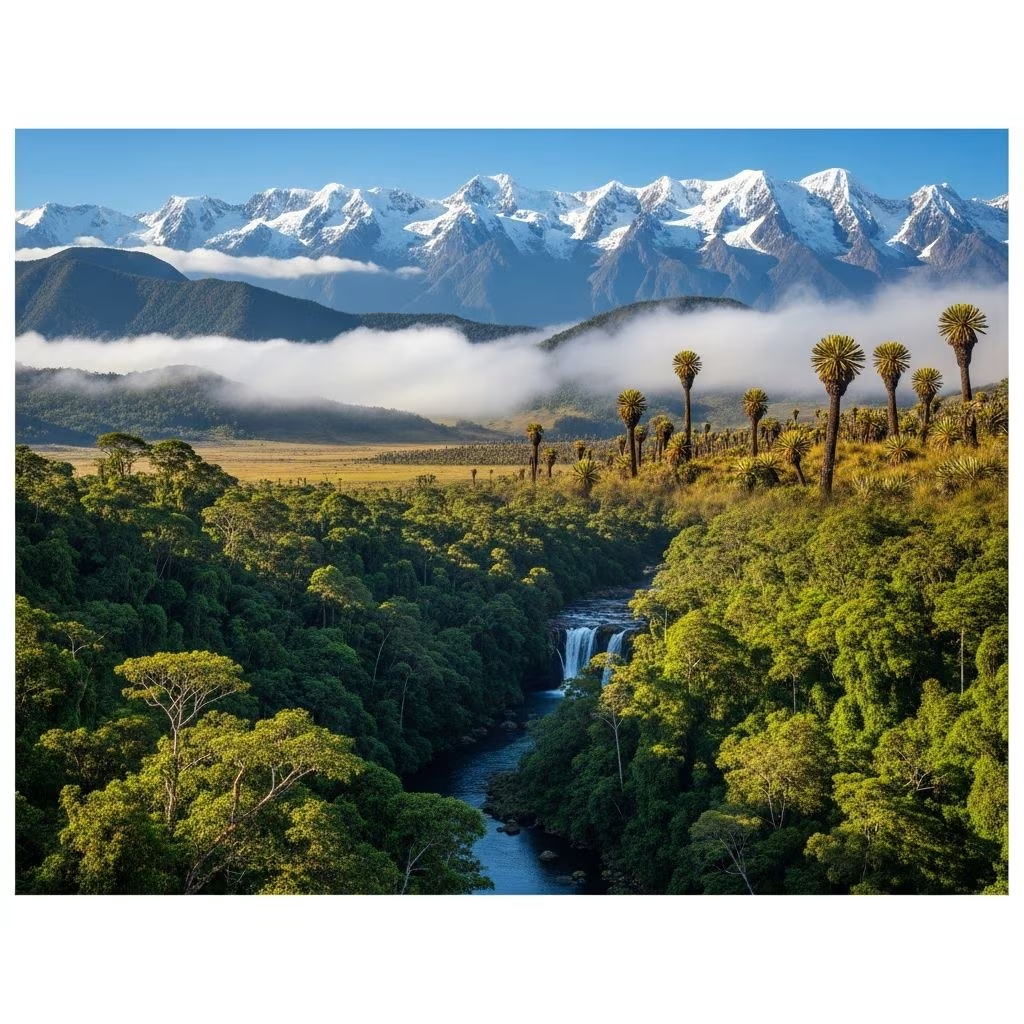
The Andes dominate central Colombia with high-altitude parks featuring snow-capped volcanoes, alpine lakes, and unique páramo ecosystems—highland moors with frailejón plants and condors.
Straddling Quindío, Risaralda, and Tolima departments, this park rises to over 5,300 meters at Nevado del Ruiz volcano, an active giant surrounded by glaciers, hot springs, and cloud forests. Hikers tackle routes to paramillo viewpoints or Ruiz crater, spotting spectacled bears and Andean condors. The Eje Cafetero coffee region borders provide scenic drives in.
| Trail Difficulty | Duration | Highlights |
|---|---|---|
| Easy | 2-4 hours | Valle de Cocora palms, waterfalls |
| Moderate | 1 day | Paramo lakes, frailejones |
| Challenging | 2-3 days | Nevado summits, volcanic views |
In Boyacá and Casanare, this remote park shelters Colombia’s highest peaks outside the volcanoes, including Ritacuba Blanco at 5,330 meters. Glaciers, turquoise lagoons, and frailejón-dotted páramos draw expert hikers for multi-day treks. Indigenous U’wa guardians emphasize sustainable tourism here.
Near Bogotá, Chingaza protects high Andean forests and páramos, home to Andean bears, tapirs, and over 400 bird species. Trails lead to Laguna de Chingaza and Embalse de Chisacá, reservoirs supplying the capital’s water. Muisca indigenous legacy infuses hikes with cultural narratives.
Southern and eastern parks reveal Colombia’s wild interiors, from rainforest canopies to desert oases.
Deep in Amazonas department, this 293,000-hectare reserve pulses with life: jaguars, pink dolphins, giant otters, and 500+ bird species. Canopy walkways, night hikes, and river boat safaris unveil the rainforest’s layers. Community-led ecotourism supports Ticuna indigenous groups.
La Guajira’s arid peninsula hides Macuira’s lush valleys amid cacti and dunes, with Wayuu indigenous communities offering cultural insights. Rare birds and unique flora thrive in this transition zone between desert and Caribbean.
In Meta department, this park frames Caño Cristales, where Macarenia clavigera plants paint the riverbed in vivid reds, greens, yellows, blues, and blacks during July-November rains. Jungle treks reveal petroglyphs and diverse forests; access limited to protect fragility.
Off Narino coast, this former penal colony island is a diver’s dream with whale sharks, humpbacks, and pristine reefs. Trails through humid forests spot howler monkeys and endemic frogs; strict visitor caps preserve its isolation.
To maximize enjoyment and minimize impact:
Tayrona attracts over 500,000 visitors yearly for its beaches and accessibility.
Yes, with guided groups; avoid off-trail solo hikes in remote areas like Cocuy.
Dry season December-March for Los Nevados and Cocuy to avoid storms.
Designated zones only; eco-cabins preferred in Tayrona and Amacayacu.
Fly to gateways like Leticia (Amazon) or hire 4×4 for Cocuy; domestic flights essential.
Post-conflict stability and improved infrastructure make these parks more accessible than ever. From Tayrona’s shores to Cocuy’s summits, they embody Colombia’s motto as the “Country of Beauty,” preserving 10% of global biodiversity. Plan responsibly to experience this natural wealth firsthand.
