

 Travel Essentials
 Travel Essentials

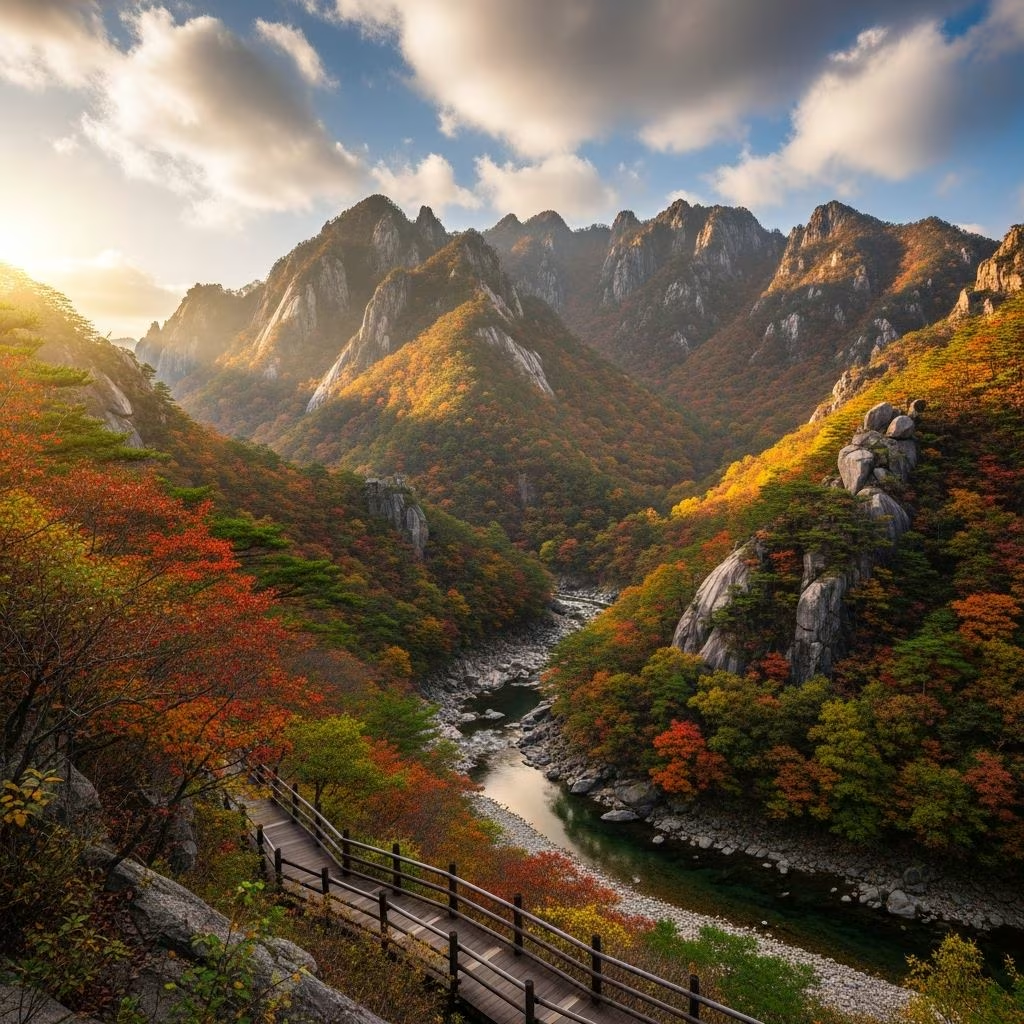
Explore South Korea's premier national parks featuring ancient mountains, coastal ecosystems, and historical landmarks across diverse regions.
 Travel Essentials
South Korea’s national park system preserves some of East Asia’s most striking natural landscapes and culturally significant environments. From towering granite peaks to serene coastal archipelagos, these protected areas offer visitors opportunities to experience the nation’s diverse ecosystems and connect with centuries of Korean heritage. Whether you seek challenging mountain trails, family-friendly nature walks, or historical exploration, South Korea’s national parks deliver exceptional outdoor experiences across multiple regions.
South Korea maintains a comprehensive network of protected natural areas that showcase the country’s ecological diversity and cultural significance. These parks range from vast terrestrial reserves spanning multiple provinces to specialized historical parks preserving important cultural landmarks. The system balances conservation efforts with public access, allowing millions of visitors annually to experience pristine natural environments while supporting sustainable tourism practices.
The country’s national parks serve multiple purposes: environmental preservation, recreational opportunities, cultural education, and economic development through responsible tourism. Each park offers distinct characteristics reflecting the regional geography and local heritage of its location.
Spanning 472 square kilometers across three provinces—Gyeongsangnamdo, Jeollanamdo, and Jeollabukdo—Jirisan stands as the nation’s oldest and largest terrestrial national park. This vast mountainous territory holds deep cultural significance for Korean communities and remains a destination for both spiritual pilgrims and outdoor adventurers.
Key characteristics of Jirisan include:
Visitors to Jirisan experience dramatic elevation changes, pristine forest environments, and panoramic mountain vistas. The park’s extensive trail system ranges from leisurely day hikes to challenging multi-day backpacking expeditions, making it accessible to diverse visitor demographics.
Located near Sokcho on the eastern coast, Seoraksan National Park showcases dramatic granite peaks, colorful seasonal forests, and alpine ecosystems. The park’s towering mountain formations and diverse vegetation create one of Korea’s most photographically stunning natural environments.
Distinctive features of Seoraksan:
The park attracts outdoor enthusiasts seeking challenging mountain trails and photographers pursuing landscape imagery. Seoraksan’s accessibility from coastal areas and well-established visitor facilities make it a popular destination for both domestic and international travelers.
Rising prominently on Jeju Island, Hallasan represents South Korea’s highest peak and defines the island’s geographical identity. This stratovolcano offers multiple trail options suited to various ability levels, from accessible base walks to challenging alpine routes reaching the summit crater.
Hallasan’s distinguishing attributes:
The mountain’s symbolic importance to Korean culture extends beyond outdoor recreation, representing resilience and natural beauty in national consciousness. Summit hikes reward participants with expansive views encompassing both the island landscape and surrounding seas.
Serving Seoul’s urban population, Bukhansan National Park demonstrates how protected natural areas can coexist with metropolitan development. Despite its proximity to South Korea’s capital, the park preserves authentic wilderness character through careful management and conservation practices.
Notable elements within Bukhansan:
The park’s proximity to Seoul makes it an accessible outdoor destination for urban populations seeking nature connection without extensive travel requirements.
Representing a different conservation category, Dadohaehaesang National Park focuses on marine and coastal ecosystem protection. This specialized park encompasses island archipelagos and surrounding waters, offering visitors unique experiences distinct from mountain-based reserves.
Dadohaehaesang’s unique characteristics:
This park demonstrates South Korea’s commitment to protecting diverse ecosystem types beyond terrestrial mountain environments.
Distinguishing itself as South Korea’s sole historical national park, Gyeongju spans eight separate districts in southeastern regions. This unique designation reflects the area’s extraordinary archaeological and cultural importance to Korean civilization.
Defining features of Gyeongju National Park:
Gyeongju offers visitors the distinctive advantage of combining outdoor recreation with cultural education, allowing simultaneous engagement with natural environments and historical preservation.
Optimal park experiences depend on understanding seasonal patterns and visitor volume fluctuations. South Korea’s four distinct seasons create varying environmental conditions affecting trail accessibility, weather patterns, and visual aesthetics.
| Season | Weather Patterns | Visitor Volume | Key Advantages |
|---|---|---|---|
| Spring (Mar-May) | Moderate temperatures, occasional rain | Increasing | Wildflower blooms, comfortable hiking conditions |
| Summer (Jun-Aug) | Hot, humid, afternoon thunderstorms | Very High | Extended daylight, green vegetation |
| Autumn (Sep-Nov) | Mild temperatures, clear skies | Highest | Exceptional foliage colors, ideal conditions |
| Winter (Dec-Feb) | Cold, occasional snow, shorter days | Low | Solitude, snow-covered landscapes |
South Korea’s national parks feature well-developed visitor infrastructure supporting diverse access needs. Most major parks maintain:
This infrastructure commitment reflects South Korea’s emphasis on balancing conservation with visitor accessibility, ensuring people from varying backgrounds can experience protected natural areas.
South Korea’s national parks support diverse wildlife populations adapted to distinct ecological zones. Protected status allows these areas to maintain healthy ecosystems supporting native species including migratory birds, alpine mammals, and specialized plant communities. Conservation efforts prioritize species protection while educating visitors about ecological relationships and environmental stewardship.
Autumn (September through November) generally offers optimal conditions with mild temperatures, clear skies, and spectacular foliage colors. Spring also provides excellent conditions with wildflower blooms and comfortable hiking weather. Summer attracts the most visitors but brings heat and humidity, while winter offers solitude and snow-covered landscapes for experienced hikers.
Most parks allow walk-up access, though popular trails and overnight accommodations may require advance booking during peak seasons. Historical parks like Gyeongju and mountain parks during autumn holidays typically have higher demand. Checking individual park websites for current policies is recommended.
Yes, most parks offer family-friendly trails with moderate difficulty levels and accessible facilities. Bukhansan near Seoul and sections of Jirisan provide excellent options for families. Some parks feature cable cars or alpine trains reducing required hiking distance.
Most parks support diverse species including mountain goats, deer, wild boar, and numerous bird species. Direct wildlife encounters remain uncommon due to animal wariness of humans. Visitors should maintain distance and avoid feeding wildlife, as parks prioritize animal welfare and human safety.
Successful park experiences require thoughtful preparation including physical conditioning appropriate to chosen trails, weather-appropriate gear, navigation tools, and adequate water and nutrition supplies. Respecting park regulations, staying on established trails, and practicing leave-no-trace principles ensures environmental preservation and enhances experiences for fellow visitors.
South Korea’s national parks represent invaluable natural and cultural resources, offering visitors opportunities to experience diverse ecosystems while supporting conservation efforts through responsible tourism practices. Whether pursuing challenging mountain expeditions, leisurely nature walks, or historical exploration, these protected areas deliver memorable outdoor experiences reflecting South Korea’s environmental and cultural richness.
