

 Travel Essentials
 Travel Essentials

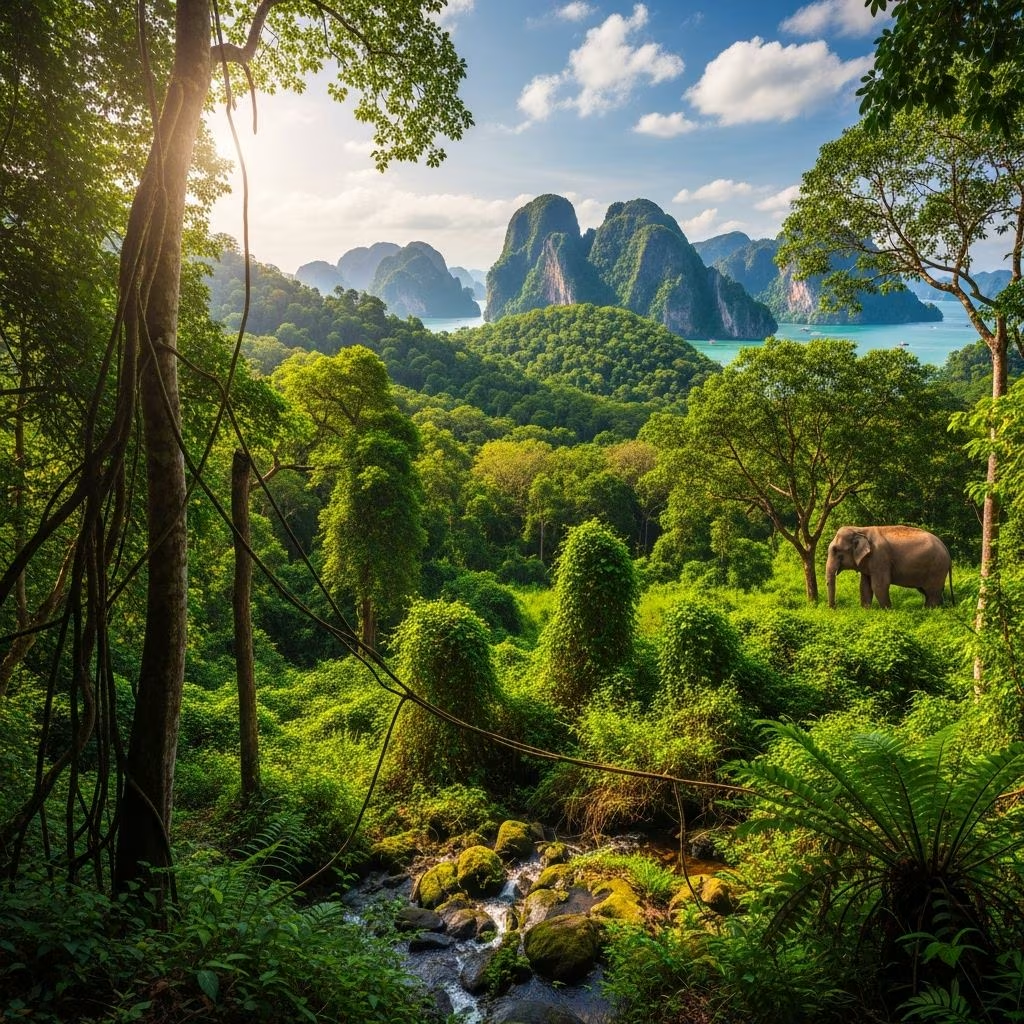
Explore Thailand's diverse national parks featuring rainforests, limestone formations, cascading waterfalls, and abundant wildlife across over 100 protected areas.
 Travel Essentials
Thailand encompasses one of Asia’s most impressive collections of protected natural areas, with more than 100 national parks spanning diverse ecosystems. These reserves range from ancient rainforests and dramatic limestone formations to pristine marine environments and misty mountain ranges. Whether you seek encounters with exotic wildlife, adventurous hiking trails, or serene natural landscapes, Thailand’s national park system offers experiences that transcend typical tourism offerings. Understanding what each destination provides enables visitors to select the perfect location based on their interests and travel style.
Thailand established its first national park in 1962, marking the beginning of a comprehensive conservation effort that would eventually protect vast swaths of the country’s natural heritage. These designated areas preserve critical ecosystems and serve as refuges for species found nowhere else on Earth. The network includes terrestrial parks with dense jungles and mountainous terrain, as well as marine reserves featuring coral ecosystems and island networks. Each park maintains distinct characteristics shaped by geography, climate, and indigenous biodiversity, creating opportunities for varied outdoor experiences.
For travelers prioritizing animal observation, specific parks have earned international recognition as biodiversity hotspots. These locations offer genuine opportunities to witness Thailand’s remarkable fauna in relatively natural conditions, though success depends on timing, patience, and often professional guidance.
Located approximately 137 kilometers east of Bangkok, one major wildlife sanctuary encompasses 2,168 square kilometers and holds designation as a UNESCO World Heritage site. This protected area preserves one of Southeast Asia’s largest intact monsoon forests, providing critical habitat for numerous species. The park’s established infrastructure and proximity to Bangkok make it accessible for day trips or overnight excursions from the capital.
For travelers equipped with personal transportation and camping supplies, an inland reserve northeast of Bangkok provides exceptional opportunities for dedicated wildlife observers. This less-developed park maintains a more authentic wilderness character and allows for extended immersion in natural settings.
Thailand’s national park system extends beyond terrestrial environments to encompass marine reserves featuring distinct geological formations and coral ecosystems. Visitors interested in water-based activities will find multiple options suited to different skill levels and preferences.
An archipelago reserve east of Bangkok offers opportunities for snorkeling with reef-dwelling species in crystalline waters. The marine environment protects biodiversity while remaining accessible to visitors seeking water recreation and island exploration.
Coastal reserves feature limestone formations rising dramatically from the sea, creating the distinctive geography that defines Thailand’s southern tourism regions. These areas combine scenic beauty with accessible exploration opportunities for varying fitness and experience levels.
Southern Thailand’s most celebrated park encompasses one of the world’s oldest rainforest ecosystems, distinguished by towering limestone formations, emerald-tinted waters, and extraordinary biological diversity. This destination represents one of Southeast Asia’s most impressive natural wonders and attracts visitors seeking transformative jungle experiences. The park’s signature feature involves a large reservoir surrounded by vertical limestone cliffs and dense vegetation, accessible through guided boat tours and jungle treks.
Visitors typically experience this park through multi-day excursions that include stays in floating accommodations positioned on the reservoir, sunrise wildlife observation expeditions, and guided hikes through dense forest trails. These structured tours provide safe access to remote locations while minimizing environmental impact. The ecosystem supports numerous species adapted to rainforest conditions, including primates, exotic birds, and reptiles.
Northern Thailand’s elevated regions provide distinct environments characterized by cooler temperatures, misty conditions, and panoramic vistas. These highlands support different vegetation communities than lowland areas and offer hiking opportunities with varying difficulty levels.
The nation’s highest mountain peak stands at 8,415 feet and anchors a national park encompassing forest ecosystems unique to Thailand’s northern provinces. This reserve protects numerous waterfall systems fed by mountain streams and seasonal precipitation. Notable cascades include a 820-foot-tall primary waterfall, multi-tiered formations, and seasonal displays of peach blossom trees that create spectacular natural scenery during spring months.
An inland reserve in northeastern Thailand has developed a reputation as a premier hiking destination despite remaining relatively unknown to international tourists. The main activity involves ascending from the visitor center to a mountain-summit campground to observe sunrise and sunset phenomena. This destination attracts serious hikers seeking genuine wilderness experiences without excessive infrastructure development.
A nature reserve near Chiang Mai combines hiking trails with spiritual destinations and cascading water features, serving as one of the country’s best locations for trekking activities. The park’s proximity to a major tourist city and established trail infrastructure make it accessible for visitors with moderate hiking experience.
Beyond wildlife and scenery, individual parks offer distinctive attractions that appeal to specific interests and activity preferences:
Successful national park experiences require advance consideration of several practical factors:
| Travel Factor | Consideration | Recommendation |
|---|---|---|
| Distance from Bangkok | Travel time and accessibility | Closer reserves for short trips; remote parks for extended stays |
| Season | Weather and wildlife activity | Research optimal visiting periods for specific parks |
| Transportation | Personal vehicle vs. public transit | Own vehicle provides flexibility; public options available for major parks |
| Accommodation | Camping, bungalows, or nearby towns | Choose based on comfort preferences and budget |
| Activity Level | Hiking difficulty and physical demands | Match park selection to fitness and experience level |
Thailand’s national parks protect multiple ecosystem types, each supporting specialized communities of organisms adapted to particular environmental conditions. Lowland rainforests differ markedly from highland forests in vegetation structure, species composition, and climatic characteristics. Coastal reserves protect marine habitats including coral systems and seagrass meadows. This diversity of protected environments ensures that visitors can experience dramatically different natural settings within a relatively compact geographic region.
National parks across Thailand offer varying levels of visitor infrastructure, ranging from highly developed facilities with hotels and restaurants to remote wilderness areas with minimal facilities. This spectrum allows travelers to select experiences matching their preferences for convenience versus authentic wilderness immersion. Established parks near population centers typically provide comprehensive visitor services, while remote reserves maintain more primitive conditions requiring greater self-sufficiency and preparation.
Parks with established infrastructure near Bangkok, such as the wildlife-focused reserve 137 kilometers east of the capital, provide accessible introductions to Thailand’s natural areas without requiring extensive travel or wilderness experience.
Wildlife observation success depends on timing, location, and guide expertise. Dedicated reserves with professional tour operators provide better observation opportunities than casual visits.
Seasonal variations affect weather, animal activity, and vegetation states. Research specific parks to determine peak visiting periods aligned with desired activities and conditions.
Accommodation options range from camping facilities and basic bungalows to floating lodges and nearby town hotels, depending on specific park infrastructure.
Park distances range from approximately 70 kilometers to over 190 kilometers from Bangkok, affecting travel time and day-trip feasibility.
