

 Travel Essentials
 Travel Essentials

Explore premier US national parks ideal for spring break travel, featuring wildlife, wildflowers, and outdoor activities across diverse landscapes.
 Travel Essentials
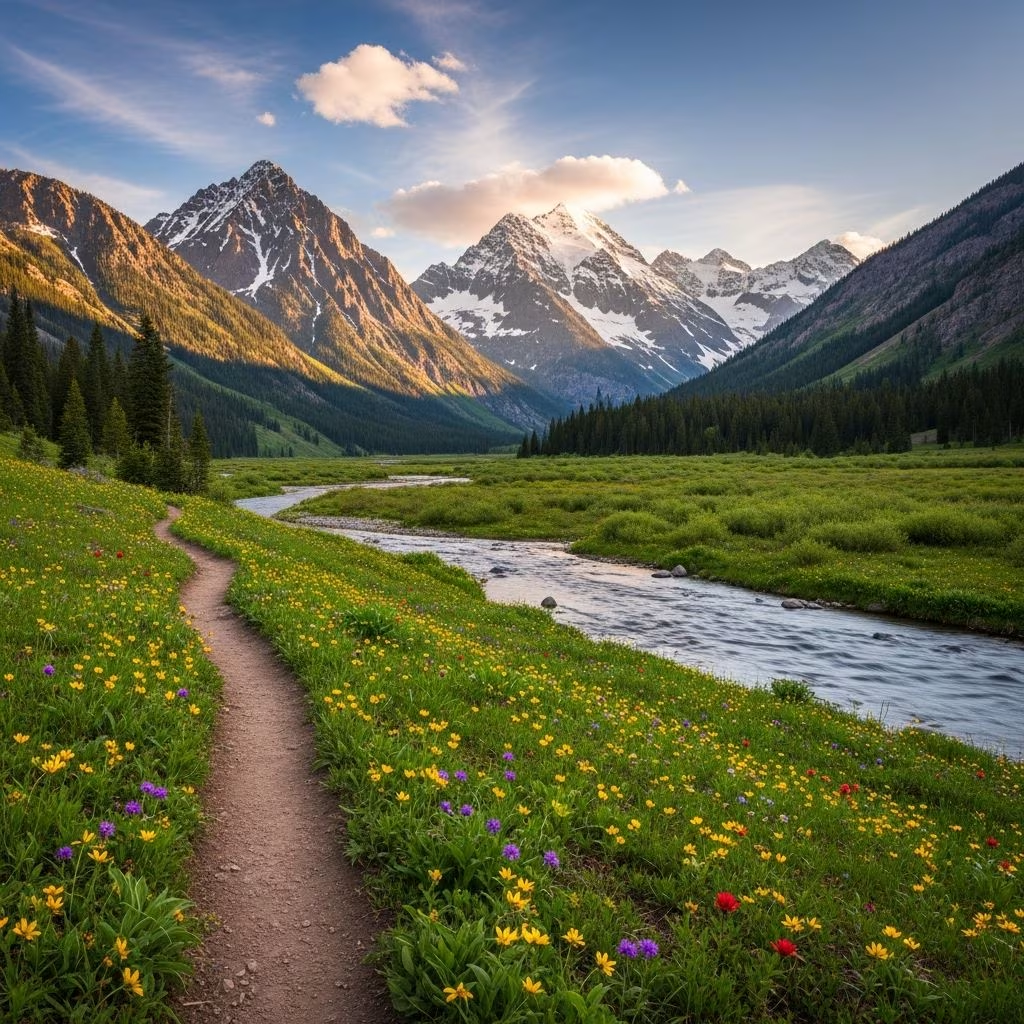
Spring break represents an ideal window for exploring America’s natural wonders without enduring the crushing summer crowds. As temperatures warm and wildlife emerges from winter dormancy, the nation’s national parks transform into vibrant outdoor theaters. Whether you seek avian spectacles, mountain wildflower displays, or dramatic geological formations, strategic park selection can make your spring getaway unforgettable.
Located in far West Texas, Big Bend National Park becomes a migration hub between late February and early May, attracting ornithologists and nature enthusiasts worldwide. During these months, migratory birds establish temporary homes among the Chisos Mountains’ coniferous forests and riparian corridors along the Rio Grande. The park’s designation as a premier birding destination stems from documented sightings exceeding 400 avian species, creating opportunities for both casual observers and experienced birders.
The park’s spring appeal extends beyond feathered visitors. Geothermal hot springs provide rejuvenating natural bathing experiences, while minimal light pollution transforms nighttime skies into celestial galleries perfect for stargazing. These combined attractions—ornithological abundance, therapeutic mineral waters, and pristine astronomical viewing—establish Big Bend as a multifaceted spring break destination.
The Everglades National Park transforms during spring months into an accessible wildlife observation zone. As water levels fluctuate seasonally, concentrated populations of alligators, crocodiles, manatees, and wading birds congregate in viewing-friendly areas. Boat tours, canoe excursions, and elevated boardwalk trails provide diverse methods for experiencing this unique subtropical wetland ecosystem without excessive physical exertion.
Spring temperatures in southern Florida create comfortable conditions for extended outdoor exploration. Unlike summer’s oppressive heat and mosquito populations, April conditions facilitate multi-hour expeditions. The park’s varied landscape—from sawgrass prairies to mangrove tunnels—ensures visual diversity throughout your visit.
Great Smoky Mountains National Park earns its “Wildflower National Park” designation through extraordinary floral diversity. The park’s Appalachian location supports over 1,500 flowering plant species, with peak bloom periods occurring between February and April. Spring visitors witness synchronized botanical displays as redbud trees, dogwoods, and native rhododendrons color the mountain slopes.
Beyond photogenic flora, the park offers extensive hiking infrastructure accommodating various fitness levels. Established trail systems range from gentle valley walks to challenging ridge-line routes. Trail options include waterfall destinations, summit viewpoints, and historic settlement explorations. The park’s dual-state jurisdiction (North Carolina and Tennessee) spans sufficient terrain to justify week-long visits without repeating experiences.
Yellowstone National Park transitions during spring from winter’s relative solitude into an active season showcasing the park’s geothermal and biological treasures. As temperatures rise, migrating bison herds move to higher elevations, grizzly bears emerge from hibernation, and numerous waterfall systems reach peak flow from snowmelt.
The park’s diverse landscape encompasses geysers, hot springs, canyons, and expansive wildlife corridors. Spring visitation avoids summer’s traffic congestion while coinciding with increased animal activity. Early-season visits position travelers to witness predator-prey dynamics as carnivores awaken and prey species congregate in accessible valleys.
Joshua Tree National Park’s namesake species—distinctive yucca plants with contorted branches—initially captivates visitors. However, spring’s true magic emerges through wildflower blooms that transform the desert floor into kaleidoscopic landscapes. Winter precipitation triggers dormant seed germination, creating synchronized flowering displays that peak during April and May.
Approximately every five to ten years, optimal weather conditions produce superblooms—extraordinary floral events that create near-solid flower carpets across valley floors. Even during average years, spring visitors encounter vibrant botanical displays absent during other seasons. Rocky scrambles, boulder formations, and dramatic desert vistas complement the seasonal botanical attractions, providing activities for non-photographers.
The Utah region clusters multiple premier spring destinations including Arches, Canyonlands, Bryce Canyon, and Zion National Parks. Each park showcases distinct geological characteristics while maintaining moderate spring temperatures ideal for active exploration. Rock formations display millions of years of geological history through exposed strata and distinctive erosional patterns.
Arches National Park features gravity-defying stone arches and balanced rocks throughout its landscape. Canyonlands presents expansive vistas of interlocking canyons carved by ancient waters. Bryce Canyon’s hoodoo formations create otherworldly landscapes. Zion’s towering red cliffs support diverse ecosystems. Spring visitation permits comprehensive exploration before summer crowds arrive. Mid-April represents an optimal window for Utah park exploration, offering comfortable temperatures, low precipitation probabilities, and manageable visitor populations.
Olympic National Park encompasses dramatically different ecosystems within a compact geographic area. Coastal temperate rainforests featuring moss-draped trees and dramatic waterfalls occupy lower elevations. Alpine meadows with subalpine lakes occupy higher terrain. Spring conditions vary substantially by elevation—lower valleys offer comfortable hiking conditions while higher elevations may retain winter snow.
Waterfalls reach peak flows during spring months as snowmelt feeds cascades throughout the park. Major waterfall destinations including Sol Duc Falls, Royal Basin Falls, and Marymere Falls create compelling photography opportunities. The famous Hoh Rainforest exhibits maximum moss coverage and lush vegetation during spring months.
Death Valley National Park, despite its ominous designation, becomes surprisingly vibrant during spring months. Following winter rains, the park’s normally barren landscape erupts in wildflower blooms. Death Valley’s lowest elevation position creates earlier spring conditions than surrounding regions, making April an ideal visitation month.
The park showcases extreme geological and topographical diversity—from lowest continental elevations to dramatic mountain ranges. Spring temperatures remain manageable before summer’s excessive heat renders the park challenging for extended outdoor activities.
Spring break timing varies by school district, typically occurring between mid-March and mid-April. Early spring (March) suits southern parks including Big Bend and Death Valley. Mid-April optimizes Utah park experiences. Late spring (late April into early May) accommodates northern parks and higher-elevation destinations.
Accommodation availability diminishes as spring break weeks approach, particularly near popular parks. Advance reservations prove essential for camping facilities and lodging. Some park facilities may operate seasonally, requiring confirmation before planning specific activities.
| Park Name | Location | Spring Specialties | Best Visit Timeframe | Difficulty Level |
|---|---|---|---|---|
| Big Bend | Texas | Bird Migration, Hot Springs, Stargazing | Late February – Early May | Moderate |
| Everglades | Florida | Wildlife Viewing, Water Activities | March – April | Easy to Moderate |
| Great Smoky Mountains | North Carolina/Tennessee | Wildflower Displays, Hiking | February – April | Easy to Strenuous |
| Yellowstone | Wyoming/Montana | Megafauna, Geysers, Waterfalls | April – May | Moderate to Strenuous |
| Joshua Tree | California | Wildflower Blooms, Rock Climbing | April – May | Easy to Moderate |
| Arches/Canyonlands | Utah | Canyon Vistas, Red Rock Formations | Mid-April | Easy to Moderate |
| Olympic | Washington | Rainforest, Waterfalls, Alpine Meadows | April – May | Easy to Strenuous |
| Death Valley | California | Wildflower Blooms, Geological Extremes | March – April | Easy to Moderate |
Spring weather varies significantly by location and elevation. Southern parks like Big Bend and Death Valley feature warm, pleasant daytime temperatures with cool evenings. Northern parks and higher-elevation areas may experience temperature fluctuations, occasional precipitation, and lingering snow patches. Layered clothing systems provide flexibility for changing conditions throughout daily activities.
Spring offers optimal combinations of weather comfort and manageable crowds. Unlike summer’s overwhelming visitor populations, spring permits extended explorations with shorter facility lines. Winter’s cold temperatures and snow closures yield to spring’s accessibility. Fall provides similar advantages but fewer phenological displays like wildflowers and bird migrations.
Yes, absolutely. Spring break represents a peak visitation period for most national parks. Campgrounds and nearby lodging facilities fill weeks in advance. Advance reservations ensure accommodation availability rather than accepting long-distance alternatives. This planning requirement applies particularly to popular parks during mid-April timeframes.
Most parks accommodate diverse age ranges through varied difficulty trails and accessible viewpoints. Everglades and Great Smoky Mountains offer particularly family-friendly options with boardwalks and short trails. Parks like Joshua Tree and Arches provide accessible scenic areas requiring minimal hiking. Yellowstone’s geyser basins permit observation without strenuous activity.
Layered clothing systems, sun protection (sunscreen and hats), adequate hydration supplies, and sturdy footwear constitute fundamental packing elements. Binoculars enhance bird and wildlife observation. Wildflower identification guides increase botanical appreciation. Weather-appropriate rain gear protects against unexpected precipitation. Early-season visitors to higher elevations should include insulating layers despite daytime warmth.
Strategic planning transforms spring break into transformative outdoor experiences. Selecting parks aligned with your specific interests—whether birding, botanical photography, hiking, or wildlife observation—ensures engagement and satisfaction. Advance research regarding trail conditions, facility availability, and seasonal phenomena permits informed itinerary development.
Spring’s phenological windows represent temporary opportunities. Bird migrations, wildflower blooms, and waterfall peaks follow predictable seasonal patterns. Missing optimal conditions by visiting one week too late or too early substantially diminishes visual spectacles. Consulting park-specific spring guides provides precise bloom and migration timing.
Multi-park regional strategies maximize vacation value. Utah’s concentrated canyon country accommodates four distinct parks within manageable driving distances. California’s desert parks—Joshua Tree, Death Valley, and Sequoia—connect through established routes. Combining complementary parks extends experiences and provides diverse landscape perspectives.
Spring break represents a remarkable opportunity to witness North America’s protected landscapes during their seasonal peak. Whether pursuing specific interests or embracing spontaneous discoveries, national parks deliver memorable experiences that extend far beyond typical vacation frameworks.
