

 Travel Essentials
 Travel Essentials

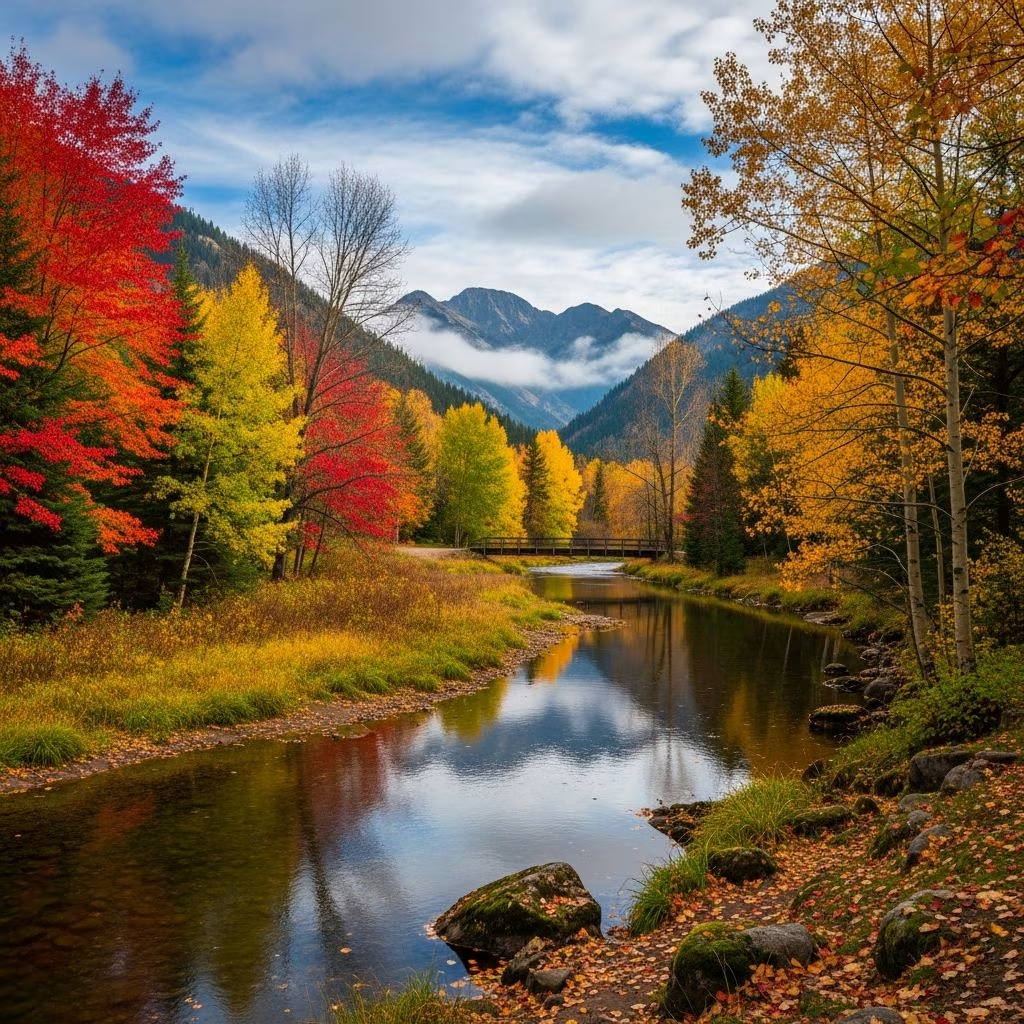
Explore America's most stunning national parks during autumn. From vibrant foliage to cooler temperatures, find your perfect fall destination.
 Travel Essentials
As summer fades and temperatures begin to cool, millions of travelers turn their attention to America’s most magnificent natural landscapes. The autumn season transforms national parks into destinations of extraordinary beauty, offering visitors an ideal combination of pleasant weather, reduced crowds, and some of nature’s most spectacular visual displays. The changing of the seasons creates unique opportunities for outdoor enthusiasts, photographers, and families seeking memorable experiences across diverse ecosystems spanning the continent.
Autumn fundamentally transforms the national park experience in ways that distinguish it from other seasons. The moderate temperatures create comfortable conditions for extended outdoor activities without the extreme heat of summer or the harsh conditions of winter. Humidity levels drop substantially, making hiking and walking significantly more enjoyable. Park visitation typically declines after Labor Day, meaning popular trails and scenic overlooks become less crowded, allowing visitors to experience these magnificent spaces with greater solitude and tranquility.
The biological transformation occurring during autumn adds another dimension to the park experience. Deciduous trees undergo their remarkable color change as chlorophyll breaks down, revealing brilliant yellows, oranges, reds, and deep purples beneath. This phenomenon occurs at different times throughout the continent, creating a rolling wave of color from north to south. Wildlife becomes more active during autumn as animals prepare for winter, providing enhanced opportunities for observation and photography. These convergent factors make fall the optimal choice for park visitation.
Great Smoky Mountains National Park consistently earns recognition as North America’s premier destination for fall foliage viewing. The park’s exceptional reputation stems from its extraordinary diversity of tree species, with over 200 different types of deciduous trees creating a complex tapestry of colors during autumn transition. The mountainous terrain ensures varied elevation changes, which produces a sequential color transformation lasting several weeks rather than occurring all at once.
Peak fall colors typically emerge during mid-October, when the park transforms into a living kaleidoscope of warm tones. The park’s accessibility via vehicle-friendly roads makes experiencing this display remarkably convenient. Visitors can drive scenic routes like Cades Cove Loop and enjoy pullouts offering panoramic mountain vistas framed by autumnal colors. The diverse elevation range means different areas peak at different times, allowing flexible visitation windows throughout the autumn season.
Located in Maine, Acadia National Park offers a distinctive autumn experience combining coastal scenery with forest landscapes. Peak fall colors typically arrive in late September and can persist through October in this northern region. Cadillac Mountain, the park’s highest point, provides the most celebrated panoramic views during the fall season. The combination of changing foliage with Atlantic Ocean views creates visual compositions unavailable at inland parks.
The cooler northern climate means autumn arrives earlier at Acadia than at parks further south, making it an excellent choice for visitors seeking early-season fall experiences. The park’s moderate elevation and maritime influence create unique growing conditions producing distinctive color patterns. Visitors can combine hiking, scenic drives, and coastal exploration while experiencing one of the country’s most picturesque autumnal displays.
Shenandoah National Park in Virginia extends across Blue Ridge Mountain terrain, creating a landscape where elevation changes produce varied fall conditions throughout the park. The famous Skyline Drive winds along the mountain ridge, offering hundreds of scenic overlooks where visitors can observe the surrounding foliage transformation. The park’s location in the mid-Atlantic region means fall colors typically peak during October, creating predictable viewing windows for seasonal tourists.
Beyond foliage observation, Shenandoah offers extensive hiking trail networks where visitors can immerse themselves in the autumn forest environment. The park’s proximity to major population centers along the East Coast makes it an accessible destination for millions of potential visitors seeking seasonal experiences.
Rocky Mountain National Park in Colorado and Grand Teton National Park in Wyoming represent premier western destinations where autumn brings dramatic color changes to high-elevation landscapes. These parks experience earlier color transitions than eastern counterparts due to their higher elevations and shorter growing seasons. Mid-September through mid-October represents the optimal viewing window for these destinations.
The combination of deciduous aspen groves creating golden yellows against evergreen conifers produces a striking contrast unique to western mountain environments. Clear autumn air enhances visibility, allowing expansive views of distant mountain ranges. The cooler temperatures make hiking more pleasant at these higher elevations, where summer conditions can feel uncomfortably cool even during the warmest season.
Glacier National Park in Montana transforms dramatically during autumn, with leaf color changes beginning in mid-September and continuing through mid-October. This northern location and high elevation create distinctive seasonal characteristics. The park’s dramatic mountain architecture becomes even more striking when surrounded by golden larches and changing deciduous species.
Glacier offers diverse experiences from scenic drives along Going-to-the-Sun Road to backcountry hiking expeditions. The pristine alpine environment experiences rapid seasonal transitions, making autumn timing critical for visitors seeking optimal conditions and appearance.
Zion National Park in Utah presents an unusual autumn scenario where fall foliage concentrates primarily at higher elevations within the park. The lower elevations’ arid environment means limited deciduous vegetation, but the park’s elevated plateaus showcase vibrant color changes. Cooler temperatures and reduced crowds make mid-September through mid-November an excellent visitation window for Zion.
The park’s dramatic canyon topography creates interesting color contrasts between red rock formations and golden vegetation changes, producing unique visual combinations unavailable during other seasons.
Beyond traditional foliage destinations, several parks offer specialized autumn experiences. Lassen Volcanic National Park in California combines volcanic geological features with brilliant autumn colors, creating a distinctive park experience where geothermal and seasonal elements converge. This location offers views of all four types of volcanoes, adding educational value to the autumn visit.
Cedar Breaks National Monument in Utah showcases spectacular red rock formations that become even more vivid when surrounded by autumn vegetation transitions. Great Basin National Park provides stargazing opportunities enhanced by autumn’s typically clear night skies and cool temperatures that improve atmospheric conditions for celestial observation.
White Sands National Park in New Mexico offers a desert autumn experience distinct from traditional park visits, with unique camping and exploration opportunities in a landscape dominated by gypsum sand formations. Bryce Canyon National Park in Utah earns recognition as an exceptional fall camping destination, with the park’s distinctive hoodoo formations providing memorable backdrops for outdoor overnight experiences.
Cuyahoga Valley National Park in Ohio demonstrates that exceptional autumn experiences exist beyond remote western wilderness areas, providing fall foliage viewing opportunities within a day’s drive for millions of Midwest residents.
Autumn color transitions follow a predictable geographic pattern, beginning in the far north and progressing southward as September transitions into November. Northern parks at higher elevations experience peak colors earliest, typically during September. Mid-Atlantic and Appalachian parks generally peak during October. Southern parks and lower elevations continue displaying vibrant colors through November. This geographic progression allows flexible travel planning, enabling visitors to experience multiple parks throughout the extended autumn season.
Autumn weather proves generally favorable across most parks but varies significantly by location and elevation. Bring layered clothing as mountain temperatures can fluctuate dramatically between morning and afternoon. Higher elevation parks, particularly in the north, can experience early snow dusting by late October. Check weather forecasts and road condition reports before visiting, as autumn storms can briefly close mountain passes and high elevation routes.
Plan hiking activities for midday when temperatures peak. Bring adequate water despite cooler temperatures, as autumn’s lower humidity can mask dehydration risks. Sunrise and sunset visits offer exceptional photography opportunities as lower-angle sunlight illuminates foliage colors with dramatic effect.
| Park Name | Location | Peak Colors | Primary Features | Crowd Level |
|---|---|---|---|---|
| Great Smoky Mountains | Tennessee/North Carolina | Mid-October | Diverse tree species, scenic drives | High |
| Rocky Mountain | Colorado | Mid-September to October | Alpine aspen groves, mountain hiking | Moderate |
| Acadia | Maine | Late September to October | Coastal views, mountain peaks | Moderate |
| Glacier | Montana | Mid-September to October | Alpine environment, dramatic mountains | Low to Moderate |
| Zion | Utah | September to November | Canyon formations, elevated plateaus | Low |
| Grand Teton | Wyoming | September to October | Mountain peaks, pristine lakes | Moderate |
| Shenandoah | Virginia | October | Ridge drives, extensive trails | High |
| Great Basin | Nevada | September to October | High desert, star viewing | Low |
Timing depends on park location and elevation. Northern parks like Rocky Mountain and Glacier peak in mid-September. Central parks like Great Smoky Mountains peak in mid-October. Southern parks continue through November. Check specific park websites for real-time color reports.
Great Smoky Mountains and Shenandoah experience substantial autumn visitation, particularly in October. More remote parks like Glacier, Great Basin, and Zion offer similar autumn beauty with significantly fewer visitors. Consider weekday visits to popular parks to reduce crowding.
Wide-angle lenses capture expansive landscape compositions. Polarizing filters reduce glare and enhance color saturation in foliage. Tripods enable sunrise and sunset photography. Macro lenses capture detailed close-ups of individual leaves and frost formations.
Yes. Moderate temperatures make hiking more comfortable for children. Many parks offer scenic drives, short trails, and visitor centers providing educational opportunities. Autumn reduces summer insect populations, improving the experience for younger visitors.
Absolutely. Popular parks experience advance booking of accommodations months ahead. Reserve lodging immediately upon finalizing travel dates. Consider staying in gateway communities if park accommodations are unavailable.
Book accommodations and transportation well in advance, as autumn represents peak visitation season for many parks. Download offline maps and trail guides, as cellular service remains unreliable in many locations. Pack sun protection including sunscreen and sunglasses, despite cooler temperatures and lower sun angles. Bring moisture-wicking clothing suitable for temperature fluctuations throughout the day. Reserve popular campsites and hiking permits early when required.
Plan flexible itineraries accommodating sudden weather changes. Autumn storms can rapidly close mountain roads and trails. Maintain awareness of daylight hours, which diminish substantially during autumn, affecting available exploration time. End hiking and outdoor activities before sunset to avoid navigation challenges in darkening conditions.
Budget appropriately for peak season accommodations and dining, as autumn popularity increases prices throughout park gateway communities. Consider visiting during shoulder periods (early September or late October) for better pricing and smaller crowds while still enjoying substantial seasonal beauty.
The autumn season transforms America’s national parks into destinations of extraordinary natural beauty and recreational opportunity. Whether visitors seek vibrant foliage displays in eastern forests, golden aspen groves in mountain environments, or unique geological features framed by seasonal transitions, exceptional experiences await across the national park system. Advance planning, appropriate gear selection, and realistic expectations regarding crowds and accommodations ensure memorable autumn adventures in these irreplaceable American landscapes.
