

 Travel Essentials
 Travel Essentials

Explore unique winter experiences in U.S. national parks like Yellowstone, Death Valley, and Big Bend, from snowshoeing to stargazing in milder climes.
 Travel Essentials
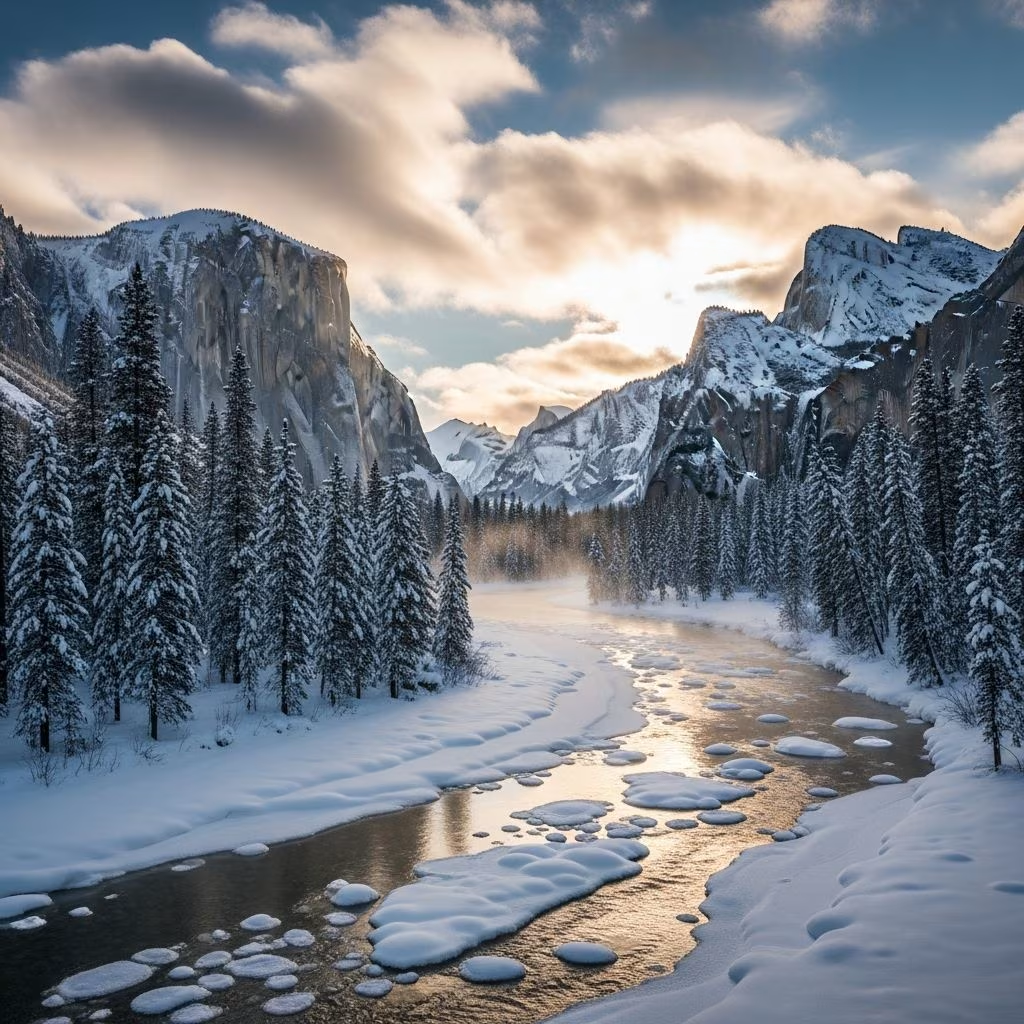
While summer draws massive crowds to America’s national parks, winter offers a quieter, more intimate connection with nature. Snow transforms familiar landscapes into ethereal realms, deserts provide comfortable exploration, and wildlife behaves differently under seasonal changes. This guide dives into the best parks for winter visits, highlighting activities, practical tips, and what makes each destination special during the cold months.
Winter visitation often means fewer people, lower entry fees in some areas, and unique phenomena like frozen waterfalls or geothermal steam rising from snow. Trails open up with crisp air enhancing visibility, and many parks host ranger-led snowshoe hikes or night sky programs. However, preparation is key: pack layers, check road closures, and note that some facilities shut down.
Northern parks shine brightest under winter’s blanket, offering snow-based adventures for thrill-seekers.
Yellowstone in winter is a surreal world where geysers erupt through thick snow, bison roam vast white plains, and wolves hunt in silence. Most roads close to vehicles, but snowcoach tours and snowmobiling provide access to over 300 miles of groomed trails. Overnight in the historic Old Faithful Snow Lodge, one of the few open accommodations. Expect temperatures dipping to -20°F (-29°C), so insulated boots and face protection are essential.
Key activities include guided snowshoe tours around geyser basins and wildlife spotting from heated viewing areas. The lack of summer crowds lets you witness the park’s raw power intimately.
Transformed into an alpine wonderland, Rocky Mountain boasts snow-covered peaks, frozen lakes like Bear Lake, and abundant elk herds. Trail Ridge Road closes, but over 120 miles of winter trails await snowshoers and cross-country skiers. From Estes Park, access via snowshoe rentals and ranger programs. Daytime highs hover around 30-40°F (-1 to 4°C), with clear nights perfect for stargazing.
Don’t miss the frozen waterfalls along routes like Emerald Lake Trail, which become ice-climbing challenges for experts.
For those avoiding frostbite, southwestern parks offer pleasant temps and endless exploration.
Escape summer’s scorchers in Death Valley, where winter days reach 60-70°F (15-21°C). Wander Badwater Basin, the lowest point in North America at 282 feet below sea level, or explore the eerie salt formations of the Devil’s Golf Course. Slot canyons like Golden Canyon provide shaded adventures, and sand dunes at Mesquite Flat invite sledding on natural curves.
Camp at Furnace Creek or Furnace Creek Resort, both open year-round. Starry skies here rival the best, thanks to the park’s dark sky status.
Nestled in Texas, Big Bend delivers Chihuahuan Desert beauty with mild 50-70°F (10-21°C) days. Hike the Chisos Mountains’ Emory Peak for panoramic views, paddle the Rio Grande, or take a boat to Boquillas, Mexico. World-class stargazing occurs at designated sites, with minimal light pollution.
The park’s remoteness means planning ahead for lodging at Chisos Mountains Lodge or primitive camping. Birdwatchers spot over 450 species, many winter migrants.
Arizona’s Saguaro features iconic giant cacti standing tall against mild winter backdrops of 50-65°F (10-18°C). Trails like Valley View Overlook offer saguaro groves and desert wildflowers post-rain. Drive the scenic loops in Tucson Mountain or Rincon Mountain districts.
Picnic amid petroglyphs or join ranger talks on Sonoran Desert ecology. It’s compact, ideal for day trips from Tucson.
Florida and Utah provide temperate alternatives with water-based fun.
Winter’s dry season (60-80°F or 15-27°C) is prime for Everglades exploration. Airboat tours reveal alligators basking, manatees in coastal bays, and 360 bird species. Kayak through mangrove tunnels or hike Anhinga Trail’s boardwalks for close-up wildlife views.
Camp at Long Pine Key or stay in nearby Homestead. Avoid summer bugs and humidity for comfortable outings.
Moab’s buddy parks enjoy 30-50°F (-1 to 10°C) winters with occasional snow dusting red arches. Fewer crowds mean serene hikes to Delicate Arch or Mesa Arch. Mountain biking persists on milder days, and hot air balloon rides offer aerial perspectives.
Lodge in Moab for amenities, or camp at Devils Garden (limited sites open).
Succeeding in winter parks requires foresight.
| Park | Avg. Winter High (°F) | Top Activity | Access Notes |
|---|---|---|---|
| Yellowstone | 20-30 | Snowcoach Tours | Roads closed; oversnow only |
| Death Valley | 60-70 | Hiking Basins | All roads open |
| Big Bend | 50-70 | Rio Grande Paddle | Full access |
| Rocky Mountain | 30-40 | Snowshoeing | Trail Ridge closed |
| Everglades | 60-80 | Airboat Tours | Seasonal dry trails |
Many parks run special events: Yellowstone’s Wolf Project talks, Rocky Mountain’s Full Moon Snowshoe Hikes, Death Valley’s star parties. Check NPS.gov for schedules. Photography enthusiasts capture golden-hour snow glow or bioluminescent-like geyser steam.
Winter visits minimize impact: stick to trails to prevent erosion, pack out waste, and support Leave No Trace. Parks like Yellowstone monitor wildlife disturbance from snow vehicles.
Yes, but services vary; some entrances, roads, and lodges close. Always check NPS updates.
Rocky Mountain offers easy groomed trails and rentals.
Select sites yes, with cold-rated gear. Reservations advised.
Often, with off-peak rates and free junior ranger programs.
Restricted in backcountry; kennels at some visitors centers.
