

 Travel Essentials
 Travel Essentials

Explore Crete's premier natural parks: Samaria Gorge's epic hikes, Vai's unique palms, Psiloritis' peaks, and Elafonisi's beaches. Essential guide for adventurers.
 Travel Essentials
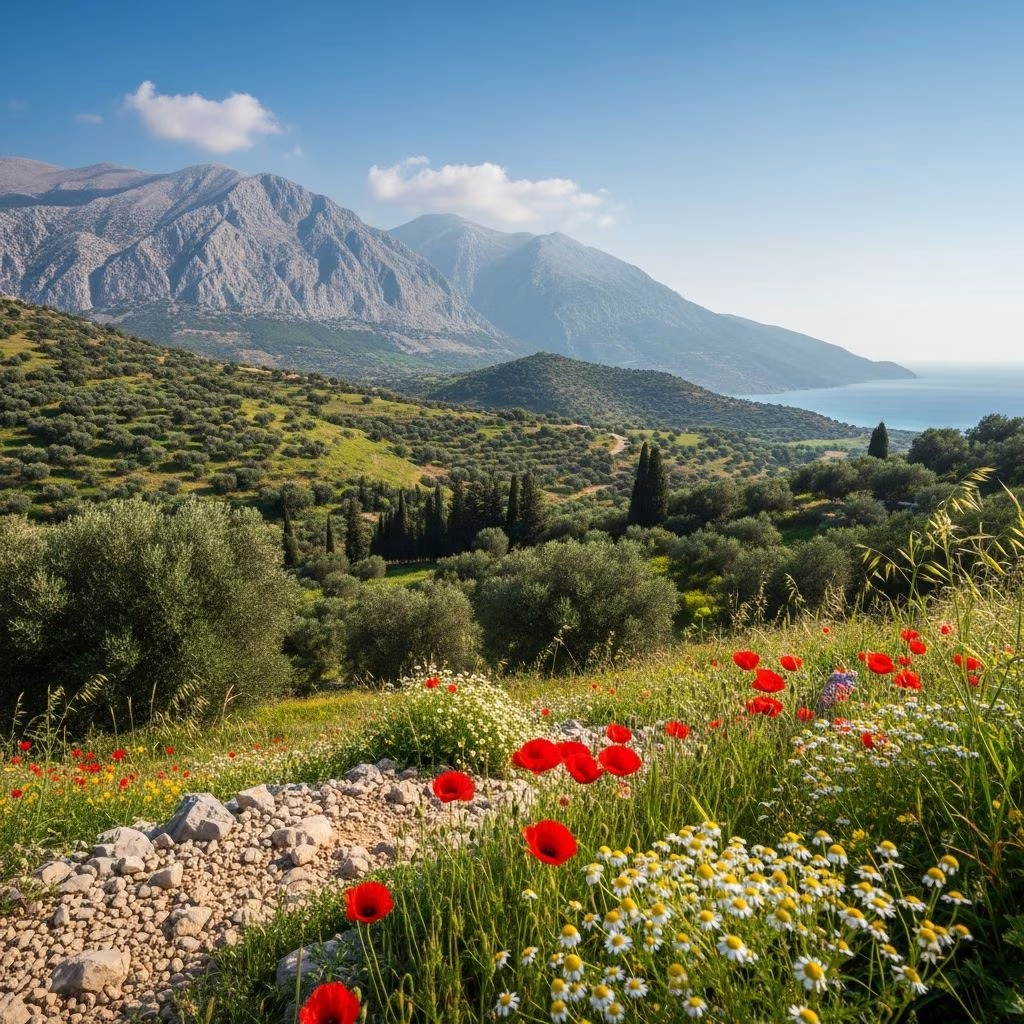
Crete, Greece’s largest island, boasts a diverse array of protected natural areas that showcase its rugged mountains, deep gorges, unique forests, and pristine coastlines. While officially only one area holds full national park status, several designated natural parks and reserves offer world-class opportunities for hiking, wildlife viewing, and serene escapes. These sites protect endemic species, geological wonders, and cultural heritage, drawing millions of visitors annually. This guide highlights the must-visit spots, drawing from official sources to ensure accurate planning details.
The crown jewel of Crete’s protected lands is Samaria National Park, centered on the Samaria Gorge, the longest in Europe at 16 kilometers. Located in the White Mountains (Lefka Ori), this park spans from 1,200 meters elevation down to sea level at Agia Roumeli on the Libyan Sea. Established to safeguard over 450 plant and animal species, including 70 endemics like the kri-kri goat, it provides a vital habitat amid steep cliffs and flowing streams.
Hiking the gorge is a full-day adventure, typically taking 5-7 hours for fit walkers. The trail descends through narrow passages like the ‘Gates of Iron’—just 3-4 meters wide—and past abandoned villages, offering glimpses into Crete’s remote past. Spring wildflowers and summer shade from plane trees enhance the experience, but expect crowds from May to October when the park operates daily (closed in winter due to weather).
Practical Tips: Entry costs €5 (free for EU seniors); no food sales inside, so pack water and snacks. Organized tours from Chania or Rethymno include bus to Omalos, hike, and ferry from Agia Roumeli to Sougia or Hora Sfakion. Stay hydrated—rivers may dry up—and wear sturdy shoes.
Though not formally a national park, Vai Beach and Palm Forest functions as a protected natural reserve, home to Europe’s only native population of Phoenix theophrasti palms—over 1,000 trees thriving on sandy shores. This unique ecosystem, 24 km northeast of Sitia in eastern Crete, combines a stunning crescent beach with turquoise waters and lush greenery, making it a top Instagram spot and biodiversity hotspot.
Visitors can wander shaded paths among the palms, picnic under their fronds, or snorkel in clear coves. The site’s isolation preserved the forest until tourism surged in the 1980s; today, regulations limit development to maintain its pristine state. Birdwatchers spot migratory species, while botanists appreciate the palm’s resilience to salt winds.
| Activity | Duration | Tips |
|---|---|---|
| Beach Lounging | 2-4 hours | Bring your own umbrella; limited rentals. |
| Palm Grove Walk | 1 hour | Free access; stay on paths to protect roots. |
| Swimming/Snorkeling | 1-2 hours | Water shoes for rocky entry; no lifeguards. |
Access Advice: Buses run from Sitia; parking fills by 10 AM in peak summer. Off-season visits (April or October) offer solitude. No facilities beyond basic toilets and a taverna—pack essentials. Respect signs prohibiting tree climbing or fires.
In central Crete, Psiloritis Natural Park encompasses Mount Psiloritis (Ida), the island’s highest peak at 2,456 meters, along with plateaus, caves, and historic villages. This vast protected area blends geology, mythology (Zeus’s birthplace), and shepherd traditions, with trails through alpine meadows and oak forests.
Key attractions include the Nida Plateau for stargazing, Ideon Cave for ancient rituals, and hikes to the summit offering panoramic views. The park supports rare orchids, eagles, and vultures. Multi-day treks connect to Anogeia village for local cheese and raki tastings.
For families, the Botanical Park near nearby areas offers gentler paths amid fruit orchards. Combine with Arkadi Monastery visits for history.
Southwest Crete’s Elafonisi Nature Reserve features a lagoon separated by a shallow sandbar from the islet, famous for its rose-hued sands from crushed shells. This protected site, part of Natura 2000, hosts sea turtles and dunes with endemic plants.
Wade across at low tide, hike coastal paths, or relax on the ‘second beach.’ Waters stay warm year-round, ideal for swimming. Crowds peak July-August; arrive early or via boat from Paleochora.
Conservation Focus: No cars on the islet; remove litter to protect loggerhead nests. Entry free, but parking €5.
Beyond the big four, Crete offers more gems:
These sites enhance Crete’s reputation as a nature paradise, per visitor rankings.
Best Seasons: Spring (April-June) for flowers, fall (September-October) for mild weather. Summers are hot; winters limit high-altitude access.
Getting Around: Rent a car for flexibility; buses serve major sites. Hike responsibly—use apps like AllTrails, carry ID for park checks.
Sustainable Travel: Stick to trails, support local guides, avoid single-use plastics. Parks fund conservation via fees.
Samaria National Park, focused on the Samaria Gorge in the White Mountains.
No, it’s strenuous; good fitness required. Easier alternatives like Imbros Gorge exist.
Limited; Samaria allows designated spots with permits. Check official sites.
Yes, Phoenix theophrasti is Europe’s only native palm species there.
1-1.5 hour drive; buses to Anogeia then taxi.
Crete’s natural parks blend adventure and tranquility, preserving the island’s wild soul for future explorers.
