

 Travel Essentials
 Travel Essentials

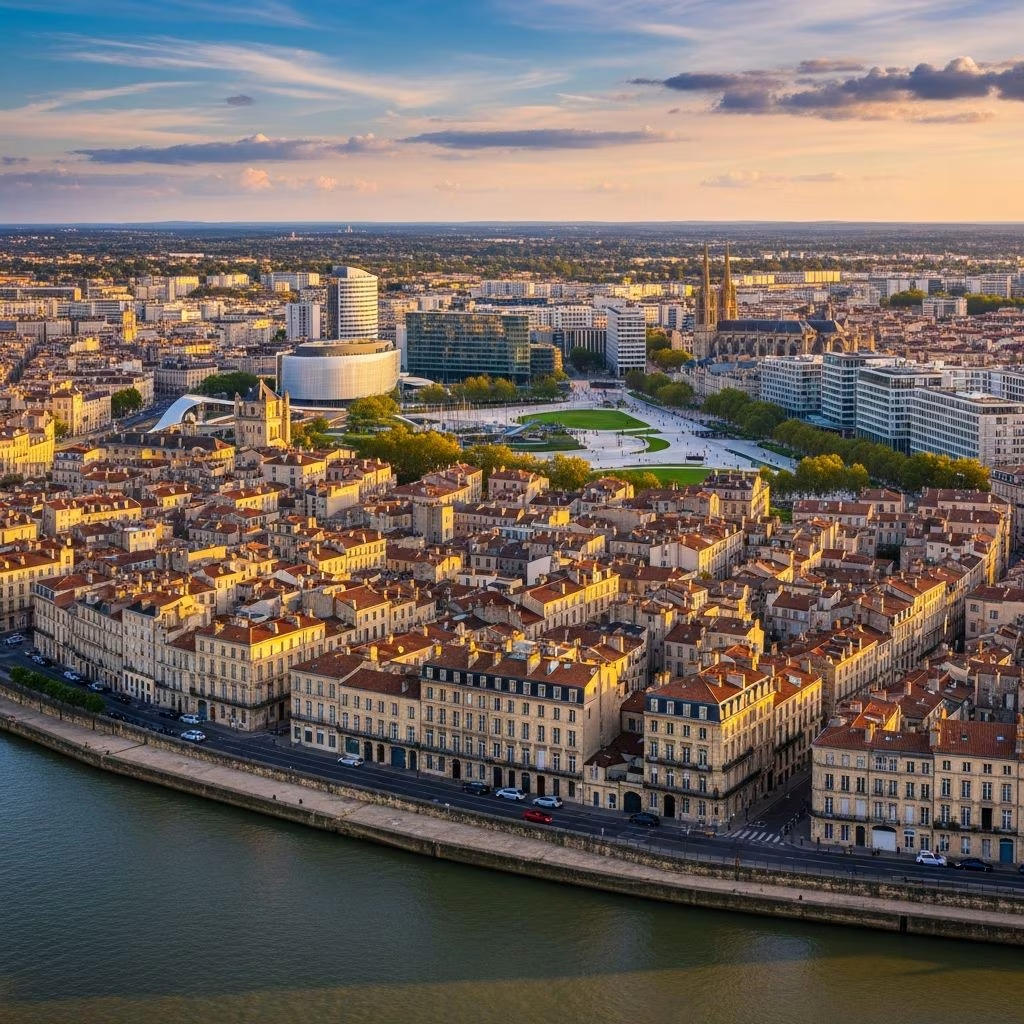
Navigate Bordeaux's diverse neighborhoods, each offering unique character—from historic medieval quarters to trendy waterfront developments and quiet residential enclaves.
 Travel Essentials
Bordeaux, one of France’s most captivating cities, offers far more than world-class wines and architectural splendor. The city’s character emerges through its diverse neighborhoods, each possessing its own distinct personality, history, and appeal. Whether you seek bustling cultural energy, peaceful residential charm, or cutting-edge urban development, Bordeaux’s districts provide distinct experiences that cater to different travel preferences and lifestyles.
The city divides naturally into several compelling regions, each shaped by historical development, geographical location, and cultural evolution. The left bank encompasses traditional wine-trading quarters and industrial heritage sites, while the right bank contains residential neighborhoods favored by local families. Central districts pulse with tourist activity and contemporary amenities, whereas outlying areas offer peaceful sanctuaries from urban intensity.
Understanding these geographic patterns helps visitors and residents alike select neighborhoods aligned with their priorities, whether prioritizing proximity to museums, access to parks, authentic local atmosphere, or budget-conscious accommodation.
At Bordeaux’s heart lies a captivating medieval ensemble representing centuries of accumulated history and architectural refinement. This central area combines narrow, winding streets with spacious public squares that serve as social anchors for both residents and visitors. The district’s car-free passages encourage leisurely exploration, allowing visitors to absorb the atmosphere at a contemplative pace.
Numerous cafes and restaurants spill onto fountain-adorned squares, creating ideal settings for people-watching and relaxation. Major cultural institutions, including significant art museums and heritage collections, cluster within walking distance of each other. Mainstream shopping opportunities along pedestrianized commercial streets provide modern conveniences alongside historical exploration. The neighborhood contains multiple plazas, each with distinctive character and historical significance, serving as gathering points throughout the day and evening.
This quarter represents an ideal base for first-time visitors seeking immersion in Bordeaux’s essential attractions while enjoying walkable access to diverse dining and shopping options.
Left-bank neighborhoods retain powerful connections to Bordeaux’s legendary wine heritage. These quarters showcase a distinctly French village character despite their urban location, featuring tree-lined streets, intimate boutique shopping, and traditional cafe culture that values conversation and community over consumption.
The riverside market continues operating in traditional fashion, providing produce, local products, and authentic encounters with neighborhood residents conducting daily commerce. Historic wine-trading warehouses, some dating to centuries past, stand as monuments to the commercial networks that enriched Bordeaux during its maritime prominence. The architecture reflects successive periods of prosperity, displaying Georgian elegance and classical proportion alongside more recent restorations.
These neighborhoods appeal particularly to visitors seeking authentic local atmosphere, historical ambiance, and opportunities to experience everyday Bordelais life rather than curated tourist experiences. The pace here moves deliberately, encouraging extended stays in cafes and leisurely exploration of side streets and hidden courtyards.
Along the northern fringe of downtown Bordeaux, former industrial zones have undergone dramatic transformation, creating visually striking contrasts between preserved heritage structures and contemporary design. These quarters celebrate the city’s maritime and manufacturing past while embracing modern functionality and aesthetic innovation.
Vast warehouse spaces, once dedicated to wine commerce and shipping logistics, now house creative businesses, restaurants, galleries, and cultural venues. The architectural vocabulary of heavy timber beams, exposed brick, and soaring ceilings provides distinctive character distinct from other Bordeaux neighborhoods. Waterfront promenades invite recreational activities and social gathering, while new residential and commercial development maintains visual connections to historical structures.
These areas attract visitors interested in contemporary urban design, creative industries, and the stories embedded in adaptive reuse projects. The visual impact proves particularly striking during evening hours when strategic lighting highlights industrial forms and creates dramatic atmospheric effects.
South of the tourist-dominated core, distinctive neighborhoods pulses with residential energy and authentic community life. These quarters, slightly removed from mainstream visitor circuits, showcase the Bordeaux experienced by permanent residents rather than transient travelers.
Ethnically diverse populations create cosmopolitan atmospheres with international restaurants, specialized shops, and cultural institutions reflecting global communities. Historic academic buildings anchor these neighborhoods, reflecting centuries of educational traditions and attracting students who contribute youthful energy and cultural dynamism. Bustling public squares serve as social centers, hosting farmers markets, festivals, and informal gatherings that reveal neighborhood character beyond tourism infrastructure.
The Gothic basilica, with its distinctive tower visible across considerable distances, provides distinctive visual landmark and spiritual anchor. Numerous artisanal bakeries, many operating continuously for decades, maintain traditional craftsmanship and supply daily bread for neighborhood residents. These areas offer excellent value for budget-conscious travelers while delivering authentic cultural experiences impossible to replicate in highly touristed zones.
Southern quarters showcase elegant residential character shaped by centuries of merchant wealth and industrial fortune. Prosperous traders and manufacturing magnates constructed grand mansions and refined townhouses during periods of exceptional prosperity, leaving architectural legacies that define these neighborhoods’ visual character and ambiance.
Quiet streets lined with stately homes and private gardens provide peaceful retreat from urban intensity while remaining reasonably close to downtown attractions. Public gardens offer carefully maintained green spaces for leisurely strolls and peaceful contemplation. The absence of major commercial activity maintains residential tranquility, creating neighborhoods where daily life proceeds at deliberate pace rather than tourist-driven velocity.
These areas particularly appeal to visitors seeking sophisticated atmosphere, peaceful surroundings, and architectural appreciation rather than intensive sightseeing schedules. The neighborhoods reward slow exploration and observation of details—decorative stonework, historical plaques, garden design—that reveal layers of accumulated history.
Beyond the central core, several neighborhoods specifically cater to families seeking residential stability, quality schools, and convenient access to recreational facilities. These areas balance proximity to downtown attractions with peaceful residential character and practical amenities that facilitate family life.
| Neighborhood | Key Characteristics | Best For | Notable Features |
|---|---|---|---|
| Caudérans | Leafy residential district with substantial green spaces and family amenities | Expat families, long-term residents | Parc Bordelais with lake and play areas; excellent schools; quiet streets |
| Saint-Augustin | Small, village-like area with vintage architecture and organic markets | Budget-conscious families, alternative lifestyle seekers | 1930s houses, Saturday markets, accessible property prices, 12-minute tram commute |
| Saint-Genès | Bourgeois inner-city enclave with diverse architectural styles | Families valuing school quality and architectural interest | Renaissance and Art Deco architecture, reputable schools, green spaces |
| Nansouty | Central residential area with revitalized public spaces | Families seeking walkable neighborhoods with urban amenities | Character-filled stone houses, multiple school options, local restaurants |
Many of these neighborhoods feature excellent tramway connectivity, enabling residents to reach downtown areas within 10-15 minutes. Established school systems, both public and alternative options, provide quality educational choices. Local markets, parks, and community facilities support daily living without requiring constant downtown trips.
Bordeaux’s neighborhoods showcase distinct retail personalities reflecting their character and demographics. Some quarters feature mainstream commercial brands and modern shopping centers, while others maintain traditional artisanal shops, independent boutiques, and specialized retailers.
Pedestrianized shopping streets in central areas attract significant crowds and offer convenience for tourist shopping. Neighborhood markets, operating several days weekly, provide opportunities for purchasing fresh produce, local products, and prepared foods while observing authentic community life. Antique shops, bookstores, and specialty retailers cluster in specific quarters, creating destinations for particular interests.
Each Bordeaux neighborhood maintains distinctive culinary traditions and cafe cultures reflecting its character and demographic composition. Central areas feature diverse international cuisine alongside traditional French bistros. Wine bars celebrating the region’s viticulture appear throughout the city but concentrate heavily in historic quarters connected to wine commerce.
Neighborhood cafes serve as social anchors where residents conduct daily life, from morning coffee to evening aperitifs. The tradition of lingering at cafe tables, observing urban life while enjoying beverages and casual meals, represents authentic local culture rather than tourist activity.
Bordeaux’s efficient tramway system connects neighborhoods throughout the metropolitan area, enabling reasonable commute times from residential districts to downtown attractions and employment centers. Understanding transportation networks proves essential when selecting neighborhoods, particularly for visitors planning extended stays or considering residential relocation.
Central quarters offer walkability advantages, allowing pedestrian access to multiple attractions and amenities. Outlying neighborhoods typically require tramway usage or private transportation for downtown access, though modern transit systems maintain reasonable frequency and reliability.
Bordeaux’s neighborhoods experience notable seasonal variations affecting atmosphere and visitor experiences. Summer months attract substantial tourist populations to central areas, creating crowding and potential discomfort during peak hours. Quieter residential neighborhoods maintain consistent character throughout the year.
Spring and autumn offer optimal conditions for neighborhood exploration, combining pleasant weather with manageable tourist populations. Winter months bring fewer visitors but also reduced daylight hours and occasional inclement weather.
Visitor budgets significantly influence neighborhood selection, with central historic quarters commanding premium accommodation prices while outlying residential areas offer more affordable options. Budget hotels, hostels, and vacation rentals distribute throughout the city but concentrate in specific neighborhoods.
Longer-term rentals often provide better value than nightly accommodations, with residential neighborhoods offering furnished apartments at reasonable monthly rates. Understanding neighborhood pricing patterns enables strategic accommodation decisions aligning with travel budget and duration.
Successful Bordeaux experiences require thoughtful neighborhood selection aligned with individual priorities and preferences. Consider these factors when making decisions:
Central historic quarters provide optimal first-visit experiences, offering concentrated attractions, convenient accommodation, and walkable access to major museums, monuments, and dining options. The car-free medieval streets create unique atmosphere while manageable scale prevents overwhelming sensory overload.
Caudérans, Saint-Augustin, Saint-Genès, and Nansouty offer family-friendly amenities including parks, playgrounds, schools, and peaceful residential character. These neighborhoods balance proximity to attractions with practical conveniences supporting family travel and potentially longer stays.
Southern and eastern residential quarters where actual Bordelais residents live showcase authentic culture beyond tourist infrastructure. Markets, neighborhood cafes, and street-level observation reveal genuine daily life and community patterns.
Industrial heritage quarters along the waterfront represent cutting-edge urban development, featuring creative businesses, galleries, contemporary restaurants, and striking architectural contrasts between historical preservation and modern design.
Central and established residential neighborhoods maintain good safety records typical of major European cities. Standard urban travel precautions apply, though Bordeaux generally presents fewer safety concerns than comparable metropolitan areas.
Saint-Augustin, Nansouty, and southern districts provide more affordable accommodation without sacrificing neighborhood character or convenience. Slightly increased travel time to downtown attractions offsets substantial savings on lodging costs.
Bordeaux’s neighborhoods collectively represent centuries of urban evolution, from medieval trading posts through industrial prosperity to contemporary cultural revival. Each district contributes distinctive character while maintaining connections to the city’s fundamental identity as a major European port and cultural center.
Thoughtful neighborhood selection enables visitors to experience Bordeaux according to their interests, budget, and travel philosophy. Whether seeking concentrated tourist attractions, authentic local atmosphere, peaceful residential tranquility, or cutting-edge urban design, Bordeaux offers neighborhoods satisfying diverse preferences and enabling memorable experiences reflecting individual travel aspirations.
