
 Stays
StaysStays
Best Neighborhoods in Florence: Where to Stay, Explore, and Eat
Uncover the best areas in Florence for art, shopping, nightlife, and relaxation, with tips on what to see, eat, and where to stay in each unique neighborhood.
 Stays
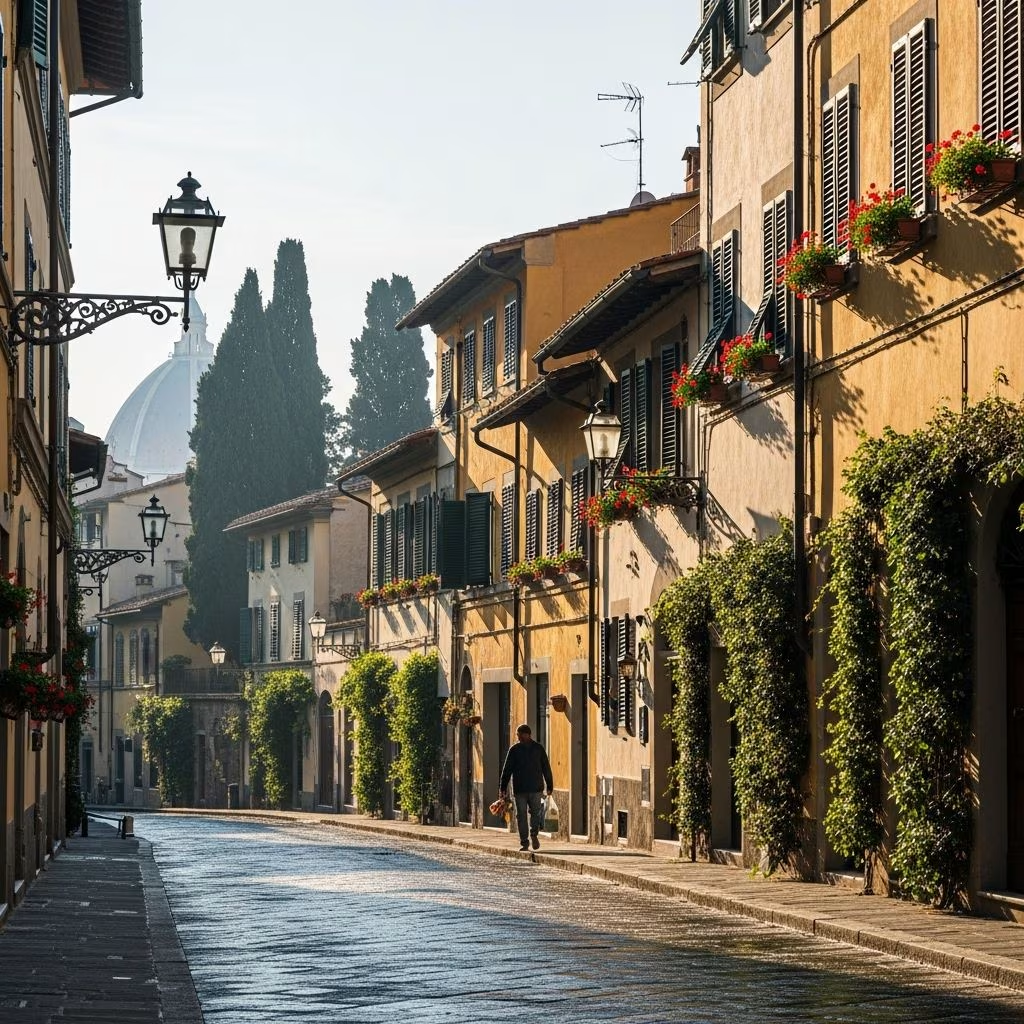
StaysFlorence, the cradle of the Renaissance, unfolds across a tapestry of neighborhoods each offering distinct flavors of history, culture, and daily life. Whether you’re drawn to monumental architecture, bustling markets, or hidden artisan workshops, these districts provide immersive experiences beyond the typical tourist trail. This guide dives into the city’s most compelling areas, helping you plan stays, itineraries, and discoveries tailored to your interests.
Iconic Heart: The Duomo and Signoria District
At Florence’s pulsating core lies the district encompassing **Piazza del Duomo** and **Piazza della Signoria**, a haven for lovers of art and architectural marvels. Here, the magnificent Cathedral of Santa Maria del Fiore dominates with its intricate marble facade and Brunelleschi’s revolutionary dome, a feat of 15th-century engineering that still awes visitors. Climb the dome for panoramic city views or explore the adjacent Baptistery, adorned with Ghiberti’s golden Gates of Paradise doors.
Stroll southward to Piazza della Signoria, home to the Palazzo Vecchio, the seat of medieval Florentine power. The square’s open-air sculpture gallery features replicas of Michelangelo’s David and other masterpieces, evoking the city’s republican past. This area buzzes with energy during the day, ideal for gelato breaks amid historic statues. Evenings bring a more relaxed vibe, perfect for dining al fresco at trattorias serving ribollita soup and bistecca alla fiorentina.
- Top Attractions: Duomo complex, Uffizi Gallery nearby, Loggia dei Lanzi.
- Best For: First-time visitors seeking postcard-perfect sights.
- Stay Tip: Boutique hotels offer rooftop terraces overlooking the Baptistery.
Gateway Hub: Santa Maria Novella Quarter
Serving as Florence’s primary entry point, the **Santa Maria Novella** neighborhood radiates from the central train station, blending convenience with understated elegance. High-speed links to Rome, Milan, and Venice make it a practical base, while its namesake church boasts Masaccio’s groundbreaking frescoes in the Brancacci Chapel, precursors to Michelangelo’s style.
Beyond transport, this area charms with the leather goods at the nearby market and the serene convent-turned-museum of Santa Maria Novella. Pharmacies here, operating since the 1200s, sell artisanal soaps and elixirs. It’s a short walk to the historic center, balancing accessibility with fewer crowds than the Duomo zone.
| Pros | Cons |
|---|---|
| Excellent rail connections | Busier near station |
| Affordable accommodations | Less scenic walks |
| Proximity to markets | Some chain stores |
Market Buzz: San Lorenzo and San Marco Enclave
North of the station, **San Lorenzo and San Marco** pulse with commercial vitality and Renaissance echoes. The Mercato Centrale anchors San Lorenzo, a two-level emporium where stalls overflow with fresh pecorino cheese, lampredotto sandwiches, and truffle-infused pasta. Upstairs, food halls elevate Tuscan cuisine with chef-led counters.
San Marco shines culturally, housing the Accademia Gallery with Michelangelo’s original David statue and the University of Florence’s academic vibe. Quiet piazzas and bookstores add a studious air, making it suitable for budget travelers. Shoppers thrive amid leather stalls and enotecas pouring Chianti by the glass.
- Must-Try Foods: Tripe sandwiches, handmade pasta.
- Hidden Gem: Medici Chapels for opulent tombs.
- Accommodation: Aparthotels near the market for self-catering.
Nightlife Pulse: Santa Croce and Sant’Ambrogio
East of the center, **Santa Croce and Sant’Ambrogio** ignite after dark, blending historic grandeur with youthful energy. The Basilica di Santa Croce, burial site of Machiavelli and Galileo, stuns with its frescoed interiors and neo-Gothic front. Nearby, Sant’Ambrogio’s market offers authentic local produce, less touristy than its central rivals.
This duo excels in aperitivo culture—think spritzes at bars spilling onto cobblestones—and live music venues. Craft beer spots and gelaterias dot the streets, while fashion boutiques showcase emerging designers. It’s lively yet navigable, with fewer crowds than the Duomo.
Artisan Soul: San Frediano and Santo Spirito in Oltrarno
Across the Arno River, the **Oltrarno**—split into San Frediano and Santo Spirito—embodies Florence’s creative spirit. San Frediano buzzes with leather workshops and gelato legends like Vivoli, while Santo Spirito’s piazza hosts artisan fairs and organic markets. Boboli Gardens nearby provide lush escapes with Renaissance statues.
These neighborhoods retain an authentic, less polished feel: goldsmiths hammer in open studios, vintage shops curate mid-century finds, and osterias serve family recipes. Bridges like Ponte Vecchio connect to the center, but the vibe shifts to neighborhood intimacy.
| Neighborhood | Signature Experience |
|---|---|
| San Frediano | Artisan leather crafting |
| Santo Spirito | Street art and markets |
Scenic Retreat: Boboli, San Niccolò, and San Miniato Hills
For tranquility, venture to **Boboli Gardens, San Niccolò, and San Miniato**, perched south of the Arno. The Boboli Gardens, behind Pitti Palace, unfold as a manicured wonderland of grottoes, fountains, and views—Europe’s blueprint for formal landscaping.
San Miniato al Monte’s Romanesque basilica crowns a hill, rewarding hikers with sunset vistas. San Niccolò’s narrow lanes hide wine bars and gelaterias. Ideal for picnics or escaping urban hustle, this area suits romantics and photographers.
Choosing Your Perfect Stay: Neighborhood Comparison
Florence’s compact size means most sights are walkable, but selecting a base enhances your trip. Centro Storico suits sightseers; Oltrarno, authenticity seekers; Santa Croce, partygoers.
- Families: Santa Maria Novella for logistics.
- Couples: Oltrarno for romance.
- Solo Travelers: San Marco for affordability.
Practical Tips for Exploring Florence Districts
Navigate via the ATAF bus system or rent e-bikes. Visit markets early to beat crowds. Spring and fall offer mild weather; book Duomo climbs in advance. Savor local etiquette: greet shopkeepers and dress modestly for churches.
Frequently Asked Questions
What’s the best neighborhood for first-timers in Florence?
The Duomo-Signoria area provides easy access to major landmarks like the cathedral and Uffizi.
Is Oltrarno worth staying in?
Yes, for its artisan charm and fewer tourists, especially San Frediano and Santo Spirito.
Which area has the best nightlife?
Santa Croce offers vibrant bars and late-night eats under the basilica’s shadow.
Where to find cheap eats in Florence?
San Lorenzo’s Mercato Centrale and Sant’Ambrogio market for street food bargains.
How walkable is Florence between neighborhoods?
Highly—most districts are 10-20 minutes apart on foot, crossing Ponte Vecchio.
References
- The best Florence neighborhoods to explore – Lonely Planet — Lonely Planet. 2023. https://www.lonelyplanet.com/articles/best-neighborhoods-in-florence
- Why the Wonderful Oltrarno Is the Best Neighborhood in Florence — Wander Your Way. 2022. https://wanderyourway.com/why-the-wonderful-oltrarno-is-the-best-neighborhood-in-florence/
- Where to Stay in Florence: 5 Best Areas for First-Time Travelers — Bon Traveler. 2024. https://www.bontraveler.com/where-to-stay-in-florence-italy/
- Where to Stay in Florence – A Local’s Neighborhood Guide — Go Ask A Local. 2023. https://goaskalocal.com/blog/where-to-stay-in-florence
- Your Ideal Florence Neighborhood (Revealed!) — YouTube (Stefano Ferro). 2023-10-15. https://www.youtube.com/watch?v=h2a-RxzcG58
On This Page
Iconic Heart: The Duomo and Signoria District Gateway Hub: Santa Maria Novella Quarter Market Buzz: San Lorenzo and San Marco Enclave Nightlife Pulse: Santa Croce and Sant’Ambrogio Artisan Soul: San Frediano and Santo Spirito in Oltrarno Scenic Retreat: Boboli, San Niccolò, and San Miniato Hills Choosing Your Perfect Stay: Neighborhood Comparison Practical Tips for Exploring Florence Districts Frequently Asked Questions← Previous
Best Places to Visit in South America: Top Bucket-List Destinations
Next →
Palma de Mallorca Travel Guide: Top Sights, Beaches & Food
Related Reading