

 Travel Essentials
 Travel Essentials

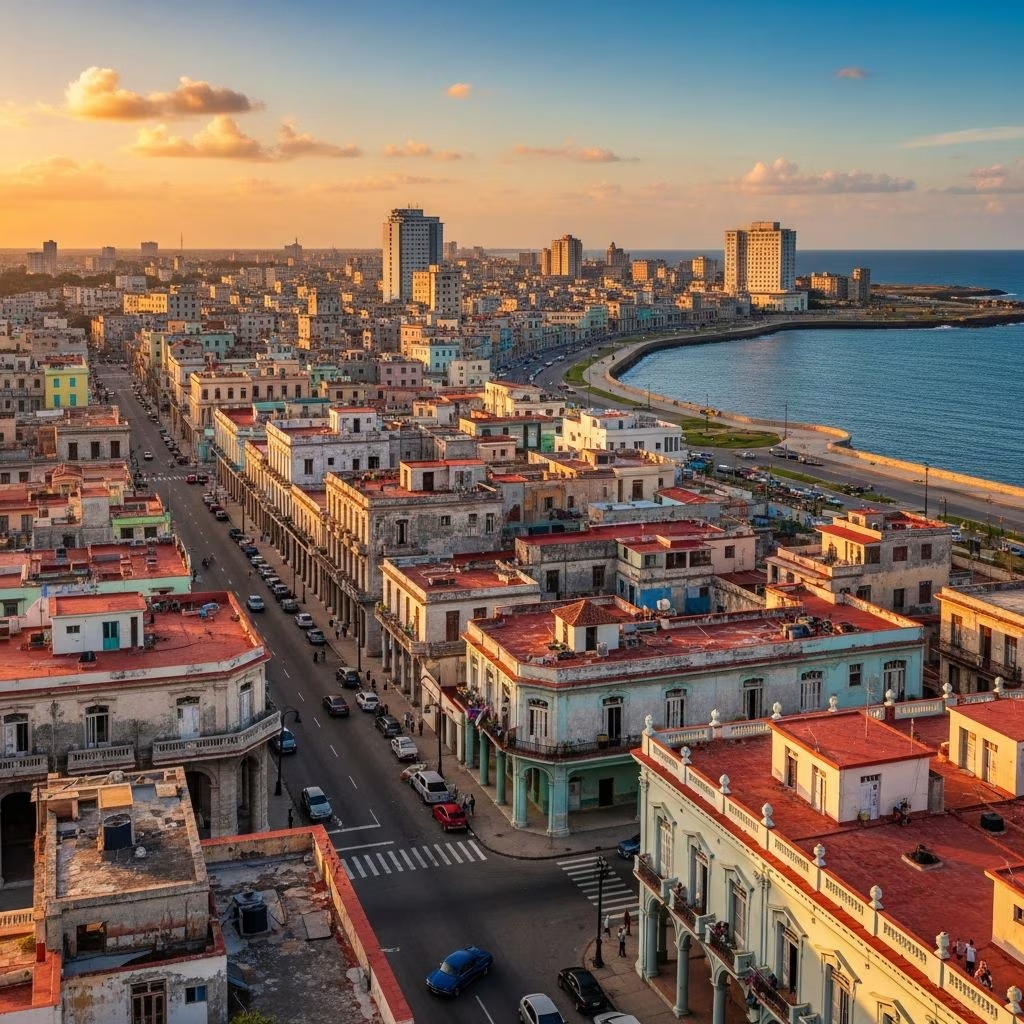
Explore Havana's distinct districts, each offering unique cultural experiences, architecture, and atmospheres for every traveler preference.
 Travel Essentials
Havana stands as one of the Caribbean’s most enchanting capitals, offering visitors a rich tapestry of distinct neighborhoods, each with its own character, history, and appeal. The Cuban capital’s urban landscape reflects centuries of cultural evolution, architectural development, and social transformation. Whether you seek immersion in centuries-old colonial architecture, authentic street-level cultural experiences, contemporary amenities, or upscale sophistication, Havana’s various districts cater to diverse preferences and travel styles. This guide examines the city’s principal neighborhoods to help travelers make informed decisions about where to explore and potentially lodge during their visit.
The city’s layout reflects its historical development as a colonial port city that evolved into a modern metropolitan center. Havana’s neighborhoods emerged from distinct historical periods and economic circumstances, creating distinct zones that represent different eras of urban development. The waterfront, known as the Malecón, serves as a geographic anchor that influences neighborhood characteristics and accessibility throughout the city. Understanding these geographic relationships helps visitors navigate the city more effectively and appreciate how each district contributes to Havana’s overall identity.
The Old City represents Havana’s most historically significant district and serves as the primary focal point for heritage tourism. This neighborhood preserves some of the Western Hemisphere’s finest examples of colonial-era urban design and architecture. The area encompasses numerous plazas, each with distinctive character and historical importance, connected by narrow winding streets that discourage vehicular traffic and encourage pedestrian exploration.
Architectural restoration efforts have transformed significant portions of this district, revealing the ornate facades and elaborate decorative elements that characterize Spanish colonial design. Travelers encounter palatial residences, fortified structures, religious buildings, and civic monuments that collectively represent centuries of artistic and engineering achievement. The district functions as a living museum where contemporary life coexists with historical preservation, creating an atmosphere that appeals to culture enthusiasts, historians, and photographers.
Museums, galleries, restaurants, and boutique accommodations cluster throughout the historic quarter, making it highly walkable and convenient for visitors seeking cultural immersion. The neighborhood’s status as a designated World Heritage Site reflects international recognition of its cultural and architectural significance.
Adjacent to the historic quarter lies the neighborhood that represents contemporary urban Cuban life in its most unfiltered form. This district displays the contradictions inherent in modern Havana—decaying structures alongside newly restored buildings, bustling commercial activity amid quiet residential pockets, and energetic nightlife near peaceful plazas. The neighborhood pulses with the rhythm of everyday existence, where residents conduct business, socialize, work, and celebrate without particular regard for tourist activities.
Street life dominates this neighborhood, with extended family groups gathering in doorways, vendors managing informal markets, musicians performing in public spaces, and the constant hum of classic American automobiles creating an auditory landscape distinct from other districts. The area’s famous promenade stretches over one kilometer, connecting the waterfront to urban parkland and marking the psychological transition between neighborhoods.
This district appeals to travelers seeking genuine cultural connection rather than curated tourist experiences. Accommodation options tend toward budget-friendly guesthouses rather than luxury establishments. Restaurants showcase authentic Cuban cuisine at affordable prices. The neighborhood’s energy and authenticity come with modest infrastructure challenges, but these constraints enhance rather than diminish the genuine character that attracts culturally curious visitors.
Positioned west of the historic center, this neighborhood represents Havana’s twentieth-century expansion and modernization. The district features distinctive Art Deco architecture, mid-century commercial buildings, and residential structures reflecting international design movements of the 1920s through 1950s. Wide tree-lined avenues provide breathing room compared to the narrow streets of older quarters, while public parks and green spaces create recreational opportunities and aesthetic appeal.
This neighborhood functions as Havana’s contemporary cultural and commercial nucleus. Theaters, galleries, bookstores, cafes, and restaurants cluster throughout the district, creating vibrant streetscapes particularly animated during evening hours. The neighborhood’s cultural institutions host performances, exhibitions, and events that draw both locals and visitors. Educational facilities, government offices, and business establishments concentrate here, reflecting the district’s role as an administrative and commercial hub.
Accommodations range from restored historic properties converted into boutique hotels to contemporary establishments offering modern amenities. Dining options span from casual street vendors to sophisticated restaurants. The neighborhood appeals to travelers seeking contemporary Cuban culture rather than purely historical experiences, combining cultural attractions with lifestyle conveniences.
Located west along the coastal highway, this affluent neighborhood developed during the twentieth century as an exclusive residential enclave. Sprawling properties set back from tree-canopied streets characterize the district’s layout and aesthetic. Neoclassical mansions, many originally constructed as private residences for prominent families and foreign dignitaries, dominate the architectural landscape. Many of these impressive structures have been converted into hotels, restaurants, embassies, and cultural institutions while maintaining their original grandeur.
The neighborhood’s broad avenues and generous setbacks create an open, airy atmosphere distinct from the compact density of historic and central districts. Lush vegetation, including substantial trees establishing a mature landscape, provides natural beauty and shade. The area remains less tourist-focused than central neighborhoods, offering quieter exploration and more relaxed pacing.
This quarter has experienced growing entrepreneurial activity with the expansion of Cuba’s private business sector. Upscale restaurants, galleries, and shops continue emerging throughout the neighborhood, gradually transforming its character while maintaining its residential ambiance. Evening hours reveal the district’s sophisticated nightlife, with salsa clubs and sophisticated venues attracting both residents and visitors seeking elevated entertainment options.
Beyond the primary central districts lie neighborhoods offering alternative perspectives on Havana. Residential quarters further from the tourist corridor provide insight into daily Cuban life and feature local markets, community gathering spaces, and historic landmarks significant to residents but less known to international visitors. These areas appeal to adventurous travelers seeking authentic experiences beyond established tourist circuits.
Coastal neighborhoods offer waterfront access, local beaches, and maritime atmosphere distinct from inland districts. These areas combine recreational opportunities with community-oriented businesses and accommodations, providing options for travelers prioritizing different amenities than those available in central zones.
| Neighborhood | Primary Appeal | Atmosphere | Best For | Accommodation Style |
|---|---|---|---|---|
| Historic Quarter | Colonial architecture and museums | Touristy, vibrant, crowded | First-time visitors, history enthusiasts | Boutique hotels, guesthouses |
| Urban Center | Authentic daily life and street culture | Raw, energetic, chaotic | Cultural immersion seekers, budget travelers | Budget guesthouses, basic hotels |
| Modern Hub | Contemporary culture and nightlife | Cosmopolitan, mixed-income, dynamic | Balanced experience seekers, culture fans | Diverse options, modern hotels |
| Diplomatic Quarter | Elegant residences and upscale dining | Refined, peaceful, exclusive | Luxury seekers, families, business travelers | Upscale hotels, luxury properties |
| Peripheral Areas | Local perspective and authentic experiences | Residential, quiet, genuine | Adventure travelers, long-term visitors | Limited but authentic options |
Navigating between Havana’s neighborhoods requires understanding available transportation options. Walking remains viable within neighborhoods and for connections between adjacent districts, though distances can be substantial. Classic American automobiles dominate the taxi service, operated both as informal shared transportation and as private hire vehicles. Bicycles and motorcycles provide alternative mobility options increasingly popular among visitors. The street layout, featuring Malecón as a primary geographic reference point, helps orientation even for first-time visitors.
Each neighborhood maintains distinct accessibility characteristics—central districts concentrate commercial establishments and attractions within walking distance, while outlying areas may require taxi or tour services for convenient access to primary attractions.
First-time visitors typically gravitate toward the historic quarter, offering concentrated cultural attractions, museums, and accommodations within a manageable geographic area. This neighborhood provides essential Havana experiences efficiently, though adding visits to adjacent urban and modern districts rounds out the experience.
The urban center neighborhood provides unfiltered observation of contemporary Cuban life. Residents conduct daily activities throughout public spaces, street-level commerce operates informally, and tourists remain secondary to local activity. This authenticity appeals to culturally curious visitors willing to embrace urban complexity.
The diplomatic quarter offers peaceful environments, family-oriented restaurants, and parks suitable for children. The modern hub district balances cultural attractions with recreational options. Both provide safer perceived environments and more familiar service standards compared to budget-oriented neighborhoods.
Historic and central districts feature narrow streets, uneven surfaces, and challenging topography. Modern and diplomatic quarters offer better infrastructure and wider streets, though complete accessibility remains limited citywide. Travelers with specific accessibility needs should research particular accommodations in advance.
The modern hub district concentrates theaters, music venues, clubs, and contemporary restaurants. The diplomatic quarter features sophisticated nightlife venues. These neighborhoods offer more established entertainment infrastructure compared to historic and peripheral areas.
Havana attracts visitors throughout the year, though seasonal variations influence neighborhood dynamics and accommodation availability. Peak tourism periods concentrate visitors in historic and modern districts, creating crowding and elevated prices. Shoulder seasons offer more manageable conditions with continued availability of attractions and services. Weather patterns, hurricane seasons, and cultural events influence optimal visiting periods.
Havana’s neighborhoods collectively represent a living history of Caribbean urban development, cultural evolution, and contemporary life. Each district offers distinct experiences shaped by its unique history, architecture, social dynamics, and atmosphere. Whether travelers prioritize historical immersion, authentic cultural connection, contemporary sophistication, or refined comfort, Havana’s varied neighborhoods accommodate different preferences and travel philosophies. The most rewarding Havana experiences often involve moving between neighborhoods, observing transitions, and appreciating how each district contributes to the city’s overall character and appeal. By understanding these distinct areas and aligning neighborhood choice with personal travel objectives, visitors maximize their Havana experience and create meaningful connections with this uniquely complex Caribbean capital.
