

 Travel Essentials
 Travel Essentials

A comprehensive guide to Kyoto's distinctive neighborhoods, each offering unique cultural experiences, dining, entertainment, and historical attractions.
 Travel Essentials
Kyoto, Japan’s ancient imperial capital, unfolds across numerous distinctive neighborhoods, each with its own compelling narrative and character. Rather than functioning as a single homogeneous destination, the city comprises multiple quarters that cater to different interests and preferences. Whether you seek atmospheric historical districts, contemporary urban energy, culinary adventures, or spiritual contemplation, Kyoto’s varied neighborhoods provide tailored experiences that capture different facets of Japanese culture and tradition.
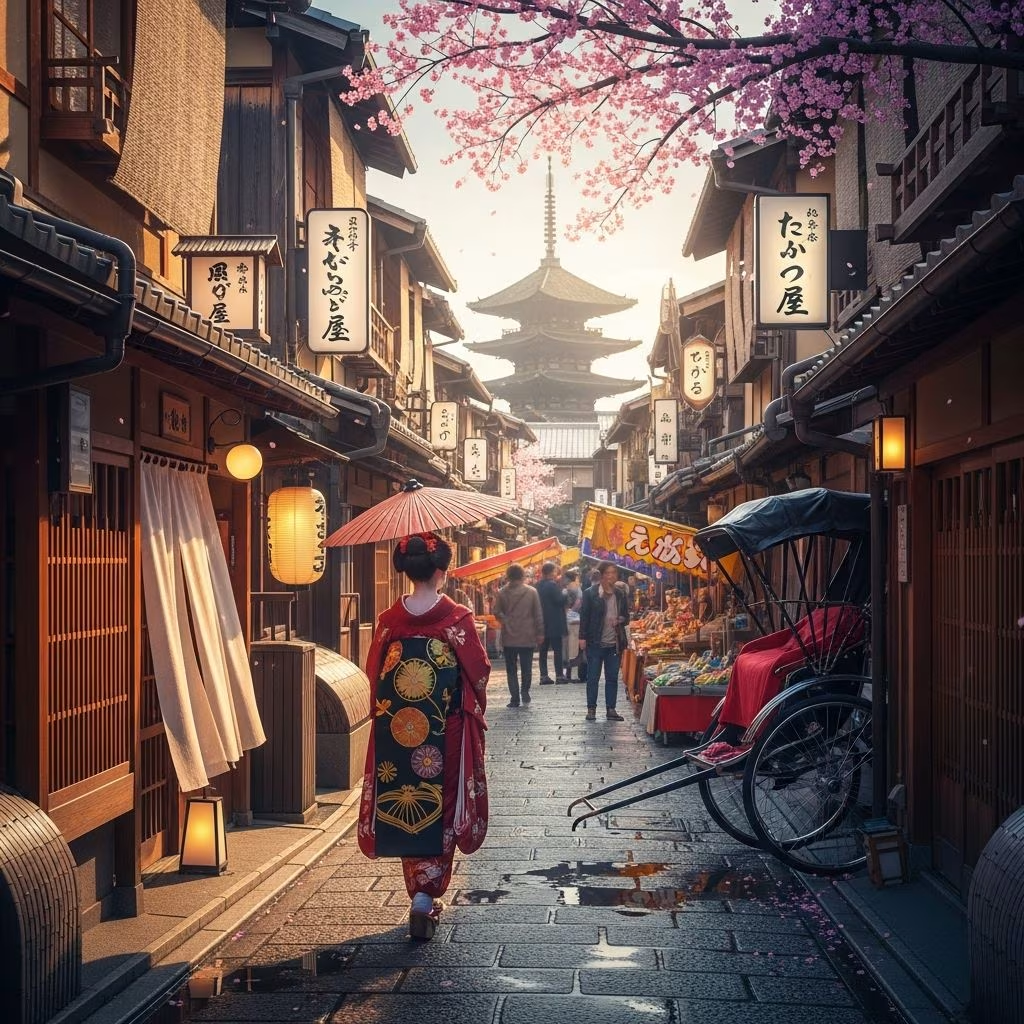
Gion stands as one of Kyoto’s most internationally recognized neighborhoods, renowned for its preservation of traditional Japanese aesthetics and cultural practices. This quarter earned its prominence during Japan’s feudal period, evolving into a sophisticated entertainment destination where traditional performing arts flourished. The narrow, atmospheric streets are lined with machiya—traditional wooden townhouses that serve as residences, teahouses, and performance venues.
Walking through Gion’s winding lanes creates an immersive journey into Japan’s artistic heritage. The neighborhood maintains strict architectural guidelines that preserve its historical character, preventing modern development from disrupting the traditional atmosphere. Visitors frequently encounter geiko (female performers trained in classical arts) moving between appointments, particularly during evening hours when the quarter comes alive with activity.
Beyond its historical significance, Gion functions as a vibrant dining and entertainment destination. The neighborhood offers exceptional restaurants ranging from intimate sushi counter experiences to multi-course kaiseki establishments. The evening ambiance transforms Gion into a sophisticated social hub where both locals and visitors gather to experience Japan’s refined cultural traditions.
Higashiyama encompasses a substantial historic preservation district that sits in Kyoto’s foothills, east of the city center. This expansive neighborhood contains some of Japan’s most significant cultural landmarks, including major temples, traditional residences, and cobblestone pathways that evoke the feudal era. The district’s commitment to maintaining authentic architecture creates an environment where contemporary visitors can visualize how Kyoto functioned centuries ago.
The neighborhood divides into northern and southern sections, each offering distinct experiences. Southern Higashiyama attracts visitors primarily interested in temple exploration and traditional cultural immersion, with pedestrianized streets and well-preserved wooden buildings creating an exceptionally photogenic environment. Northern Higashiyama maintains a quieter, more residential character, providing visitors seeking authentic local experiences with opportunities to explore beyond established tourist circuits.
Higashiyama functions as an ideal base for temple-focused itineraries, given the concentration of major religious sites throughout the district. The neighborhood’s peaceful morning and evening hours offer contemplative experiences before and after peak visitor periods, allowing more intimate encounters with Kyoto’s spiritual heritage.
Ponto-chō represents a specialized neighborhood experience, consisting of a narrow pedestrian alley between two major downtown shopping streets along the Kamo River. This distinctive quarter emerged historically as a geisha enclave and maintains that refined entertainment heritage through its collection of traditional restaurants and bars.
The neighborhood’s defining characteristic involves seasonal riverside dining platforms that extend over the Kamo River during summer months, creating uniquely romantic outdoor dining experiences. These temporary platforms transform the riverside into an atmospheric social space where diners enjoy meals while listening to water sounds and observing the river’s movement. This seasonal adaptation demonstrates how Kyoto’s neighborhoods evolve with environmental conditions to enhance visitor experiences.
Ponto-chō attracts visitors specifically interested in refined nightlife and exceptional cuisine, with establishments emphasizing seasonal ingredients and traditional preparation methods. The alley’s intimate scale and historical preservation create an authentically Japanese entertainment experience distinct from more commercialized shopping districts.
Fushimi occupies historical significance as the location of major Shinto shrines and religious pilgrimage sites. This neighborhood served administrative functions during Japan’s imperial periods and maintains spiritual importance through its extensive shrine network. Visitors prioritizing Shinto spiritual experiences and religious architecture find Fushimi particularly compelling.
The neighborhood’s character reflects its religious emphasis, with street layouts oriented toward shrine access and maintenance facilities supporting pilgrimage activities. Traditional businesses catering to visitors performing religious observations cluster throughout Fushimi, creating an environment distinctly different from entertainment or shopping-focused districts.
Nakagyō ward occupies Kyoto’s geographical center and functions as the city’s primary administrative and commercial hub. This neighborhood contains Nijō Castle, the Kyoto International Manga Museum, and extensive covered shopping arcades including the famous Nishiki Food Market. Nakagyō’s concentration of hotels, ryokan (traditional Japanese inns), restaurants, and shops makes it the most accessible neighborhood for visitors prioritizing convenience.
The neighborhood’s modern urban aesthetic, combining contemporary commercial development with traditional residential pockets and machiya townhouses, creates a dynamic environment. Nakagyō appeals to visitors seeking authentic local experiences within walking distance of major attractions, comprehensive dining options, and abundant accommodation choices ranging from chain hotels to boutique properties.
Nishijin District within Nakagyō maintains Kyoto’s traditional weaving heritage, preserving textile production techniques and historical workshops. This specialized sub-district appeals to visitors interested in Japanese craftsmanship and textile arts.
| Neighborhood | Primary Appeal | Best For | Activity Level |
|---|---|---|---|
| Gion | Traditional arts, entertainment | Evening experiences, cultural immersion | Very High |
| Higashiyama | Temples, architecture, history | Temple touring, photography | High |
| Ponto-chō | Refined dining, riverside ambiance | Culinary experiences, special occasions | Moderate |
| Fushimi | Shinto heritage, spiritual sites | Religious pilgrimage, spiritual tourism | Moderate to High |
| Nakagyō | Urban convenience, shopping, dining | First-time visitors, convenience seekers | Very High |
Selecting appropriate neighborhoods depends entirely on individual travel priorities and interests. Travelers seeking immersive traditional experiences should prioritize Gion and Southern Higashiyama, understanding that these areas attract substantial visitor numbers. Strategic timing—visiting major attractions during early morning or late evening hours—allows experiencing these neighborhoods’ authentic character while avoiding peak crowds.
Visitors prioritizing local atmosphere over famous landmarks should consider Northern Higashiyama’s quieter residential streets, where exploration often yields unexpected discoveries and genuine local interactions. Those valuing convenience and accommodation options find Nakagyō’s central location eliminates transportation challenges and provides comprehensive amenities within walking distances.
Downtown Kyoto functions as the commercial heart, featuring extensive shopping districts, arcade-covered shopping streets, and the Kamo River’s recreational pathways. This neighborhood appeals to visitors combining cultural exploration with contemporary shopping experiences and outdoor activities.
Nakagyō offers the most diverse accommodation options, ranging from international hotel chains to family-run ryokan and boutique properties. This neighborhood’s infrastructure development provides travelers with maximum flexibility in selecting accommodations matching various budgets and preferences.
Gion and Southern Higashiyama feature limited accommodation availability given strict preservation requirements and land-use restrictions, though available options emphasize traditional aesthetics and cultural authenticity. Downtown neighborhoods provide abundant modern hotel infrastructure alongside some traditional accommodations.
Transit connections vary by neighborhood, with downtown and central areas offering superior public transportation access, while more residential districts require occasional transit connections to major attractions. Pedestrian-friendly street networks in Gion and Higashiyama compensate for limited transit by enabling extensive exploration on foot.
Kyoto’s neighborhoods experience significant visitor fluctuations based on seasonal factors and daily rhythms. Morning visits to temple-focused areas like Higashiyama provide peaceful, contemplative experiences before tour groups arrive. Evening hours transform Gion and Ponto-chō into sophisticated entertainment zones, while midday typically brings maximum visitor concentrations to all major districts.
Seasonal considerations influence neighborhood experiences, with cherry blossom and autumn foliage seasons dramatically increasing visitor volumes across all districts. Counter-seasonally, winter and early summer often provide opportunities for more intimate encounters with neighborhood character and local residents.
While five neighborhoods receive primary attention in visitor literature, Kyoto contains numerous additional districts offering authentic local experiences for travelers venturing beyond established tourist circuits. These secondary neighborhoods often feature residential architecture, local restaurants, neighborhood shrines, and commercial areas serving primarily local populations rather than tourists.
Exploring secondary neighborhoods requires greater independence and Japanese language capability but rewards curious travelers with unmediated encounters with contemporary Japanese urban life. These areas frequently contain specialty shops, neighborhood restaurants, and community gathering spaces rarely encountered in primary tourist districts.
Kyoto’s compact urban layout enables reasonable distances between most neighborhoods, making day-long explorations of multiple districts entirely feasible. Public transportation systems connect all major neighborhoods, though pedestrian navigation often proves most efficient for nearby areas. Bicycle rentals provide excellent alternatives for traversing distances between districts while maintaining flexibility for spontaneous exploration.
Kyoto’s neighborhoods collectively present a layered urban environment accommodating diverse travel interests and experience levels. First-time visitors typically benefit from base positioning in Nakagyō or Downtown areas, using these accessible locations for exploring multiple neighborhoods throughout their stay. Returning visitors and those prioritizing specific interests—cultural immersion, spiritual exploration, culinary adventures—can optimize their time through neighborhood selection aligning with personal priorities.
The preservation of distinct neighborhood characters demonstrates Kyoto’s commitment to maintaining cultural heritage while accommodating contemporary urban functions. Understanding these neighborhoods’ individual characteristics enables visitors to construct personalized itineraries reflecting their interests, travel style, and experience level, ensuring their Kyoto visit captures the specific dimensions of Japanese culture and tradition most meaningful to them.
