

 Travel Essentials
 Travel Essentials

Comprehensive guide to Milan's diverse neighborhoods, from historic centers to trendy design hubs, helping visitors discover the perfect area to stay.
 Travel Essentials
Milan stands as Italy’s fashion and design capital, yet many visitors limit their experience to a single neighborhood. The city’s true character emerges when exploring its diverse districts, each offering distinct personalities, architectural styles, and cultural attractions. Whether you’re drawn to Renaissance art, contemporary design, vibrant nightlife, or exclusive shopping, Milan’s neighborhoods cater to every traveler’s interests.
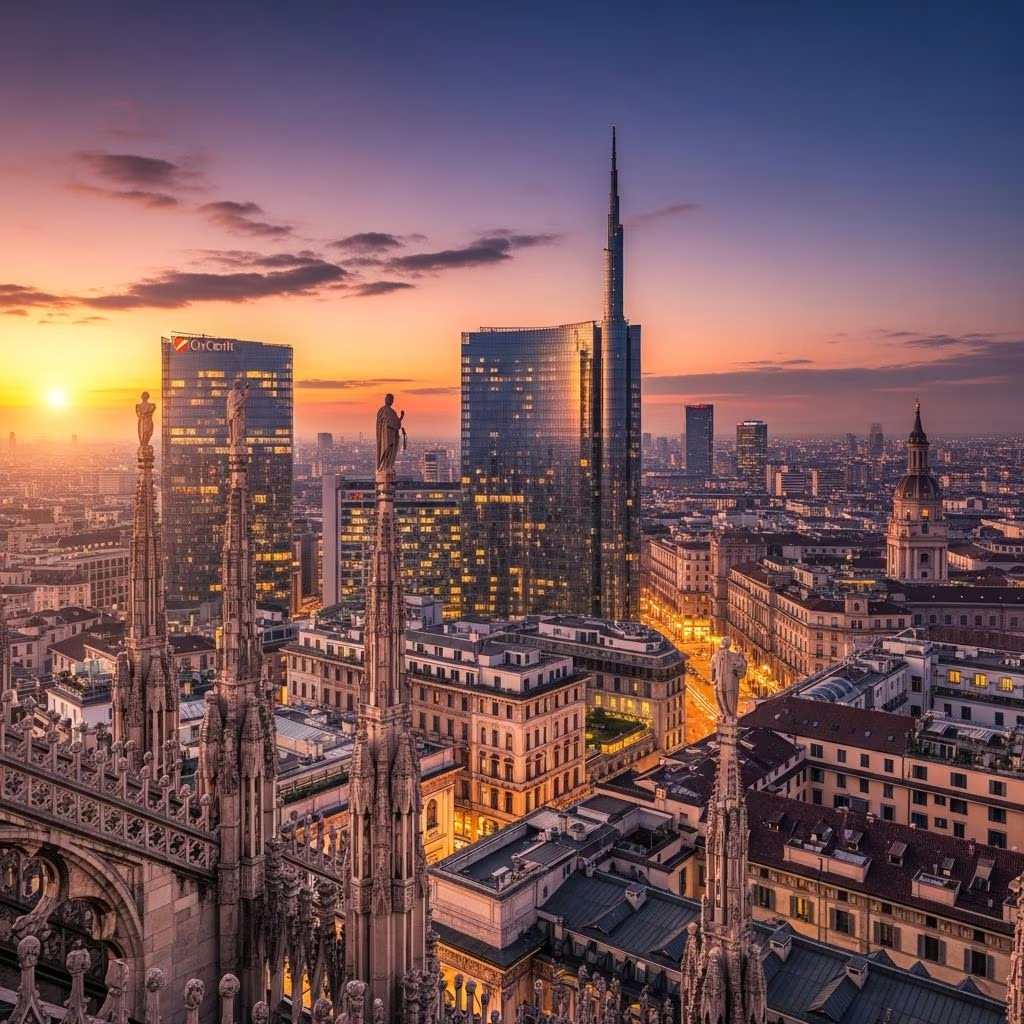
The heart of Milan revolves around its most iconic landmark—the breathtaking Gothic cathedral that dominates the city’s skyline. This central district represents Milan’s traditional tourism epicenter, where centuries-old architecture creates a mesmerizing backdrop for urban exploration. The area’s pedestrian-friendly layout means visitors can experience major attractions without relying on public transportation, making it ideal for those seeking convenience and cultural immersion.
This neighborhood pulses with energy throughout the day and evening. Galleries, boutique shops, and restaurants line the streets, catering to both tourists and locals. The architecture here tells stories of Milan’s medieval past, with ornate facades and hidden courtyards revealing centuries of artistic development. For travelers arriving in Milan for the first time or those with limited time, this central location provides unparalleled access to the city’s most celebrated sites.
Just north of the historic center lies a neighborhood renowned for its artistic credentials and bohemian charm. This district has long attracted artists, intellectuals, and creative professionals who have transformed its cobblestone streets into a living gallery. The area’s character combines old-world elegance with contemporary cultural vibrancy.
A major cultural institution anchors this neighborhood, housing an impressive collection of masterpieces spanning Italian Renaissance to European artistic movements. The museum draws art enthusiasts from around the world, making this district essential for culture-focused travelers. Beyond the museum walls, independent galleries occupy ground-floor spaces, showcasing emerging artists and experimental installations.
The neighborhood’s dining scene reflects its creative spirit. Cozy traditional eateries serve classic Italian fare alongside trendy restaurants offering international cuisine. Boutique shops and independent fashion retailers populate the streets, offering alternatives to mainstream shopping experiences. The atmosphere transforms especially at night, when restaurants and cafés fill with locals and visitors enjoying aperitivos and evening meals.
South of the city center, a neighborhood built around two historic canals offers a distinctly different Milan experience. This district balances bohemian aesthetics with sophisticated entertainment options, creating an appealing destination for those seeking vibrant nightlife and contemporary culture. The canals, crisscrossed by charming bridges, provide scenic walking routes and romantic evening strolls.
The neighborhood has undergone significant transformation while maintaining its historic character. Former industrial warehouses have been converted into trendy restaurants, cocktail bars, and music venues. The water-centric layout creates natural gathering spaces, particularly on warm evenings when residents congregate along the canal banks with drinks and conversation.
This area appeals strongly to younger travelers and locals seeking cutting-edge dining and entertainment experiences. The restaurant scene particularly stands out, offering everything from casual trattorias serving traditional Milanese cuisine to innovative establishments pushing culinary boundaries. The bar culture thrives here, with establishments ranging from casual neighborhood cafés to sophisticated cocktail lounges.
Milan’s reputation as a fashion epicenter reaches its apex in a specific geometric area that serves as the global headquarters of luxury fashion and design. This exclusive neighborhood encompasses several city blocks where the world’s most prestigious fashion houses maintain flagship stores and design studios. The architecture here reflects wealth and refinement, with elegant facades and carefully curated storefronts.
For fashion enthusiasts, this district offers an unparalleled shopping experience. Beyond the major luxury brands, smaller boutiques and independent designers showcase Milan’s ongoing contribution to global fashion trends. The neighborhood’s aesthetic emphasizes sophistication—even the streets themselves appear designed for high-fashion photography.
Hotels in this area cater exclusively to luxury travelers, with price points reflecting the neighborhood’s prestigious status. Dining options lean toward upscale establishments, though some casual cafés provide respite during shopping excursions. This neighborhood works best for visitors prioritizing shopping and willing to pay premium prices for accommodations and dining.
North of the historic center, newer neighborhoods showcase Milan’s commitment to contemporary urban planning and sustainable development. These areas feature striking modern architecture, including sleek skyscrapers that define Milan’s evolving skyline. Wide streets, spacious sidewalks, and green public gardens provide contrast to the dense medieval center.
These neighborhoods represent Milan’s forward-thinking approach to urban design. Public parks offer respite from city exploration, while contemporary art museums and cultural centers celebrate modern artistic expression. The dining and shopping scenes here appeal to residents as much as visitors, with establishments reflecting both international trends and local preferences.
The atmosphere in these districts differs markedly from the historic center. Less touristy and more authentically lived-in, these neighborhoods offer travelers genuine glimpses into contemporary Milanese life. Hotels here provide excellent value compared to central locations, while maintaining proximity to major attractions via excellent public transportation connections.
East of the center, a neighborhood has emerged as Milan’s most culturally diverse and vibrant district. Originally characterized by elegant 19th-century Art Nouveau architecture, this area has evolved into a dynamic hub where international communities, artists, and cultural institutions coexist. Historic buildings with ornate facades house contemporary galleries, diverse restaurants, and inclusive community spaces.
A major public garden anchors this neighborhood, providing green space for relaxation and recreation. The garden’s historic trees and pathways offer peaceful respite from urban energy while remaining easily accessible. Nearby, a famous street lined with shops and cafés becomes particularly lively during evening hours.
This neighborhood distinguishes itself through cultural inclusivity and artistic innovation. Contemporary art institutions showcase experimental work and emerging artists. The dining scene reflects international influences, with establishments offering cuisine from around the world alongside traditional Italian options. This neighborhood appeals particularly to travelers seeking authentic local experiences and cultural engagement beyond typical tourist circuits.
| Neighborhood Focus | Best For | Atmosphere | Price Range |
|---|---|---|---|
| Historic Center | First-time visitors, major sightseeing | Touristy, bustling, vibrant | High |
| Artistic District | Art lovers, culture enthusiasts | Bohemian, sophisticated, quiet | Medium-High |
| Canal Quarter | Nightlife seekers, young travelers | Trendy, energetic, social | Medium |
| Fashion District | Luxury shoppers, fashion focused | Exclusive, refined, upscale | Very High |
| Modern District | Contemporary design, architecture | Urban, developing, cosmopolitan | Medium |
| Multicultural Quarter | Local experiences, diversity | Authentic, inclusive, artistic | Medium |
When selecting a Milan neighborhood, several practical factors merit consideration beyond atmospheric appeal. Transportation connections vary significantly, with central neighborhoods offering walking accessibility to major sites while peripheral areas require public transit use. Hotel availability and pricing fluctuate seasonally, with peak tourism periods (spring and early fall) commanding premium rates across all neighborhoods.
Visitor interests should primarily guide neighborhood selection. Art enthusiasts benefit from staying in districts with gallery concentrations, while fashion-focused travelers may prioritize proximity to designer stores despite higher costs. Those seeking authentic local experiences might sacrifice some sightseeing convenience for neighborhoods with genuine residential character.
Budget considerations significantly impact neighborhood viability. Central locations and exclusive districts command substantially higher prices than peripheral neighborhoods, though excellent public transportation makes outer areas viable bases for city exploration. Some travelers prefer budget accommodations in outer neighborhoods, allocating savings toward dining and entertainment in central areas.
Milan’s neighborhood experiences shift with seasons and major events. Design Week dramatically transforms specific districts, with installation art and special exhibitions drawing international crowds. Fashion weeks bring intensified energy to fashion-focused neighborhoods, with higher hotel occupancy and elevated prices. Summer months see reduced local activity as Milanese residents depart for vacations, creating different neighborhood atmospheres compared to winter periods.
Spring and fall generally offer optimal visiting conditions, with pleasant weather and vibrant neighborhood activity. Summer can feel quieter as locals leave, though this reduces crowd density in major tourist areas. Winter transforms neighborhoods into cozy urban retreats, with illuminated streets and holiday atmospheres in central districts.
The artistic district bordering the historic center provides excellent access to major cultural attractions while maintaining genuine neighborhood character. This area attracts many locals in addition to visitors, creating authentic urban energy without overwhelming tourist crowds.
The multicultural quarter and modern development areas offer better value accommodations than central neighborhoods. These areas provide easy public transportation access to major attractions while reducing nightly lodging costs by 30-50% compared to central districts.
The canal quarter and areas around contemporary galleries should be priority neighborhoods. Design Week concentrates installations and exhibitions in these districts, making them ideal bases during this major annual event.
Absolutely. Selecting a centrally-located base allows daily exploration of different neighborhoods via public transportation or walking. Many visitors stay in one neighborhood while spending days exploring different districts’ attractions, restaurants, and shops.
The canal quarter stands out for nightlife, with concentrated venues and social energy throughout evening hours. The artistic district also maintains evening activity with restaurants, galleries, and cafés staying open late. The modern districts have emerging nightlife scenes but less concentration than canal areas.
Choosing where to stay in Milan shapes your entire travel experience. Each neighborhood offers distinct advantages and characteristics, catering to different travel styles and interests. First-time visitors with limited time benefit from central locations despite higher costs, while repeat visitors often explore peripheral neighborhoods for authentic local experiences.
Consider layering your factors: combine your primary interests with transportation accessibility, budget parameters, and desired atmosphere. Many travelers successfully split their stays across multiple neighborhoods, experiencing different aspects of Milan across several districts. This approach maximizes neighborhood variety while maintaining trip coherence.
Milan’s neighborhoods collectively represent one of Europe’s most compelling urban destinations. From medieval piazzas to contemporary architecture, from world-class art museums to cutting-edge design galleries, from haute couture flagships to neighborhood trattorias, Milan offers experiences suited to every traveler. Your neighborhood selection simply determines which of these experiences become your personal Milan story.
