

 Travel Essentials
 Travel Essentials

Uncover Rio's best neighborhoods for every traveler: beaches, culture, nightlife, nature, and more. Get insider tips on where to stay, eat, and play.
 Travel Essentials
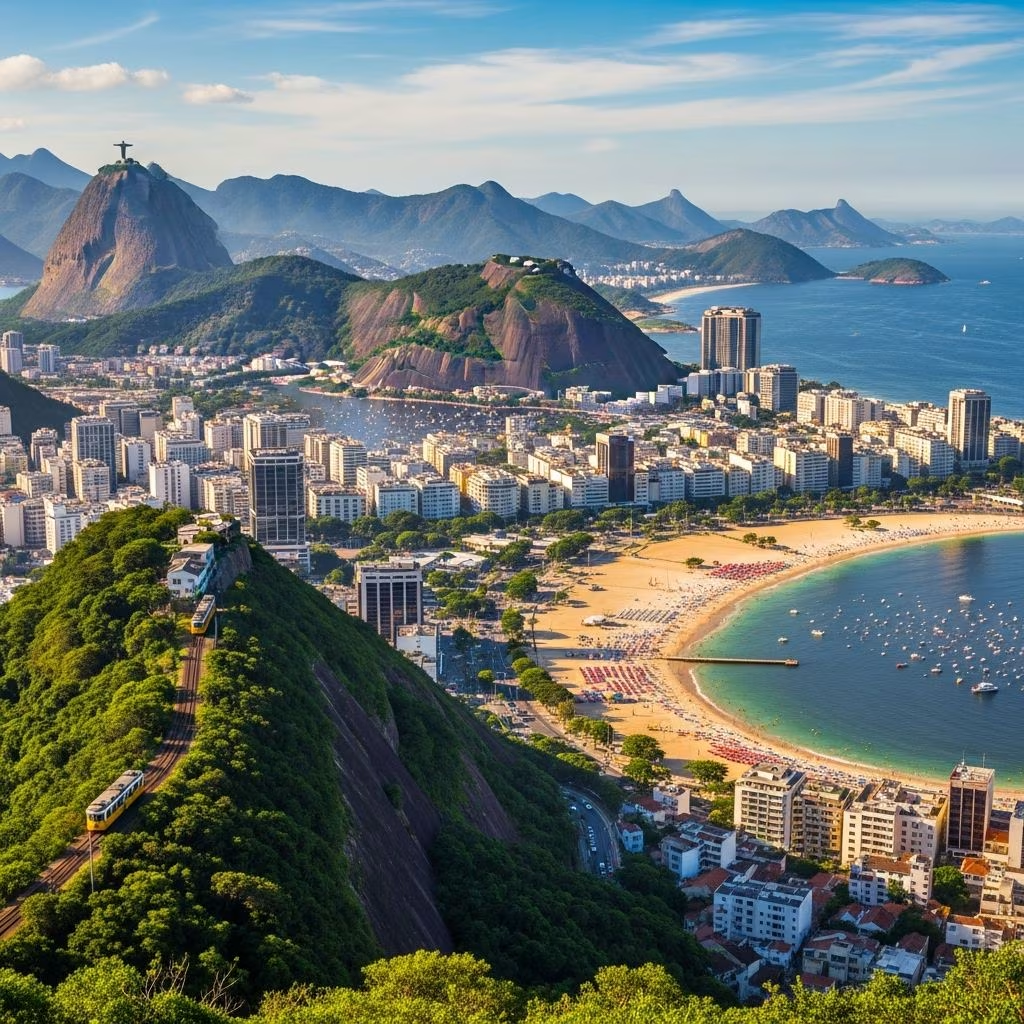
Rio de Janeiro captivates with its stunning beaches, lush mountains, and pulsating urban energy. Beyond the postcard-perfect images of Christ the Redeemer and Sugarloaf Mountain, the city’s neighborhoods offer diverse experiences tailored to every type of traveler. Whether you crave sun-soaked sands, cultural immersion, nightlife thrills, or nature escapes, Rio’s districts deliver. This guide dives into the standout areas, highlighting what makes each unique, top attractions, dining spots, and practical advice for visitors.
Rio divides into four main zones: Zona Norte (North), Centro (Center), Zona Sul (South), and Zona Oeste (West). Zona Sul boasts the famous beachfronts like Copacabana and Ipanema, while Centro pulses with history and revitalized waterfronts. Hilly enclaves like Santa Teresa provide bohemian charm, and inland spots like Jardim Botânico offer green serenity. Each zone blends Carioca culture—think samba, street art, and feijoada—with modern vibes.
Navigating these areas is straightforward via metro, buses, or rideshares like Uber. Safety varies: stick to well-lit spots, avoid flashing valuables, and use official taxis at night. Peak seasons (December-February) bring crowds; shoulder months (March-May, September-November) offer milder weather and fewer tourists.
Tucked north of Centro, Gamboa emerges from its industrial roots into a hotspot for history buffs and night owls. Revitalization around Praça Mauá has birthed world-class museums like the futuristic Museu do Amanhã (Museum of Tomorrow), showcasing sustainability and innovation, and the adjacent Museu de Arte do Rio (MAR), celebrating local art.
Explore colonial warehouses turned galleries, street murals, and samba bars where live music echoes till dawn. Gamboa’s gritty edge attracts artists and locals, fostering authentic encounters. Stay in boutique hostels or Airbnb lofts; dine on fresh seafood at hidden botecos (small bars). It’s walkable by day but hire rides after dark for safety.
Overlooked by flashier Copacabana, Leme offers pristine sands without the hustle. This petite neighborhood at Copacabana’s eastern end features calm waves ideal for swimming and fewer vendors, creating a relaxed vibe. Narrow streets limit traffic, enhancing its village-like feel.
Beachgoers love the Leme Beach for sunset strolls and fresh açaí bowls from kiosks. Hike to the Leme Fort for panoramic views. Accommodations range from budget pousadas to mid-range hotels; try Empada da Maria for savory pastries. Perfect for families or those seeking low-key coastal bliss.
Framing the bay south of Flamengo, Botafogo buzzes with bars, galleries, and a welcoming LGBTIQ+ scene. It’s where beach days transition seamlessly into evenings of caipirinhas and forró dancing.
Key spots include Quartinho for Thursday DJ nights and Buteco Treme Treme for all-night parties. Hike Morro Dona Marta for Christ statue views (safer via tour). Affordable apartments and trendy eateries like Nosso (organic Brazilian fusion) make it ideal for longer stays. Metro access connects it effortlessly to other zones.
Backing onto Tijuca National Park—the world’s largest urban forest—Jardim Botânico blends residential calm with outdoor adventures. Home to the iconic Rio de Janeiro Botanical Garden (established 1808), it’s a 350-acre oasis of 9,000 plant species, imperial palms, and orchid houses.
Trek trails to waterfalls, bike around Lagoa Rodrigo de Freitas, or brunch at cafes like Café do Alto. Upscale yet chill, it’s great for joggers and picnickers. Luxury hotels nearby; visit early to beat heat.
Perched above Lapa, Santa Teresa enchants with 19th-century mansions, cobblestone lanes, and artist studios. Ride the historic Bonde tram over the Carioca Aqueduct for a cinematic arrival.
Selarón Steps burst with colorful tiles; Parque das Ruínas hosts sunset concerts. Bohemian bars like Bar do Mineiro serve feijoada Fridays. Charming guesthouses abound; it’s romantic but hilly—wear comfy shoes.
No Rio visit skips Zona Sul’s beaches. Copacabana pulses with football games, churrasco grills, and Art Deco facades—wave to Sugarloaf from the sand. Ipanema, trendier, inspires with Garcia D’Avila boutiques and Farme de Amoedo’s gay-friendly vibe. Chic Leblon offers upscale dining and safety, backing onto mountains.
| Neighborhood | Beach Vibe | Best For | Stay Price Range |
|---|---|---|---|
| Copacabana | Energetic, crowded | Parties, people-watching | $$ |
| Ipanema | Trendy, relaxed | Shopping, dining | $$$ |
| Leblon | Posh, calm | Families, luxury | $$$$ |
Gávea charms with the Jockey Club racetrack, Shopping Gávea mall, and Instituto Moreira Salles’ photo archives. Adjacent to Rocinha, it’s intellectual and green.
Lagoa circles the lagoon for cycling, rowing, and upscale cafes—prime for fitness enthusiasts. Flamengo revives with parks, museums, and budget eats near metro stops. These offer authentic, less-touristy stays.
Centro dazzles with colonial architecture, street markets, and the revamped Porto Maravilha waterfront. Lapa explodes at night with samba under the Arcos da Lapa—weekends host massive street parties. Pair with Glória’s churches for a cultural deep dive.
Leblon tops for safety, with low crime and family-friendly vibes.
Copacabana or Ipanema—central, beach access, amenities galore.
Lapa or Botafogo for samba and bars.
Flamengo, Botafogo—great value, local feel.
Jardim Botânico or Lagoa—parks, calm.
Rio’s neighborhoods weave a tapestry of contrasts, from sun-drenched shores to forested heights. Choose based on your pace: high-energy beaches or serene hills. Dive in, embrace the chaos, and let the city’s rhythm guide you.
