

 Travel Essentials
 Travel Essentials

Comprehensive guide to New England's outstanding hiking destinations, from challenging alpine summits to accessible family-friendly trails across Massachusetts, New Hampshire, Vermont, and Maine.
 Travel Essentials
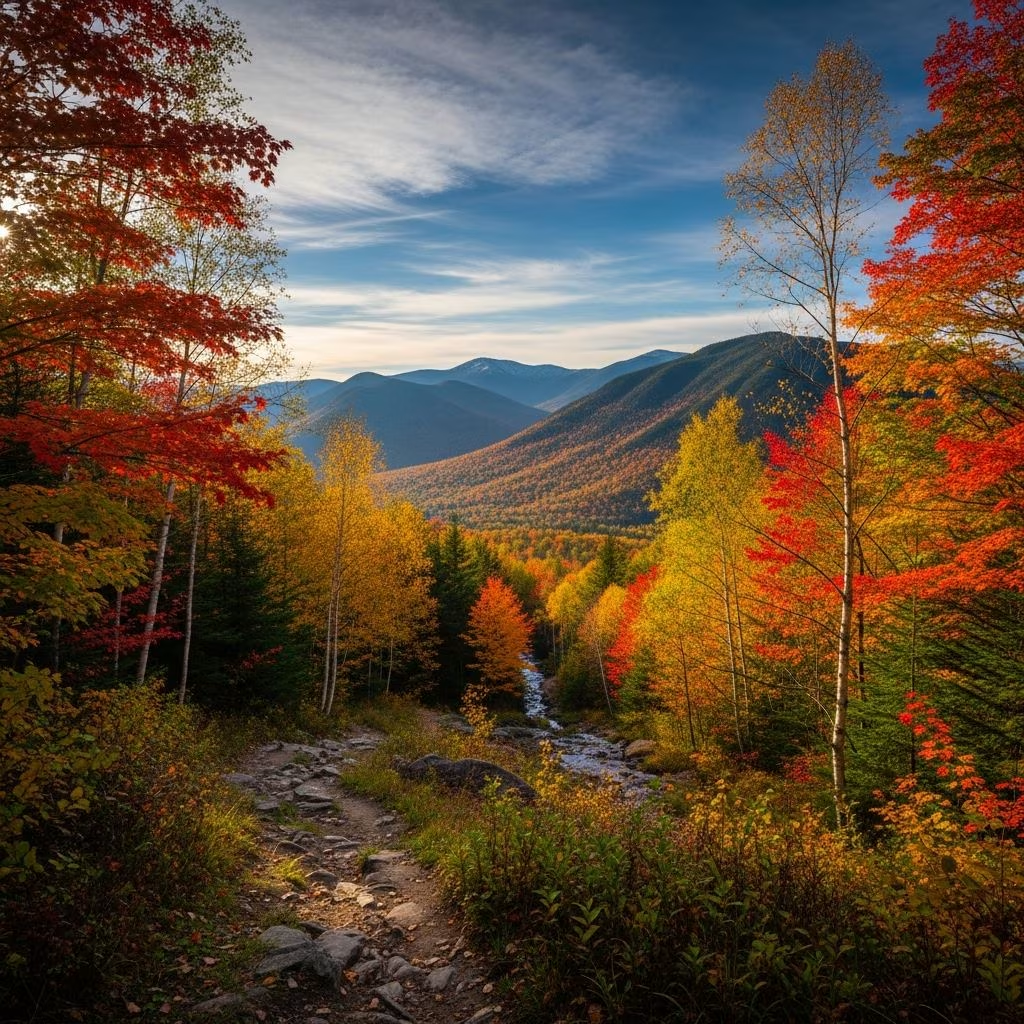
New England stands as one of North America’s most captivating hiking regions, offering an extraordinary diversity of trails that range from gentle woodland walks to demanding alpine traverses. The region’s varied topography—encompassing ancient mountains, pristine lakes, rugged coastlines, and dense forests—creates exceptional opportunities for outdoor enthusiasts of all experience levels. Whether you seek panoramic vistas spanning multiple states, intimate encounters with New England’s distinctive flora and fauna, or challenging technical climbs that test your endurance and skill, the region delivers unforgettable experiences.
The hiking environment across New England presents distinct characteristics shaped by geography and climate. The region’s mountains, though older than their western counterparts, have been sculpted by glaciation into dramatic peaks and valleys. Elevation changes can be deceptive—trails gaining significant altitude over relatively short distances challenge hikers accustomed to more gradual ascents. Seasonal variations significantly impact trail conditions and accessibility, with late spring through early autumn offering optimal hiking windows for most destinations.
New England’s trail infrastructure combines historic pathways established centuries ago with modern maintenance efforts that keep routes safe and accessible. The Appalachian Trail’s northern reaches cross through the region, and numerous state parks maintain extensive trail networks. Understanding local conditions, weather patterns, and trail-specific challenges ensures safer and more rewarding hiking experiences.
New England’s signature hiking experiences often center on ascending its most prominent peaks. These summits provide dramatic elevation gain over relatively short distances, rewarding climbers with expansive views across multiple states and distinctive ecosystems. The region’s tallest mountains transition from hardwood forests at lower elevations through boreal forest zones to alpine tundra at their summits, creating diverse natural communities within single trail systems.
The tallest peaks attract hikers seeking the psychological and physical challenge of reaching the region’s highest points. These summits typically require full-day commitments and moderate-to-strenuous fitness levels. Many summit trails incorporate multiple connecting routes, allowing hikers to customize their experiences based on time availability and ability levels.
Hiking along ridge systems offers different challenges and rewards compared to point-to-point summit climbs. Ridge-line routes maintain hikers at elevation for extended periods, providing sustained panoramic vistas. These traverses often involve multiple peaks and saddle descents, creating more complex route-finding situations. The exposed nature of ridge hiking requires careful attention to weather conditions, as storms can develop rapidly at elevation.
Ridge experiences vary considerably in difficulty. Some ridges feature established trails with minimal scrambling, while others demand rock-handling skills and comfort with exposure. Route selection should match hiker experience and current conditions.
Certain New England trails incorporate elements that distinguish them as technical climbing experiences rather than conventional hiking. These routes feature iron rungs embedded into cliff faces, narrow ledges with exposed drop-offs, and granite stairs carved into mountainsides. Such trails demand specific skills: comfort at height, confidence on steep terrain, and ability to manage fear responses in exposed situations.
Technical trails typically restrict access during sensitive wildlife periods. Some routes close for several months to protect breeding birds and other species. These restrictions reflect New England’s commitment to balancing recreation with environmental stewardship.
New England’s abundance of water shapes many popular hiking destinations. Trails leading to mountain lakes, waterfalls, and gorges combine scenic endpoints with enjoyable walking experiences. Water features provide psychological rewards—reaching a pristine alpine lake or viewing a cascading waterfall offers tangible accomplishment markers beyond simple elevation gain.
Water-based trails range from easy waterside strolls to challenging ascents culminating at mountain pools. Some routes incorporate boardwalks and improved surfaces that make them accessible to less experienced hikers, while others follow steep, rocky paths through ravines and gorges.
Families seeking hiking experiences need not restrict themselves to flat, uninteresting paths. New England offers numerous routes providing genuine natural experiences while remaining achievable for children with varying abilities. These trails typically feature moderate grades, scenic payoffs, and lengths manageable within family schedules.
Successful family hiking depends on matching terrain to participants’ ages and experience. Younger children often prefer shorter routes with visible objectives and opportunities for exploration. Older school-aged children can tackle longer distances and more elevation gain, particularly when motivated by specific destinations or scenic rewards.
| Region | Primary Mountains | Characteristic Elevation | Distinctive Features |
|---|---|---|---|
| Western Massachusetts | Berkshire Range | 3,000-3,500 feet | Hardwood forests, Appalachian Trail access |
| Northern New Hampshire | White Mountains | 4,000-6,000+ feet | Alpine zones, ravines, exposed ridge lines |
| Maine | 100-Mile Wilderness peaks | 3,000-5,000 feet | Remote terrain, pristine forests, limited facilities |
| Vermont | Green Mountains | 2,000-4,500 feet | Long Trail system, moderate grades |
| Coastal Maine | Acadia Mountains | 1,500-1,600 feet | Rocky coastal views, granite formations |
Western Massachusetts provides accessible mountain experiences featuring forest diversity and panoramic summit views. Trails in this region typically involve moderate elevation gains over reasonable distances, making them suitable for weekend day hikes. The region’s proximity to major population centers means good trail maintenance and regular usage.
New Hampshire’s White Mountains represent New England’s most challenging and dramatic terrain. These peaks rise significantly above surrounding valleys, creating steep approaches and exposed ridge lines. The region’s higher elevations support alpine vegetation and can experience mountain weather conditions comparable to much higher ranges. Hikers should respect the distinct hazards these mountains present.
Maine offers hiking experiences emphasizing remoteness and wilderness character. The state’s extensive forested areas and minimal development create a distinctly different feel from more populated regions. These trails often involve longer approaches through forest before reaching summit views or scenic features.
New England’s hiking season extends from roughly May through October, with variations based on elevation and specific location. Late spring presents muddy conditions and emerging vegetation, while summer offers reliable weather and full trail access. Fall delivers spectacular foliage and comfortable temperatures, though trails can become crowded. Early winter transitions create variable conditions requiring appropriate planning and equipment.
Seasonal closures protect wildlife during breeding seasons and ensure hiker safety during difficult weather periods. Before planning trips, research specific trail conditions and access information, as closures can limit options for destinations you’ve selected.
Experienced hikers often pursue multi-peak traverses, challenging routes incorporating several summits within single outings. These adventures demand strong fitness, excellent navigation skills, and careful weather assessment. They reward participants with diverse summit views, varied terrain, and genuine accomplishment feelings. Such routes typically consume entire days and require substantial preparation.
Multi-peak routes often involve considerable elevation gain despite moderate distances. They may include rock scrambles, exposed sections, and complex route-finding. Proper training and incremental difficulty progression prepare hikers for these demanding experiences.
New England’s coastlines and lake regions offer hiking distinct from mountain experiences. Coastal trails provide dramatic ocean views, unique rock formations, and often easier grades than mountain ascents. These routes appeal to hikers preferring gentler terrain or those seeking environmental variety.
Water-based trails, whether mountain lake approaches or waterfall destinations, combine aesthetic appeal with accomplishment through reaching specific endpoints. These trails often feature improved surfaces and managed conditions, making them accessible to broader audiences.
New England contains significant portions of the Appalachian Trail, offering both through-hiking opportunities and accessible day-hike segments. The trail’s northern reaches pass through the region’s most prominent peaks and challenging terrain. Day hikers can experience authentic Appalachian Trail conditions on relatively short routes, while serious hikers can undertake substantial section hikes.
The Appalachian Trail’s presence influences regional hiking culture and infrastructure, with established shelters, water sources, and trail maintenance supporting its use.
New England hiking, while generally accessible, demands respect for potential hazards. Mountain weather changes rapidly, temperatures drop significantly with elevation, and exposed terrain creates fall hazards. Trails can become confusing in fog or poor visibility. Rock scrambles and steep sections challenge balance and footing. Proper preparation, honest self-assessment, and conservative decision-making prevent most hiking incidents.
Late May through September provides the most reliable hiking conditions. September offers excellent weather and manageable crowds, while August can be hot and popular. Spring and early fall transitions present variable conditions and potential for sudden weather changes.
Consider distance, elevation gain, and terrain type. Test yourself on progressively challenging routes before attempting ambitious objectives. Honest self-assessment prevents dangerous situations and enhances enjoyment.
Most day hikes require no permits. Some popular areas implement parking reservations or day-use limitations. Overnight trips may require backcountry permits or shelter reservations. Check specific location requirements before your trip.
Descend immediately if thunderstorms approach, fog reduces visibility significantly, or temperatures drop unexpectedly. Turn back before reaching your planned destination rather than risk dangerous conditions. Weather-related decisions prioritize safety over summit achievement.
Numerous routes accommodate families. Select trails with modest elevation gain, scenic endpoints, and manageable distances. Adjust expectations based on children’s ages and previous hiking experience. Make hiking enjoyable rather than exhausting.
New England’s hiking destinations span remarkable diversity, welcoming everyone from casual walkers to serious mountaineers. The region’s varied terrain, established trail networks, and seasonal beauty create opportunities for memorable outdoor experiences. Proper preparation, realistic self-assessment, and respect for natural hazards ensure that New England hiking delivers the adventure and satisfaction that draws people to these mountains year after year.
