

 Travel Essentials
 Travel Essentials

Explore New Mexico's best spring break destinations including Albuquerque, Santa Fe, Taos, and scenic byways with family-friendly activities.
 Travel Essentials
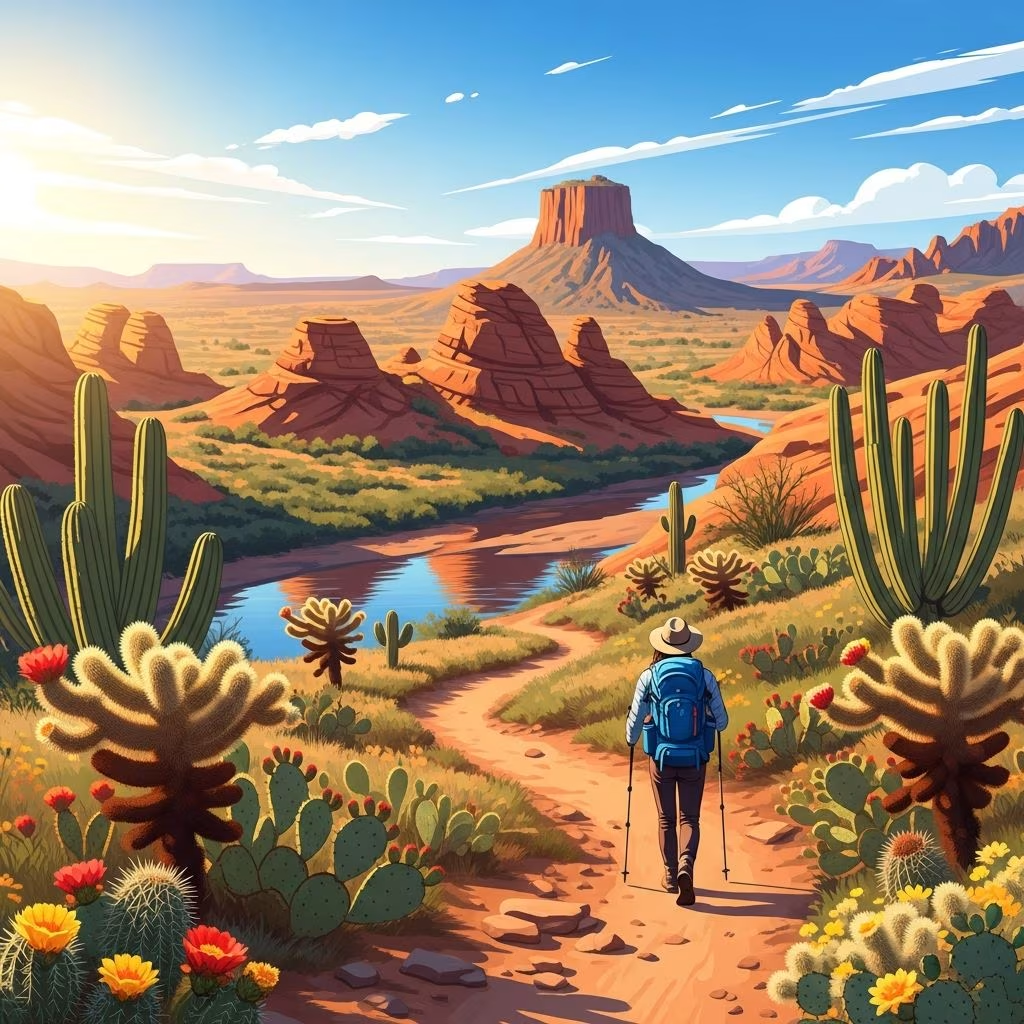
Spring break presents an ideal opportunity to venture beyond typical tourist destinations and explore the rich landscapes and cultural heritage of New Mexico. This southwestern state offers an exceptional combination of natural wonders, indigenous history, and modern amenities that appeal to travelers of all ages. Whether you’re traveling with family, friends, or solo, New Mexico’s varied attractions and accessible road network make it an excellent choice for a memorable spring getaway.
New Mexico’s largest metropolitan area serves as an excellent launching point for any spring break adventure. Albuquerque provides a diverse range of activities that cater to families with children, couples seeking relaxation, and adventure enthusiasts alike. The city’s strategic location makes it an ideal starting point before heading to more remote destinations across the state.
The ABQ BioPark Aquarium offers an engaging experience for younger travelers, featuring land-locked marine ecosystems and extensive gardens showcasing regional plant species. These attractions help acclimate visitors to the unique characteristics of southwestern environments. Additionally, the area’s connection to Historic Route 66 adds nostalgic charm to your visit, with vintage establishments offering craft beverages and local cuisine alongside recreational amenities.
For those seeking elevated perspectives of the surrounding landscape, the Sandia Peak Tramway provides an experience without parallel in the region. Operating as one of the world’s longest aerial transportation systems, the tramway ascends approximately 3,819 vertical feet, offering breathtaking panoramic views of the Albuquerque basin and distant mountain ranges. The 15-minute journey each direction allows ample time for photography and observation of the geological formations visible from above.
From Albuquerque to the state capital, several routing options exist, each offering distinct advantages and experiences. The choice of path significantly influences the character and pace of your journey.
Interstate 25 provides the most direct connection between Albuquerque and Santa Fe, typically requiring approximately one hour of driving time. This route minimizes travel duration and allows more time for activities at your destination. However, this option involves primarily highway driving with limited opportunities for intermediate exploration.
A more leisurely alternative involves traveling northward on I-25 toward Bernalillo before transitioning to US 550 northwest toward San Ysidro. The Jemez Mountain Trail National Scenic Byway then continues northward, presenting opportunities to engage with indigenous communities and natural formations. The route passes through Jemez Pueblo, one of New Mexico’s 19 federally recognized Native American communities, where visitors can engage with the Walatowa Visitor Center to learn about ancestral traditions and contemporary tribal life. Local artisans throughout the region offer handcrafted pottery and jewelry that reflect generations of cultural knowledge and artistic expression.
The Red Rock Canyon Trail along this route provides excellent hiking opportunities through distinctive geological formations characterized by vibrant red and orange mineral deposits. The approximately 3-hour drive allows travelers to balance transportation with meaningful stops and moderate physical activity.
For those seeking maximum scenic engagement, the route through the Jemez Mountains extends the journey to approximately three hours, excluding time spent at rest stops and hiking locations. This path traverses Bandelier National Monument, home to ancestral cliff dwellings and archaeological sites representing centuries of indigenous settlement patterns. The journey also passes through Jemez Springs, a thermal area where hot springs create natural bathing opportunities.
Santa Fe presents itself as a destination richly layered with artistic, historical, and culinary dimensions. The historic Plaza functions as the nerve center of downtown Santa Fe, surrounded by galleries, museums, retail establishments, and dining venues reflecting both traditional and contemporary perspectives. Walking tours departing from the Plaza provide context for the city’s architectural heritage and its evolution across centuries.
The city’s rooftop cantinas offer ideal locations for evening relaxation, providing elevated views of the surrounding mountains and the distinctive architectural character that makes Santa Fe visually distinctive among American cities. The prevalence of adobe-style construction, with earthen-toned walls and traditional design elements, creates a cohesive aesthetic environment throughout the downtown area.
For spring visitors arriving before typical snowmelt, Ski Santa Fe offers mountain recreation opportunities extending into early April. Once seasonal snow diminishes, the hiking trail network becomes increasingly accessible, with trails penetrating deeper into the surrounding mountain ecosystems and providing access to alpine meadows and forest environments.
Traveling northward from Santa Fe on NM 68 leads toward Taos, a destination renowned for its distinctive pueblo architecture and artistic community. The route passes through Pilar, where the Orilla Verde Recreation Area along the Rio Grande provides opportunities for camping, river recreation, and fishing. As the highway climbs northward, views of the Rio Grande Gorge become increasingly dramatic, offering high-desert perspectives across vast canyons.
Taos itself showcases traditional adobe structures ranging from residential homes to hospitality establishments, creating an immersive environment that reflects centuries of architectural traditions. The Taos Plaza functions similarly to its Santa Fe counterpart, offering shopping, dining, and cultural exploration opportunities. Specialty retailers, including toy and game establishments with outdoor play areas, provide welcome rest opportunities for travelers recovering from extended periods in vehicles.
Departing from Taos, the Enchanted Circle National Scenic Byway creates a 122-mile loop around Wheeler Peak, New Mexico’s highest elevation point at 13,161 feet. This route cuts through the Sangre de Cristo mountain range, passing through mountain communities including Angel Fire, Eagle Nest, Red River, Questa, and Arroyo Hondo. The loop can be accessed from Taos via NM 522 northbound or US 64 eastbound, with multiple scenic overlooks and trailheads interspersed throughout.
Wheeler Peak attracts experienced hikers, with two primary routes to the summit: the Bull-of-the-Woods Trail spanning 16 miles and the more direct Williams Lake Trail covering 8.5 miles. Angel Fire Resort transitions seasonally from winter skiing to summer mountain biking, while Red River Ski Area similarly serves dual functions based on seasonal conditions. The communities along this loop offer visitor services and opportunities for cultural engagement with mountain-dwelling communities.
An alternative to northern mountain exploration involves traveling southward from Albuquerque via Interstate 25 toward San Antonio. The Owl Bar Café provides a convenient rest stop approximately 87 miles south of Albuquerque, offering refreshment and local cuisine.
Continuing eastward on US 380 for 154 miles passes through Capitan, a community historically significant as the burial location of the original Smokey Bear, a bear cub that survived a catastrophic 1950 forest fire and subsequently became the iconic symbol of America’s wildfire prevention campaigns. This route provides access to different geological and ecological zones within the state, including lower-elevation desert environments and transitional grasslands.
The Sandia Crest Scenic Highway (NM Route 536) provides an alternative perspective on the Albuquerque region, accessible at the termination point of this dedicated scenic route. The drive traverses changing ecological zones, transitioning from desert scrubland to pine forests as elevation increases. This route offers photographic opportunities and outdoor recreation access distinct from tramway experiences.
Connecting Albuquerque to Santa Fe, the Turquoise Trail stretches approximately 50 miles through historic mining communities, typically requiring 90 minutes of driving. The route offers distinctive geological features and glimpses into New Mexico’s mining heritage. Travelers should ensure adequate fuel reserves before beginning this route, as services may be limited in certain sections.
| Factor | Consideration | Recommendation |
|---|---|---|
| Driving Duration | Spring break timing constrains total travel days | Choose concentrated routes covering 200-400 miles daily |
| Elevation Changes | New Mexico includes elevations from 2,800 to 13,000+ feet | Allow acclimatization time and hydration breaks |
| Vehicle Preparation | Desert conditions require mechanical reliability | Service vehicle before departure; carry spare fluids |
| Fuel Availability | Remote routes have limited gas stations | Fill tanks when possible in larger communities |
| Weather Variability | Spring temperatures vary significantly by elevation | Pack layered clothing for temperature fluctuations |
Seven to ten days allows comprehensive exploration of multiple regions while maintaining a sustainable travel pace. Shorter durations may focus on individual areas like Santa Fe-Taos combination or northern mountain routes. Longer visits permit deeper engagement with each destination and unrushed hiking experiences.
Yes, the itinerary includes numerous family-friendly attractions. Aquariums, aerial tramways, outdoor playgrounds, nature trails suitable for varying skill levels, and visitor centers designed for family education are distributed throughout the route. Many communities along the byways include specialized retail and recreational facilities for children.
Late March through mid-April coincides with spring break schedules for most educational institutions. This timing typically provides favorable weather with warming temperatures and minimal precipitation. Ski facilities remain operational through early April, providing late-season skiing options before summer recreation takes precedence.
Options range from historic inns and adobe-style hotels reflecting regional architectural traditions to contemporary hotel chains. Camping facilities exist throughout the route, particularly in areas managed by the National Park Service and state recreation areas. Many mountain communities maintain seasonal lodging that varies availability based on recreational demand.
Most public lands permit unrestricted day-use hiking without permits. However, specific locations such as Bandelier National Monument may implement timed-entry reservations or capacity restrictions. Contacting visitor centers or agency websites prior to visits confirms current regulations and any necessary advance registration.
Strategic planning enhances the spring break experience significantly. Prioritizing key destinations while permitting flexibility for spontaneous discoveries creates an optimal balance between structure and adventure. Early departures allow maximum daylight for driving and outdoor activities, while evening arrivals permit settling into accommodations with less time pressure.
Engaging with local communities through farmers markets, artisan workshops, and community events provides cultural immersion extending beyond typical tourist activities. Many towns schedule spring events aligned with visitor season, including art festivals, cultural celebrations, and seasonal harvest activities reflecting regional traditions.
Photography opportunities abound throughout the route, from dramatic geological formations to architectural details reflecting centuries of cultural heritage. Sunrise and sunset photography from elevated vantage points captures the distinctive quality of New Mexico’s high-desert light and expansive landscapes.
