

 Travel Essentials
 Travel Essentials

A comprehensive guide to New Orleans' most distinctive neighborhoods, from historic French Quarter to artistic Bywater, helping visitors and residents find their perfect fit.
 Travel Essentials
New Orleans stands as one of America’s most captivating cities, offering an extraordinary tapestry of neighborhoods that each possess their own distinctive personality, cultural heritage, and architectural charm. The city’s residential areas represent far more than mere geographical divisions; they embody centuries of history, artistic expression, social movements, and community pride that have shaped the urban landscape. Whether you’re planning a visit or considering a permanent move to this vibrant metropolis, understanding the character and offerings of different neighborhoods is essential for finding the area that best aligns with your interests and lifestyle.
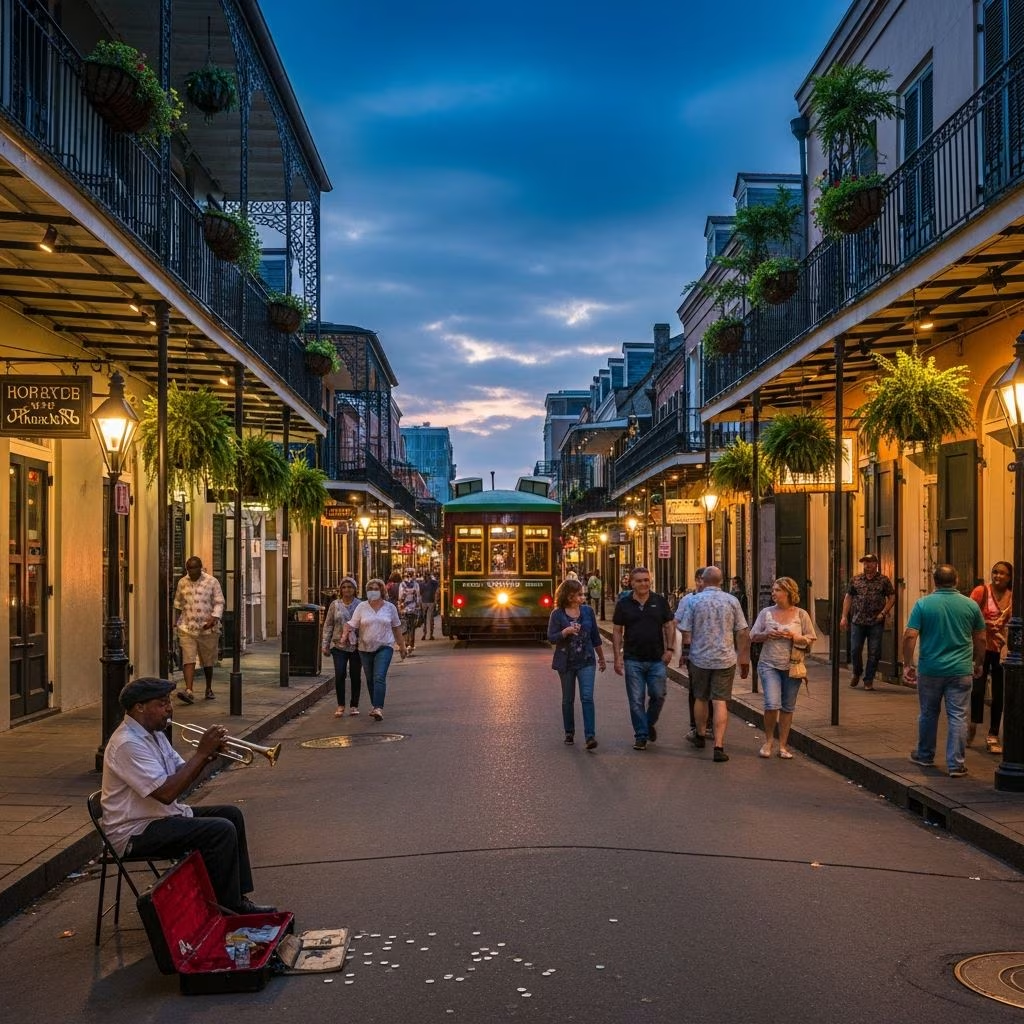
The French Quarter stands as the oldest and most iconic neighborhood in New Orleans, with its origins tracing back to 1718. This historic district serves as the city’s spiritual center, instantly recognizable through its distinctive architectural elements including wrought-iron balconies, gas-lit streets, and the constant melodic presence of street musicians filling the air with jazz and blues melodies. The neighborhood’s tourist-oriented atmosphere makes it particularly welcoming to first-time visitors seeking to experience quintessential New Orleans culture and architecture.
The French Quarter’s appeal extends beyond its visual charm. The neighborhood functions as a living museum where centuries of architectural styles, cultural influences, and historical narratives converge within a relatively compact area. Visitors and residents alike navigate narrow streets that have witnessed the city’s transformation from colonial outpost to modern metropolis, with each corner revealing layers of historical significance and cultural richness.
Just downriver from the French Quarter, the Marigny and Bywater neighborhoods present a distinctly different character—one rooted in artistic expression, local authenticity, and bohemian sensibility. These interconnected areas have become havens for artists, musicians, and creative professionals who are drawn to the neighborhoods’ more affordable housing, eclectic cultural scene, and strong sense of community identity.
The visual landscape of Marigny and Bywater reflects the creative energy of its residents, with colorful homes, imaginative street murals, and independent establishments serving as canvases for artistic expression. Indie coffee shops, vintage bookstores, and quirky boutiques line the streets, offering alternatives to mainstream commercial establishments. Music lovers gravitate toward Frenchmen Street, which has earned a reputation as a premier destination for live performance venues that showcase local talent in a more intimate setting compared to the commercial chaos of nearby Bourbon Street.
For those seeking authentic local culture rather than curated tourist experiences, Marigny and Bywater offer genuine neighborhoods where residents actually live, work, and socialize. The areas maintain strong community bonds and host regular cultural events that celebrate the neighborhoods’ artistic heritage and diverse populations.
The Garden District and Uptown neighborhoods represent New Orleans’ most architecturally distinguished residential areas, showcasing the grandeur of Southern antebellum and Victorian mansion architecture. These tree-lined streets, with their imposing mansions set back from the road and framed by centuries-old oak trees, provide a window into the city’s wealth and cultural development during the 19th and early 20th centuries.
The most iconic way to experience this neighborhood’s splendor involves riding the historic St. Charles Avenue streetcar, which winds past Loyola and Tulane Universities, Audubon Park, and some of the city’s most architecturally significant homes. This journey offers both contemporary and historical perspective, as the route passes through evolving neighborhoods while maintaining its original mid-20th century charm.
Garden District and Uptown appeal particularly to architecture enthusiasts, those seeking quieter residential environments, and shoppers interested in local boutiques and established businesses. The neighborhoods’ strong educational institutions, beautiful parks, and family-oriented amenities make them attractive for longer-term residents seeking stability and community investment.
Situated between the Garden District and Magazine Street, the Irish Channel represents a neighborhood built on authentic working-class heritage and strong community identity rooted in 19th-century immigration patterns. Named for the significant Irish immigrant population that established roots in the area, the neighborhood retains a laid-back, no-frills character that distinguishes it from more upscale adjacent areas.
The Irish Channel’s architectural landscape features colorful shotgun-style homes, family-run corner bars, and casual dining establishments that reflect the neighborhood’s practical, community-oriented values. The area maintains particularly distinctive cultural traditions, most notably the rowdy St. Patrick’s Day parade celebration featuring the neighborhood’s famous cabbage-tossing tradition—a boisterous annual event that showcases the area’s spirited community pride.
This neighborhood appeals to those seeking authentic local experiences, traditional pub culture, and neighborhoods where residents share deep historical and cultural roots. The Irish Channel represents an important part of New Orleans’ immigrant heritage and demonstrates how successive waves of newcomers have contributed to the city’s evolving cultural landscape.
Tremé holds the distinction of being the oldest African American neighborhood in the United States, making it a neighborhood of profound historical and cultural significance. This distinction reflects not merely a chronological fact but represents centuries of Black resilience, artistic innovation, and cultural contribution that fundamentally shaped American music, art, and social movements.
The neighborhood’s historical importance is inseparable from jazz itself—Tremé served as the birthplace for many legendary New Orleans jazz musicians whose innovations transformed American music forever. Beyond music, Tremé represents a center of Black culture, resistance, and resilience, with streets where artistic expression, activism, and everyday life remain deeply intertwined. Walking through Tremé’s streets provides access to authentic cultural heritage and the opportunity to engage with neighborhoods where historical significance remains alive through active community participation rather than museum displays.
For visitors and residents seeking to understand New Orleans’ true identity, Tremé offers irreplaceable historical perspective and genuine cultural immersion. The neighborhood demonstrates how community identity persists despite social and economic pressures, and how cultural traditions continue evolving while maintaining connection to historical roots.
The Central Business District, strategically positioned adjacent to the French Quarter, represents New Orleans’ modern urban core, blending contemporary commercial energy with surprising cultural depth and artistic innovation. During daytime hours, the CBD functions as a bustling commercial and professional hub filled with office workers and business travelers navigating its modern infrastructure.
However, the CBD undergoes significant transformation as evening approaches, evolving into a dynamic hub for food enthusiasts and cultural explorers. The Warehouse District, nestled within the CBD, houses world-class museums, contemporary loft apartments, and some of the city’s most acclaimed restaurants, creating a district that appeals to those seeking urban convenience merged with cultural sophistication.
The CBD’s appeal extends to those prioritizing accessibility to diverse dining experiences, cultural venues, and urban amenities. The neighborhood’s continuous development and evolution ensure that residents and visitors experience contemporary New Orleans while remaining connected to the city’s historical and cultural foundations.
| Neighborhood | Character | Best For | Primary Appeal |
|---|---|---|---|
| French Quarter | Historic, lively, tourist-focused | First-time visitors, nightlife enthusiasts | Architecture, entertainment, cultural immersion |
| Marigny & Bywater | Artistic, bohemian, colorful | Artists, music lovers, local culture seekers | Live music, street art, community vibrancy |
| Garden District & Uptown | Elegant, historic, residential | Architecture enthusiasts, quieter living | Mansions, parks, educational institutions |
| Irish Channel | Laid-back, local, traditional | Pub culture enthusiasts, heritage seekers | Community identity, authentic experiences |
| Tremé | Deeply rooted, cultural, soulful | History buffs, cultural explorers | Jazz heritage, Black history, activism |
| Central Business District | Urban, modern, bustling | Foodies, art lovers, urban dwellers | Dining, museums, contemporary culture |
Beyond the neighborhood categories previously discussed, New Orleans offers several areas specifically designed with family living in mind. Several neighborhoods provide lower crime rates, affordable housing options, and family-friendly amenities that appeal to parents seeking secure environments where children can thrive.
Algiers Point offers charming residential properties combined with outdoor recreational opportunities that appeal to families seeking variety in their neighborhood experiences. Bayou St. John provides unique access to natural bayou environments while offering proximity to quality local schools, making it particularly attractive for education-focused families. East Carrollton situates families near major universities, providing cultural and educational resources within walking distance. Fillmore combines cozy residential character with accessible parks and recreational spaces that support outdoor family activities. West End, positioned just ten minutes from Downtown New Orleans, provides a safe retreat from urban hustle while maintaining convenient downtown accessibility for those requiring regular access to central commercial areas.
West End particularly appeals to families seeking balance between urban convenience and neighborhood safety, offering abundant parks, playgrounds, and family-oriented activities throughout the area.
For residents and visitors prioritizing pedestrian-friendly environments where exploration naturally occurs on foot, New Orleans offers several highly walkable neighborhoods. The Lower Garden District and Garden District rank among the most obviously walkable areas for those seeking to experience the city beyond the French Quarter’s tourist-heavy corridors.
Bayou St. John stands out as particularly distinctive among walkable neighborhoods, offering a sub-neighborhood experience within the larger Mid City area. A quintessential exploration day in Bayou St. John might include dining at local establishments like Cafe Degas followed by leisurely strolling along scenic Esplanade Avenue, providing pedestrian-scale cultural and culinary experiences.
The Carrollton neighborhood presents excellent walkability, though visitors might alternatively experience the area via the historic streetcar system that serves the neighborhood, offering either walking or transit options depending on energy levels and time availability.
Selecting a New Orleans neighborhood depends on multiple interconnected factors that extend beyond simple geographic location. Consider your primary interests—whether cultural immersion, architectural appreciation, artistic expression, family living, quieter residential settings, or urban convenience drive your decision-making process.
Evaluate neighborhood safety, affordability, and proximity to activities or workplaces that align with your daily life. Think about whether you prefer pedestrian-friendly environments or access to automobile transportation. Consider the neighborhood’s resident demographics and community identity—do you seek established cultural communities or emerging artistic neighborhoods experiencing revitalization?
Seasonal considerations matter as well, since different neighborhoods maintain different character during various times of year, particularly around major festivals, Carnival season, and summer heat when street activity and neighborhood dynamics shift noticeably.
New Orleans’ neighborhoods collectively represent one of America’s most distinctive urban mosaics, where history, culture, architecture, and community identity interweave to create neighborhoods that feel fundamentally different from one another while remaining part of a cohesive city. From the French Quarter’s historic splendor to Bywater’s artistic energy, from Garden District’s architectural grandeur to Tremé’s irreplaceable cultural significance, each neighborhood tells unique stories and offers distinctive experiences.
Whether you visit temporarily or establish permanent residence, understanding New Orleans’ neighborhood diversity enables deeper, more authentic engagement with the city. Take time to explore different areas, interact with residents, and discover which neighborhoods resonate with your personal values and lifestyle preferences. New Orleans’ greatest strength lies not in any single neighborhood but in the collective character created by distinct communities that maintain strong identities while contributing to the city’s unified cultural heritage.
