

 Travel Essentials
 Travel Essentials

Explore Wakayama Prefecture's premier onsen destinations, including historic Yunomine, beachside Shirahama, and unique river soaks in Kawayu. Perfect for relaxation and cultural immersion.
 Travel Essentials
Wakayama Prefecture in Japan stands out as a premier destination for onsen enthusiasts, offering a diverse array of natural hot springs fed by mineral-rich geothermal waters. These thermal baths, known as onsens, have been cherished for centuries, providing therapeutic soaks amid stunning natural landscapes from coastal cliffs to forested mountains.
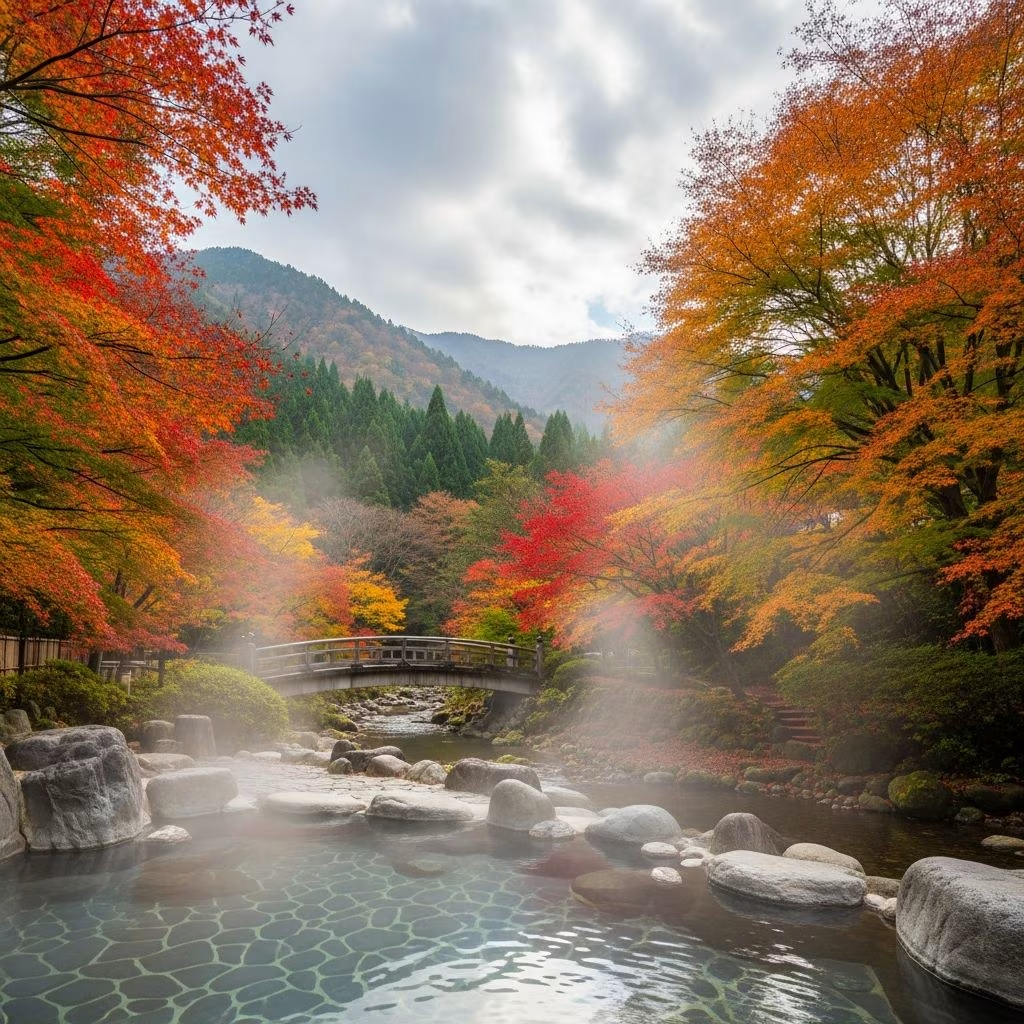
Hot spring bathing, or onsen, is a cornerstone of Japanese wellness traditions, and Wakayama exemplifies this with its abundance of springs. The prefecture’s geothermal activity supports everything from intimate private baths to massive communal pools, each promising unique mineral compositions that benefit skin, circulation, and relaxation. Visitors can choose between seaside rotenburo (outdoor baths) overlooking the Pacific, riverside experiences where you craft your own pool, or historic sites tied to ancient legends and pilgrimages.
Unlike urban spas, Wakayama’s onsens emphasize harmony with nature. Many are rotenburo-style, allowing bathers to immerse in open air while surrounded by rivers, forests, or ocean waves. This prefecture’s onsens cater to all preferences: families, couples, solo travelers, and even pilgrims following sacred trails.
Wakayama boasts several standout hot spring areas, each with distinct character and history. Here’s a curated selection of must-visit spots.
Located on the Kii Peninsula’s southern coast, Shirahama combines white-sand beaches with some of Japan’s most iconic onsens. This resort town has drawn visitors for over 1,300 years, blending seaside leisure with therapeutic soaks.
Shirahama’s accommodations range from beachfront ryokans to luxury hotels like Hotel Urashima, featuring cave onsens accessible by ferry. Pair your soak with whale-watching tours from April to September.
Nestled in the Kii Mountains, Yunomine Onsen is a UNESCO World Heritage site, the world’s only hot spring with this distinction. Dating back nearly 1,800 years, it’s linked to the Kumano Kodo pilgrimage routes and legends of miraculous cures, including for a 15th-century prince.
Combine with hikes to Kumano Hongu Taisha Shrine, about 1.5 hours away on foot. Buses from Kii-Tanabe Station make it accessible.
In Tanabe’s Hongu area, Kawayu Onsen turns the Oto River into a natural bathhouse. ‘Kawa’ means river, ‘yu’ hot water—geothermal springs bubble from the riverbed, heating the water naturally.
Part of Kumano Hongu Onsen Village with Yunomine and Watarase, it’s ideal post-hiking recovery.
To fully enjoy Wakayama’s onsens, master these customs:
| Rule | Details |
|---|---|
| Wash First | Shower thoroughly before entering—use provided stools and buckets. No swimsuits; nudity is standard and non-sexual. |
| Tattoos | Many facilities ban visible tattoos due to yakuza associations; check ahead or opt for private baths. |
| Mixed vs. Single-Sex | Rotenburo may be mixed (family-friendly) or segregated; ryokans often have private options. |
| Timing | Avoid peak hours (evenings); day-use fees range ¥300-1000. |
| Towels | Small towels for washing/body coverage; don’t submerge in water. |
Wakayama is commuter-friendly from Osaka via JR rapid/local trains (1-2 hours to key spots). Buses from Kii-Tanabe or Nanki-Shirahama stations reach remote onsens.
Wakayama’s waters vary: sodium-chloride for skin health, sulfur for circulation. Regular soaking aids stress relief, muscle recovery—backed by Japan’s onsen therapy traditions.
Sakino-yu in Shirahama claims over 1,300 years, while Yunomine dates to 1,800 years ago.
Yes, many rotenburo welcome children; private baths ensure privacy.
Possible in clusters like Kumano Hongu Village; buses connect them efficiently.
Tokens are first-come; arrive early for Yunomine’s tiny bath.
Dig-your-own pools in a geothermal river—raw and interactive.
