

 Travel Essentials
 Travel Essentials

Explore Tasmania's premier outdoor adventures from whitewater rafting to alpine hiking, wildlife encounters, and underground exploration.
 Travel Essentials
Tasmania stands as one of Australia’s most remarkable destinations for outdoor enthusiasts, offering an extraordinary array of activities that range from adrenaline-pumping white-water pursuits to serene natural explorations. The island’s pristine wilderness areas, dramatic coastal formations, and well-preserved environments create ideal conditions for adventurers seeking both challenge and beauty. This guide explores the diverse experiences available across Tasmania’s varied landscapes.
The Franklin River represents one of the world’s most celebrated whitewater destinations, earning recognition from leading outdoor publications as an unparalleled rafting experience. Spanning 125 kilometers through imposing gorges, this waterway delivers exhilarating rapids combined with remarkable geological and cultural significance. The river’s landscape tells stories of environmental preservation, as its protection during the early 1980s marked a pivotal moment in Australian conservation history, ultimately contributing to Tasmania’s designation as a World Heritage wilderness area. Indigenous cultural discoveries along the riverbanks further enhanced the region’s protected status, making each journey through these waters a passage through both natural and human heritage.
Participants in Franklin River expeditions encounter not only technical challenges but also the profound satisfaction of traveling through territory that was nearly transformed by controversial dam projects. The combination of turbulent waters, towering rock formations, and historical significance creates an immersive experience that appeals to experienced paddlers seeking meaningful adventure.
The Tasman Peninsula offers specialized boat experiences that showcase Tasmania’s impressive coastal architecture and thriving marine ecosystem. Guided cruises navigate beneath some of Australia’s most formidable sea cliffs, reaching heights that inspire awe even from water-level perspectives. These journeys provide opportunities to observe diverse marine fauna, including dolphins that frequently approach vessels, expansive seal colonies, and migrating humpback whales that breach alongside boats.
The cruises depart from historic Port Arthur, the site of Tasmania’s former convict settlement, creating a layered experience that combines natural wonder with historical context. Distinctive geological formations such as the Totem Pole—a legendary rock climbing destination of international renown—rise dramatically from the ocean, offering visual landmarks that punctuate the three-hour journey. Tours typically provide waterproof protective gear, though visitors should bring additional warm clothing to enhance comfort during the marine crossing.
An innovative approach to whitewater recreation involves piloting specialized air-mattress-style sleds through northern Tasmania’s Mersey River. This activity bridges the gap between passive river observation and intense whitewater rafting, offering manageable thrills suitable for family participation. The river’s gentle to moderate rapids (Grade I and II) provide excitement without overwhelming newcomers to whitewater sports. Operations near Meander position participants close to the Tasmanian Wilderness World Heritage Area’s boundaries, delivering natural scenery alongside recreational engagement.
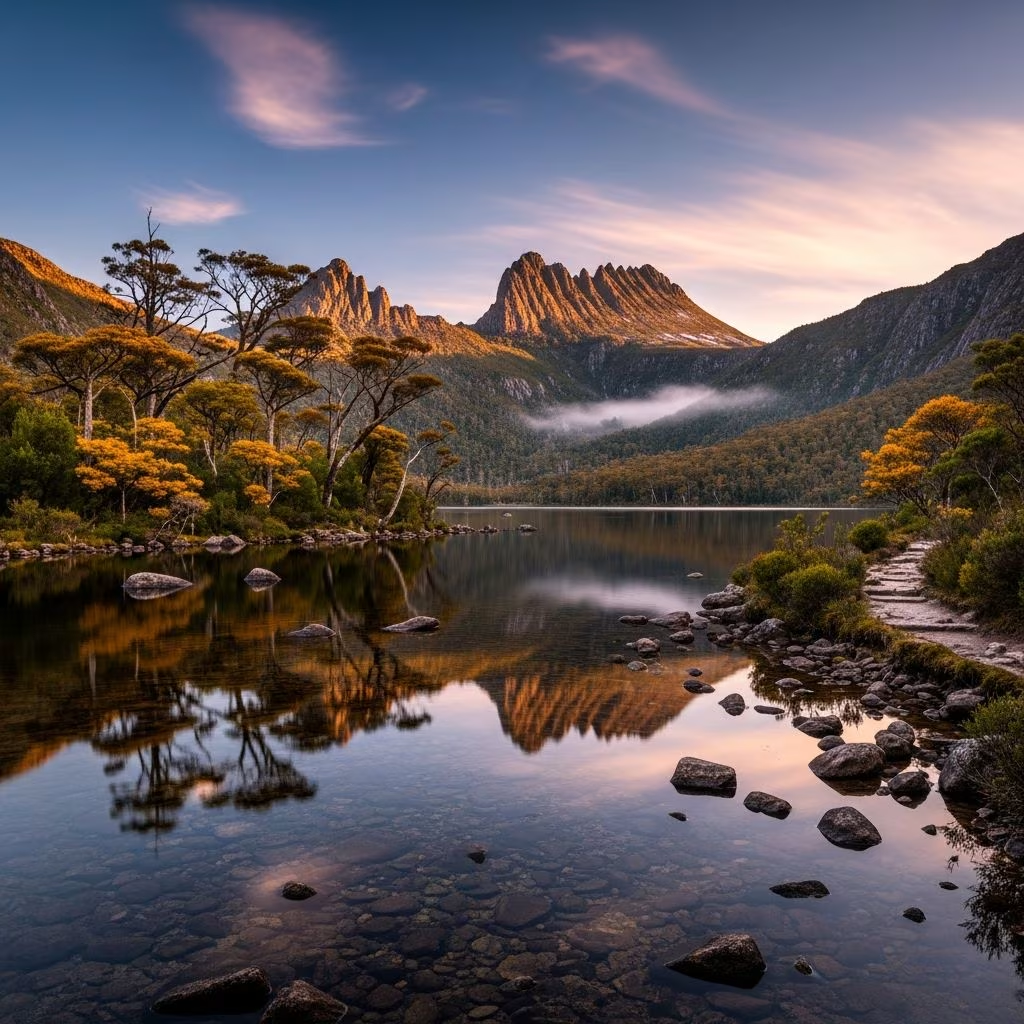
The Overland Track stands as Australia’s most celebrated multi-day hiking route, weaving through mountainous terrain that showcases Tasmania’s alpine grandeur. Extending 65 kilometers, this trail commences near Cradle Mountain—an instantly recognizable natural icon—and traverses dramatic valleys beneath Tasmania’s highest peaks. The journey passes Mount Ossa, which at 1,617 meters represents the state’s summit, alongside numerous alpine lakes and cascading waterfalls. The trek concludes at Lake St Clair, Australia’s deepest natural freshwater lake, providing a memorable endpoint to an intense physical challenge.
Hikers undertaking this journey experience diverse ecosystems, from exposed mountain ridges to forested valleys, encountering wildlife and geological formations throughout. The track’s reputation attracts adventurers from worldwide, making it a destination pilgrimage for serious trekkers seeking Australian wilderness immersion.
The wukalina Walk offers a distinctly different hiking experience, combining scenic coastal landscapes with meaningful cultural engagement. The Bay of Fires presents one of Tasmania’s most visually striking coastlines, characterized by pristine white sand beaches, dramatic granite formations, and distinctive orange lichen that adorns exposed rock surfaces. This four-day guided journey incorporates narratives and perspectives of the palawa—Tasmania’s Aboriginal inhabitants—transforming the hike into an educational and cultural experience beyond typical nature tourism.
Walking through these landscapes while learning about the palawa’s historical and contemporary connections to the region deepens appreciation for Tasmania’s environmental and cultural richness. This integrated approach to outdoor adventure reflects evolving tourism practices that honor Indigenous perspectives and knowledge.
Cradle Mountain’s Dove Canyon presents a specialized adventure activity combining climbing, descending, and aquatic navigation through a narrow alpine gorge. Operating seasonally from November through April, guided canyoning expeditions traverse this complex terrain using technical skills including abseiling, wading, swimming, and scrambling. The activity offers tiered difficulty levels, with family-friendly options exploring the Lost World upstream canyon section, while advanced participants navigate the main Dove Canyon route featuring 6-meter drops into deep pools and the thrilling Laundry Chute rock slide—a turbulent natural water feature that demands courage and aquatic confidence.
The Mole Creek region lives up to its name, with surrounding karst landscapes containing more than 3,000 documented caves. This extraordinary concentration of cave formations creates exceptional opportunities for both casual and experienced spelunkers. Park rangers conduct guided tours through two accessible caverns—Marakoopa and King Solomons—offering introductory experiences suitable for visitors unfamiliar with caving activities. For those seeking more adventurous underground exploration, specialist tour operators provide access to more challenging cave systems.
The Honeycomb Cave features extensive waterfall chambers connected by labyrinthine passages, delivering an aquatic subterranean experience. Sassafras Cave contrasts this experience with elegant formations and still pools that mirror glowing ceiling surfaces created by concentrations of bioluminescent organisms. Half-day and full-day tour options accommodate varying time commitments and physical capabilities, making subterranean exploration accessible to diverse visitor types.
Maria Island functions as a living wildlife sanctuary where visitors encounter Tasmania’s endemic and protected species in natural settings. The island’s isolation has preserved populations of animals and plants found nowhere else globally, making it an irreplaceable natural heritage site. Guided experiences across Maria Island reveal diverse fauna while educating participants about conservation efforts protecting vulnerable species from contemporary environmental pressures.
Mount Field National Park showcases Tasmania’s remarkable moss-draped rainforests and multiple waterfall systems. Russell Falls, the park’s signature attraction, flows through moss-covered vegetation representing the finest examples of cool temperate rainforest on the Australian continent. An exceptionally accessible trail—even accommodating wheelchair users—leads through fern-dominated undergrowth beneath Tasmania’s tallest tree species, combining natural beauty with inclusive trail design. Winter conditions transform the park into a snow-sports destination, while the surrounding Tahune AirWalk offers elevated canopy perspectives through elevated walkways positioned 30 meters above the forest floor, culminating in a dramatic 50-meter suspension bridge crossing above river systems.
Tasmania supports numerous additional outdoor activities beyond the primary adventures mentioned above. Rock climbing and abseiling enthusiasts find world-class opportunities on formations like the Totem Pole. Mountain biking infrastructure positions Tasmania as Australia’s premier destination for this sport, with purpose-built trails descending from mountains to coastal areas through varied terrain. Fly fishing, sea kayaking, snorkeling, and diving complement the activity portfolio, while coastal trails including the Three Capes Track provide multi-day hiking alternatives to the famous Overland Track.
| Activity Type | Typical Duration | Physical Intensity | Best Season |
|---|---|---|---|
| Franklin River Rafting | Multi-day expedition | High | Year-round |
| Tasman Peninsula Cruises | 3 hours | Low | Year-round |
| Mersey River Sledding | Half to full day | Moderate | Year-round |
| Overland Track Hiking | 5-6 days | High | October-May |
| Wukalina Walk | 4 days | Moderate | October-April |
| Cradle Mountain Canyoning | Full day | High | November-April |
| Mole Creek Caving | Half to full day | Low-Moderate | Year-round |
Tasmania offers activities across the fitness spectrum. Coastal cruises and accessible walks accommodate visitors with limited mobility, while the Overland Track demands significant endurance. Most operators can recommend appropriate activities based on individual capability assessments.
Yes. Family-friendly options include Tasman Peninsula cruises, accessible Mount Field walks, Mersey River sledding, and family-level canyoning in Dove Canyon’s Lost World section. Operators typically provide age and physical requirement guidelines.
Many activities occur within protected areas requiring permits or guided access. Operators typically manage necessary permissions when booking experiences. Independent hikers should verify permit requirements with Tasmania’s environmental management authorities before venturing onto remote trails.
Essentials include waterproof gear, warm clothing (even during warmer months for water activities), sun protection, and appropriate footwear. Operators provide specialized equipment for specific activities like caving, rafting, and canyoning. Confirm equipment provisions when booking.
Popular experiences like the Overland Track and guided Franklin River trips book weeks or months ahead, particularly during peak seasons. Coastal cruises and caving tours typically require less advance notice but booking several days ahead ensures availability.
Tasmania’s outdoor adventure portfolio encompasses experiences ranging from serene natural observation to intense physical challenges, making the island accessible to adventurers across capability and interest spectrums. Whether navigating whitewater rapids, traversing alpine ridges, exploring subterranean passages, or cruising beneath towering coastal formations, participants engage directly with one of Australia’s most pristine and biodiverse environments. The combination of technical adventure opportunities, cultural experiences, and accessible recreational activities positions Tasmania as a comprehensive wilderness destination capable of fulfilling diverse outdoor aspirations.
