


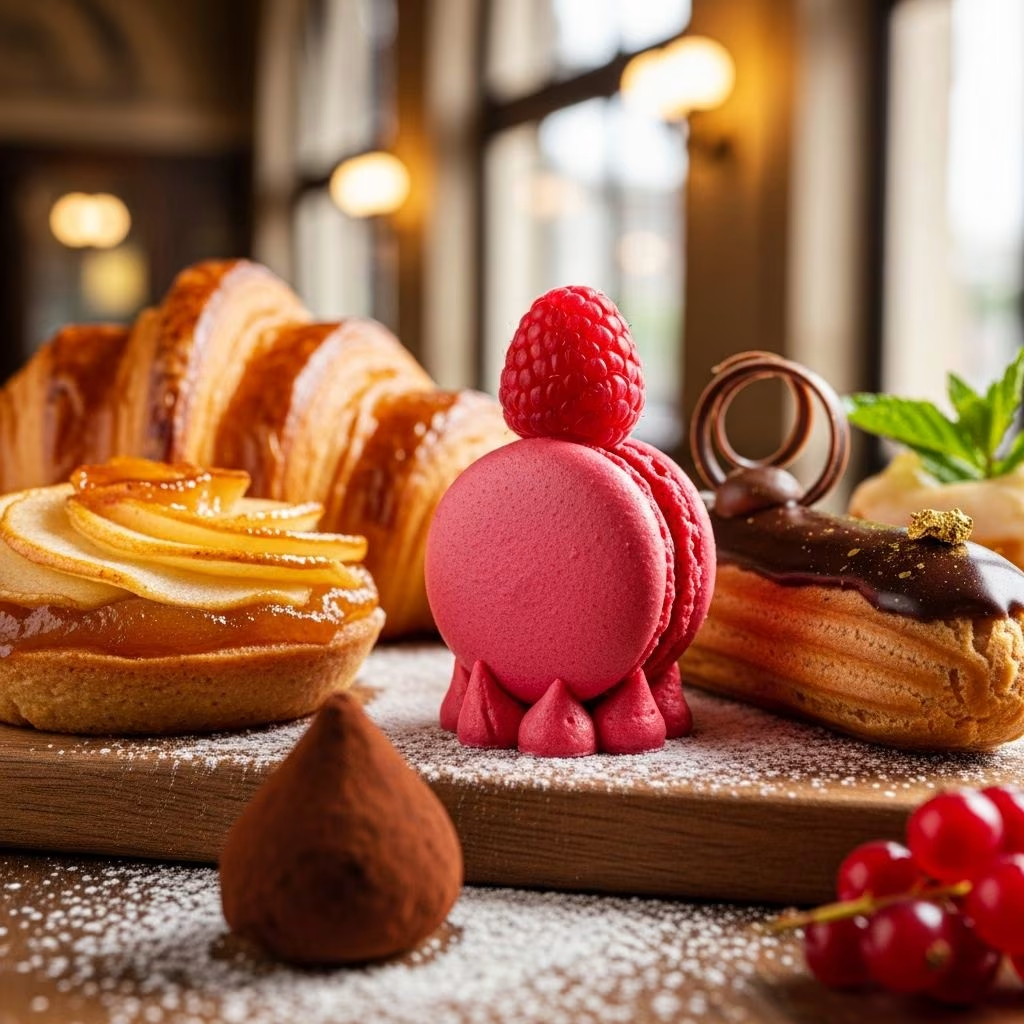
Paris has long held a reputation as the epicenter of culinary excellence, and nowhere is this reputation more deserved than in the realm of sweet treats. The city’s dedication to pastry craftsmanship, chocolate artistry, and delicate confectionery has established it as a destination where desserts transcend mere food to become edible art. Visitors and locals alike make pilgrimages through the narrow streets to discover the finest pâtisseries, chocolateries, and bakeries that line the city’s neighborhoods. This comprehensive guide explores the most exceptional sweet experiences available throughout Paris, guiding you through the techniques, flavors, and establishments that define the French capital’s confectionery landscape.
Understanding the Hierarchy of Parisian Sweets
The world of Parisian confections operates within a specific framework of categories, each with its own traditions, techniques, and celebrated establishments. Understanding these distinctions helps travelers navigate the overwhelming variety of options and appreciate the nuanced differences between seemingly similar offerings. The distinction between casual bakeries and haute pâtisserie establishments reflects not merely a price difference but a philosophical approach to ingredient sourcing, production methods, and flavor development.
From neighborhood boulangeries that have served generations of families to innovative shops experimenting with contemporary flavor combinations, Paris accommodates every preference along this spectrum. The commitment to quality remains consistent regardless of scale, as even the most modest neighborhood bakery maintains standards that would exceed expectations elsewhere. This democratic approach to excellence means that exceptional sweets are accessible throughout the city, not confined to luxury shopping districts.
The Evolution of Macaron Culture in Paris
Macarons represent perhaps the most recognizable symbol of French pastry craftsmanship internationally. These delicate almond meringue cookies, bound together with flavored creams or ganache, have evolved from a specialty item to a global phenomenon, yet Paris remains the undisputed capital of macaron excellence. The technique of creating these perfectly domed, ruffled shells requires precision in measuring, timing, and environmental conditions that distinguishes masterful renditions from lesser attempts.
Master pâtissiers have elevated macaron creation to an art form, developing proprietary recipes and unique flavor combinations that draw enthusiasts from around the world. The innovation in macaron flavoring has expanded far beyond traditional pistachio and rose, encompassing seasonal ingredients, complex spice combinations, and unexpected pairings that challenge conventional expectations of the form. The visual presentation accompanying these flavor innovations transforms purchasing a macaron into an aesthetic experience even before tasting occurs.
Several establishments have become synonymous with macaron excellence, each contributing distinct interpretations to the category. These pâtisseries maintain rigorous standards regarding ingredient sourcing, with many using specific varieties of Sicilian pistachios or particular regions’ hazelnuts to achieve signature flavor profiles. The consistency expected from renowned macaron makers extends to maintaining the same taste and texture regardless of which location within Paris one visits, a commitment requiring extensive quality control measures.
Chocolate Artistry and Premium Confectionery
Beyond pastry dough and cream fillings, chocolate represents another arena where Parisian craftspeople demonstrate extraordinary skill and innovation. Chocolatiers who have earned recognition for their work combine traditional European techniques with contemporary sensibilities to create products that appeal to both purists and those seeking experimental flavors. The sourcing of chocolate itself—whether from specific cacao-producing regions, using particular fermentation methods, or selecting beans based on terroir—fundamentally influences the final product’s character.
The treatment of chocolate as a canvas for flavor exploration has led to combinations that might seem unconventional yet reveal sophisticated understanding of taste complement and contrast. Chocolate paired with tea, infused with spice, layered with nut pralines, or combined with fruit elements demonstrates the medium’s versatility in skilled hands. The tempering and molding processes require technical expertise to achieve the glossy finish and satisfying snap characteristic of quality chocolate confections.
Premium chocolate establishments often present their creations in elegant packaging that reflects the product’s quality and positioning. The presentation experience—from the moment of purchase through unwrapping and consumption—forms part of the overall offering. Many establishments encourage customers to appreciate chocolate at specific temperatures and with minimal accompaniment to fully experience the flavor profiles achieved through careful production methods.
Exploring Neighborhood Pâtisseries
The authentic Parisian sweet experience often emerges not from luxury flagships but from neighborhood establishments that serve regular customers while welcoming visitors. These pâtisseries typically occupy modest storefronts in residential areas, their display cases featuring rotating selections based on seasonal availability and daily production. The relationship between neighborhood bakeries and their communities reflects a tradition where quality at affordable prices remains the expectation rather than exception.
Neighborhood pâtisseries frequently specialize in items beyond what might appear in tourist-oriented establishments. Choux pastries, religieuses, and fruit tarts showcase different skill sets than the more marketable macarons or decorated cakes. The variation in presentation and finishing techniques across different establishments reveals individual baker interpretations and regional preferences that might otherwise remain invisible to casual observers. Many feature items available only during specific seasons, with customers organizing their schedules around these limited releases.
The transportation required to reach certain renowned neighborhood bakeries—sometimes involving Metro journeys into less-touristed arrondissements—has not diminished their popularity among dedicated seekers. The willingness to invest time and effort to reach specific establishments demonstrates the strength of reputation and the pursuit of authentic experiences by both travelers and locals. These establishments often maintain waiting lines during peak hours, a phenomenon reflecting both their popularity and intentional production volume limitations.
Cream-Filled Pastries and Choux Excellence
Choux pastry—a dough category producing light, crispy shells that become perfect vessels for creamy fillings—provides the foundation for several iconic Parisian confections. The technique of creating these shells through careful egg incorporation and precise oven management results in structures that puff into airy containers despite their apparent delicacy. The quality of choux pastries depends heavily on the cream filling’s composition and freshness, with premier establishments often preparing batches multiple times daily to ensure optimal texture.
Eclairs filled with flavored creams or ganache represent one of choux pastry’s most celebrated applications in Paris. The top coating—whether flavored icing, caramelized sugar, or glazes incorporating complementary ingredients—provides visual distinction while adding textural contrast. Specialized eclaireries have emerged focusing exclusively on this single item, developing signature flavor combinations and presentation approaches that distinguish their offerings from more general pâtisseries.
Cream puffs or profiteroles showcase similar technique application but generally present smaller proportions and less elaborate presentations. Their versatility extends to both sweet and savory applications, though Parisian establishments typically focus on sweet renditions featuring varieties of pastry cream and chocolate coatings. The accessibility and relative simplicity of consumption has made cream puffs particularly popular for visitors seeking quintessentially French sweets without requiring utensils or extensive commitment.
Fruit Tarts and Seasonal Specialization
Fruit tart creation represents a category demanding not only pastry craft but also fruit sourcing expertise and composition balancing. The pastry base must achieve appropriate crispness without becoming brittle, supporting fruit arrangement while maintaining integrity when cut. The filling—whether pastry cream, crème diplomatique, or fruit coulis—must provide flavor and structural support while allowing fruit character to remain prominent.
Seasonal variation fundamentally shapes fruit tart offerings throughout Paris’s calendar year. Spring brings light, fresh preparations featuring strawberries and rhubarb, while summer enables more elaborate compositions incorporating multiple berry varieties and stone fruits. Autumn transitions to apple and pear applications, with some establishments creating tarts featuring less traditional fruits like figs or quince. Winter months often see fruit tarts limited or featuring preserved preparations and citrus elements.
The aesthetic consideration of fruit arrangement receives particular attention at establishments where visual presentation receives emphasis equal to flavor development. The precision with which berries or fruit slices are positioned, the glossiness of the glaze application, and the color harmony of the overall composition all contribute to the product’s appeal and desirability. Photography-conscious visitors may deliberately seek establishments known for particularly photogenic creations, recognizing that presentation forms an intrinsic part of the modern pastry experience.
Caramel and Confectionery Specialization
Caramel confections represent a distinct category within Parisian sweets, requiring specific expertise in sugar cooking and flavor balancing. Salted butter caramel preparations—where sea salt provides counterpoint to sweet caramel—have become signature items for certain renowned establishments. The technique demands precise temperature control, with variations of just a few degrees significantly affecting final texture and flavor intensity.
Specialty caramel makers often incorporate textural elements through the addition of nuts, chocolate components, or crunchy elements that provide contrast to the smooth caramel base. Individually wrapped caramels present portability and gift-giving convenience, making them popular purchases for travelers seeking to bring Parisian flavors to other destinations. The modest package size belies the sophisticated ingredient sourcing and careful production processes underlying these seemingly simple confections.
Artisanal caramel producers often develop signature blends and incorporate regional ingredients into their work. Some emphasize particular apple varieties, incorporate local honey, or feature nuts sourced from specific French regions. This localization and ingredient specificity positions caramel confections as carrying cultural significance beyond their simple pleasure as sweets. The narrative of origin and sourcing has become part of the appeal, particularly for travelers interested in authentic terroir-based products.
Navigating Established and Emerging Pâtisseries
| Establishment Type | Characteristics | Best For | Typical Price Range |
|---|---|---|---|
| Historic Flagship | Multiple Paris locations, Established reputation, Premium positioning | Tourists, Gift purchases, Signature items | €€€ |
| Neighborhood Artisan | Single location, Regular clientele, Seasonal focus | Authentic experience, Variety discovery, Daily treats | €–€€ |
| Specialized Focus | Single category expertise, Innovative approach, Limited offerings | Category enthusiasts, Unique flavors, Specific cravings | €€–€€€ |
| Contemporary Innovation | Experimental flavors, Modern aesthetics, Digital engagement | Adventurous palates, Social media sharing, Younger visitors | €€–€€€ |
Seasonal Specialties and Limited Releases
The Parisian pastry calendar follows rhythms established by ingredient availability, weather patterns, and cultural traditions. Understanding these seasonal patterns enhances the visitor’s ability to time their pastry experiences optimally. Certain establishments become pilgrimage destinations during specific periods when they release limited items available nowhere else in the city.
Winter months feature preparations incorporating chocolate more prominently, with buche de noel and chocolate-forward specialties dominating November and December. Spring releases often emphasize lightness and flower-based flavors, with violets and rose elements appearing in various preparations. Summer months highlight fresh fruit applications and cooler options like mousses and gelato alternatives. Autumn transitions toward nut-based preparations and preparations featuring apples, pears, and other season-appropriate fruits.
Planning visits around these seasonal availabilities requires some research and local knowledge, yet many travelers discover that investigating seasonal menus enhances their Parisian food experiences overall. The limitation of products creates sense of occasion around purchases, transforming visiting a pâtisserie from casual transaction to deliberate engagement. Regular patrons often organize social gatherings around the release of anticipated seasonal items, creating community aspects that transcend the simple transaction.
Ingredient Quality and Production Standards
The distinction between Parisian confections and those produced elsewhere often traces to ingredient selection and sourcing philosophy. Establishments earning recognition typically source butter from specific dairies, select particular brands of chocolate, and source nuts from producers maintaining particular standards. This ingredient-forward approach influences pricing but also produces tangible quality differences discernible even to untrained palates.
Certain flour varieties used in pastry applications prove superior for creating specific textures or characteristics. Premium establishments often import particular flours from specific mills rather than using commodity products available locally. Similarly, eggs receive selection based on quality standards, with some establishments utilizing heritage or organic egg sources. The aggregated effect of dozens of small sourcing decisions produces cumulative quality benefits.
Production timing and freshness standards further distinguish premium establishments from ordinary bakeries. Many refuse to use preservatives or to hold finished products beyond specific timeframes, limiting daily production to quantities they expect to sell before quality deteriorates. This commitment to freshness sometimes results in certain items becoming unavailable late in business days, frustrating visitors arriving expecting full selections. However, this practice fundamentally protects quality and maintains tradition of producing confections fresh rather than holding aging inventory.
Pairing Sweets with Beverages
The consumption experience extends beyond the pastry itself when considering beverage pairings. French hot chocolate, traditional coffee preparations, and tea service provide complementary experiences that elevate both beverage and pastry consumption. Many establishments have developed specific recommendations regarding which pastries pair optimally with their beverage selections.
Champagne and pastry pairings have become increasingly sophisticated, with certain establishments offering curated selections combining specific confections with particular champagne styles. Wine pairings with sweets represent an emerging area where traditional sommeliers increasingly engage, recognizing that structured flavor combinations extend beyond savory food categories. The growth of this pairing culture reflects broader trends toward treating sweets as sophisticated food categories worthy of the same attention given to main courses.
Coffee service quality often receives underestimation by visitors accustomed to particular national standards. French coffee culture, while different from Italian espresso traditions or American filter coffee approaches, offers distinctive preparation methods and flavor profiles. The consumption ritual of enjoying a pastry with properly prepared coffee represents a cultural experience transcending mere consumption of commodities.
Tips for Optimal Pastry Experiences
- Arrive Early: Popular establishments often sell out of specific items by mid-morning, with afternoon selections representing remainder inventory rather than full range.
- Learn Basic French: While English is increasingly spoken, basic French phrases earn respect and sometimes result in favorable recommendations or items held back for interested customers.
- Cash Carries Advantages: Many smaller establishments offer slight discounts for cash payments or maintain card minimums, making euro currency advantageous.
- Ask Recommendations: Staff possess extensive knowledge regarding which items are fresh that day or which represent recent preparations rather than held inventory.
- Embrace Experimentation: Unfamiliar items often prove superior to tourist-oriented selections; allowing personal recommendations to guide choices frequently yields superior experiences.
- Respect Lunch Hours: Many establishments close during midday hours or operate reduced services, requiring strategic timing for visits.
- Build Itineraries Strategically: Grouping multiple pâtisserie visits within geographic proximity reduces transportation time and enables comparative tastings.
Frequently Asked Questions About Parisian Sweets
Which establishments are considered the most iconic for macaron purchases?
Several establishments have achieved international recognition for macaron quality, each offering distinct flavor approaches and ingredient sourcing philosophies. These establishments generally maintain multiple locations throughout Paris and offer online purchasing options for international shipping. The differences between top-ranked choices often reflect subtle distinctions in ingredient ratios, aging processes for almond flour, or specific cream filling applications rather than dramatic quality variations.
Are prices significantly higher at tourist-oriented versus neighborhood establishments?
Generally, neighborhood pâtisseries offer superior value compared to establishments located in high-traffic tourist zones or luxury shopping districts. However, quality remains relatively consistent across different price tiers due to professional standards throughout the Parisian pastry community. The price differences often reflect location economics and overhead costs rather than fundamental quality variations.
When should I visit for the freshest selections?
Most establishments refresh their display cases early morning, typically between 7 and 9 AM. Second refreshes often occur around midday, particularly on weekends. Afternoon visits risk finding depleted selections, though dedicated visitors appreciate this pattern as a natural quality control mechanism.
How should Parisian pastries be stored and consumed?
Most pastries achieve optimal flavor and texture within several hours of purchase. Refrigeration typically diminishes quality compared to room temperature storage. Many establishments include consumption recommendations with purchases, suggesting specific timeframes for enjoying items at peak quality. Professional advice regarding storage often accompanies purchases of items intended for later consumption.
Can I arrange custom orders for special occasions?
Many establishments accept advance orders for custom preparations or large quantities. The lead time requirements vary based on establishment size and complexity of requested items. Contacting preferred establishments directly allows discussion of possibilities and timeframe feasibility.
The Future of Parisian Pastry Traditions
Contemporary Parisian confectionery exists at an intersection of tradition preservation and innovation. Younger pâtissiers increasingly pursue formal training while simultaneously experimenting with contemporary flavor combinations and techniques. This balance between respecting established methods and exploring new possibilities ensures the category’s continued vitality and cultural relevance.
The rise of pastry-focused social media has influenced both production practices and the broader consumer engagement with sweets. Visual presentation has achieved increased importance as establishments recognize the value of products that photograph compellingly. This trend has motivated additional aesthetic refinement while potentially affecting focus on pure flavor development. However, the strongest establishments maintain commitment to flavor while simultaneously attending to presentation.
International recognition and tourism growth have transformed the economics of Parisian pastry production while creating opportunities for preservation of traditional techniques through cultural attention. The paradox of popular traditions receiving unprecedented visibility while maintaining essential character remains ongoing, with the future trajectory depending on collective commitment to quality standards and ingredient integrity from both producers and consumers.
References
- Girl Eat World: Best Patisserie in Paris — Girl Eat World. Accessed 2024. https://girleatworld.net/paris-pastries-list/
- Best Desserts in Paris, France — Curious Travel Bug. Accessed 2024. https://curioustravelbug.com/best-french-desserts-paris/
- The 15 Best Paris Desserts (According to a Baking Instructor) — Baker Street Society. Accessed 2024. https://bakerstreetsociety.com/15-best-paris-desserts/
- Best Desserts In Paris — SWATHI RISHI. 2019. https://swathirishi.wordpress.com/2019/12/22/best-desserts-in-paris/
- Where to Taste Delicious French Pastries in Paris — Paris Unlocked. Accessed 2024. https://www.parisunlocked.com/food/bakeries-patisseries/where-to-taste-delicious-french-pastries-in-paris/

