

 Travel Essentials
 Travel Essentials

Comprehensive guide to Washington DC's most exceptional parks, gardens, and natural spaces offering respite from urban life while showcasing environmental conservation efforts.
 Travel Essentials
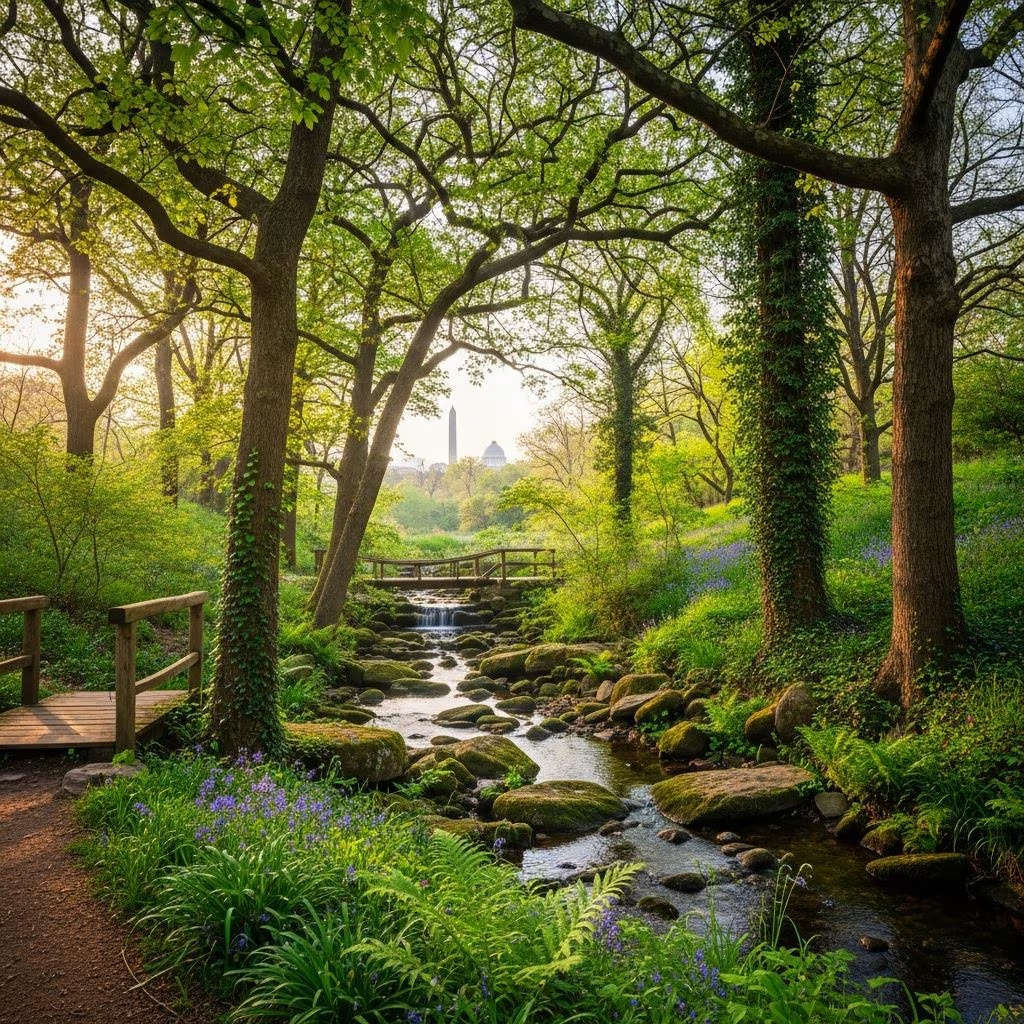
Washington, District of Columbia, represents far more than government buildings and historical monuments. Beneath its urban landscape lies an intricate network of verdant spaces where residents and visitors can reconnect with nature while remaining within the heart of the nation’s capital. These ecological sanctuaries range from sprawling wilderness preserves to meticulously cultivated botanical collections, each offering unique experiences and environmental benefits to the community.
The District’s commitment to maintaining natural spaces dates back to the late nineteenth century, establishing a foundation for contemporary environmental stewardship. Today, this commitment manifests through an extensive system of parks and gardens that collectively serve millions of visitors annually. The city has embraced ambitious sustainability goals, including the restoration of tree canopy coverage to 40 percent and ensuring all residents have access to parkland or natural space within a 10-minute walking distance.
This strategic approach reflects broader urban planning philosophy that recognizes green infrastructure as essential to livability and public health. Rather than viewing parks as recreational amenities alone, modern DC planning incorporates ecological benefits, community engagement, and equitable access into park development and management.
Spanning 1,700 acres established through Congressional action in 1890, Rock Creek Park stands as the nation’s third-oldest National Park and functions as a thriving habitat supporting native species including snapping turtles and diverse bird populations. This expansive preserve, roughly twice the size of Manhattan’s Central Park, features an extensive trail network accommodating hiking, biking, and horseback riding activities.
The park encompasses several significant historical sites, including Fort Stevens, which played a crucial role in Civil War defensive operations, and Pierce Mill, a restored structure demonstrating nineteenth-century milling operations. The Francis Scott Key Memorial, located within the park’s boundaries, offers visitors connection to American Revolutionary history.
Comprising 446 acres in northeast Washington, the U.S. National Arboretum presents one of the District’s most scenic destinations. The facility welcomes visitors with expansive open vistas and secluded nature views, accessible through miles of maintained trails suitable for various fitness levels. A distinctive feature includes former U.S. Capitol Columns that once supported the legislative building before relocating to the Arboretum, creating an unusual juxtaposition of historical architecture within a natural setting.
Operating daily from 8 a.m. to 5 p.m. with no admission fee, the Arboretum provides accessible nature experiences to diverse audiences. The site functions simultaneously as a research institution, horticultural laboratory, and public recreation destination.
Located in Ward 8, Oxon Run Park represents the largest public park operated by the DC Department of Parks and Recreation, encompassing 128 acres across three miles of landscape. This space serves multiple community functions: exercise destination, relaxation venue, and nature connection point for local residents. The park includes The Well at Oxon Run, an urban farm and community wellness space that extends the park’s mission beyond traditional recreation into agricultural education and environmental stewardship.
The U.S. Botanic Garden operates as a living plant museum, showcasing diverse flora from ecological zones worldwide. Open daily from 10 a.m. to 5 p.m. with free admission, the facility provides year-round tropical and temperate plant experiences. The indoor garden environment proves particularly valuable during inclement weather, offering visitors escape into lush greenery when outdoor exploration becomes impractical.
Constitution Gardens, accessible 24/7 at no cost, presents vibrant seasonal plantings integrated with historical significance along Constitution Avenue. The Enid A. Haupt Garden, situated behind the Smithsonian Castle and open dawn to dusk with free access, features diverse flora in all seasons while creating visual dialogue between urban architecture and cultivated nature.
Dumbarton Oaks represents Georgetown’s premier garden destination, featuring terraced layouts, apple orchards, and extensive wooded areas. Requiring advance ticket purchase at $7 and operating seasonally with varying hours, the gardens represent significant horticultural achievement and historical preservation. The terraced design allows visitors progressive revelation of landscape features, creating intimate viewing experiences within a larger compositional framework.
The Heurich House Garden, accessible weekdays from 9 a.m. to 5 p.m., offers peaceful retreat behind the historic Brewmaster’s Castle, providing quiet spaces suitable for lunch or contemplative reading.
The Tregaron Conservancy, situated between Woodley Park and Cleveland Park, spans 20 acres of historic gardens, meadows, and ponds. Open daily from dawn to dusk, the property features mulched trails, rustic stairways, and stepping stones facilitating peaceful exploration. This underutilized destination provides neighborhood residents and visitors intimate nature connections without the crowds of more prominent attractions.
Kenilworth Aquatic Gardens presents unique wetland and cultivated environments, featuring boardwalks through aquatic habitats and vibrant summer lotus blooms. The specialized ecosystem supports numerous aquatic and semi-aquatic plant species rarely encountered in urban settings.
Beyond DC’s borders, the surrounding region offers exceptional horticultural experiences accessible to metropolitan residents. Green Spring Gardens functions as a horticultural haven, combining formal gardens with native plant collections and wooded stream valleys. The site includes a historic house, greenhouse, and educational programming, accommodating both leisurely exploration and structured learning opportunities.
Meadowlark Botanical Gardens spans 95 acres showcasing ornamental display gardens, native plant collections, and serene lakes. Notably, the facility features the Korean Bell Garden, the only installation of its kind in the Western Hemisphere, symbolizing peace and harmony through traditional design principles.
Brookside Gardens comprises 50 acres within Wheaton Regional Park, featuring themed gardens including rose collections, Japanese-style designs, and butterfly habitats. The year-round programming ensures seasonal interest and transformation. Ladew Topiary Gardens, renowned for impressive topiary sculptures, encompasses 22 acres of formal gardens, a historic manor house, and a mile-long nature walk celebrating horticultural creativity and excellence.
The Georgetown Waterfront Park offers ten acres of accessible pathways, cycling and skating areas, and waterfront views along the Potomac River. This converted former industrial site incorporates eco-friendly design elements including bio-edge retaining walls, rain gardens, and pollinator gardens. The location features a large spray fountain providing cooling relief during hot weather and riverside steps enabling water-level observation and contemplation.
The National Gallery of Art Sculpture Garden provides green respite in the heart of downtown Washington, functioning as ideal venue for spring and summer strolls with ice cream in hand. The museum hosts a Jazz in the Garden concert series running Fridays from mid-May through late-August, integrating cultural programming with natural environment appreciation.
Meridian Hill Park and Lincoln Park on Capitol Hill offer neighborhood-focused green experiences, while the Tidal Basin provides seasonal beauty and recreational opportunities alongside historical monuments.
Washington DC has implemented Green Area Ratio requirements for designated city areas, establishing landscape and site design standards for new development projects. This regulatory framework ensures that growth accommodates environmental preservation rather than displacing natural systems. The Sustainable DC Plan articulates an ambitious vision to make the District the “healthiest, greenest, and most livable city in the United States” within one generation.
Organizations dedicated to environmental advocacy and park management, including Washington Parks & People and Green Spaces for DC, actively revitalize natural areas through community health programs, green job training, urban agriculture initiatives, and neighborhood improvement projects. These organizations recognize parks as community assets requiring ongoing investment and protection.
| Season | Peak Features | Recommended Destinations |
|---|---|---|
| Spring | Flowering bulbs, cherry blossoms, woodland wildflowers | Tidal Basin, Constitution Gardens, Enid A. Haupt Garden |
| Summer | Lotus blooms, outdoor concerts, full tree canopy shade | Kenilworth Aquatic Gardens, National Gallery Sculpture Garden, Rock Creek Park |
| Fall | Autumn foliage, mild temperatures, bird migration | Rock Creek Park, National Arboretum, Tregaron Conservancy |
| Winter | Evergreen interest, structural plant forms, fewer crowds | U.S. Botanic Garden, Dumbarton Oaks, Meadowlark Botanical Gardens |
Spring offers renowned cherry blossoms and flowering displays, while fall provides comfortable temperatures and spectacular foliage. However, each season presents distinct attractions; winter allows observation of plant structure and deciduous tree forms, while summer enables evening concerts and outdoor dining experiences. Visitor preferences depend on climate tolerance and desired activities.
Most major parks offer dedicated parking facilities or multiple entry points accessible by Metro transit. Georgetown Waterfront Park and urban gardens near the National Mall integrate with downtown transit networks. Rock Creek Park provides multiple access points throughout the District, accommodating visitors from various neighborhoods.
Parks and gardens actively welcome families, with many offering spray fountains, playgrounds, and child-appropriate trails. The U.S. Botanic Garden provides educational programming, while Brookside Gardens’ butterfly garden particularly engages younger visitors. Most destinations provide shaded seating areas and facilities supporting family recreation.
The U.S. Botanic Garden, Green Spring Gardens, and regional botanical institutions regularly host workshops, guided tours, and horticultural classes. Many parks offer interpretive signage identifying plant species and ecological relationships, supporting self-directed learning.
Pet policies vary by location; most parks permit leashed dogs on designated trails, while gardens may restrict animal access to protect plantings. Visitors should consult specific facility guidelines before planning pet-inclusive visits.
Washington DC’s extensive network of parks, gardens, and natural preserves demonstrates commitment to environmental stewardship and community wellbeing. From expansive wilderness experiences in Rock Creek Park to intimate botanical encounters in specialized gardens, the District provides diverse opportunities for nature connection. Strategic planning ensuring equitable park access, combined with ongoing ecological restoration efforts, positions Washington as model for environmental integration within urban development. Whether seeking active outdoor recreation, contemplative botanical exploration, or seasonal celebration of natural cycles, the nation’s capital offers abundant verdant spaces inviting discovery and renewal.
