

 Travel Essentials
 Travel Essentials

Discover Manchester's finest parks offering diverse activities from boating and botanical gardens to cultural experiences and family-friendly adventures.
 Travel Essentials
\n\n
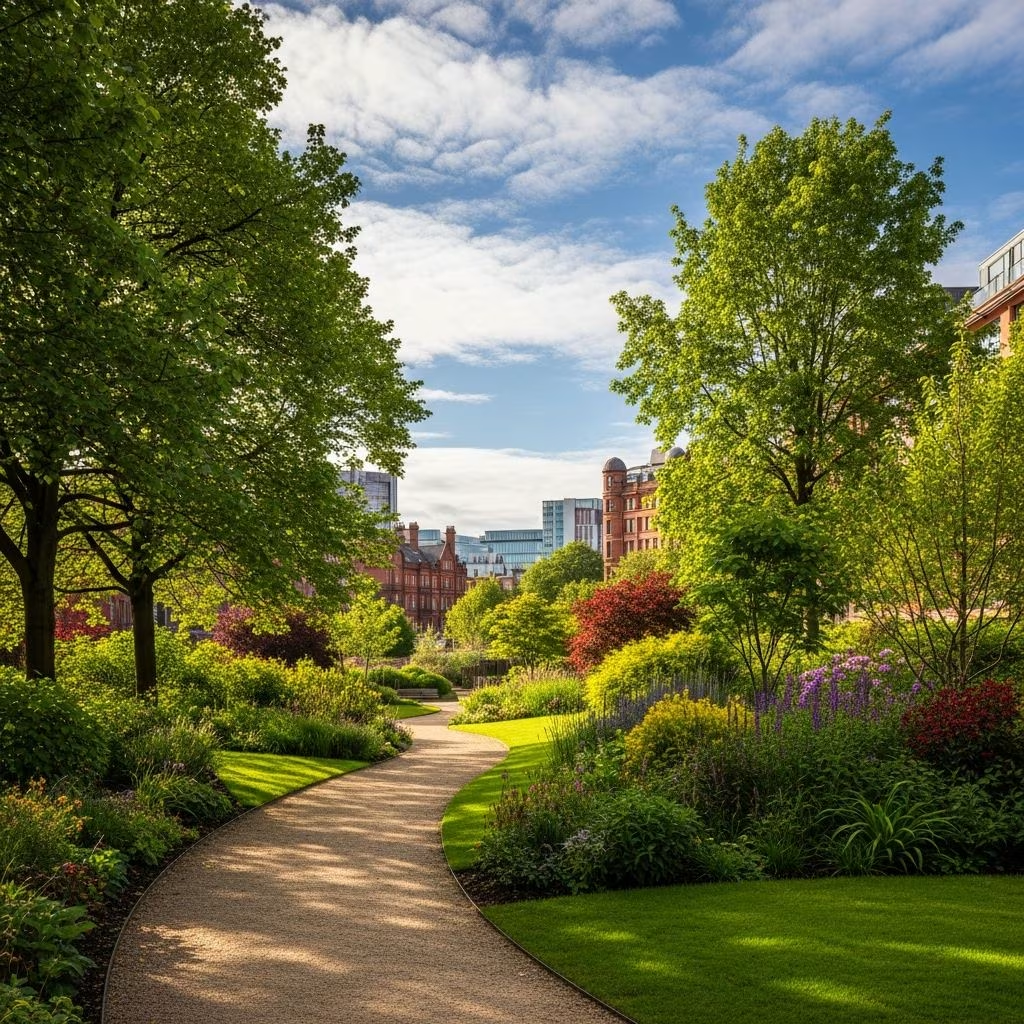
Manchester has undergone a remarkable transformation in recent decades, evolving into a city that skillfully balances urban development with abundant natural spaces. For residents and visitors alike, the city offers an impressive collection of parks ranging from sprawling countryside retreats to innovative urban gardens that showcase contemporary landscape design. Whether you seek peaceful contemplation, active recreation, cultural enrichment, or family entertainment, Manchester’s green spaces cater to virtually every outdoor preference.
\n\n
\n\n
For those seeking genuinely expansive parkland experiences, Manchester offers several destinations that rival traditional countryside escapes without requiring travel beyond the metropolitan area. These larger parks provide the sense of stepping away from urban environments entirely, with woodland walks, wildlife observation opportunities, and diverse recreational facilities spread across significant acreage.
\n\n
\n\n
\n\n
\n\n
\n
\n\n
\n\n
Manchester’s commitment to green space modernization is exemplified by recent additions that reimagine how urban parks function within densely populated areas. These newer developments incorporate contemporary design principles while maintaining environmental sustainability and community accessibility.
\n\n
\n\n
Mayfield Park represents a significant milestone in Manchester’s urban development, marking the city’s first substantial new public park in more than a century. Located at Baring Street near Manchester Piccadilly station, this 6.5-acre development hugs the naturally flowing Medlock River, which provides the park’s defining landscape feature. The deliberately natural river positioning encourages biodiversity while creating visual interest throughout the space. Multiple activity zones accommodate different visitor preferences, from open lawns for casual recreation to designated play areas for children. The park’s central location makes it particularly valuable for office workers and city centre residents seeking lunchtime green space escapes without extensive travel.
\n\n
Castlefield Viaduct demonstrates innovative thinking about park creation, transforming a historic industrial structure into an elevated green space. This sky park provides distinctive urban perspectives while celebrating Manchester’s industrial heritage through architectural integration. Offering free access and remarkable photo opportunities, it appeals particularly to visitors seeking brief but memorable outdoor experiences with unique viewpoints across the surrounding cityscape.
\n\n
\n\n
Beyond broadly appealing destinations, Manchester’s park system includes spaces designed to satisfy particular recreational and cultural interests. These specialized venues often become favored destinations for enthusiasts of specific activities or environmental interests.
\n\n
\n\n
Fletcher Moss Park commands particular affection among families and gardening enthusiasts within Manchester’s community. Encompassing over 90 acres in the West Didsbury neighborhood, this park emerged from philanthropic donation in 1914 by its namesake benefactor. The space combines meticulously maintained botanical gardens with natural wildlife habitats, creating educational value alongside recreational appeal. The Fletcher Moss Botanical Gardens and distinctive Rockery feature flora and fauna from international locations, transforming the park into a horticultural destination. Recreational facilities including football and rugby pitches, tennis courts, and an on-site café cater to diverse visitor needs, though the tranquil gardens remain the primary attraction for many visitors.
\n\n
Whitworth Park offers a more compact but artistically enriched experience adjacent to the Whitworth Art Gallery. Though relatively modest in physical size, mature trees create a surprisingly expansive atmosphere while the gallery grounds occasionally host temporary artworks and exhibition extensions. The park demonstrates that green spaces need not occupy vast acreage to provide meaningful cultural and natural experiences. Birdwatchers have reported seeing goldfinches and parakeets among the established trees.
\n\n
\n\n
Platt Fields Park in the Fallowfield area functions as a genuine community hub offering remarkable recreational variety within its bounds. The substantial lake with functioning boathouse provides water-based activities, while the market garden hosts monthly retro jumble sales and operates a self-sufficient community café. For sports enthusiasts, basketball and tennis courts, dedicated skateboarding and BMX facilities provide competitive advantages. The Shakespearean Gardens, incorporating flora mentioned throughout the works of William Shakespeare, add cultural and botanical interest. The park’s location near the Oxford Road corridor ensures accessibility via numerous bus routes.
\n\n
\n\n
Several Manchester parks successfully evoke countryside experiences despite metropolitan locations, appealing to visitors seeking natural immersion without leaving the city.
\n\n
\n\n
Reddish Vale delivers remarkable countryside impressions despite its A6 accessibility from Manchester City Centre. The substantial parkland creates psychological distance from urban surroundings, though occasionally audible M60 motorway sounds remind visitors of proximity to major infrastructure. The impressive Reddish Vale Viaduct’s impressive arches traverse the park grounds, providing historically interesting architectural features. The adjacent strip of independent bars and restaurants offers convenient dining options after extended nature walks, creating comprehensive recreation experiences.
\n\n
Daisy Nook Country Park offers 40 hectares of woodland terrain supporting diverse recreational activities including bird spotting and fishing opportunities. The park’s established avian population includes woodpeckers and owls, attracting serious birdwatchers alongside casual nature enthusiasts. Fishing opportunities require advance day ticket arrangements, encouraging planned visits rather than spontaneous recreational fishing.
\n\n
\n\n
Manchester’s park system includes several destinations centered on preserved historic properties, blending cultural heritage with recreational opportunity.
\n\n
Tatton Park represents one of Greater Manchester’s most comprehensive destinations, encompassing approximately 1,000 acres and featuring a Tudor Old Hall alongside extensive family facilities. The property supports freely roaming deer populations, creating wildlife viewing opportunities throughout the grounds. An adventure playground and working farm cater specifically to younger visitors, while the extensive event calendar—featuring seasonal celebrations and organized half marathons—provides reasons for repeat visits throughout the year.
\n\n
Dunham Massey extends similar historic estate experiences with substantial grounds supporting diverse recreational and cultural activities alongside preserved architectural features.
\n\n
\n\n
Manchester’s parks maintain recreational value throughout all seasons, with different times of year highlighting particular attractions and experiences. Spring brings wildflower blooms and bird nesting activities, summer enables extensive water-based activities and outdoor dining, autumn showcases foliage transformations and harvest celebrations, while winter accommodates different recreational interests from peaceful woodland walking to event programming.
\n\n
\n\n
| Park Name | Location | Size | Primary Access | Key Features |
|---|---|---|---|---|
| Heaton Park | North Manchester | 600 acres | Metrolink Heaton Park station | Boating, animal farm, historical structures |
| Mayfield Park | City Centre | 6.5 acres | Piccadilly station vicinity | Medlock River, play areas, events |
| Fletcher Moss Park | West Didsbury | 90+ acres | Bus/walking routes | Botanical gardens, rockery, sports facilities |
| Platt Fields Park | Fallowfield | Substantial | Oxford Road corridor buses | Lake, BMX/skate park, Shakespeare Gardens |
| Reddish Vale | South of centre | Extensive | A6 route | Viaduct, countryside walks, dining |
\n\n
\n\n
\n
Heaton Park provides the most comprehensive range of facilities, combining recreational activities, animal encounters, water-based pursuits, and historical attractions across its 600-acre expanse.
\n\n
\n
Fletcher Moss Park receives consistent recommendations for family visits, with extensive play areas, peaceful gardens, and recreational facilities accommodating diverse age groups. Platt Fields Park offers similarly comprehensive family appeal with dedicated children’s zones and community facilities.
\n\n
\n
Prestwich Forest Park’s 200 hectares of predominantly woodland terrain provide genuine sanctuary from urban environments, with extensive walking trails and minimal development.
\n\n
\n
Whitworth Park offers direct cultural access through its adjacent Whitworth Art Gallery, with occasional temporary artworks enhancing the green space itself.
\n\n
\n
Heaton Park features a prominent boating lake, while Platt Fields Park provides lake access through its functioning boathouse. Several parks offer fishing opportunities with appropriate permits.
\n\n
\n\n
Successful park visits require consideration of travel methods, seasonal conditions, and specific activity interests. Many parks offer free entry, though certain activities like fishing or specialized facilities may require advance arrangements or fees. Manchester’s extensive public transportation network ensures accessibility to virtually all major parks through bus and Metrolink services. Early morning visits often provide peaceful experiences before peak attendance periods, particularly beneficial for photography, birdwatching, or contemplative walks.
\n\n
The diversity of Manchester’s parks ensures that virtually every visitor preference finds satisfaction, from nature enthusiasts seeking wildlife observation opportunities to families requiring comprehensive recreational facilities to culture seekers accessing artistic and historical experiences. This park network represents significant investment in urban livability, providing green spaces accessible to residents and visitors regardless of transportation options or physical abilities. Whether seeking vigorous outdoor recreation, peaceful natural immersion, or simply pleasant outdoor spaces for casual relaxation, Manchester’s parks deliver exceptional value and variety.
\n\n
\n
\n
\n
\n
\n
\n
\n
\n
