

 Travel Essentials
 Travel Essentials

Discover Phoenix's top parks including Papago Park, South Mountain, and community favorites with hiking, gardens, and family amenities.
 Travel Essentials
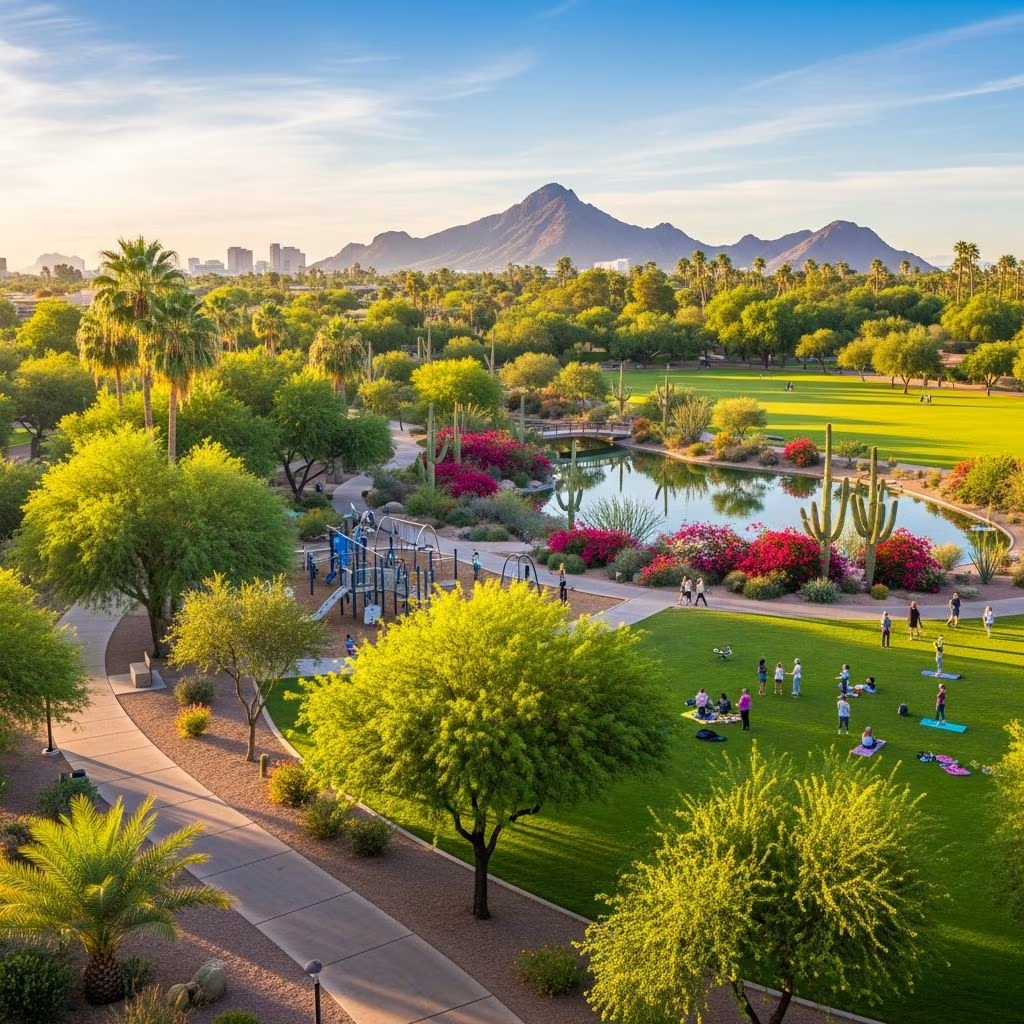
Phoenix’s exceptional climate and diverse landscape make it an ideal destination for outdoor enthusiasts seeking recreational opportunities year-round. The greater Phoenix area boasts more than 180 parks offering varied amenities and natural attractions. Whether you’re interested in challenging mountain hikes, peaceful botanical gardens, or family-friendly playgrounds, Phoenix’s park system provides accessible options throughout the metropolitan region and surrounding desert communities.
The Phoenix area’s most distinctive geological features create compelling destinations for hikers of varying skill levels. These parks showcase the region’s characteristic Sonoran Desert landscape through accessible trails and panoramic vistas.
Located just minutes from downtown Phoenix, Papago Park represents one of the region’s most versatile recreational destinations. Composed primarily of distinctive sandstone formations, the park features massive buttes that create visually striking terrain throughout the visitor experience. The carefully maintained trail system emphasizes accessibility, with generally easy trekking routes characterized by smooth footing and minimal elevation gain, making the park particularly popular with runners and mountain biking enthusiasts.
Beyond hiking opportunities, Papago Park functions as a cultural and recreational hub. The park encompasses several major attractions including the Phoenix Zoo and Desert Botanical Garden. Additional amenities serve diverse visitor interests:
South Mountain Park and Preserve represents another significant natural attraction within the greater Phoenix park system. These mountain destinations showcase the Sonoran Desert’s distinctive geology and provide more challenging hiking experiences for experienced trail enthusiasts. The elevation variations and diverse trail networks accommodate different experience levels while maintaining connections to the region’s natural heritage.
Additional prominent peaks including Camelback Mountain and Piestewa Peak offer distinctive hiking experiences with varying difficulty ratings. These destinations provide visitors with elevated vistas across the metropolitan valley and surrounding desert wilderness.
Phoenix’s neighborhood and community parks create accessible recreational spaces throughout the metropolitan area, emphasizing inclusive facilities suitable for families and diverse age groups.
Northern Phoenix neighborhoods feature several well-maintained community parks offering comprehensive recreational amenities. Conveniently positioned off major transportation corridors, these parks typically include community centers, athletic facilities, and family-oriented attractions.
Notable north Phoenix parks feature:
The western valley communities surrounding Phoenix offer extensively developed park systems featuring specialized attractions and modern amenities. These master-planned community parks reflect contemporary recreational design principles and family-centered programming.
Prominent West Valley parks include:
Throughout central and eastern Phoenix neighborhoods, community parks provide accessible family recreational opportunities within residential areas. These facilities prioritize maintenance quality and age-appropriate amenities, creating neighborhood gathering spaces for residents.
Representative central Phoenix parks offer combinations of:
Beyond conventional parks, Phoenix’s recreational infrastructure includes specialized destinations serving specific interests and providing distinctive educational experiences.
The Desert Botanical Garden represents a premier destination for visitors interested in regional ecology and horticultural science. Located within Papago Park, this world-class facility showcases Sonoran Desert plant communities and cultivated botanical collections. The gardens provide educational programming alongside recreational walking trails through carefully designed landscape exhibits.
The Phoenix Zoo, also situated within Papago Park, provides comprehensive wildlife viewing opportunities alongside educational programming and conservation initiatives. This facility serves families seeking interactive nature experiences within a structured urban environment.
| Visitor Profile | Recommended Parks | Primary Activities |
|---|---|---|
| Serious Hikers | South Mountain Park, Camelback Mountain, Piestewa Peak | Mountain climbing, trail exploration |
| Casual Visitors | Papago Park, Community Parks | Walking trails, scenic viewing |
| Families with Children | Anthem Community Park, Pioneer Community Park | Playgrounds, splash pads, sports |
| Active Sports Enthusiasts | Cashman Park, Buffalo Ridge Park | Basketball, fitness courses |
| Nature Educators | Desert Botanical Garden, Phoenix Zoo | Botanical study, wildlife observation |
| Pet Owners | North Phoenix Community Parks | Dog park recreation |
Phoenix’s exceptional weather patterns create distinct seasonal advantages and challenges for park recreation. The Valley of the Sun experiences ideal outdoor conditions during autumn and winter months when temperatures remain comfortable for extended outdoor activities. Spring and early summer provide excellent conditions for early-morning and evening recreation. Peak summer temperatures (frequently exceeding 110°F) necessitate midday park avoidance, making dawn and dusk visits preferable during this season.
Phoenix’s extensive park network ensures recreational opportunities throughout the metropolitan area. Papago Park’s convenient downtown proximity makes it accessible for brief urban visits, while west valley facilities serve growing suburban communities. Most community parks provide adequate parking, restroom facilities, and drinking water access, accommodating diverse visitor needs.
Park selection should consider specific amenity preferences. Families prioritizing children’s recreation typically prefer facilities with shade structures, water attractions, and comprehensive playground equipment. Athletes seeking fitness opportunities benefit from parks offering orienteering courses, basketball courts, and specialized facilities. Nature enthusiasts maximize experiences at parks emphasizing natural desert preservation and geological features.
Successful Phoenix park experiences require basic preparation. Adequate hydration becomes essential given desert conditions, particularly during warm-weather visits. Appropriate footwear ensures safe navigation across varied terrain. Sun protection through hats, sunscreen, and lightweight clothing protects against intense desert sun exposure. Evening visits during summer months provide comfortable recreation temperatures while avoiding midday heat intensity.
October through March provides optimal visiting conditions with comfortable temperatures suitable for extended outdoor recreation. Early morning and evening hours accommodate summer visits when peak temperatures peak during midday.
Numerous parks feature age-appropriate playgrounds, splash pads, and family amenities. Anthem Community Park, Pioneer Community Park, and neighborhood facilities like Coyote Basin Park specifically emphasize family recreation. Papago Park provides easy-to-moderate hiking suitable for family groups.
Many northern Phoenix community parks feature designated dog parks. Visitors should verify specific park regulations regarding pet policies and designated recreation areas before arrival.
Phoenix offers accessible options for various experience levels. Papago Park provides easy-to-moderate terrain suitable for beginners, while Camelback Mountain, South Mountain Park, and Piestewa Peak offer challenging experiences for experienced hikers.
Most major parks provide restroom facilities, drinking water, parking areas, and picnic amenities. Individual park websites offer specific facility information for detailed planning.
