

 Travel Essentials
 Travel Essentials

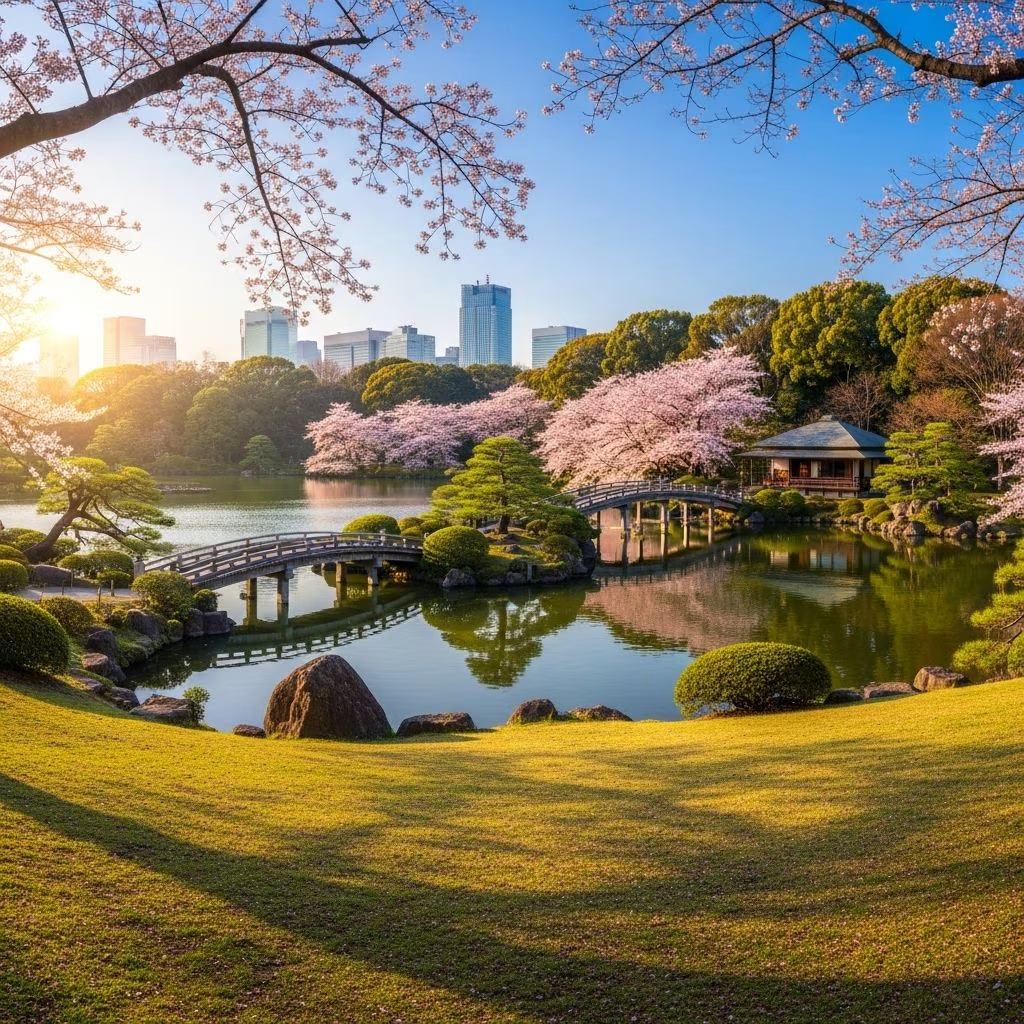
Explore the best parks in Tokyo, including Shinjuku Gyoen, Ueno Park, and Yoyogi, with tips on seasonal highlights, activities, and access.
 Travel Essentials
Tokyo, a metropolis of over 14 million people, surprises with its abundance of green spaces that offer respite from urban hustle. These parks range from traditional Japanese gardens to expansive modern recreation areas, catering to picnickers, joggers, families, and nature lovers alike. This guide highlights the most iconic ones, drawing from official records and visitor insights to help you plan your visit.
In the heart of the city, parks provide quick escapes amid skyscrapers and bustling streets. They blend history, culture, and leisure, making them essential stops for first-time visitors.
Established in 1949 across Shibuya and Shinjuku wards, this **583,000-square-meter national garden** stands as one of Tokyo’s largest and most visited green spaces. Formerly a private estate of the Naitō noble family, it now features three distinct garden styles: Japanese traditional, French formal, and English landscape. Wander through manicured lawns, serene ponds teeming with koi fish, and over 1,500 plant varieties, including rare tropical greenhouse species.
Prime visiting time is spring for cherry blossoms or autumn for vibrant foliage. Entry costs around ¥500 for adults, with closures on Mondays. It’s a 10-minute walk from Shinjuku Station, ideal for those exploring the area’s nightlife. Families appreciate the wide paths for strollers, while photographers capture the greenhouse’s exotic blooms.
Adjacent to Ueno Station, this expansive park hosts museums, a zoo, and seasonal festivals. Known for its **1,000+ cherry trees**, it draws massive crowds during hanami (blossom viewing) in late March to early April. Beyond sakura, enjoy boating on Shinobazu Pond or visiting the Tokyo National Museum nearby.
The park’s layout includes lotus fields in summer and illuminations in winter. Free entry makes it accessible, though zoo admission is separate. It’s perfect for a full day out, combining nature with education.
Westward parks offer more space for active pursuits, away from central crowds but still reachable by efficient public transport.
Near Harajuku Station, this **541,000-square-meter metropolitan park**, opened in 1967, buzzes with energy. Weekends feature cosplayers, street performers, rockabilly dancers, and yoga groups. Its meadows are prime for frisbee or picnics, while cyclists circle the paths.
Connecting to Meiji Shrine, it provides forested trails for quieter moments. Spring cherry blossoms and ginkgo-lined avenues in fall add seasonal charm. Free and open 24/7, it’s a social hotspot year-round.
In leafy Kichijoji, this park centers around a scenic pond where swan boats glide. Famous for cherry blossoms and autumn leaves, it includes an open-air museum and zoo. Locals flock here for relaxed vibes, making it less touristy than central spots.
Access via Inokashira Line; entry free. Watch for tame squirrels and seasonal vendors selling taiyaki (fish-shaped waffles).
East Tokyo’s parks leverage rivers and bays for waterfront activities, blending nature with city views.
Along the Sumida River since 1931, this **107,797-square-meter park** offers Tokyo Skytree vistas and fireworks viewing. Over 1,000 cherry trees line the paths, perfect for hanami with Asakusa nearby. Stroll promenades or relax on benches overlooking the water.
Ideal for evening walks when lit up; free access enhances its appeal.
In Edogawa Ward, this coastal park features an aquarium, Ferris wheel, and bird sanctuary. Cycling paths, beaches, and fishing piers cater to outdoor enthusiasts. It’s family-oriented with playgrounds and barbecue areas.
Reached by JR Keiyo Line; great for day trips from central Tokyo.
For those seeking vast landscapes, Tokyo’s periphery hosts enormous parks built post-war for recreation.
In Tachikawa, this **1.65 million-square-meter national park** from 1983 is Tokyo’s largest. Divided into Japanese, English, and Canadian gardens, it boasts rock climbing walls, cycling courses, and a miniature train. Seasonal flowers like nemophila in spring draw crowds.
Entry ¥450; spacious enough for kite-flying or butterfly observation. Ideal for kids with water play areas in summer.
Spanning Meguro and Setagaya, this 1975 park hosted 1972 Asian Games events. Now, it offers jogging tracks, tennis courts, and archery fields amid forested areas. Barbecue zones and picnic spots make it versatile.
Free entry; popular with athletes and casual exercisers.
Tokyo preserves Edo-period gardens emphasizing harmony with nature.
Dating to 1629 in Bunkyo Ward, this is Tokyo’s oldest garden. Rice paddies, tea houses, and full-moon viewing spots evoke feudal Japan. Plum and maple trees provide year-round beauty.
Near Tokyo Dome; ¥300 entry. Quiet mornings suit contemplation.
A former shogun duck-hunting ground, now a serene garden with a teahouse over a tidal pond. Skyscrapers frame pine groves and seasonal wildflowers.
Yurakucho Line access; ¥300 fee. Nakajima-no-Ochaya serves matcha with wagashi.
Tokyo’s parks transform with seasons, maximizing appeal.
| Park | Size (m²) | Key Feature | Best Season | Access |
|---|---|---|---|---|
| Shinjuku Gyoen | 583,000 | Multiple garden styles | Spring/Autumn | Shinjuku Stn |
| Ueno Park | Large | Cherry blossoms, museums | Spring | Ueno Stn |
| Yoyogi Park | 541,000 | Street performances | All year | Harajuku Stn |
| Showa Memorial | 1,653,000 | Playgrounds, gardens | Spring | Tachikawa Stn |
| Koishikawa Korakuen | Small | Historic landscape | Autumn | Korakuen Stn |
Most parks open dawn to dusk; check for closures. Use Suica/Pasmo cards for trains. Bring picnic supplies from konbini, but note alcohol bans in some areas. Early mornings avoid crowds; apps like Google Maps aid navigation.
Families: Prioritize Showa Memorial or Komazawa for kid amenities. Couples: Gardens like Hamarikyu for romance. Solo: Yoyogi for energy, Korakuen for peace.
Ueno Park’s 1,000+ trees make it iconic, though Yoyogi and Sumida rival it.
Many like Yoyogi and Ueno are free; gardens like Shinjuku Gyoen charge ¥300-500.
Showa Memorial Park with trains and playgrounds tops the list.
Yes, widely encouraged; grassy areas abound, but clean up trash.
JR lines connect efficiently; e.g., 30-60 min from Shinjuku to Showa.
