

 Travel Essentials
 Travel Essentials

Explore Toronto's diverse parks offering waterfront views, recreational facilities, and natural habitats. Find your perfect outdoor escape.
 Travel Essentials
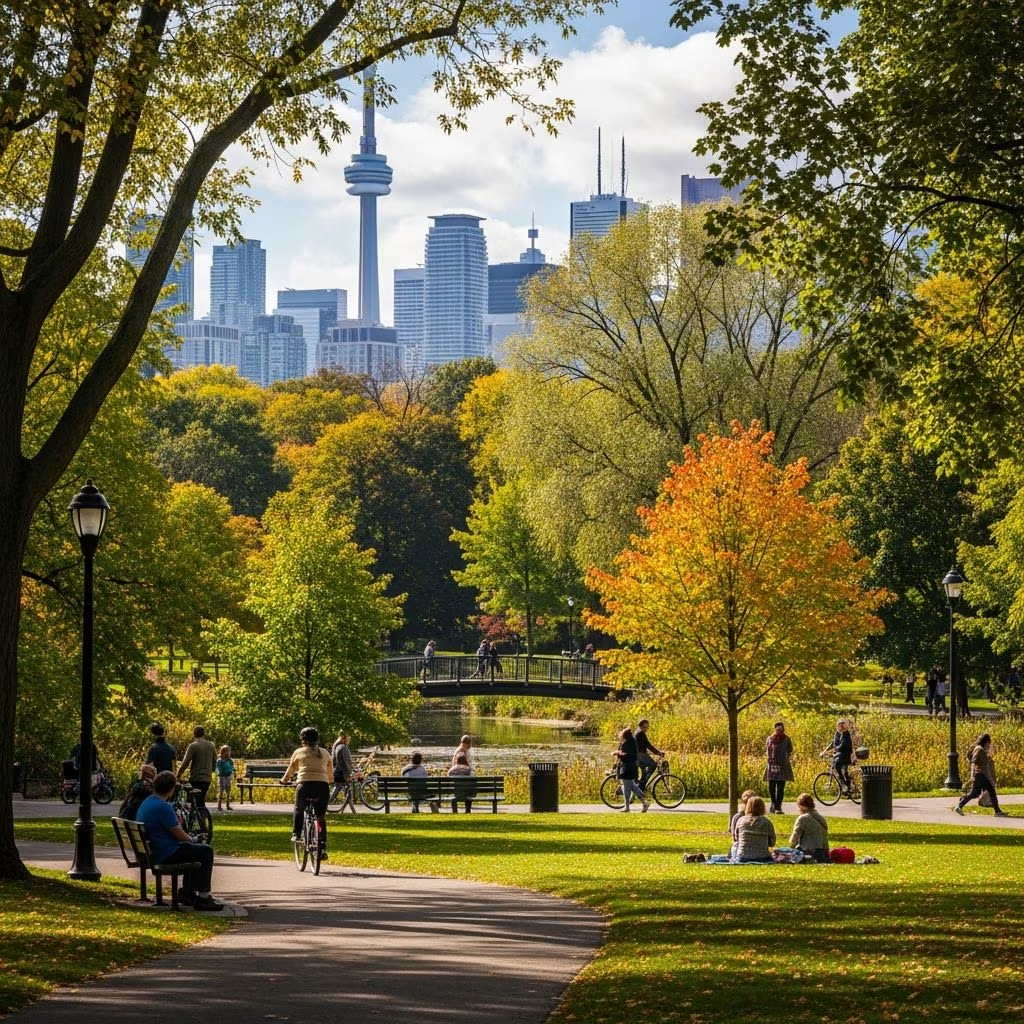
Toronto’s expansive network of parks and green spaces provides residents and visitors with exceptional opportunities to reconnect with nature while remaining within the vibrant urban landscape. From sprawling recreational areas to specialized botanical attractions, the city’s parks offer diverse experiences that cater to various interests and seasons. Whether you seek peaceful contemplation, active recreation, or wildlife observation, Toronto’s green spaces deliver memorable outdoor experiences throughout the year.
Toronto’s most expansive public park encompasses 399 acres of diverse landscape features situated centrally within the city. This premier destination attracts visitors of all ages with its comprehensive range of amenities and natural attractions. The park’s substantial size creates numerous distinct environments, from open meadows to wooded trails, each offering unique recreational possibilities.
The facility provides 18 designated picnic areas distributed throughout its grounds, making it an ideal location for family gatherings and outdoor meals. Visitors benefit from convenient parking options and readily accessible public transit connections, reducing barriers to visitation. The park’s infrastructure includes well-maintained hiking trails of varying difficulty levels, appealing to both casual walkers and experienced hikers seeking moderate physical challenges.
Recreational facilities within the park support diverse activities throughout the year. Tennis courts, sports fields, and dedicated dog parks cater to active visitors seeking structured recreation. Children’s playgrounds scattered across the grounds provide safe spaces for younger visitors to engage in interactive play. The waterfront trails offer scenic walking opportunities with views across the adjacent water body.
Year-round programming and seasonal events transform the park into a dynamic community gathering place. Regular activities, festivals, and organized programs create opportunities for social engagement and cultural enrichment. The combination of natural features and developed recreational infrastructure establishes this location as Toronto’s preeminent urban park destination.
Toronto’s waterfront parks deliver compelling visual experiences and ecological significance. The city’s eastern waterfront contains an ecological gem extending over 55 hectares along the shoreline. This expansive parkland provides habitat for diverse wildlife species, hosting more than 178 bird species and serving as a critical staging area for migratory monarch butterflies during summer months. The abundance of wildlife observation opportunities makes this location particularly appealing to nature enthusiasts and photographers seeking natural subject matter.
The eastern waterfront location establishes itself as a premier photography destination, particularly for capturing sunrise images above the city skyline. Early morning visitors can position themselves advantageously to photograph the sun’s emergence above the downtown towers, creating compelling compositions that showcase both natural and urban elements. The combination of water, wildlife, and architectural backdrop provides diverse photographic possibilities throughout the day.
Additional waterfront parks throughout Toronto offer complementary experiences to the eastern waterfront location. Humber Bay Park and Trillium Park present alternative waterfront venues with distinctive characteristics and amenities. Colonel Samuel Smith Park provides serene walking paths with frequent wildlife sightings, appealing to visitors prioritizing tranquility and natural observation. These distributed waterfront destinations ensure that visitors across different neighborhoods can access water-adjacent recreation without extensive travel.
Toronto’s western district contains a 79-hectare park that has established itself as the premier winter recreation destination within city limits. The facility features the city’s first dedicated ice-skating trail, distinctively designed in a figure-eight configuration. This specialized winter infrastructure creates unique recreational opportunities unavailable in most urban environments, transforming the park into a cold-weather destination during the winter season.
The winter-focused design reflects Toronto’s geographic location and climatic patterns. Seasonal programming and trail maintenance ensure reliable skating conditions throughout the winter months when weather permits. The figure-eight configuration provides both novice and experienced skaters with varied skating experiences, from gentle curves to tighter turns requiring greater skill.
Toronto maintains several specialized facilities dedicated to botanical display and environmental education. A historic conservatory houses a 16,000-square-foot greenhouse structure containing tropical plants, exotic cacti, and palm species collected from diverse global regions. The iconic glass-domed Palm House dates to 1910, representing enduring Victorian horticultural design principles. Guided tours provide educational context regarding the unusual flora collections, while seasonal flower shows celebrate botanical diversity throughout the year.
An alternative environmental center demonstrates ecological restoration principles through adaptive reuse of former industrial infrastructure. This facility integrates multiple functions within its design, including a year-round weekend farmers market, native plant sales, organic gardening instruction space, cycling repair services, and recreational facilities. The surrounding 40-acre Don Valley environment features pretty ponds and nature trails connecting the center to broader ecological systems. National Geographic recognition as a top-10 geotourism destination validates the center’s significance as both environmental and educational resource. Most remarkably, access to this comprehensive facility remains completely free, removing economic barriers to environmental education and engagement.
Trendy, culture-minded parks throughout Toronto serve as social gathering destinations on pleasant weather days. A 37-acre park on Queen Street West offers abundant recreational and social amenities within convenient downtown accessibility. The location features volleyball and tennis courts, ball diamonds, ice rinks for winter recreation, designated picnic areas, wading pools for summer cooling, playgrounds for children, and recreation centers facilitating organized activities. Extensive greenery, spacious grassy fields, and century-old trees create welcoming natural environments throughout the grounds. Paved walking paths and vintage cast-iron lamp fixtures enhance the visitor experience through thoughtful infrastructure design.
This central location attracts substantial crowds during pleasant weekends, establishing itself as the destination for social outdoor recreation. The combination of passive recreation opportunities (sitting, picnicking, socializing) and active recreation facilities (courts, fields, pools) accommodates diverse visitor preferences within a single location. The park’s accessibility and comprehensive amenities make it a reliable choice for both spontaneous visits and planned social gatherings.
Toronto’s parks system supports diverse ecological functions beyond recreational provision. Parks distributed throughout the city serve as habitat corridors connecting fragmented natural areas and supporting wildlife population continuity. These green spaces provide critical refuge for migratory species, resident birds, and terrestrial wildlife navigating urban environments.
Riparian zones along park water features support specialized plant communities and aquatic wildlife. Native plant gardens integrated into park designs support pollinator species and reduce maintenance requirements while enhancing ecological value. Many parks include dedicated native plant collections and educational signage explaining ecological relationships and conservation principles.
| Park Feature | East Waterfront | West End Winter Park | Urban Recreation Hub |
|---|---|---|---|
| Primary Attraction | Wildlife observation, photography | Ice skating, winter recreation | Social gathering, diverse activities |
| Size | 55 hectares | 79 hectares | 37 acres |
| Key Amenity | Migratory bird habitat | Figure-eight skating trail | Multiple court sports |
| Best Season | Summer migration | Winter months | Year-round |
Spring and fall offer moderate temperatures and pleasant weather for extended park visits. Summer provides warm conditions ideal for waterfront recreation and outdoor dining. Winter enables specialized ice skating activities in designated winter parks, though weather conditions vary annually.
Most major parks include paved walking paths, accessible parking, and facilities designed to accommodate visitors with varying mobility levels. Specific accessibility information should be verified for particular parks before visiting, as amenities vary by location.
Many parks throughout Toronto maintain dedicated dog parks where off-leash recreation is permitted. Additional regulations govern dog access to other park areas, so visitors should verify specific park regulations before bringing pets.
Most of Toronto’s public parks remain free to access, though specialized facilities within parks may charge admission fees. Environmental centers and conservatory exhibits typically charge modest fees supporting maintenance and educational programming.
Casual visitors should consider comfortable walking shoes, weather-appropriate clothing, and sun protection. Sports enthusiasts may bring specialized equipment for tennis, cycling, or other activities where facilities support such recreation. Picnickers benefit from bringing appropriate food containers and utensils.
Toronto’s parks system accommodates diverse visitor preferences through specialized facilities and varied landscape types. First-time visitors should identify parks aligned with their recreational interests and seasonal preferences. Waterfront parks appeal to photography enthusiasts and nature observers. Winter parks attract ice skating enthusiasts during cold-weather seasons. Social hub parks serve as reliable destinations for casual recreation and gatherings.
Exploring multiple parks across different neighborhoods provides comprehensive understanding of Toronto’s green space diversity. Seasonal visits reveal how landscapes transform throughout the year, with spring wildflowers, summer waterfront recreation, autumn foliage displays, and winter snow-covered scenes each offering distinctive visual experiences.
The city’s convenient public transit connections and distributed park locations encourage exploration without reliance on personal vehicles. Many parks situate themselves adjacent to transit hubs, facilitating spontaneous visits and extended stays. This accessibility helps integrate park visitation into regular urban routines rather than requiring special expedition planning.
Toronto’s parks represent collective investments in urban livability and environmental stewardship. These green spaces provide measurable health benefits through encouraging physical activity and stress reduction. Beyond individual visitor benefits, parks support broader ecosystem services including stormwater management, air quality improvement, and habitat provision. Understanding and appreciating these multifaceted park functions enhances visitor experiences and builds support for continued park system development and maintenance.
