

 Travel Essentials
 Travel Essentials

Explore Vancouver's diverse parks from iconic waterfront destinations to hidden green spaces perfect for hiking, cycling, and family activities.
 Travel Essentials
Vancouver consistently ranks among the world’s most livable cities, and much of its appeal stems from the abundance of natural spaces woven throughout the urban landscape. With over 240 parks ranging from intimate neighborhood gathering spots to sprawling forest reserves, the city offers unparalleled opportunities for outdoor recreation and nature appreciation. Whether you’re seeking solitary contemplation, family adventures, or active pursuits, Vancouver’s green infrastructure provides something meaningful for every visitor and resident.
The city’s commitment to preserving natural areas has created a comprehensive network of publicly accessible outdoor destinations. These spaces function as more than mere recreational amenities; they serve as ecological corridors, cultural gathering places, and venues for physical wellness. The parks range dramatically in scale and character, from intimate pocket parks tucked between downtown buildings to vast wilderness areas that transport visitors into pristine forest environments.
Vancouver’s geographic position on the Pacific coast significantly influences the character of its parks. Surrounded by water and backed by mountains, the city’s outdoor spaces often feature dramatic views, diverse ecosystems, and recreational opportunities that blend urban convenience with wilderness experiences.
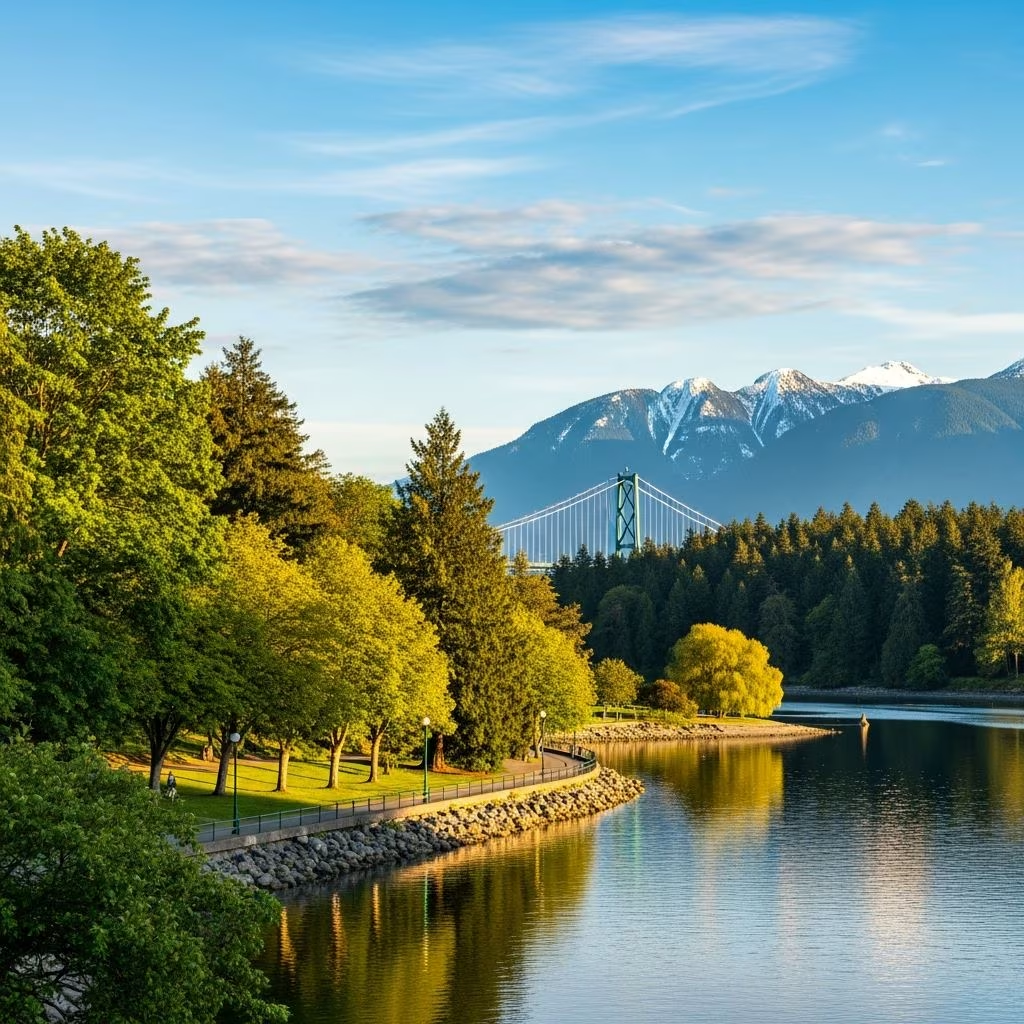
Spanning 400 hectares of coastal forest, the city’s most celebrated park dominates the downtown peninsula and functions as a natural sanctuary completely surrounded by water. This massive protected area combines dense woodland, scenic waterfront promenades, and numerous recreational facilities that attract millions of annual visitors. The park’s significance extends beyond its recreational value; it represents one of North America’s most successful urban green space preservation efforts.
Within this sprawling destination, visitors discover multiple distinct environments and activities. The famous 8.8-kilometer seawall circumnavigates the perimeter, offering a flat, paved route perfect for walking, cycling, or jogging while enjoying unobstructed water and mountain views. The seawall accommodates everyone from casual strollers to serious athletes, and its popularity reflects the universal appeal of combining exercise with natural scenery.
The park’s interior contains a network of hiking trails that wind through towering cedar and hemlock forests, creating a genuine wilderness experience just minutes from downtown. These woodland paths range from leisurely walks suitable for families to more challenging routes for experienced hikers. A popular freshwater lake nestled within the park provides a peaceful counterpoint to the bustling seawall and offers opportunities for quiet reflection surrounded by nature.
Situated at one of the city’s highest points, another major urban park combines breathtaking panoramic views with extensive horticultural collections. The elevation provides unprecedented vistas encompassing the downtown core, surrounding mountains, and distant ocean horizons. On clear days, visibility extends to distant peaks in Washington State, making the park a destination for photography enthusiasts and nature appreciators alike.
The park’s design integrates both cultivated gardens and natural woodland, creating transitional spaces that blend human stewardship with ecological authenticity. Pathways guide visitors through various horticultural zones, each showcasing different plant communities and seasonal displays. The park’s elevation also creates distinct microclimates that support diverse vegetation from Mediterranean species to alpine plants.
Extensive botanical gardens within the park showcase plants from diverse global regions and climates. Carefully curated collections demonstrate plant adaptability and highlight species suited to the Pacific Northwest environment. These living exhibits serve educational purposes while creating aesthetically compelling landscapes that enhance visitor experience across all seasons.
Several dedicated botanical facilities throughout Vancouver offer specialized plant collections and designed landscapes. These destination gardens range from intimate spaces featuring specific plant families to sprawling reserves encompassing multiple ecosystems. Admission fees typically range from $10-14 for adults, with pricing variations based on seasonal demand and special programming.
These gardens operate year-round, presenting different visual interest through seasonal changes. Spring brings flowering displays and fresh growth, summer offers lush greenery and maximum color diversity, fall provides warm tones and harvest themes, while winter reveals structural plant forms and persistent fruits. Special events enhance visitor experience, particularly during spring and summer months when programming reaches peak activity.
| Garden Type | Seasonal Highlight | Best Visit Time |
|---|---|---|
| Tropical Collections | Consistent exotic plant displays | Winter (indoor warmth) |
| Alpine Gardens | Delicate high-elevation species | Spring and early summer |
| Mediterranean Zones | Drought-tolerant colorful plantings | Late spring through fall |
| Japanese Gardens | Maple foliage and water features | Fall for color |
| Native Plant Areas | Regional ecosystem representation | Any season |
Beyond major destination parks, Vancouver maintains numerous community parks distributed throughout residential neighborhoods. These smaller spaces, while less famous than their larger counterparts, serve crucial functions in urban life. They provide accessible green space within walking distance for residents, host community events, and offer recreational facilities suited to family use.
Community parks typically feature amenities including playgrounds, sports courts and fields, picnic facilities, and water access for various activities. Many include spray parks providing summer cooling relief, particularly valuable during Vancouver’s occasional hot spells. These parks transform from quiet daytime spaces into vibrant community hubs during evenings and weekends.
Vancouver’s temperate maritime climate supports park usage throughout the year. While summer months attract maximum visitors seeking warm-weather activities, each season presents distinct advantages. Spring brings flower displays and moderate temperatures ideal for hiking. Summer offers peak activity in beaches and water recreation. Fall provides comfortable temperatures and dramatic foliage colors. Winter, though rainy and occasionally stormy, still permits outdoor activities and reveals landscape features hidden by summer vegetation.
Visitors should plan park visits considering weather patterns and seasonal activities. Summer weekends draw substantial crowds to popular destinations, suggesting that weekday visits or shoulder-season timing may provide more peaceful experiences. Farmers markets and special events concentrate on spring and summer months, while indoor facilities like ice rinks serve winter recreation needs.
Vancouver’s parks accommodate diverse physical activities ranging from casual walking to competitive sports. Extensive paved pathways support cycling, jogging, and rollerblading with varying difficulty levels. Waterfront seawalls provide flat, traffic-free routes ideal for all fitness levels. Woodland trails offer elevation changes and technical terrain for trail runners and mountain bikers.
Team sports facilities including fields, courts, and specialized equipment venues enable organized recreation. Individual pursuits from yoga to tai chi take advantage of open spaces and scenic settings. Water-based activities from swimming to paddling utilize numerous park beaches and waterfront access points.
Park benches, picnic areas, and designated gathering spaces support relaxation and social interaction. Water views and mountain vistas create contemplative environments for reading, meditation, or casual observation. Shaded areas beneath mature trees provide comfortable settings even during warmer seasons. Family picnics, group celebrations, and casual social gatherings find accommodating spaces throughout the park system.
Most major parks maintain convenient public transportation access via bus and transit systems. Downtown parks lie within walking distance of commercial and hotel districts. Regional parks accessible by vehicle offer parking facilities for visiting drivers. The extensive seawall network connects multiple parks, enabling continuous travel along the waterfront.
Rental services throughout the city provide bicycles, in-line skates, and other equipment for park exploration. Guided tours and organized recreational programs operate from various park facilities, accommodating visitors seeking structured experiences.
The 400-hectare peninsula park ranks among North America’s premier urban green spaces, combining woodland trails, waterfront promenades, and diverse recreational facilities. Its size and comprehensive amenities make it a full-day destination.
Most neighborhood parks remain completely free. Specialized botanical gardens typically charge $10-14 for adult admission, with pricing variations by season and programming.
Yes, extensive paved pathways throughout major parks accommodate cyclists. The famous seawall specifically designates separate cycling lanes to manage the high volume of recreational users.
Ice skating rinks operate in several parks during winter. Hiking continues year-round on woodland trails, though weather conditions may require appropriate gear.
Many parks permit leashed dogs, with designated off-leash dog parks available in numerous locations throughout the city.
Comprehensive public transportation connects major parks. Walkable downtown parks require no transportation. Bike rental services provide alternative access methods.
