
 Stays
StaysStays
Best Philadelphia Hotels by Neighborhood, Style, and Budget
Explore Philadelphia's finest hotels across multiple neighborhoods, from luxury Center City properties to historic Old City inns, with options for every traveler's preferences and budget.
 Stays
StaysPhiladelphia offers an impressive array of accommodations that cater to diverse traveler preferences, ranging from contemporary luxury properties to historic inns steeped in Revolutionary significance. The city’s hotel landscape reflects its role as both a modern metropolitan center and a repository of American history, providing visitors with choices that complement their travel objectives and aesthetic preferences.
The Contemporary Luxury Landscape
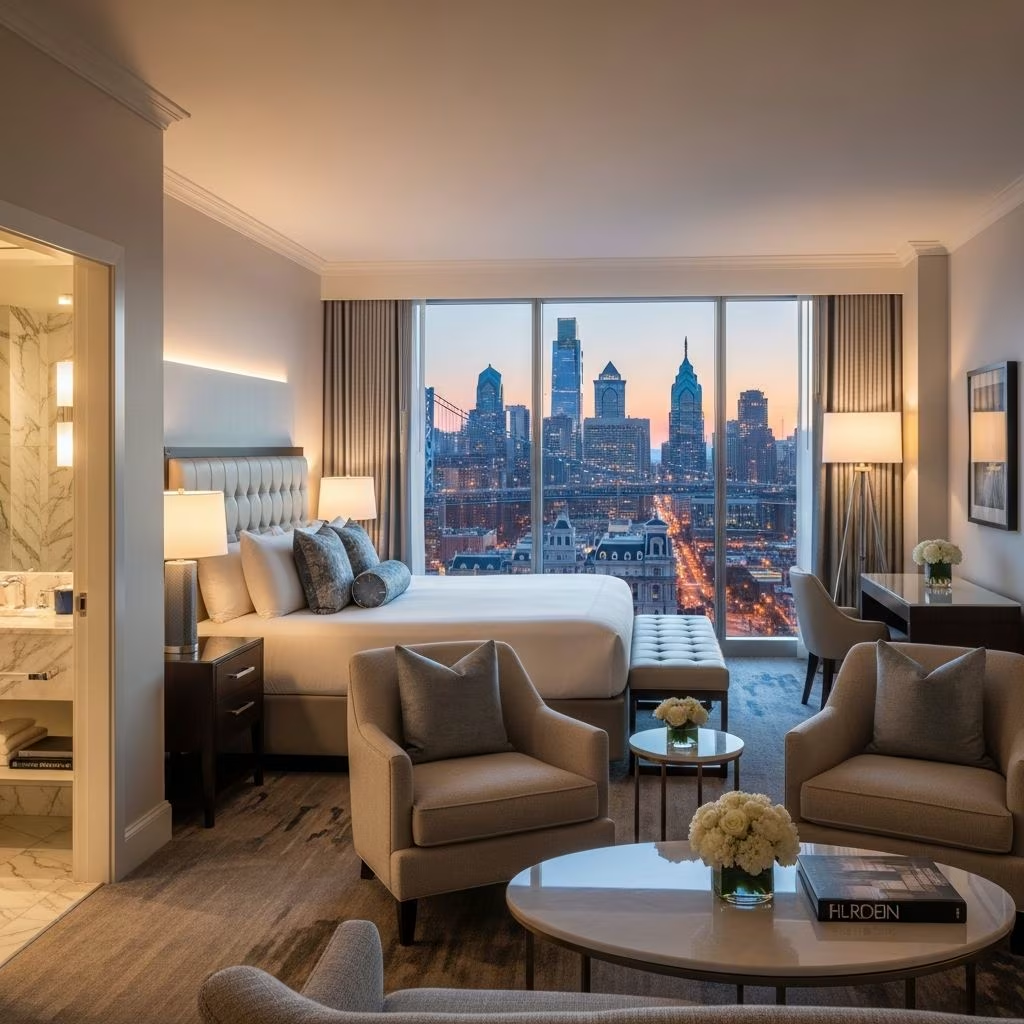
Philadelphia’s modern luxury sector has experienced substantial transformation in recent years, particularly with the relocation of major international hotel chains to prominent downtown locations. The highest-tier properties now occupy prime real estate in the city’s business and cultural districts, offering visitors exceptional views, world-class amenities, and sophisticated service standards.
These establishments distinguish themselves through architectural innovation and interior design excellence. Properties in this category feature floor-to-ceiling windows, spa facilities, Michelin-recognized dining establishments, and personalized concierge services. The contemporary luxury segment appeals primarily to travelers seeking cutting-edge comfort and those attending significant business events or celebrations.
Center City Residential Neighborhood Options
Beyond the downtown core, Center City residential neighborhoods provide an alternative luxury experience characterized by more intimate settings and neighborhood-specific atmospheres. These properties occupy buildings overlooking historic urban squares and leafy parks, creating environments that blend urban convenience with residential tranquility.
Accommodations in these areas often feature oversized room configurations, with some suites exceeding 2,000 square feet and offering separate living and sleeping areas. High-ceiling specialty suites and accommodations on dedicated premium floors provide enhanced privacy and personalized service. The residential neighborhood approach appeals to families seeking extended stays, business travelers requiring home-like environments, and guests desiring a more localized Philadelphia experience.
Historic District Properties and Period Accommodations
Philadelphia’s Old City and historic neighborhoods house properties that provide guests with immersive Revolutionary and Colonial-era experiences. These establishments occupy buildings that themselves represent significant historical periods, allowing visitors to literally inhabit the spaces where American history unfolded.
Historic properties offer distinctive advantages beyond standard hotel amenities. Guests benefit from proximity to major historical attractions, walking distance to significant Revolutionary landmarks, and opportunities to engage with the city’s narrative at a deeper level. Many of these establishments maintain period architectural details while incorporating modern comfort systems, creating unique juxtapositions between historical authenticity and contemporary convenience.
Riverfront and Waterfront Accommodations
Philadelphia’s Delaware River waterfront has emerged as a distinctive hospitality destination in its own right. Properties located along this corridor offer visitors perspectives of the river landscape and convenient access to waterfront dining, entertainment, and cultural venues. The riverfront positioning provides an alternative to the Center City experience, with a different energy and visual character.
Waterfront properties typically feature floor-to-ceiling windows emphasizing their riverside location, direct access to pedestrian riverwalk areas, and proximity to Philadelphia’s maritime heritage sites. These accommodations appeal to visitors prioritizing scenic views, waterfront dining experiences, and activities centered around the river environment.
Alternative Urban Neighborhoods
Beyond the traditional downtown and historic core, Philadelphia’s diverse neighborhoods each host distinctive accommodations that reflect local character. South Street, known for eclectic retail and dining, offers boutique properties embedded within the neighborhood’s dynamic atmosphere. West Philadelphia locations provide access to university cultural resources and residential area perspectives. These alternative locations typically feature lower pricing compared to Center City equivalents while maintaining quality standards and offering distinctive neighborhood experiences.
Service Models and Accommodation Types
| Accommodation Type | Characteristics | Ideal For |
|---|---|---|
| Full-Service Luxury Hotels | Comprehensive amenities, fine dining, concierge, spa, premium service | Special occasions, business travelers, luxury-focused guests |
| Boutique Properties | Distinctive design, limited rooms, personalized service, neighborhood focus | Travelers seeking unique experiences, design-conscious guests |
| Extended-Stay Accommodations | Apartment-style layouts, kitchens, separate living spaces, weekly rates | Long-term visitors, families, professionals on assignment |
| Historic Inns | Period architecture, historical significance, authentic atmosphere | History enthusiasts, cultural tourists, heritage-focused visitors |
| Mid-Range Properties | Solid amenities, central locations, good value, reliable service | Budget-conscious travelers, business trips, families |
Location Considerations and Neighborhood Characteristics
Philadelphia’s geography significantly influences the accommodation experience. Center City properties position guests within walking distance of major cultural institutions, shopping districts, and dining concentrations. Old City locations emphasize historical proximity and Revolutionary landmark accessibility. Residential neighborhoods offer park views and quieter environments. Waterfront properties emphasize scenic character and recreational water access. Alternative neighborhoods provide neighborhood-authentic experiences and typically lower nightly rates.
First-time visitors typically gravitate toward Center City or Old City locations for maximum cultural exposure and historical significance. Returning visitors or those with specific Philadelphia destination focuses may prefer neighborhood properties aligned with their particular interests. Business travelers often prioritize Center City accessibility and convenient transportation connections. Families frequently select properties with significant room configurations and suite options providing separate spaces for different age groups.
Amenity Profiles and Service Distinctions
Premium Philadelphia properties compete on amenity quality and service sophistication. Contemporary luxury establishments feature spa facilities, rooftop dining and cocktail venues, fitness centers with cutting-edge equipment, business centers, and concierge services offering personalized city guidance. Some properties emphasize culinary excellence, hosting Michelin-recognized restaurants or securing renowned executive chefs.
Mid-range establishments typically provide fitness facilities, business centers, complimentary breakfast or coffee service, and reliable housekeeping and front-desk support. Boutique properties often emphasize design elements, neighborhood restaurants partnerships, and personalized local recommendations over extensive on-site amenities. Extended-stay properties prioritize kitchen facilities, laundry services, and flexible housekeeping schedules accommodating longer occupancy periods.
Accessibility and Transportation Integration
Philadelphia’s public transportation system provides alternatives to car rental for visitors without personal vehicles. Hotels across the city vary in their transportation proximity and accessibility. Center City properties typically offer walking access to SEPTA subway and bus stations, facilitating movement throughout the city. Historic district properties often position guests within walking distance of major attractions but may require transit or ride services for more distant destinations. Riverfront properties generally provide pedestrian access to entertainment and dining but may require transit for shopping or museum visits. Properties in alternative neighborhoods vary in transit connectivity, with some positioned near major transit corridors and others requiring more intentional transportation planning.
Dining and Culinary Experiences
Philadelphia’s food culture features prominently in the hotel experience. Luxury properties invest significantly in on-site dining, with multiple restaurants, bars, and lounges managed by accomplished culinary teams. Some properties achieve Michelin recognition, attracting not only hotel guests but also Philadelphia residents seeking distinctive dining experiences. Mid-range properties typically offer breakfast service, casual dining outlets, and room service. Boutique properties frequently partner with neighborhood restaurants rather than developing extensive on-site dining, directing guests toward authentic local culinary offerings.
Frequently Asked Questions
What is the best neighborhood for first-time Philadelphia visitors?
Center City and Old City locations provide optimal exposure to Philadelphia’s cultural institutions, historical significance, and dining concentrations. These neighborhoods position visitors within walking distance of Independence Hall, major museums, historic sites, and contemporary restaurants, maximizing experiential density for initial visitors.
Which accommodations offer the best value?
Mid-range properties in Center City and alternative neighborhoods, such as South Street boutique options, typically provide superior value compared to luxury Center City flagships. Extended-stay properties offer advantageous nightly rates for longer visits. Visitors should compare total cost including amenities, location convenience, and parking versus nightly rates when evaluating value.
Are historic properties suitable for guests with accessibility requirements?
Historic properties vary significantly in accessibility features. While some have incorporated comprehensive accessibility modifications, older buildings may have structural limitations affecting elevator access, room width, or bathroom configurations. Prospective guests should contact properties directly regarding specific accessibility requirements rather than assuming capabilities based on historical designation.
How far are most hotels from Philadelphia International Airport?
Center City properties typically require 20-35 minutes transit time from Philadelphia International Airport via SEPTA rail or ride services. Riverfront properties often require similar transit times. Alternative neighborhoods vary more significantly depending on specific location. Most properties can arrange transportation through house car services or provide transit guidance to visiting guests.
What distinguishes boutique hotels from standard hotel chains?
Boutique properties emphasize distinctive design, limited room inventories, personalized service, and often neighborhood cultural integration. These properties typically feature more individualized design schemes, potentially challenging architectural configurations, and curated guest experiences compared to standardized chain properties. Guests should research specific properties regarding design aesthetic and potential layout quirks before booking.
Seasonal Considerations and Booking Guidance
Philadelphia’s tourism patterns fluctuate seasonally, with autumn and spring typically featuring higher demand and pricing, while winter and summer offer comparative value. Holiday periods and major events drive pricing across all accommodation categories. Advance booking provides better rate access and greater property selection, particularly for premium accommodations during peak travel periods. Visitors should consider conference schedules, major festivals, and sporting events when planning Philadelphia stays, as these concentrations increase accommodation demand and pricing.
Summary Assessment
Philadelphia’s accommodation landscape provides genuine diversity reflecting the city’s multifaceted character as both a contemporary metropolitan center and historical American treasure. Luxury properties deliver contemporary sophistication and world-class service. Historic accommodations offer authentic Revolutionary-era immersion. Neighborhood properties provide localized experiences and neighborhood integration. The city’s hospitality sector successfully accommodates travelers across experience preferences, budget parameters, and visit objectives, ensuring meaningful Philadelphia experiences regardless of accommodation selection or travel circumstance.
References
- The Rittenhouse Hotel — Luxury Accommodations Overview — The Rittenhouse Hotel Philadelphia. Accessed 2026. https://www.rittenhousehotel.com
- Philadelphia Hotels and Where to Stay — Visit Philadelphia Official Tourism Site. 2026. https://www.visitphilly.com/hotels/
- The Best Hotels in Philadelphia — and Where to Eat Nearby — Michelin Guide. 2026. https://guide.michelin.com/us/en/article/travel/best-philadelphia-key-hotels
- Luxury Hotels and Five-Star Accommodations — Forbes Travel Guide. 2026. https://www.forbestravelguide.com/destinations/philadelphia-pennsylvania
- Philadelphia Hotels and Boutique Accommodations — Tablet Hotels. 2026. https://www.tablethotels.com/en/philadelphia-hotels
On This Page
The Contemporary Luxury Landscape Center City Residential Neighborhood Options Historic District Properties and Period Accommodations Riverfront and Waterfront Accommodations Alternative Urban Neighborhoods Service Models and Accommodation Types Location Considerations and Neighborhood Characteristics Amenity Profiles and Service Distinctions Accessibility and Transportation Integration Dining and Culinary Experiences Frequently Asked Questions Seasonal Considerations and Booking Guidance Summary Assessment← Previous
Best Luxury Hotels in Monaco: Top Stays for a Glamorous Riviera Escape
Next →
Best Hotels in New Delhi: Luxury, Location & Comfort
Related Reading