

 Travel Essentials
 Travel Essentials

Explore Canada's most serene destinations offering wellness retreats, natural landscapes, and peaceful accommodations ideal for relaxation seekers.
 Travel Essentials
Canada stands as North America’s premier destination for travelers seeking genuine tranquility and restoration. The vast landscapes, pristine natural environments, and world-class wellness facilities combine to create an ideal setting for those looking to escape the pressures of modern life. Whether you’re drawn to mountain vistas, lakeside communities, or forest retreats, Canada offers diverse options that cater to various relaxation preferences and travel styles.
The appeal of Canada as a relaxation hub stems from multiple interconnected factors. The country’s emphasis on environmental conservation has preserved vast areas of untouched wilderness, creating spaces where visitors can genuinely disconnect from urban stress. Additionally, Canada’s tourism infrastructure has evolved to prioritize wellness and mindful travel experiences, with numerous establishments specifically designed to facilitate deep relaxation and personal restoration.
The cultural values emphasizing balance, outdoor connection, and sustainable living permeate Canadian hospitality. Many accommodations and retreat centers have embraced this philosophy, creating environments that actively promote mental and physical wellbeing rather than simply offering traditional hotel amenities.
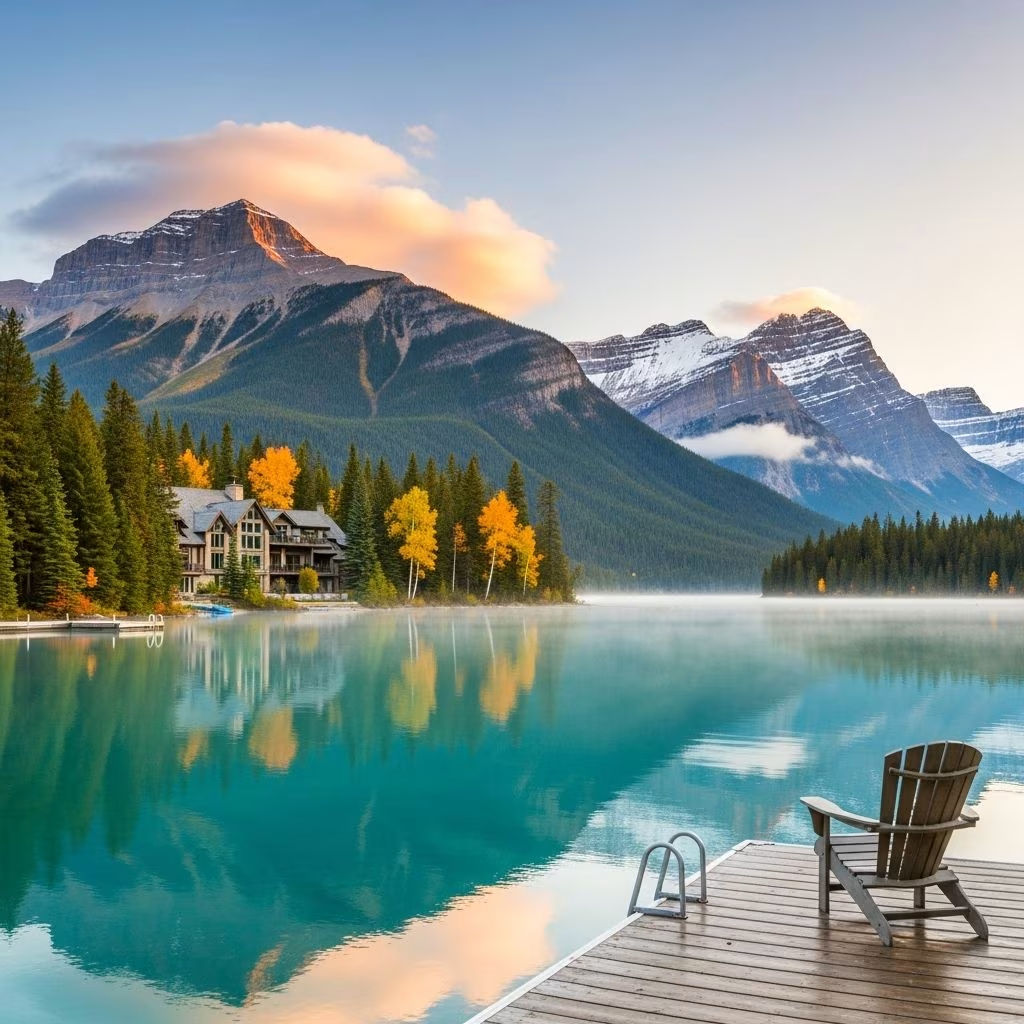
The Canadian Rocky Mountains represent one of North America’s most spectacular natural settings for peaceful contemplation. These majestic peaks, characterized by dramatic limestone formations and crystalline alpine lakes, provide breathtaking backdrops for relaxation-focused travel. The mountain environment naturally encourages slower pace, deeper breathing, and heightened awareness of natural beauty.
Within this mountain region, established national parks protect vast territories where visitors can engage in gentle hiking, nature photography, and meditation. The cooler mountain air, fragrant pine forests, and the absence of urban noise create an acoustic environment particularly conducive to mental relaxation. Many mountain lodges and retreat centers have strategically positioned themselves to maximize these natural advantages, offering accommodations that frame mountain vistas from private balconies and windows.
High-altitude lakes nestled within mountain valleys offer uniquely peaceful settings. These crystalline bodies of water, surrounded by forested slopes and dramatic peaks, create naturally serene environments. Communities bordering these lakes have developed amenities that complement rather than dominate the landscape, maintaining the fundamental tranquility that makes these locations attractive to relaxation seekers.
Beyond the mountains, Canada’s extensive network of pristine lakes provides alternative settings for peaceful travel experiences. Large lakes spanning multiple provinces offer diverse environments—from active resort communities to remote wilderness lodges. The rhythm of water, whether experienced through gentle boat rides, waterside meditation, or simply gazing across expansive surfaces, has documented psychological benefits for stress reduction and cognitive restoration.
Wellness-focused establishments positioned along lakeshores often incorporate water-based therapies, aquatic exercise programs, and spa treatments that utilize local mineral waters. The integration of therapeutic water activities with accommodation and nutritional services creates comprehensive wellness experiences rather than isolated treatments.
Remote forests in Ontario’s northern regions provide settings of profound quietude. These vast wilderness areas, relatively untouched by development, offer experiences of genuine isolation and natural immersion. Accommodations within these regions typically feature modern comforts—heating systems, clean water, comfortable bedding—while maintaining minimal intrusion on the surrounding landscape. This combination allows visitors to experience wilderness authenticity without sacrificing basic comfort.
Vancouver Island’s remote coastal communities represent another dimension of Canadian relaxation experiences. Positioned on rocky shores with ocean views, these getaway properties offer the particular psychological benefits associated with coastal environments. The rhythmic sound of waves, the negative ions abundant in ocean air, and the visual expansiveness of water views combine to create powerful relaxation effects.
Island locations provide natural barriers to external disturbance, as geographic separation inherently reduces unwanted intrusions. Ferry access typically limits casual day-trippers, preserving peaceful atmospheres for overnight guests specifically seeking restoration rather than brief recreational visits.
Specialized retreat facilities dedicated to yoga, meditation, and holistic health have proliferated throughout Canada. These establishments, often positioned in scenic locations, combine professional instruction with carefully designed environments. Programming typically includes guided meditation sessions, yoga classes tailored to various skill levels, nutritional education, and spa therapies.
The Sentinel retreat center in British Columbia’s West Kootenays region exemplifies this approach, overlooking Kootenay Lake while offering comprehensive wellness programming. These centers typically employ experienced instructors and therapists whose expertise enhances the natural relaxation benefits of the settings themselves.
While nature-focused retreats dominate Canada’s relaxation landscape, major urban centers offer sophisticated alternatives for those preferring city-based vacations. Toronto, Vancouver, and Montreal each provide cosmopolitan settings with world-class spas, wellness centers, and cultural institutions that contribute to refined relaxation experiences.
Urban relaxation emphasizes cultural engagement, culinary experiences, and spa therapies rather than wilderness immersion. Theater performances, museum visits, and restaurant experiences that emphasize locally-sourced ingredients and thoughtful preparation create a different but equally valid approach to restoration through travel.
| Season | Characteristics | Best Activities |
|---|---|---|
| Spring | Mild temperatures, wildlife emergence, lengthening days | Nature walks, photography, outdoor meditation |
| Summer | Warm weather, extended daylight, active outdoor season | Hiking, water activities, outdoor yoga |
| Autumn | Spectacular foliage, cooler temperatures, fewer crowds | Forest walks, contemplative travel, photography |
| Winter | Snowy landscapes, quiet atmosphere, thermal features | Spa retreats, indoor meditation, nature observation |
Each season presents distinct advantages for relaxation travel. Spring and autumn offer moderate temperatures and visual beauty with reduced summer crowds. Winter transforms landscapes into serene snowscapes while increasing appeal of heated spa facilities and indoor wellness programs. Summer provides optimal conditions for water-based and outdoor activities, though established retreats manage crowds through booking systems that maintain capacity limits.
Canadian relaxation destinations accommodate varying preferences and budgets through diverse accommodation types. Remote luxury cabins offer private retreats with high-end amenities positioned within wilderness settings. Mid-range lodge accommodations combine comfort with connection to natural environments at accessible price points. Budget-conscious travelers find options through environmental centers and cooperative accommodations that maintain relaxation-focused environments while controlling costs.
Positioning accommodations within natural landscapes rather than replacing landscapes with built structures represents a philosophical choice that many Canadian retreat operators have embraced. This approach respects environmental integrity while enhancing the relaxation benefits that natural immersion provides.
Research consistently demonstrates that nature-based relaxation experiences produce measurable physiological improvements. Reduced cortisol levels, lower blood pressure, decreased heart rate, and improved sleep quality represent documented outcomes of wilderness immersion and relaxation-focused travel. Beyond physical markers, participants report enhanced mental clarity, emotional resilience, and improved capacity for stress management in post-vacation periods.
The combination of physical movement through hiking or gentle exercise, nutritional attention through wellness-focused meals, and psychological restoration through meditation and nature immersion creates synergistic health benefits that exceed isolated spa treatments or brief vacations.
Successful relaxation travel begins with clear understanding of personal preferences. Some travelers prioritize profound natural isolation and wilderness immersion. Others seek structured wellness programming with professional guidance. Still others prefer blending cultural engagement with spa treatments in urban contexts. Acknowledging these preferences guides destination and accommodation selection.
While brief weekend retreats offer some restoration benefits, research suggests that multi-day experiences (typically five to ten days) allow deeper stress reduction and meaningful habit integration. Selecting travel timing to align with personal stress cycles—whether end-of-year recovery or mid-year reset—enhances the alignment between travel timing and physiological readiness for restoration.
Canadian relaxation options span significant price ranges. Luxury retreat centers and private cabins command premium rates, while environmental centers and cooperative accommodations offer budget-friendly alternatives. Mid-range options balance amenities with accessibility. Establishing realistic budgets and prioritizing specific amenities guides appropriate destination selection.
Each season offers distinct advantages. Summer provides optimal weather for outdoor activities and extended daylight. Autumn delivers spectacular natural beauty with moderate temperatures. Winter offers uniquely peaceful snow-covered landscapes and appeals to spa-focused travelers. Spring provides wildlife observation and the psychological benefits of seasonal renewal.
Popular retreat centers and remote accommodations often book several months in advance, particularly during peak seasons. Booking three to four months ahead typically ensures availability at preferred facilities. Last-minute bookings may access cancellations or identify less-publicized options, though selection becomes limited.
Many Canadian relaxation destinations accommodate family groups, though specific retreat centers maintain adults-only policies to preserve tranquil atmospheres. Family-friendly outdoor destinations and environmental centers actively welcome children, creating multigenerational restoration experiences.
Essentials include comfortable, layered clothing appropriate to seasonal conditions, quality footwear for nature exploration, personal toiletries, meditation cushion if personally preferred, and minimal entertainment technology. Most retreat centers provide spa facilities and linens, reducing packing needs. Comfortable casual clothing emphasizing function over fashion aligns with relaxation-focused environments.
While relaxation travel provides general wellness benefits, retreat centers with medical oversight can address specific concerns through integrated approaches. Consulting healthcare providers before booking ensures that selected activities and environments support individual health conditions appropriately.
Canada’s combination of vast pristine landscapes, sophisticated wellness infrastructure, and cultural values emphasizing balance and environmental stewardship position the country uniquely as North America’s premier relaxation destination. From remote mountain lodges to lakeside wellness centers, from forest sanctuaries to ocean-view retreats, the diversity of options accommodates varied preferences while maintaining fundamental commitment to genuine restoration.
The accessibility of these experiences—whether through remote wilderness lodges or urban spa centers—democratizes relaxation travel, making meaningful restoration experiences available across economic and physical ability ranges. As awareness of stress-related health impacts increases and travel preferences shift toward wellness and sustainability, Canada’s established infrastructure and natural advantages position it to meet growing demand from travelers prioritizing restoration and renewal.
