

 Travel Essentials
 Travel Essentials

Discover Mexico’s best Día de Muertos destinations, from candlelit Pátzcuaro and Oaxaca’s village vigils to Mexico City’s grand parade.
 Travel Essentials
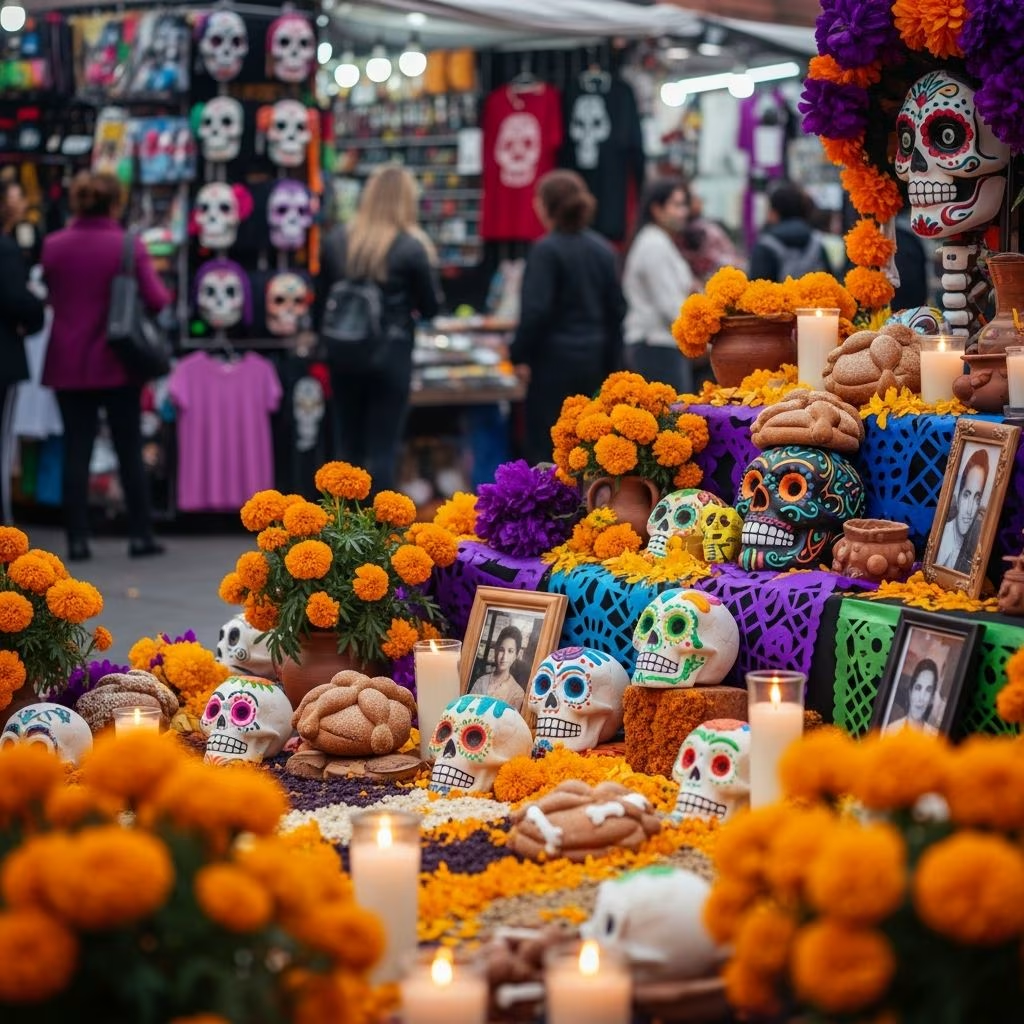
Día de Muertos, celebrated primarily on November 1 and 2, transforms Mexico into a tapestry of color, light, and remembrance. Families erect elaborate ofrendas—altars adorned with marigolds, candles, pan de muerto, and personal mementos—to guide spirits home. This holiday blends indigenous beliefs with Catholic influences, creating joyous reunions with the departed rather than mournful farewells.
At its core, Día de Muertos honors the dead through symbolism: marigold petals mark paths for souls, salt purifies, water refreshes, and favorite foods sustain them. Public and private celebrations feature sugar skulls, face paint resembling elegant skeletons like La Catrina, and feasts with atole and candied pumpkin. While November 1 focuses on children (los angelitos), November 2 commemorates adults, often with cemetery vigils and processions.
Regional variations add depth. In Mayan areas, it’s Hanal Pixán, emphasizing ancestral feasts. Urban centers host parades inspired by global pop culture, while rural spots preserve ancient rites. Planning a visit means booking early, respecting local customs, and embracing the festive yet sacred atmosphere.
In Michoacán’s Lake Pátzcuaro, the island of Janitzio hosts one of Mexico’s most poignant celebrations. On November 1, thousands converge at the cemetery as Purépecha communities illuminate graves with thousands of candles. Locals perform rituals, sharing stories of the deceased amid flickering lights reflecting on the water. Visitors ride boats to the island, witnessing dances in skull masks and offerings of tequila or pulque for adult spirits.
The scene is mesmerizing: cemeteries aglow until dawn, with marigold-strewn paths and live music. Stay in Pátzcuaro town for artisan markets selling alebrijes (fantastical creatures) and pan de muerto. This spot embodies quiet reverence, ideal for cultural immersion.
Mexico City’s Desfile de Día de Muertos rivals Carnival in scale. Launched in 2016 and popularized via film, the parade snakes along Avenida Reforma from Estela de Luz to Zócalo. Expect 1,000+ performers as alebrijes, fire-breathing diablos, Aztec bands, and twirling Catrinas. Floats honor notable citizens, with donkey-pulled beer kegs adding whimsy in some years.
Zócalo’s massive ofrendas draw crowds, alongside exhibitions and concerts. Venture to Xochimilco’s canals for trajinera rides amid floating gardens lit by lanterns on November 1. Mixquic offers traditional vigils. The city buzzes for a week, blending modernity with tradition—perfect for first-timers.
Oaxaca state shines with Día de Muertos from October 31 to November 2. Oaxaca City’s Panteón de San Miguel cemetery dazzles with marigolds, cockscomb flowers, and pan de muerto. Smaller villages like San Agustín Etla or Arrazola host comparsas—costumed parades with music and dance—culminating in graveyard feasts.
Mezcal flows alongside tamales, as families compare ofrendas. The region’s preserved indigenous culture makes it authentic; visit during the day for markets, nights for candlelit processions. It’s a haven for foodies and craft lovers.
In Mérida and surrounding areas, Hanal Pixán means “feast for the souls.” Families prepare mukbil pollo (tamales buried underground) and xek (fiery cabbage slaw) for altars in homes and the zócalo. Cemeteries bloom with decorations, and evening processions feature music and mukeras (soul tables).
Mérida’s main square hosts intricate public ofrendas. This Mayan twist emphasizes communal dining with ancestors, offering a distinct flavor from central Mexico.
Book accommodations and tours months ahead, especially near Pátzcuaro or Mexico City. Respect sacred sites—no flash photos at graves. Pack layers for cool nights, comfortable shoes for parades, and an open heart. Costs vary: urban spots are pricier, rural ones more affordable. Fly into Mexico City, then bus or fly domestically.
| Destination | Highlight | Best For | Crowd Level |
|---|---|---|---|
| Lake Pátzcuaro | Cemetery vigils | Tradition seekers | High |
| Mexico City | Grand parade | Festive energy | Very High |
| Oaxaca | Village comparsas | Cultural depth | Medium |
| Mérida | Hanal Pixán feasts | Mayan customs | Medium |
| Guanajuato | Street skeletons | Intimate vibes | High |
Participate by adding copal incense or coins to public ofrendas. Try face painting—calavera styles are common. Food staples: pan de muerto (bone-shaped sweet bread), sugar skulls, atole. Avoid treating it as Halloween; it’s reverent. Learn phrases like “¡Que viva la muerte!” (Long live death!).
Mainly November 1 (All Saints’ Day for children) and 2 (All Souls’ Day for adults), with events from October 31.
Yes, in tourist areas; stick to crowds, use reputable transport.
Comfortable clothes; optional costume or face paint to blend in.
Many welcome respectful visitors; observe quietly.
Abundant—focus on atole, fruits, breads.
This holiday’s blend of joy and memory draws millions, showcasing Mexico’s resilience and artistry. From Janitzio’s serene glow to Reforma’s spectacle, each spot offers a unique lens on life’s cycle. Whether seeking spirituality or festivity, Mexico’s Día de Muertos delivers profound experiences.
