


 Food & Culture
Food & Culture
Best Places to Eat in Porto: Local Restaurants, Tascas & Iconic Dishes
Navigate Porto's vibrant food scene with insider recommendations for traditional restaurants, sandwich shops, and local favorites that showcase genuine Portuguese cuisine.
 Food & Culture
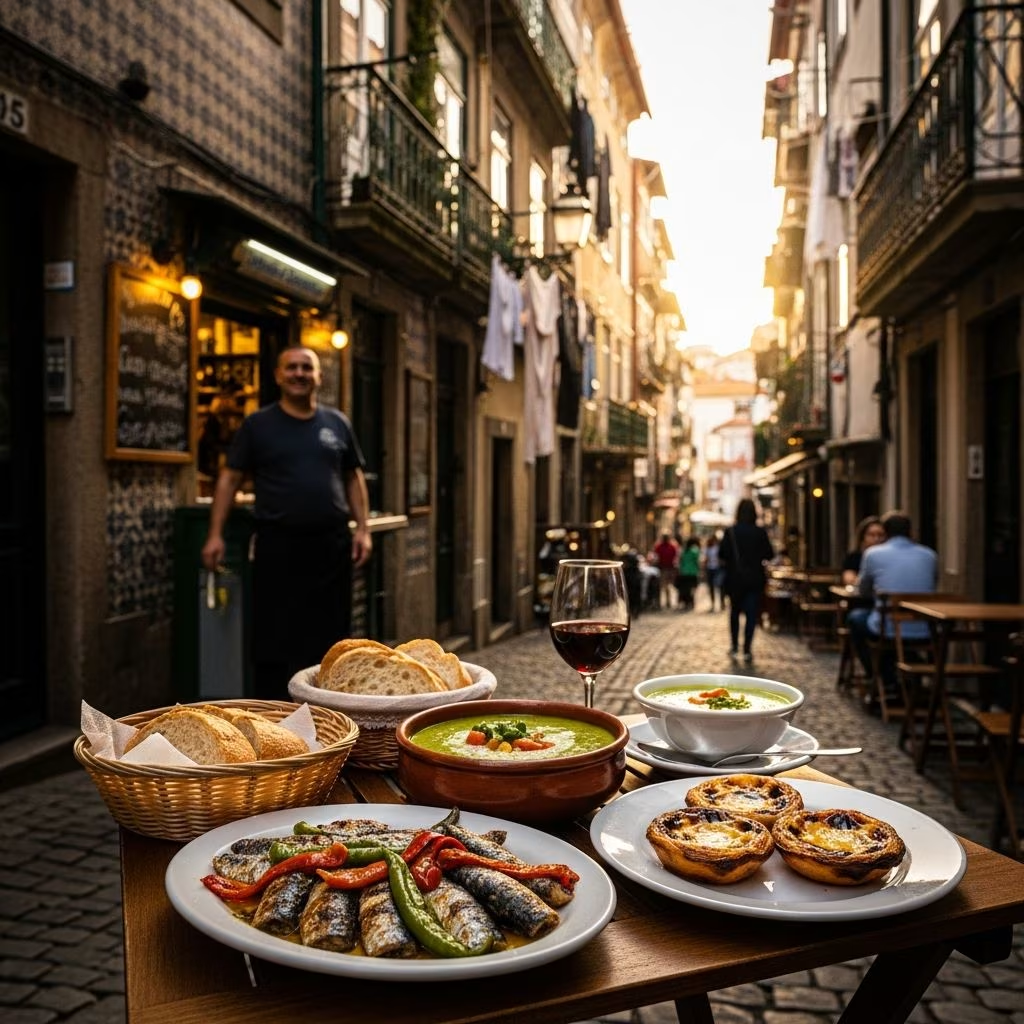
Porto stands as one of Europe’s most underrated culinary destinations, where the city’s food culture runs as deep as the Douro River that winds through its historic streets. Rather than navigating the overwhelming number of restaurants catering to tourists, discovering the authentic flavors of Porto requires insider knowledge—the kind of understanding that comes from eating where locals eat and choosing establishments that prioritize tradition over marketing.
Understanding Porto’s Distinctive Food Culture
The gastronomic identity of Porto extends far beyond simple sustenance; it represents centuries of maritime heritage, agricultural traditions, and cultural pride. The city’s location along Portugal’s northern coast has shaped its relationship with both land-based proteins and fresh seafood, creating a unique culinary landscape that differs notably from Lisbon’s more internationally influenced dining scene.
Porto’s approach to food emphasizes quality ingredients sourced locally, preparation methods passed down through generations, and recipes that have remained largely unchanged for decades. This commitment to authenticity means that many beloved restaurants prioritize consistency and tradition over trendy presentations or fusion concepts. Understanding this philosophy proves essential when selecting where to dine, as it separates genuine establishments from those designed primarily for tourist consumption.
Street Food and Quick Bites: Porto’s Iconic Handheld Specialties
No exploration of Porto’s food scene is complete without experiencing the city’s legendary sandwich culture. These are not mere quick bites but rather culinary statements that define how locals approach eating on the go.
Casa Guedes: The Sandwich Institution
Since the 1970s, Casa Guedes has maintained its position as Porto’s most revered sandwich establishment. The restaurant’s signature creation—a roast pork sandwich prepared with proprietary techniques—has achieved near-mythical status among both residents and food writers. What makes this destination essential involves more than just historical longevity; the quality consistency and unwavering commitment to a single specialty demonstrate a philosophy increasingly rare in modern dining.
The sandwich itself represents elegant simplicity: quality pork, typically cut fresh from the restaurant’s preparation area, served on bread that balances structural integrity with softness. Locals queue without hesitation, understanding that waiting time reflects demand rather than inefficiency. The Porto Tónico, a cocktail gaining popularity throughout the region, pairs exceptionally well with Casa Guedes’ offerings.
Gazela: The Iconic Cachorrinho Destination
Gazela holds distinction as the birthplace of Porto’s famous cachorrinho—the city’s distinctive interpretation of a spiced hot dog. The establishment’s walls display photographs of renowned food personalities who have visited, including the late Anthony Bourdain, whose endorsement elevated the restaurant’s profile among food enthusiasts worldwide. The cachorrinho itself features spicy sausage and melted cheese positioned on thin, toasted bread, best enjoyed with a basket of fries and a Super Bock beer.
Beyond the cachorrinho, Gazela serves the francesinha, Porto’s characteristic sandwich consisting of layered meats topped with melted cheese and a distinctive beer-based sauce. The restaurant exemplifies how a single concept, executed with precision and quality ingredients, can achieve legendary status within a city’s food culture.
Traditional Portuguese Cuisine: Where Locals Dine
Moving beyond sandwich shops reveals Porto’s deeper culinary traditions, where restaurants dedicated to authentic Portuguese cooking maintain steady clientele of neighborhood residents rather than tourist masses.
Adega São Nicholau: The Chef’s Choice
Adega São Nicholau represents a rare phenomenon: a restaurant in Ribeira—the historic neighborhood now dominated by tourist-oriented establishments—that maintains fierce loyalty among professional chefs and serious food enthusiasts. Despite its proximity to crowds, the restaurant’s focus on quality preparation and seasonal ingredients keeps locals returning repeatedly.
The menu rotates regularly, ensuring diners encounter fresh preparations rather than exhausted signature dishes. Bacalhau croquettes appear with such consistency that they practically represent a house standard, while preparations like polvo á lagareiro (octopus with roast potatoes) showcase the kitchen’s technical competence and respect for ingredient-driven cooking. Arriving fifteen minutes before opening significantly improves the likelihood of securing coveted outdoor seating with partial river views.
Casa Expresso: The Affordable Traditional Tasca
Casa Expresso embodies the concept of a tasca—the Portuguese equivalent of a neighborhood bistro—where daily-changing menus offer dishes prepared according to traditional formulas at remarkably affordable prices. Each plate typically costs between five and six euros, positioning the establishment as an exceptional value proposition even by Porto standards. The daily specials, written on boards in the window, reflect whatever ingredients the kitchen has sourced that morning, creating an element of discovery with each visit.
For those seeking authentic Portuguese preparations without pretense or premium pricing, Casa Expresso delivers consistently. The alheira—a bird sausage with deep historical roots in Portuguese cuisine—achieves particular excellence here, with many patrons considering it the finest interpretation they’ve encountered.
Brasão: The Modern Francesinha Haven
Brasão distinguishes itself through presentation and ambiance while maintaining price points aligned with other neighborhood establishments. The restaurant features moody lighting, raw brick walls adorned with artisanal ceramics, and paper tablecloths despite its refined aesthetic. The francesinha achieves particular prominence on the menu, with multiple Porto locations ensuring accessibility throughout the city.
The restaurant demonstrates that tradition and contemporary design need not conflict, creating an environment where serious food enthusiasts feel equally comfortable as neighborhood regulars.
Specialized Dining: Seafood and Regional Excellence
Taberninha do Manel: Riverfront Dining Without Tourist Compromise
Located in Vila Nova de Gaia directly along the Douro River near the iconic Luís I Bridge, Taberninha do Manel represents a triumph of quality over location-based commercialism. While nearby establishments exploit their waterfront positions through mediocre food and inflated pricing, this restaurant maintains uncompromising standards using only the freshest available ingredients.
The restaurant’s small clams achieve particular acclaim, with regular patrons insisting they represent Porto’s finest preparation of this delicacy. The combination of quality local cuisine, reasonable pricing, and authentic riverside atmosphere creates an experience that balances tourism appeal with genuine hospitality.
Restaurante O Lusitano: The Grilled Fish Specialist
Positioned along Rua Heróis de França in Matosinhos, a street lined with grilled fish restaurants, O Lusitano stands out through consistent quality and technical excellence. The smoke from dozens of barbecues rising above this neighborhood indicates the area’s specialization; within this concentrated collection of grilled fish establishments, O Lusitano maintains particular distinction.
The grilled squid achieves exceptional quality, while summer sardines represent a seasonal delicacy not to be missed. The restaurant’s preparation of leite creme—Portugal’s answer to crème brûlée—finished tableside with tools from the barbecue, demonstrates the kitchen’s willingness to engage diners with theatrical yet technically sound presentations.
Historical Establishments: Restaurants with Heritage
Solar Moinho do Vento: A Century of Tradition
A tavern has occupied this corner location since 1905; the current establishment operates under the name Solar Moinho do Vento since 1955. This historical continuity reflects not nostalgic preservation but rather genuine appreciation for proven concepts. The recently renovated space features white tablecloths, bow-tied waiters, and understated old-world European elegance without compromising the kitchen’s commitment to lively, traditional Portuguese cooking.
The restaurant makes particular effort sourcing meat locally, with dishes like arroz de costelinha—a savory rice preparation featuring pork ribs and spinach—demonstrating the kitchen’s technical competence. Booking in advance proves advisable for this popular establishment.
Porto À Noite: Honest Portuguese Food at Transparent Pricing
Described by locals as nothing stylish or fancy, Porto À Noite serves honest Portuguese food at prices that transparently reflect ingredient costs rather than location premiums. The restaurant’s walls display old-style photographs of food, creating an ambiance that prioritizes authenticity over interior design. Located on the route toward Ribeira, the establishment attracts residents seeking quality sustenance rather than dining destination experiences.
Modern Interpretations of Tradition
Terra Nova: Contemporary Evolution of Local Gastronomy
Terra Nova represents a different approach to tradition: the kitchen takes local products and recipes, mixing them with foreign flavors to create international presentations while maintaining the essential character of local gastronomy. This philosophy appeals to diners seeking culinary innovation without abandonment of Portuguese identity.
Caçula: The Adventurous Alternative
Positioned as a safer culinary choice for those less inclined toward extreme authenticity, Caçula maintains very competitive pricing while featuring fresh food and interesting adaptations of traditional preparations with modern techniques. Located near Casa Expresso, it offers an alternative for diners wanting to experience local food culture with somewhat less risk of encountering unfamiliar preparations.
Ribeira: Navigating the Historic District’s Dining Landscape
The Ribeira neighborhood presents particular dining challenges due to its overwhelming concentration of tourist-oriented restaurants mixed with genuine quality establishments. Local recommendations prove essential for distinguishing between establishments serving authentic food to neighborhood residents and those designed primarily for visitor consumption.
Postigo do Carvão: Family Tradition and In-House Excellence
No comprehensive Ribeira dining guide omits Postigo do Carvão, an establishment uninterested in current food trends and steadfastly loyal to traditional Portuguese cuisine. The distinction between traditional cooking and boring preparation becomes evident upon tasting; the kitchen demonstrates that respect for classic formulas does not preclude excellence.
The restaurant features arguably the best arroz de marisco (seafood rice) in the area, with meat dishes sourced from local suppliers. Perhaps most notably, the kitchen’s desserts—primarily prepared by the owner’s mother—showcase homemade quality increasingly difficult to find in contemporary dining establishments. This family business structure, maintaining in-house production across multiple components, represents a rarity in modern Porto dining.
Taberna dos Mercadores: Portuguese-Style Tapas and Group Dining
Offering excellent drinks paired with Portuguese-style tapas, Taberna dos Mercadores appeals particularly to groups or those seeking lighter meals. The establishment features a “hidden” first-floor room ideal for small gatherings, providing private dining options without requiring a dedicated private restaurant booking.
Practical Navigation Guide
Seasonal Considerations and Timing
Porto’s food scene varies seasonally, with summer months bringing abundant fresh fish—particularly sardines—while cooler months favor heartier rice dishes and meat preparations. Arriving for lunch rather than dinner provides greater likelihood of experiencing neighborhoods as locals do, with restaurant atmospheres dominated by working professionals rather than tourists.
Reservation Strategies
Popular establishments merit advance booking, particularly for dinner service or visits during peak tourist season. Arriving just before opening times significantly improves table availability at particularly sought-after locations. Many authentic restaurants maintain limited capacity and prioritize turn-over rather than extended dining periods.
Budget-Conscious Exploration
Porto offers exceptional value compared to Western European capitals, with quality meals available at dramatically lower price points than London, Paris, or Barcelona. Tasca restaurants consistently deliver complete meals for under ten euros, while even premium establishments rarely exceed thirty euros per person before beverages.
Beverage Pairings and Local Selections
Super Bock remains Porto’s most popular beer, a light lager that pairs naturally with both seafood preparations and sandwich offerings. The Porto Tónico cocktail—traditionally based on White Port wine with mixers, though Red Port variations exist—represents the region’s contemporary approach to aperitifs, gaining popularity throughout Portugal beyond Porto’s borders.
Traditional Portuguese wine remains underappreciated internationally; local restaurants offer exceptional regional selections at prices reflecting their origin point rather than international market valuations. Requesting staff recommendations for wine pairings typically results in thoughtful suggestions from establishments prioritizing quality over upselling expensive bottles.
Conclusion: Eating Authentically in Porto
Discovering Porto’s genuine food culture requires resisting the convenience of tourist-oriented establishments in favor of neighborhood restaurants where locals comprise the primary clientele. The restaurants highlighted throughout this guide—from iconic sandwich shops to family-run tascas to established institutions—represent locations where food quality reflects respect for tradition, ingredient sourcing, and consistent execution rather than location advantages or marketing investments.
These establishments welcome visitors but do not cater to them, maintaining standards and philosophies shaped by decades or generations of local patronage. Eating authentically in Porto means embracing this philosophy: seeking out restaurants where quality consistency and tradition-bound preparation create culinary experiences that nourish rather than merely fill, and reflect centuries of Portuguese gastronomic heritage.
References
- Eat Like A Local in Porto, Portugal — Well Traveled Club. Accessed April 2026. https://www.welltraveledclub.com/journal/eat-like-a-local-in-porto-portugal
- Where to Eat and Drink in Porto According to a Local — Go Ask A Local. Accessed April 2026. https://goaskalocal.com/blog/porto-restaurants-and-bars
- Where to Eat & Drink in Porto, Portugal — Grape Chic. Accessed April 2026. https://www.grapechic.com/blog/where-to-eat-drink-in-porto-portugal
- Porto Food Guide: 15 Must-Try Restaurants in Porto, Portugal — Will Fly For Food. Accessed April 2026. https://www.willflyforfood.net/porto-food-guide-15-must-eat-restaurants-in-porto-portugal/
- Where to Eat in Porto: Best Restaurants, Tascas & Snack Bars — Ola Daniela. Accessed April 2026. https://oladaniela.com/where-to-eat-in-porto/
On This Page
Understanding Porto's Distinctive Food Culture Street Food and Quick Bites: Porto's Iconic Handheld Specialties Traditional Portuguese Cuisine: Where Locals Dine Specialized Dining: Seafood and Regional Excellence Historical Establishments: Restaurants with Heritage Modern Interpretations of Tradition Ribeira: Navigating the Historic District's Dining Landscape Practical Navigation Guide Beverage Pairings and Local Selections Conclusion: Eating Authentically in Porto← Previous
Best Beaches in Bora Bora: Public & Luxury Shores
Next →
Bahamas Food Guide: Must-Try Dishes, Drinks & Where to Eat
Related Reading
More in Food & Culture
Food & Culture Food & Culture
 Food & Culture
Best Places to Eat in Rome: Neighborhood Dining Guide
 Food & Culture
 Food & Culture