

 Travel Essentials
 Travel Essentials

Explore Tokyo's best autumn attractions, from iconic ginkgo avenues to serene gardens. Plan your perfect fall visit with essential tips and seasonal highlights.
 Travel Essentials
Autumn transforms Tokyo into a landscape painter’s dream, where nature’s palette shifts from summer greens to brilliant golds, deep reds, and warm oranges. The season brings not only spectacular visual beauty but also comfortable temperatures and crisp air that make exploration genuinely enjoyable. For travelers seeking to witness this seasonal metamorphosis, Tokyo offers an exceptional array of destinations ranging from meticulously maintained traditional gardens to expansive urban parks, each showcasing the unique characteristics of Japan’s fall foliage in distinct ways.
Tokyo’s fall foliage season typically peaks from late October through November, though the exact timing can vary depending on weather patterns and location within the metropolitan area. The transformation begins subtly, with early color changes appearing in elevated areas and mountain regions before progressing to lower elevations and urban parks. The season’s appeal extends beyond visual appreciation; autumn weather provides ideal conditions for outdoor activities, with temperatures ranging from cool mornings to pleasantly mild afternoons.
Different tree species change color at different rates, creating a prolonged season of visual interest rather than a single peak moment. Understanding which trees flourish where helps visitors prioritize their itineraries and maximize their experience.
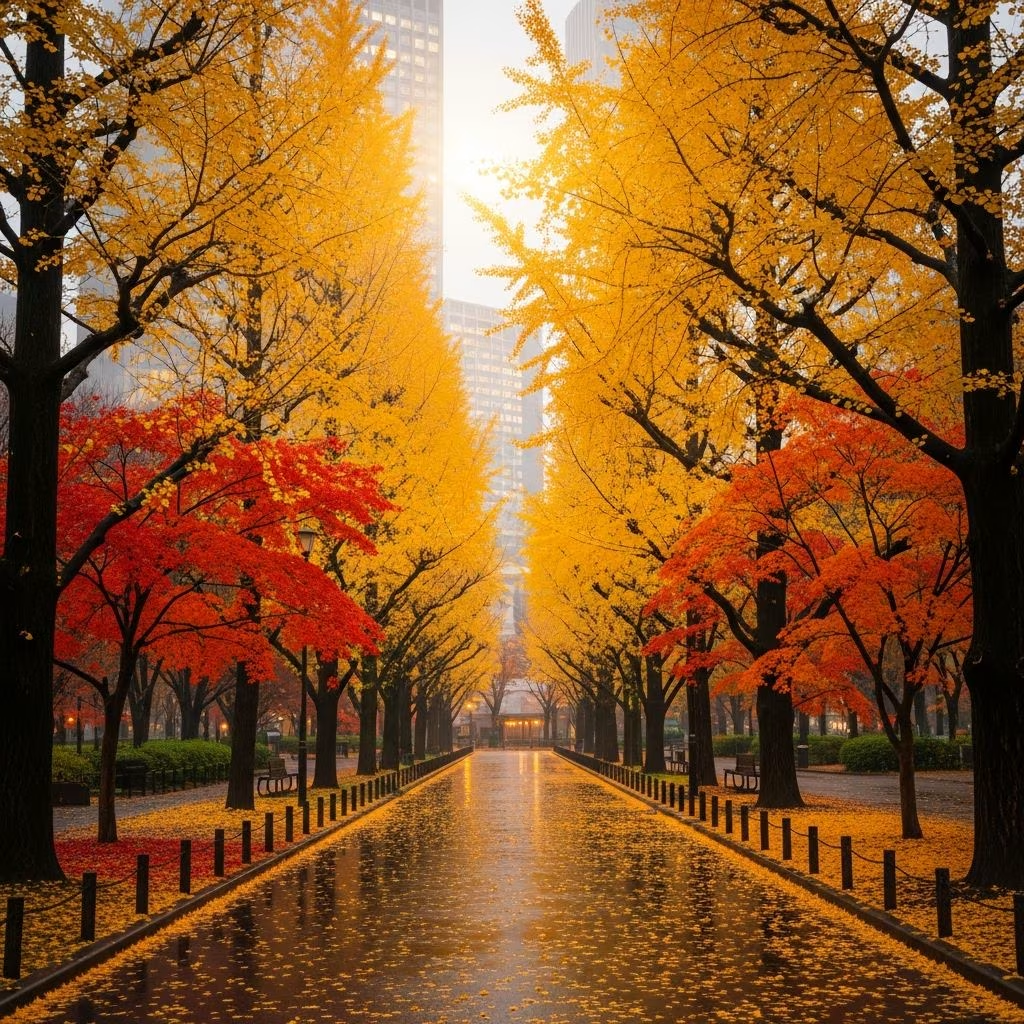
Perhaps no image defines Tokyo’s autumn more than the golden ginkgo tree corridors that line several prominent locations throughout the city. These ancient trees, which can live for centuries, turn a brilliant luminous yellow during fall, creating tunnel-like passages that seem to glow when sunlight filters through the canopy.
Meiji Jingu Gaien stands as the premier ginkgo destination in central Tokyo, featuring approximately 150 trees lining a 300-meter avenue. During peak season, these trees transform the pathway into a glowing golden tunnel that captivates photographers and nature enthusiasts alike. The venue extends its appeal with evening illuminations, allowing visitors to experience the trees’ luminescence against the night sky. This location attracts significant crowds during peak season, so arriving early or visiting on weekday mornings offers a more intimate experience.
Icho Namiki represents another renowned ginkgo destination, entirely devoted to these magnificent trees. Walking beneath the canopy during peak color provides an almost ethereal experience, as thousands of golden leaves create a stunning natural cathedral. This avenue ranks among Tokyo’s most photographed autumn locations.
Tokyo’s traditional Japanese gardens showcase horticultural sophistication developed over centuries, and autumn reveals their design principles most dramatically. These meticulously cultivated spaces balance multiple plant species to create dynamic visual compositions throughout the seasons.
Koishikawa Korakuen exemplifies this principle perfectly. Located a short distance from Iidabashi Station, this garden features scarlet and crimson maples that contrast brilliantly against evergreen pines, all mirrored beautifully in the garden’s central pond. Arriving shortly after opening hours provides the advantage of experiencing this location with fewer visitors and optimal lighting conditions for photography.
Rikugien offers another exceptional traditional garden experience, combining autumn foliage with carefully designed landscape elements. The garden extends its operating hours during autumn months to accommodate evening illuminations, staying open until 9:00 PM with final entry at 8:30 PM. This extended schedule allows visitors to witness the transformation of fall colors under artificial lighting, creating a distinctly different aesthetic experience than daytime visits. The evening atmosphere carries a particular charm, though post-work crowds can be substantial.
Shinjuku Gyoen National Garden provides an alternative to more crowded venues, offering diverse tree species and a less congested environment for autumn viewing. This expansive garden accommodates larger visitor numbers while maintaining natural beauty and peaceful atmospheres in various sections.
Yoyogi Park ranks among Tokyo’s largest green spaces and transforms dramatically during autumn. The southern section, stretching between Yoyogi-Koen and Harajuku Stations, showcases particularly impressive fall foliage concentrations, featuring abundant golden ginkgos and vibrant red maples. The park’s size offers multiple pathways for exploration, allowing visitors to discover quieter areas beyond the main thoroughfares.
Ueno Park presents a comprehensive autumn destination combining natural beauty with cultural attractions. Home to ginkgo, maple, and zelkova trees, the park creates a sea of reds and golds during peak season. Beyond its foliage, Ueno Park features museums, temples, and a zoo, enabling visitors to structure full days of diverse activities without leaving the park boundaries.
Hibiya Park offers a unique urban autumn experience in central Tokyo’s business district. Positioned adjacent to Nihonbashi and Ginza areas, this park creates an interesting contrast between nature and urban surroundings. The autumn colors juxtaposed against historical monuments and modern skyscrapers create distinctive photographic opportunities unavailable in more conventional garden settings.
Showa Kinen Park ranks among the region’s most extensive autumn destinations, covering an area equivalent to approximately 40 Tokyo Domes. This expansive park features ginkgo-lined pathways and substantial maple forests, providing the ultimate fall experience for nature enthusiasts. The park’s fall foliage typically appears earlier than central Tokyo locations, beginning in early to mid-November. The extended grounds accommodate various activities beyond foliage viewing, including cycling trails and recreational facilities.
Nikko, designated as a UNESCO World Heritage site, represents one of autumn’s most spectacular destinations near Tokyo. The region divides into two distinct areas: Nikko city at the mountain’s base, featuring Toshogu shrine and other historic temples, and Oku-Nikko, encompassing Lake Chuzenji and renowned for magnificent fall foliage. This area offers numerous hiking opportunities and combining cultural visits with natural scenery exploration. The mountain setting produces earlier color changes than lowland areas.
Jindai-ji Temple and surrounding areas provide a historical autumn experience outside central Tokyo’s main tourist corridors. The temple grounds and nearby Jindai Botanical Gardens burst into vibrant reds and oranges during peak season. This location combines heritage exploration with nature appreciation, offering a less crowded alternative to central venues.
Todoroki Valley represents Tokyo’s most secluded autumn destination, offering experiences that feel removed from urban environments despite proximity to central Tokyo. The Todoroki Fudoson Temple grounds create particularly enchanting scenes, with ginkgo leaves blanketing pathways in gold and maples wrapping the temple in vivid colors. Note that portions of this location have experienced closure for renovation work; visitors should verify current access conditions before visiting.
| Location Type | Best For | Peak Season | Visitor Volume |
|---|---|---|---|
| Golden Ginkgo Avenues | Photography, iconic autumn imagery | Late October to Early November | Very High |
| Traditional Gardens | Horticultural appreciation, peaceful contemplation | Late October to November | High |
| Urban Parks | Diverse tree species, cultural combination | Late October to November | High |
| Extended Destinations | Immersive nature, hiking, fewer crowds | Early to Mid-November | Moderate |
Autumn’s popularity creates predictable crowding patterns at famous locations. Weekday mornings typically offer significantly fewer visitors than weekends and afternoons. Many venues that feature evening illuminations see substantial evening crowds as post-work visitors arrive. Early morning visits provide optimal conditions for photography, quieter environments for contemplation, and better light quality for capturing images.
Transportation infrastructure in Tokyo efficiently connects all major autumn destinations. Trains and buses provide reliable access to both central locations and extended destinations, requiring minimal advance planning. However, popular venues may experience crowding during peak hours, making timing considerations important for creating satisfying experiences.
Weather patterns significantly influence both foliage timing and visitor comfort. Early autumn often remains warm, while late autumn brings cooler temperatures and occasional rain. Layered clothing accommodates temperature variations between morning, afternoon, and evening activities.
Tokyo’s autumn season extends beyond visual appreciation of changing leaves. The seasonal transition influences Japanese cuisine, with autumn ingredients gaining prominence in restaurant offerings. Seasonal dining experiences provide cultural engagement alongside nature appreciation.
Comfortable autumn weather makes this season ideal for extended urban exploration, temple visits, and neighborhood discovery. Many visitors combine foliage appreciation with cultural activities, creating multifaceted autumn experiences rather than focusing exclusively on nature viewing.
Evening illuminations have become increasingly popular additions to autumn programming at major gardens and parks. These events transform familiar daytime landscapes into dramatically different evening environments, with artificial lighting creating distinct aesthetic qualities compared to natural daylight experiences.
Peak foliage typically occurs from late October through November, though exact timing varies by location and year. Central Tokyo locations generally peak in late October to early November, while mountain areas may peak earlier in October or extend into late November.
Extended destinations like Nikko and Todoroki Valley typically attract fewer visitors than central Tokyo parks. Additionally, weekday mornings provide significantly quieter experiences than weekends and afternoons at all locations.
Evening illuminations create distinctly different aesthetic experiences from daytime viewing, with artificial lighting transforming foliage appearance. Many visitors find these experiences worthwhile, though crowds can be substantial. Arriving early or visiting on quieter evenings optimizes these experiences.
Yes, many autumn destinations combine natural beauty with cultural attractions. Ueno Park, Nikko, and Jindai-ji Temple offer integrated experiences combining foliage viewing with museum, shrine, and temple visits.
Tokyo’s comprehensive train and bus networks efficiently connect all major autumn destinations. Individual tickets or day passes provide flexible transportation options. Most locations offer clear transit access from central Tokyo stations.
