

 Travel Essentials
 Travel Essentials

Explore premier destinations for bioluminescence, from glowing bays in the Caribbean to sparkling lagoons in Asia and Australia, with tips for optimal viewing.
 Travel Essentials
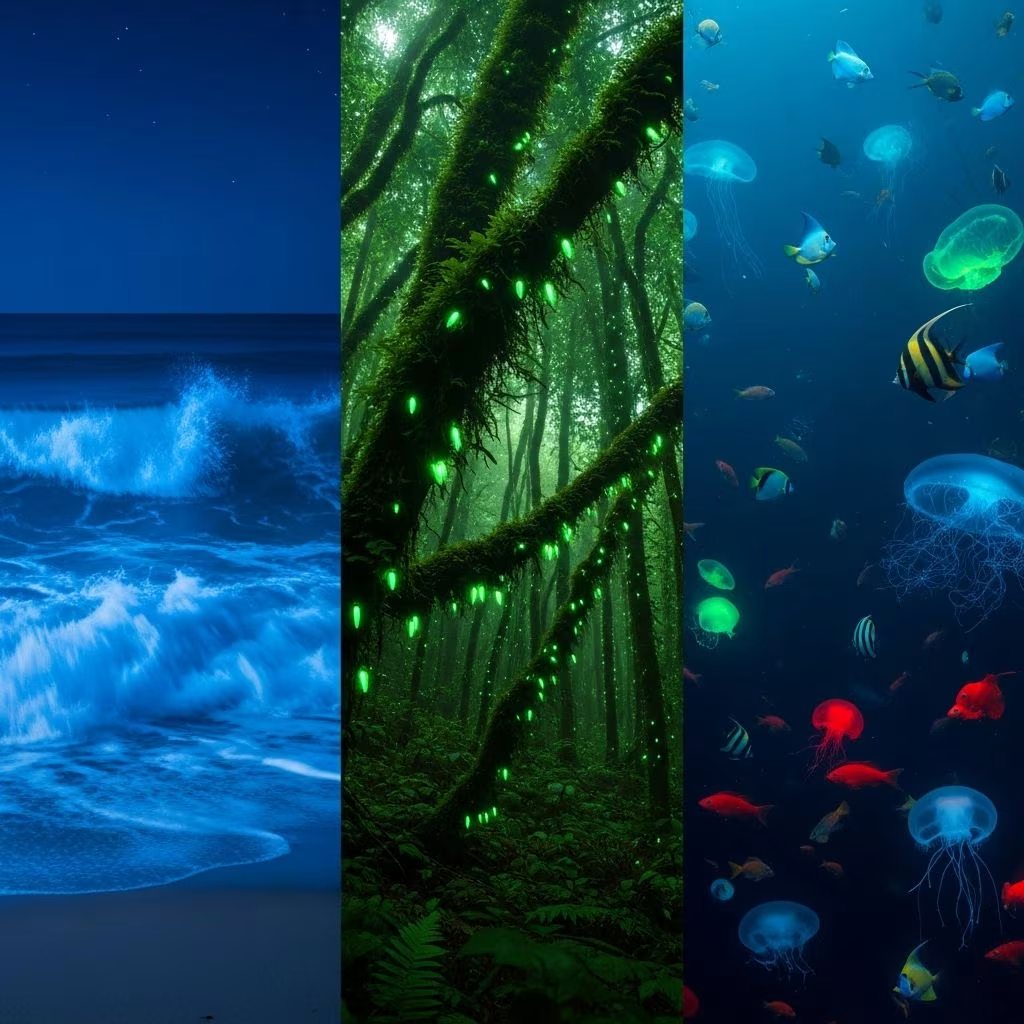
Nothing compares to the ethereal glow of bioluminescence, where tiny marine organisms transform dark waters into sparkling realms under the night sky. This natural phenomenon, caused primarily by dinoflagellates and other plankton, creates trails of blue light with every splash or paddle. Travelers seek these sites for their magical allure, perfect for kayaking tours or serene swims. This guide highlights exceptional locations across continents, detailing access, peak seasons, and experiences to help plan your luminous adventure.
Bioluminescence arises from chemical reactions in microorganisms like dinoflagellates, which emit light when disturbed by motion. These single-celled algae thrive in warm, nutrient-rich coastal waters, peaking during new moon phases when artificial light is minimal. Factors such as water temperature, salinity, and minimal pollution enhance the display. In optimal conditions, the glow can illuminate paths vividly enough to mimic starlit oceans. Conservation is crucial, as human activity like boat traffic can diminish populations.
The Caribbean hosts some of the brightest bioluminescent bays globally, thanks to high concentrations of dinoflagellates sheltered in lagoons.
Renowned as one of the planet’s most intense bioluminescent sites, Mosquito Bay on Vieques Island pulses with light from millions of Pyrodinium bahamense dinoflagellates. Kayak tours allow paddlers to witness glowing wakes and fish silhouettes darting beneath. The bay’s enclosed ecosystem concentrates organisms, producing a glow so potent it once allowed reading by its light alone. Best visited from December to April on moonless nights; guided excursions ensure safe navigation through mangroves.
On Puerto Rico’s main island, Laguna Grande offers accessible bioluminescence amid bioluminescent mangroves. Kayaking here reveals sparkling trails around every stroke, with the phenomenon spreading outward in recent years for easier viewing. Combine with Mosquito Bay for a full island tour, noting restrictions to protect fragile ecosystems.
Near Falmouth, this lagoon boasts one of the world’s highest dinoflagellate densities, creating reliable blue hues year-round. Boat tours culminate in swims where bodies leave radiant ripples. Its freshwater-spring mix sustains the glow even after rain, unlike saltier bays. Evening departures maximize darkness for peak visibility.
Off Yucatán’s coast, Isla Holbox features Punta Cocos beach, where bioluminescent plankton ignite summer waters. From June to August, calm nights spark brilliant flashes with each step or swim. End-of-year visits also yield sightings. The area’s car-free vibe and proximity to the island center make it ideal for relaxed exploration. Local experts recommend new moon phases for intensified displays, blending beach days with glowing nights.
In the Indian Ocean, Maldivian atolls harbor plankton-rich shallows that shimmer under starless skies. Resort-based snorkel tours reveal underwater galaxies, with every bubble aglow. The remote setting minimizes light pollution, enhancing the spectacle across multiple islands.
This island’s beaches transform into sparkling expanses on moonless nights, where swimming disturbs waves of blue plankton. Less crowded than other spots, it suits adventurous travelers. Snorkeling after dark offers immersive encounters with marine life amid the lights.
Florida leads U.S. bioluminescence, with multiple regions lighting up seasonally.
From June to October, Mosquito Lagoon, Banana River, and Indian River Lagoon in the Space Coast erupt in dinoflagellate and comb jelly glows. Kayak tours in Merritt Island National Wildlife Refuge navigate pristine estuaries, revealing fish and wildlife trails. Peak viewing hits July to September during new moons; clear kayak options amplify the underwater view. Operators like Get Up And Go Kayaking provide expert guidance to prime spots, avoiding rain-diluted areas.
| Location | Peak Season | Tour Types | Unique Feature |
|---|---|---|---|
| Mosquito Lagoon | July-September | Clear kayak, pontoon | Wildlife refuge access |
| Indian River Lagoon | June-October | Tandem kayak | Comb jellies pulsing |
| Banana River | Late May-October | Sunset combo | Minimal light pollution |
Tampa Bay’s Safety Harbor and Coopers Bayou glow brightly from late June to August via kayak tours from St. Petersburg operators. In southwest Florida, Naples Kayak Company’s Rookery Bay tours blend birdwatching at sunset with post-dark bioluminescence amid mangroves and dolphins.
Though less consistent, La Jolla shores occasionally sparkle with plankton during calm summer evenings, offering urban-accessible viewing.
New South Wales’ Jervis Bay features pearly sands and plankton-tinted waves in summer. Warm waters foster glowing breakers, best on dark nights. Nearby Tasmania’s Hobart waterfront provides additional southern sightings.
Unlike marine sites, these caves house Arachnocampa luminosa larvae creating starry ceilings. Cave boat tours mimic floating through space, a terrestrial bioluminescent marvel.
| Destination | Brightness Level | Best Activity | Accessibility | Season |
|---|---|---|---|---|
| Mosquito Bay, PR | Extreme | Kayaking | Boat to Vieques | Year-round |
| Luminous Lagoon, Jamaica | High | Swimming | Easy drive | Year-round |
| Space Coast, FL | High | Clear kayak | Local tours | June-Oct |
| Isla Holbox, Mexico | Medium-High | Beach walk | Ferry | June-Aug |
| Koh Rong, Cambodia | Medium | Snorkel | Boat | Moonless nights |
Dinoflagellates and similar plankton produce light via luciferin oxidation when agitated, creating blue flashes.
Yes in guided tours at approved sites, but avoid if advisories note high bacteria; no known harm from glow itself.
New moon periods in warm seasons; check local forecasts for plankton blooms.
Possible at beaches like Punta Cocos, but tours access calmer, richer waters safely.
Warming oceans boost some populations but pollution threatens others; visit responsibly.
Bioluminescent sites face risks from tourism, pollution, and climate change. Opt for low-impact operators, minimize flash photography, and support marine protected areas. Many locations regulate visitor numbers to sustain the phenomenon for future generations. By choosing sustainable travel, you help maintain these glowing treasures.
