

 Travel Essentials
 Travel Essentials

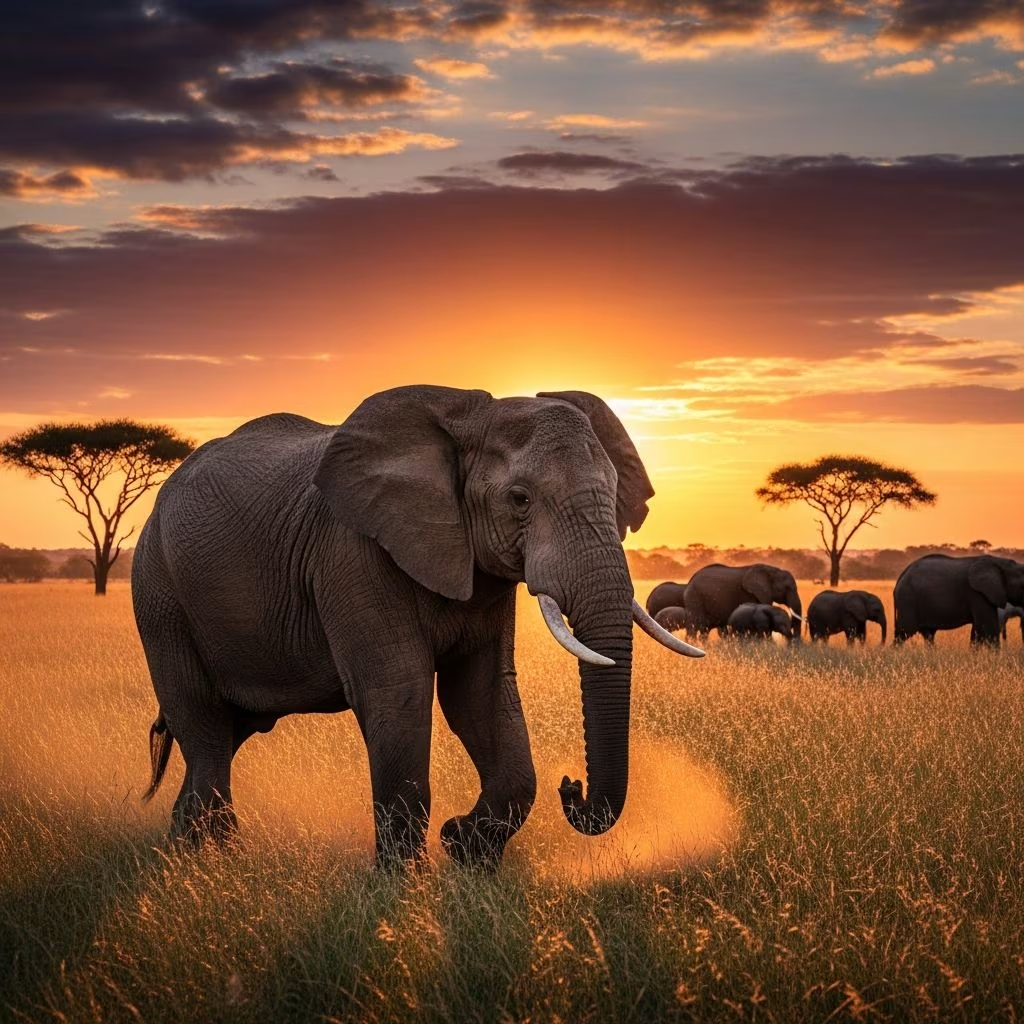
Explore the best places in Africa to observe elephants in their natural habitats, from riverfront gatherings to mountain-backed plains, with tips on timing and experiences.
 Travel Essentials
Africa’s vast landscapes host some of the world’s most impressive elephant populations, offering travelers unparalleled opportunities to witness these intelligent giants in the wild. From massive riverine herds to solitary tuskers against dramatic backdrops, elephant safaris promise thrilling encounters. This guide highlights top destinations, optimal viewing seasons, unique activities, and conservation insights to help you plan an ethical adventure.
Elephants shape Africa’s ecosystems by dispersing seeds, creating paths, and maintaining water sources, supporting biodiversity. Despite challenges like poaching and habitat loss, protected areas safeguard thriving populations. Key regions in East, Southern, and Central Africa provide reliable sightings, blending scenic beauty with wildlife drama.
East Africa’s open plains and swamps deliver postcard-perfect elephant scenes, often with volcanic peaks or ancient trees enhancing the vista.
Renowned for colossal tusked elephants striding dusty flats beneath Mount Kilimanjaro’s snowcap, Amboseli guarantees photographic gold. Long-term studies reveal complex family dynamics led by wise matriarchs. Swamps fed by Kilimanjaro’s meltwater attract herds year-round, peaking in dry months.
Compact size ensures easy access, ideal for novices seeking assured views without crowds.
Dubbed ‘Land of Giants,’ Tarangire boasts East Africa’s densest elephant numbers, with herds traversing baobab-dotted expanses to the Tarangire River. Ancient migration routes persist, showcasing multi-generational bonds and reunions. Dry season swells transform swamps into elephant hubs.
| Season | Elephant Activity | Visitor Notes |
|---|---|---|
| June-October (Dry) | Massive herds at river/swamps | Peak viewing; photography heaven |
| November-May (Wet) | Dispersed but lush scenery | Fewer crowds, lower rates |
Samburu’s arid drama frames elephants crossing the Ewaso Ng’iro River, their silhouettes stark against red earth. Special five species, including large-tusked bulls, thrive here amid conservation efforts.
River crossings create dynamic action, perfect for shutterbugs.
Southern parks feature elephant super-abundances, with river safaris and hides delivering intimate, large-scale spectacles.
Home to Africa’s largest elephant cohort—over 120,000—Chobe stages epic gatherings along the Chobe River. Boat safaris capture trunks-as-snorkels swims and bankside rituals, safer and serene than land drives.
Scale impresses: entire herds parade, calves in tow, against sunset horizons.
Hwange’s waterholes magnetize parched herds in the dry season, with queues forming at man-made pumps. No major rivers mean hides offer front-row chaos—400+ elephants daily possible.
Raw intensity suits bold adventurers craving unfiltered wildness.
Lesser-visited parks deliver uncrowded, authentic experiences amid rugged terrains.
Luangwa’s riverine forests buzz with elephants splashing oxbows and snorkeling crossings. Walking safaris and night drives reveal behaviors unseen elsewhere, in a verdant, walkable wilderness.
Over 10,000 elephants roam Ruaha’s 20,000 km², converging on the Great Ruaha River amid baobabs and kopjes. Remote vibe rewards patient explorers with unscripted herds.
Dry season river drama unfolds against geological wonders.
Mana Pools’ cliff-top acacias tempt elephants into gymnastic feeding displays—rearing upright for pods. Known individuals heighten personal connections; UNESCO status protects this fluidity.
| Destination | Dry Season (Best) | Wet Season Perks |
|---|---|---|
| Amboseli | Jun-Oct, Jan-Feb | Greener, migratory birds |
| Chobe | May-Oct | Boat calm, fewer bugs |
| Tarangire | Jun-Oct | Wildflowers post-rains |
| South Luangwa | Jul-Oct | Birding explosion |
Poaching halved populations since 1979, but protections rebound numbers—Chobe’s exemplify success. Support via visits funds patrols; research in Amboseli informs global strategies. Climate shifts challenge water access, underscoring habitat connectivity needs.
Dry seasons (May-Oct) cluster animals at water; wet offers solitude.
Yes in Chobe—elephants habituated, boats maintain distance.
Amboseli, Ngorongoro for old bulls; dry seasons highlight them.
Tarangire, Amboseli—predictable sightings, open terrains.
Chobe adds lions; Luangwa leopards.
