

 Travel Essentials
 Travel Essentials

Explore North Carolina's best fall foliage destinations, from mountain hikes to scenic drives along the Blue Ridge Parkway.
 Travel Essentials
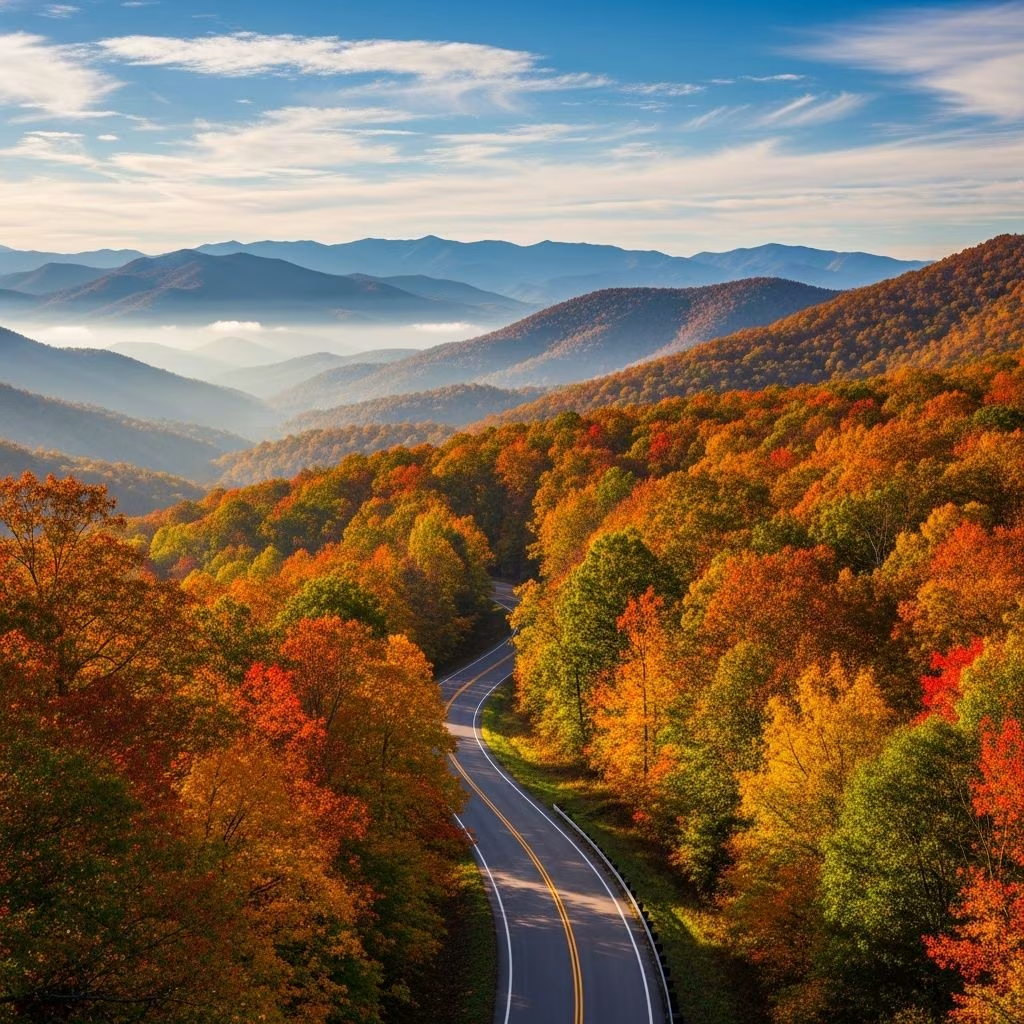
North Carolina transforms into a canvas of crimson, gold, and amber each autumn, drawing visitors from across the country who seek to experience nature’s most spectacular seasonal display. The state’s diverse topography—from high mountain elevations to verdant valleys—creates an extended fall color season that spans several weeks, offering multiple opportunities to witness the transition. Western North Carolina particularly boasts one of the longest foliage seasons in the United States, thanks to its elevation variations and climate patterns that stagger leaf color changes across the region. Whether you prefer strenuous mountain hikes, leisurely scenic drives, or unconventional adventures like zip-lining and whitewater rafting, North Carolina provides numerous ways to immerse yourself in autumn splendor.
The mountainous regions of North Carolina offer some of the most dramatic and accessible opportunities to witness fall foliage at its peak. These elevated trails provide not only stunning visual displays but also cooler temperatures that enhance the intensity and longevity of leaf color changes.
Grandfather Mountain stands as a prominent destination for autumn enthusiasts seeking panoramic vistas. The mountain, accessible through multiple trail systems, offers hikers varying levels of challenge and reward. For those seeking a quieter experience away from crowded pathways, the Daniel Boone Scout Trail provides a steady forest ascent culminating at Calloway Peak, the mountain’s highest point. The elevated positioning ensures that visitors encounter color changes earlier and more intensely than lower-elevation areas, making this location particularly valuable for those planning their fall getaways during mid-to-late autumn seasons. The entire region surrounding Grandfather Mountain bursts with vibrant foliage during peak season, transforming the landscape into a photographer’s paradise.
For visitors seeking dramatic scenery without excessive physical exertion, Rough Ridge presents an ideal compromise. This accessible Blue Ridge Parkway location requires only a 1.2-mile round trip hike with approximately 367 feet of elevation gain, typically completed in around 45 minutes. Despite its modest distance, the trail rewards hikers with some of the region’s most iconic overlooks, where fall colors create an explosion of autumn brilliance across the landscape. The moderate difficulty rating and relatively brief duration make Rough Ridge particularly suitable for families, elderly visitors, or those with limited time.
Many of North Carolina’s most memorable fall foliage destinations combine scenic leaf displays with the additional natural wonder of cascading waterfalls and flowing streams.
The Crabtree Falls loop, spanning 2.6 miles through forested terrain, leads hikers to a striking 70-foot waterfall descending along a mossy rock wall. The surrounding landscape features ferns and wild rhododendron, creating an environment where autumn colors add layers of visual richness to an already compelling natural setting. This location offers the kind of peaceful atmosphere that encourages visitors to slow their pace and truly absorb their surroundings, making it particularly appealing for those seeking quiet contemplation amid fall scenery.
The Linn Cove Viaduct, an iconic engineering marvel along the Blue Ridge Parkway, provides spectacular views without demanding extensive hiking commitments. Accessible via the Tanawha Trail, the viaduct can be reached through a mere 0.8-mile round trip from the trail access point, or just 0.3 miles from the overlook parking area. This location offers a front-row perspective of one of the Blue Ridge Parkway’s most recognizable stretches, enhanced immeasurably by the surrounding fall foliage. Linville Falls itself, situated nearby in the High Country region, has become a must-see autumn destination that complements exploration of surrounding mountain attractions.
For visitors prioritizing expansive vistas over strenuous physical activity, North Carolina’s highest elevations offer alternatives that deliver rewards without requiring peak athletic fitness.
As the highest peak east of the Mississippi River, Mount Mitchell provides unparalleled panoramic perspectives of the surrounding landscape transformed by autumn colors. While the summit hike presents a lengthy and challenging endeavor, visitors can access Mount Mitchell via the Blue Ridge Parkway, driving to the summit parking area and taking a short paved path to the top. This accessible approach allows visitors to experience dramatic views without the intensity of a full mountain ascent, making it viable for families traveling together or those with time constraints. Visitors should verify trail status before departing to ensure optimal conditions for their chosen route.
Located in proximity to Asheville, Craggy Gardens delivers impressive views through a relatively quick excursion. This destination has earned recommendations from outdoor enthusiasts specifically for its ability to provide substantial visual impact without demanding excessive time investment. The peaceful trail system accommodates slower-paced afternoon hikes suitable for varying fitness levels. Wind conditions at the summit necessitate bringing a protective jacket, but patient visitors may witness sunlight filtering through trees during the day’s final hours, creating particularly photogenic moments.
The Great Smoky Mountains represent one of North Carolina’s most iconic destinations for experiencing fall colors, offering endless exploration opportunities across varied terrain and difficulty levels. This UNESCO World Heritage Site encompasses old-growth forest, multiple ridgelines, and countless waterfalls that enhance the autumn landscape’s natural splendor.
The North Carolina side of the park features diverse trail options accommodating virtually every fitness and experience level. Popular routes include the Deep Creek Loop, characterized by peaceful forest paths interspersed with waterfalls, and the Andrews Bald trail via Forney Ridge, which provides high-elevation scenery particularly stunning during peak autumn months. Clingmans Dome, the park’s tallest peak, remains easily accessible through a short paved walk from its parking area, providing the park’s most comprehensive panoramic views without requiring significant hiking effort.
Chimney Rock State Park distinguishes itself through striking visual drama created by a 315-foot rock spire, thundering waterfall, and gorge landscape transformed by fall colors. Beginning from the Meadows parking area, the Four Seasons Trail offers a moderately steep 0.7-mile ascent with approximately 400 feet of elevation gain, allowing visitors to settle into the park’s aesthetic at a comfortable pace.
For more adventurous visitors, the Outcroppings Trail and Exclamation Point Trail present thrilling alternatives, incorporating staircases and switchbacks that navigate sheer rocky terrain while ascending to dramatic scenic lookouts including Devil’s Head, Opera Box, and Chimney Rock itself. These routes combine physical challenge with unforgettable visual rewards, particularly when surrounded by vibrant fall foliage.
North Carolina’s fall color palette reflects the state’s botanical diversity. The Great Smoky Mountains region features more than 150 different tree species, while Eastern North Carolina’s famous maples and sweet gum trees produce vibrant red autumn tones. This substantial variety ensures dramatically different color displays across various geographic regions, encouraging visitors to explore multiple locations for comprehensive autumn experiences.
The Nantahala Forest extends fall foliage experiences beyond traditional hiking, offering diverse outdoor pursuits including zip-lining, white-water rafting, fishing, and mountain biking. The Nantahala River represents one of the Southeast’s most popular white-water rafting destinations, featuring predominantly Class II and III rapids that maintain manageable intensity levels. This moderate difficulty classification allows participants to allocate sufficient mental energy toward appreciating surrounding autumn colors rather than concentrating exclusively on navigating technical water challenges.
The Nantahala Outdoor Center, operating from Bryson City and additional regional outposts, provides guided rafting experiences that position participants directly within fall foliage landscapes. For those seeking aerial perspectives, The Gorge offers zip-lining adventures along some of the continental United States’ steepest and fastest canopy courses, providing unique elevated vantage points for observing seasonal color transformations.
The Blue Ridge Parkway serves as the preeminent scenic driving destination for fall foliage appreciation throughout North Carolina and the broader Appalachian region. Specific mileposts produce particularly reliable color displays, including Wagon Road Gap at Milepost 412.2 and Pounding Mill Overlook at Milepost 413.2. Graveyard Fields, though not reaching 6,000-foot elevations, traditionally ranks among the first areas displaying noticeable fall colors, making it valuable for early-season visitors planning expeditions before peak color periods.
The High Country region, encompassing towns like Blowing Rock, Boone, and Banner Elk, combines Blue Ridge Parkway driving with nearby attractions including Grandfather Mountain and Linville Falls. This concentration of acclaimed destinations allows visitors to maximize experiences during limited time periods.
Beyond natural attractions, North Carolina’s mountain communities provide cultural and recreational amenities that enrich fall foliage vacations. Hendersonville combines walkable downtown areas with apple orchards, vineyards, and mountain vistas. The town’s focus on seasonal celebrations includes fall leaf reports that help visitors coordinate trips with peak color periods.
Blowing Rock, recognized as North Carolina’s oldest tourist attraction, offers convenient Blue Ridge Parkway access alongside the famous Linn Cove Viaduct and Grandfather Mountain experiences. These community destinations provide dining, lodging, and entertainment options that complement outdoor foliage exploration.
The North Carolina Arboretum near Asheville provides 65 cultivated garden acres and more than 10 miles of hiking and biking trails situated within the Bent Creek Experimental Forest. This location permits close-up fall color observation within managed botanical settings, combining horticultural expertise with natural forest environments. The combination allows visitors to appreciate both carefully selected specimens and native forest species during autumn transition periods.
Understanding regional color progression timing enables strategic vacation planning. Western North Carolina’s extended foliage season results from elevation variations affecting tree phenology patterns. Higher elevations display color changes weeks before lower-altitude areas, creating multiple peak periods throughout autumn. Early-season visitors should prioritize highest-elevation destinations like Mount Mitchell and Clingmans Dome, while mid-to-late autumn visitors can successfully target lower-elevation trails and valleys.
Peak foliage timing varies significantly by elevation and region. High elevations in Western North Carolina generally peak in early-to-mid October, while lower elevations may reach peak color in late October or early November. Consulting regional fall color maps before scheduling trips helps optimize viewing experiences.
Mount Mitchell summit, Clingmans Dome, and Linn Cove Viaduct provide dramatic views through short, paved walks or minimal-difficulty hikes. These locations accommodate visitors with limited physical capacity or time constraints while delivering substantial visual rewards.
Yes. Visitors can experience autumn colors through scenic drives along the Blue Ridge Parkway, white-water rafting on Nantahala River, zip-lining through forest canopies, and strolling botanical gardens like the North Carolina Arboretum.
The Great Smoky Mountains feature over 150 tree species producing varied autumn hues. Eastern North Carolina’s maples and sweet gum trees produce distinctive red tones, while higher elevations showcase diverse color palettes from this botanical diversity.
Western North Carolina benefits from one of the United States’ longest foliage seasons, spanning several weeks due to staggered color changes across different elevations. This extended timeline allows flexible vacation planning across various autumn months.
