

 Travel Essentials
 Travel Essentials

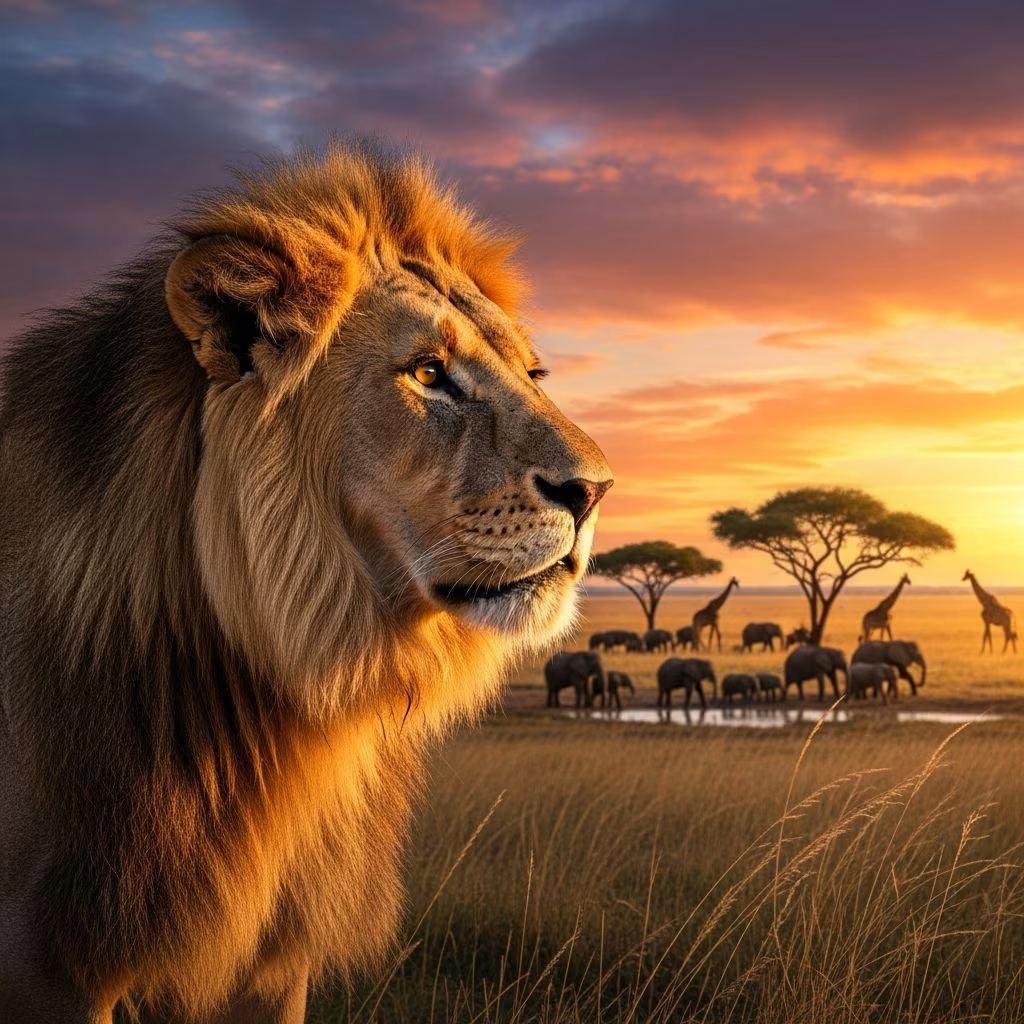
Explore top African safari destinations for experiencing lions in their natural habitat, from Tanzania's vast plains to South Africa's exclusive reserves.
 Travel Essentials
Africa’s vast landscapes and protected wilderness areas offer unparalleled opportunities to observe lions in their natural environment. The continent hosts nearly half of Africa’s remaining wild lion populations, with specific regions emerging as exceptional destinations for safari enthusiasts seeking authentic wildlife encounters. Understanding where and when to visit these remarkable locations can significantly enhance your chances of memorable lion sightings while supporting conservation efforts across the continent.
East Africa stands as the epicenter of lion viewing experiences, with Tanzania and Kenya hosting the most accessible and reliable wildlife destinations on the continent. These regions combine optimal habitat conditions with well-established tourism infrastructure, making them ideal for both first-time safari visitors and experienced wildlife photographers.
Tanzania encompasses multiple exceptional areas for lion observation, each offering distinct geographical and seasonal advantages. The country’s commitment to wildlife preservation has resulted in a diverse range of protected ecosystems supporting substantial lion populations.
Serengeti National Park represents perhaps the most iconic destination for lion viewing in Africa. Covering over 14,750 square kilometers of pristine grassland and savanna, this vast ecosystem provides ideal hunting grounds for lions while supporting the famous annual wildebeest migration that attracts predators from across the region. The park’s open plains allow visitors to witness lion behavior across varied landscapes, from the southern Ndutu region to the western corridor and northern sectors. Each area experiences optimal lion activity during different seasons, with the southern plains featuring concentrated lion activity during December through March when calving season provides abundant prey opportunities.
The Serengeti’s scientific significance cannot be overstated—the Serengeti Lion Project represents one of Africa’s longest-running wildlife research initiatives, operating continuously since the 1960s and providing invaluable data on lion social dynamics and population management. Visitors frequently encounter well-documented prides, including remarkable “super prides” numbering more than thirty individuals. The central Seronera region provides reliable year-round sightings, while the Grumeti Game Reserve in the west offers exceptional viewing during specific migration periods.
Ngorongoro Crater presents a unique lion viewing opportunity found nowhere else on Earth. This natural amphitheater, enclosed by 600-meter walls, creates the world’s highest density of lions within a confined 260-square-kilometer area. The crater’s isolated ecosystem functions as a natural “lion bowl” where sightings become virtually guaranteed. Lions here have adapted to vehicle presence, often hunting or resting in plain view for photographers and observers. The dramatic circular caldera creates a distinctive microclimate supporting diverse wildlife, and visitors can potentially spot all five members of the Big Five within a single day. Conservation organizations like KopeLion have worked to address historical inbreeding concerns, improving genetic connectivity with surrounding populations.
Tarangire National Park offers a more intimate lion experience in a less crowded setting. The park’s seasonal rhythms concentrate wildlife along the Tarangire River during dry months, drawing lion prides into areas offering excellent visibility. Lions frequently rest beneath the park’s iconic baobab trees or stalk through tall elephant grass, creating memorable photographic opportunities.
Ruaha National Park represents Africa’s best-kept wildlife secret. Located in southern Tanzania, this remote reserve receives fewer than 6,000 visitors annually—approximately 16 per day—making it extraordinarily peaceful compared to mainstream safari destinations. Ruaha hosts approximately 10 percent of the world’s remaining wild lions, placing it second only to the Serengeti in absolute lion numbers. The park’s wildly beautiful scenery combines impressive biodiversity with a genuine wilderness atmosphere where lion sightings frequently occur without competing safari vehicles.
Masai Mara National Reserve has achieved legendary status in wildlife tourism, earning fame through BBC’s “Big Cat Diary” documentary series featuring its prolific lion populations. The reserve’s flat, wide, and open plains create ideal habitat for lions while providing exceptional visibility for safari visitors. The famous Marsh Pride, observed for generations and featured in the BBC documentary, represents one of Africa’s most well-documented lion communities, offering fascinating insights into lion behavior and social structures.
Many lions inhabiting the Masai Mara demonstrate remarkable habituation to vehicles, enabling close-up sightings that don’t disturb natural behaviors. Beginning in July annually, approximately two million wildebeest cross the Mara River seeking fresh grassland, creating spectacular hunting opportunities for lions positioned strategically along river crossing points. The reserve’s quintessential safari landscape—featuring golden grasses, flat-topped acacia trees, and dramatic skies—provides an archetypal African wilderness experience. Beyond lions, the Mara’s open terrain proves equally suitable for observing cheetahs, the world’s fastest land mammals, pursuing their prey with remarkable speed and agility.
Greater Kruger Ecosystem and Private Reserves constitute South Africa’s premier lion-viewing region. This expansive landscape encompasses the famous Kruger National Park alongside exclusive private reserves including Sabi Sands and Timbavati, which maintain unfenced boundaries with Kruger itself. This arrangement allows private reserves to boast identical Big Five populations while experiencing significantly reduced tourist traffic compared to Kruger’s main areas.
The Sabi Sands and Timbavati reserves have emerged as South Africa’s premier game-viewing destinations, with lions in these areas maintaining particularly healthy populations. Visitors may encounter prides exceeding twenty individuals, complete with numerous playful cubs offering remarkable behavioral observations. Lions throughout the Greater Kruger ecosystem demonstrate excellent habituation to safari vehicles, facilitating up-close sightings including nocturnal viewing opportunities unavailable in many other African destinations. Luxury safari lodges throughout the region offer guaranteed lion sighting experiences, while the area remains accessible for both self-drive travelers and high-end tourists seeking premium accommodations.
Kruger National Park itself, though massive and requiring strategic planning, remains home to South Africa’s largest wild lion populations—approximately 2,000 individuals distributed across the park’s enormous landscape. Lion density varies significantly based on geographical and climatic factors, with areas featuring richer grassier soils and higher rainfall supporting greater prey populations and thus higher lion concentrations.
Okavango Delta and Surrounding Reserves provide distinctive lion viewing experiences in a landscape dramatically shaped by water. The delta’s unique hydrology creates diverse habitat zones attracting both lions and their prey species. Chobe National Park, particularly its famous Savuti region, offers genuinely thrilling predator action. This remote area hosts well-documented, powerful lions frequently engaged in territorial conflicts with hyena clans. Savuti lions have earned recognition for successfully hunting Africa’s largest mammals, including buffalo, giraffes, and occasionally elephants—providing some of Africa’s most dramatic predator-prey interactions.
South Luangwa National Park offers consistent and exceptional lion viewing opportunities within Zambia’s rugged, unspoilt landscapes. The Zambian Carnivore Programme identifies South Luangwa as hosting the country’s largest lion populations, alongside the continent’s second-largest wild dog population. Historically significant as the birthplace of African walking safaris, many lodges continue offering everything from morning walks to multi-day hiking adventures. During the May-October dry season, when animals congregate along the Luangwa River and oxbow lakes, lions concentrate in predictable patterns, becoming prime subjects for observation and photography.
Hwange National Park provides excellent lion viewing opportunities while remaining conveniently positioned near Victoria Falls, enabling visitors to combine wildlife viewing with natural wonder experiences. The park may occasionally host descendants of Cecil, the famous lion whose death sparked international conservation discussions. Mana Pools, another exceptional Zimbabwe destination, offers a rare African experience where visitors can walk or canoe through lion territory without fences or vehicles—providing an authentically wild encounter impossible in most protected areas.
| Destination | Best Viewing Season | Key Characteristic |
|---|---|---|
| Serengeti (Southern Plains) | December – March | Calving season concentrates prey |
| Serengeti (Western Corridor) | April – June | Migration passage creates hunting grounds |
| Serengeti (Northern Region) | July – October | Peak migration period |
| Masai Mara | July – October | Great Migration crossings |
| Serengeti (Central Seronera) | Year-round | Reliable consistent sightings |
| South Luangwa | May – October | Dry season river concentration |
A comprehensive 10-day itinerary combining Africa’s two most lion-rich ecosystems provides unparalleled predator viewing opportunities. Begin in Tanzania’s Serengeti, specifically the Namiri Plains area featuring one of the park’s highest big cat densities, enabling exceptional feline encounters. Subsequently cross into Kenya’s Masai Mara, basing yourself at camps positioned in prime hunting grounds along the Talek River. This journey offers unparalleled opportunities to observe different lion prides and behavioral patterns across a single vast ecosystem, creating comprehensive understanding of East African lion ecology.
For travelers preferring southern African destinations, combining Botswana’s Okavango Delta with South Africa’s Greater Kruger ecosystem and Zimbabwe’s Hwange National Park creates a diverse safari experience. This routing provides contrasting landscapes—from water-based perspectives in the delta to grassland habitats in reserves—while maximizing sighting opportunities and cultural experiences.
The Ngorongoro Crater in Tanzania provides virtually guaranteed lion sightings due to its confined 260-square-kilometer area and exceptionally high lion density. The Serengeti’s central Seronera region and the Masai Mara also offer highly reliable year-round sightings. However, the greatest absolute lion populations occur in Tanzania, which hosts nearly half of Africa’s remaining wild lions.
Optimal timing varies by destination. The Serengeti experiences exceptional lion viewing year-round, with specific seasons favoring different regions. The Masai Mara peaks during July through October when migration crossings concentrate prey. South Luangwa excels during May through October’s dry season when river concentrations occur.
Yes. Ruaha National Park in Tanzania receives fewer than 6,000 annual visitors while hosting 10 percent of the world’s wild lions. South Luangwa in Zambia and Tarangire in Tanzania offer substantially quieter experiences compared to the Serengeti and Masai Mara.
Walking safaris occur primarily in designated areas like South Luangwa National Park in Zambia and Mana Pools in Zimbabwe. These experiences require experienced guides and adherence to strict safety protocols. Most lion viewing occurs from vehicles providing protective barriers and guide expertise.
Choosing safari operators committed to conservation practices directly supports lion population management and habitat protection. Parks implementing research programs like the Serengeti Lion Project contribute invaluable data for species management. Organizations working on genetic connectivity, as KopeLion does in the Ngorongoro region, address significant conservation challenges. Selecting responsible tourism providers ensures your safari experience contributes positively to lion conservation across Africa’s protected areas.
