

 Travel Essentials
 Travel Essentials

Explore the best locations worldwide to observe polar bears up close in the wild, including essential tips on timing, access, and responsible tourism practices.
 Travel Essentials
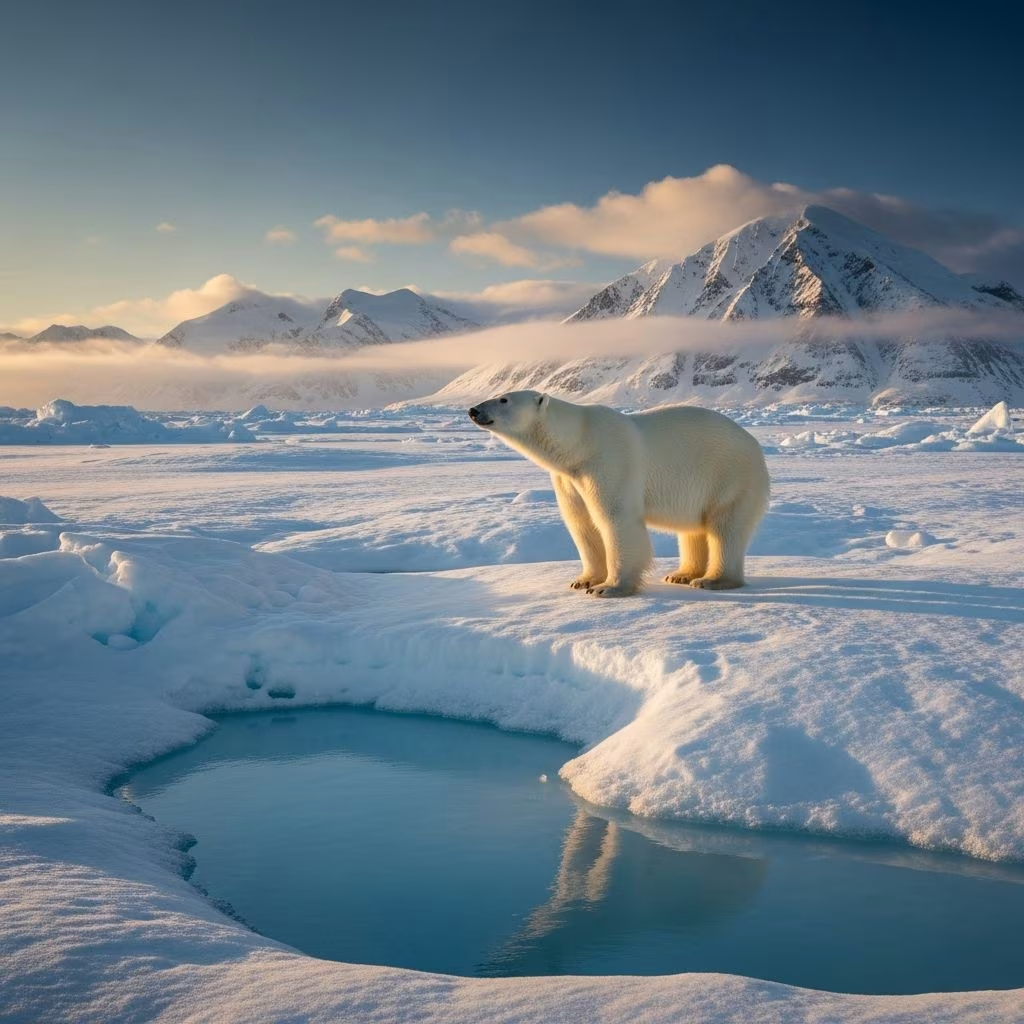
Observing polar bears in their natural environment offers one of nature’s most thrilling spectacles. These iconic Arctic predators roam vast icy landscapes, and select destinations provide reliable opportunities for ethical sightings. This guide details premier locations, optimal viewing periods, travel logistics, and conservation considerations to ensure your adventure respects these vulnerable animals.
Polar bears thrive in the Arctic Circle, relying on sea ice for hunting seals. Climate change has altered ice patterns, concentrating bears in coastal areas during summer melt. Key subpopulations, like those in the Barents Sea (2,500–3,000 bears) and Lancaster Sound (over 2,500), inhabit regions above 66°N latitude. Sightings peak when bears come ashore, awaiting ice reformation. Responsible tourism maintains safe distances—typically 200–500 meters—to avoid disturbance.
Several hotspots stand out for consistent polar bear encounters, balancing accessibility with wilderness immersion.
Hudson Bay’s shores in Manitoba, Canada, draw the Western Hudson Bay population ashore from July to November. Dubbed the ‘Polar Bear Capital,’ Churchill hosts bears fasting on tundra while ice retreats. Tundra buggies—elevated vehicles—offer close views without risk, spotting solitary males or sparring pairs. Infrastructure includes flights from Winnipeg, lodges, and guided tours. Peak season (October–November) sees highest densities, though early fall provides calmer conditions.
Norway’s Svalbard, midway between the mainland and North Pole, supports the dense Barents Sea subpopulation year-round. Expedition cruises navigate fjords and pack ice from June to August, when 24-hour daylight aids spotting bears on ice edges hunting seals. The archipelago’s isolation funnels bears to coastal zones. Specialist March tours witness den-emerging mothers and cubs, though slots fill years in advance. Fly to Longyearbyen via Oslo for ship departures.
On Barter Island, this remote Iñupiat village sees up to 80 bears congregate nearshore during fall whaling season (August–October). Climate-driven ice loss strands bears on barrier islands, where boat tours from the lagoon provide ground-level views at 50 meters. Local captains offer intimate, culturally immersive experiences amid modern Inuit life. Flights connect via Deadhorse; lodging expands with new options.
The vast Northeast Greenland National Park (972,000 sq km) spans fjords and ice sheets, hosting bears in Dove Bay and King Oscar Fjord. Cruises yield sightings alongside walrus, narwhals, and muskoxen. Greenland’s polar bear emblem belies rarity—vast terrain demands expert routing. Scoresby Sund expeditions also deliver, but Northeast shines for untouched purity.
The Northwest Passage’s entrance, Tallurutiup Imanga (Lancaster Sound), boasts North America’s largest subpopulation. Summer cruises spot bears amid migrating bowheads and narwhals. Remote lodges like those from Churchill Wild on Hudson Bay offer window-side views. Baffin Island and other archipelago sites add variety.
| Location | Best Season | Population Size | Viewing Method | Accessibility |
|---|---|---|---|---|
| Churchill, Canada | Oct-Nov | Western Hudson Bay | Tundra buggies | High (flights/lodges) |
| Svalbard, Norway | Jun-Aug | Barents Sea (2,500+) | Expedition cruises | Medium (via Oslo) |
| Kaktovik, Alaska | Sep-Oct | Southern Beaufort Sea | Boat tours | Low (charters) |
| East Greenland | Jul-Aug | East Greenland | Cruises | Low (remote) |
| Lancaster Sound | Aug | 2,500+ | Cruises/lodges | Medium |
Align visits with onshore periods: fall for Hudson Bay/Alaska, summer for cruises. Monitor ice charts via official apps for real-time predictions.
Opt for operators adhering to Polar Code guidelines: armed guides, zodiac safety, no baiting. Costs range $5,000–$20,000 for 7–14 days. Pack layers, binoculars, long lenses.
Polar bears face threats from melting ice; tourism funds research. Support IUCN/Environment Canada efforts. Maintain distance to prevent habituation.
90%+ in peak seasons at established sites like Churchill or Svalbard.
Yes, with professional guides enforcing buffers; attacks on tours are exceedingly rare.
Earlier ice melt extends onshore time, boosting coastal sightings but stressing bears.
Many cruises accept ages 8+; buggy tours often 16+ for safety.
Waterproof clothing, stabilizers for photos, polarizers for glare.
As ice diminishes, adaptive tourism—drone monitoring, AI tracking—emerges. Destinations invest in sustainable models, ensuring bears and visitors thrive. Plan now for these fleeting encounters.
