

 Travel Essentials
 Travel Essentials

Comprehensive guide to the best destinations for swimming and diving with whale sharks, including seasonal timing, regional highlights, and practical travel information.
 Travel Essentials
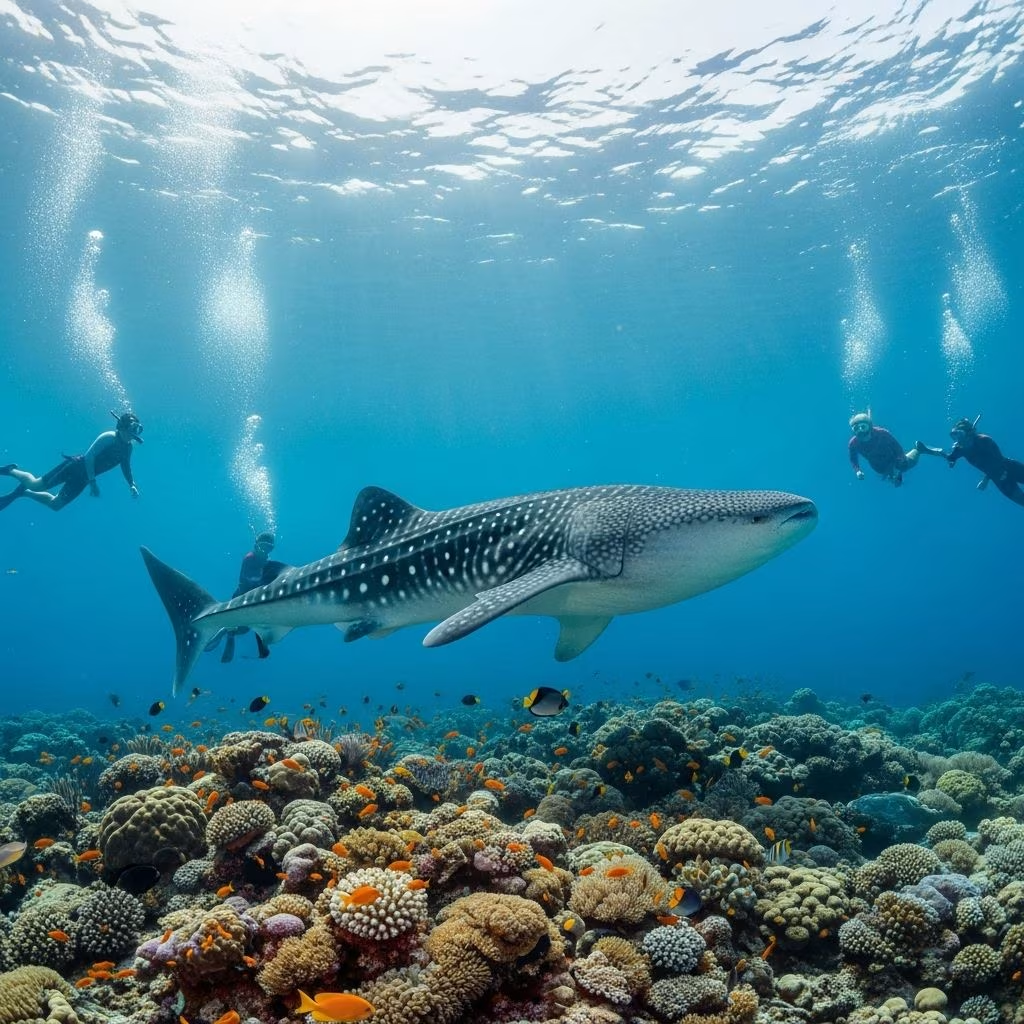
Swimming alongside the world’s largest fish represents one of the most profound wildlife experiences available to travelers. Whale sharks, gentle filter-feeders reaching lengths of 40 feet or more, inhabit tropical and subtropical waters across the globe. Their docile nature and predictable feeding patterns have made several locations renowned for reliable encounters. This comprehensive guide examines the premier destinations where travelers can safely and responsibly observe these magnificent creatures.
Whale sharks migrate seasonally in response to plankton availability and water temperature patterns. These massive marine animals concentrate in specific regions during feeding seasons, creating opportunities for structured tourism. The fish typically inhabit waters between 21 and 29 degrees Celsius, limiting their range to tropical zones. Understanding these ecological patterns is essential for planning encounters during peak seasons when sightings are most probable.
The creatures feed passively on microscopic plankton by filtering enormous quantities of water through their gill structures. This feeding behavior, combined with their gentle temperament, makes them non-threatening to swimmers and snorkelers. Regulatory frameworks at established destinations maintain strict protocols ensuring minimal environmental impact and animal welfare.
Mexico’s Caribbean coast provides some of the most accessible whale shark encounters for international travelers. The Yucatan Peninsula region experiences dramatic seasonal aggregations that create ideal viewing conditions during specific months. Isla Mujeres, Isla Holbox, and surrounding areas represent prime locations within this tourism-developed region.
These destinations reach peak activity from June through September, with July and August offering the most consistent sightings. The warm currents and abundant plankton blooms during these months draw significant aggregations of whale sharks to the shallow waters near these island communities. The proximity to established tourism infrastructure makes these locations particularly convenient for visitors seeking organized snorkeling tours.
The region benefits from numerous tour operators, comfortable accommodations, and restaurants catering to international visitors. Day trips from major tourist centers like Cancun are feasible, though dedicated stays provide optimal viewing opportunities.
The eastern coast of the Baja California Peninsula presents contrasting seasonal patterns compared to the Caribbean region. Bahia de los Angeles and La Paz represent the primary access points for whale shark encounters in this Pacific-facing region.
Bahia de los Angeles functions as an excellent base for exploration, serving as a fishing town located between the Sierra San Borja mountains and the Sea of Cortez. The best viewing period extends from June through December, with specific months varying by exact location. This extended season reflects different oceanographic conditions than the Caribbean sites.
La Paz, situated further south in Baja California Sur, experiences optimal whale shark presence between October and April. This timing coincides with cooler water temperatures and specific plankton patterns unique to the southern region. Tours typically last two to three hours and include necessary equipment like wetsuits and snorkel gear.
The Socorro Islands occupy a unique position in whale shark tourism, situated approximately 370 miles off Mexico’s western coast. This remote volcanic archipelago, often described as Mexico’s answer to the Galápagos, attracts dedicated divers willing to undertake specialized expeditions.
Peak season at Socorro occurs during November and December, when whale sharks appear alongside giant manta rays, humpback whales, and large gamefish. The islands’ isolation requires multi-day boat trips and advanced diving certifications for most activities. The relative lack of regular tourism at Socorro compared to mainland Mexican destinations ensures fewer overall encounters but potentially more authentic, less crowded experiences for participants.
The Galápagos archipelago’s Wolf and Darwin Islands represent world-class diving destinations for experienced adventurers. These remote islands, located far off Ecuador’s coast, attract serious divers seeking encounters with large pelagic species including whale sharks.
August and September mark the peak season for Galápagos whale shark encounters. The islands’ strong currents and cool water temperatures create ideal feeding conditions that concentrate marine megafauna. Reaching these destinations requires live-aboard diving vessels operating from the Galápagos, limiting access to those with significant diving experience and time investment. The investment pays dividends for underwater enthusiasts seeking encounters in one of Earth’s most biodiverse marine ecosystems.
Beyond Mexico’s Caribbean coast, additional Central American destinations offer whale shark encounters. Gladden Spit in Belize experiences peak activity in April as seasonal migrations surge. This location represents an alternative to Mexican sites for visitors exploring Central America.
Coiba National Park in Panama provides another Pacific-facing option, with optimal conditions extending through early April before peak season concludes. The park’s protected status ensures maintained ecological integrity and regulated tourism practices.
Costa Rica’s Guanacaste and Cocos Island regions offer whale shark sightings during specific seasonal windows in August and September. These destinations appeal to travelers already exploring Costa Rica’s terrestrial ecosystems, adding marine wildlife experiences to broader itineraries.
The Philippines represents a major whale shark tourism hub with multiple access points. Oslob, located at the tip of Cebu island, provides convenient snorkeling and diving opportunities mere hours from additional diving destinations like Moalboal and Dauin. The area’s resort infrastructure and locally regulated tours make it accessible for non-specialized travelers. Snorkeling tours operate as optional day activities from nearby resorts, allowing flexible scheduling.
Donsol Bay in the Philippines offers seasonal whale shark encounters as another significant Pacific location. This destination appeals to backpackers and independent travelers seeking more affordable whale shark experiences compared to organized tour operations in developed tourism areas.
Indonesia’s Cenderawasih Bay stands apart as a reliable year-round destination. Unlike many seasonal locations, this West Papua location maintains consistent whale shark populations regardless of the calendar month. Triton Bay and Saleh Bay in Sumbawa similarly support substantial whale shark populations, with local regulations limiting daily visitors to maintain ecosystem health and ensure quality encounters. Visitors can predictably spend hours swimming alongside feeding sharks in these regulated Indonesian bays.
The Maldives, particularly the South Ari Atoll and Baa Atoll regions, represent premium destinations for consistent whale shark encounters. The largest aggregations occur between May and October, with the South Ari Marine Park Area offering particularly reliable sightings. The Maldives’ resort-based tourism infrastructure caters to international travelers seeking luxury combined with marine wildlife experiences.
Koh Tao in Thailand provides an alternative Southeast Asian location, appearing in seasonal calendars as viable during August and September.
Africa’s eastern coast and island nations have emerged as significant whale shark tourism destinations. Tofo Beach in Mozambique experiences whale shark presence during multiple seasonal windows including April, August, and September. This lesser-developed destination appeals to adventurous travelers seeking authentic experiences without massive tourist infrastructure.
Mafia Island in Tanzania and Sodwana Bay in South Africa represent additional African options appearing in seasonal encounter calendars. These destinations attract regional tourism but remain less internationally marketed than Asian or Mexican alternatives.
Djibouti’s Gulf of Tadjoura offers whale shark encounters in an often-overlooked African location. This destination appeals to travelers seeking unique, less commercialized experiences in remote settings.
The Bahamas’ Great Bahama Bank and Turks & Caicos represent Atlantic region options for whale shark encounters. These Caribbean destinations appeal to travelers seeking experiences while exploring broader Caribbean tourism circuits.
| Region | Primary Locations | Peak Season Months | Best Activity Type |
|---|---|---|---|
| Mexican Caribbean | Isla Mujeres, Holbox, Contoy | June-September | Snorkeling |
| Baja California | La Paz, Bahia de los Angeles | June-December (varies by location) | Snorkeling/Light diving |
| Galápagos | Wolf Island, Darwin Island | August-September | Scuba diving |
| Philippines | Oslob, Donsol Bay | Year-round (varies) | Snorkeling |
| Maldives | South Ari Atoll, Baa Atoll | May-October | Snorkeling/Diving |
| Indonesia | Cenderawasih Bay, Triton Bay | Year-round | Snorkeling |
| East Africa | Mozambique, Tanzania | August-September | Snorkeling |
Successful whale shark encounters require precise timing aligned with seasonal migrations and feeding patterns. Travelers must research specific locations’ optimal windows before booking. Some destinations like Indonesia offer year-round reliability, while others concentrate encounters into narrow seasonal periods. Budget constraints may necessitate choosing between expensive premium destinations like the Maldives or the Galápagos versus more affordable alternatives in Southeast Asia or Africa.
Whale shark encounters accommodate various skill levels and equipment requirements. Snorkeling experiences require basic comfort in water and familiarity with snorkel gear. Most destinations provide wetsuits, snorkels, and fins as part of tour packages. Scuba diving encounters demand advanced certification and specific training, particularly for deep dives at remote locations like the Galápagos or Socorro Islands.
Physical fitness considerations vary by destination. Protected bay locations like Oslob or Cenderawasih Bay involve minimal swimming distances. Remote dive sites require considerable endurance and comfort managing strong currents typical of oceanic environments.
Ethical whale shark encounters prioritize animal welfare and ecosystem preservation. Established destinations maintain regulatory frameworks limiting daily visitors and mandating respectful interaction protocols. Swimmers must maintain proper distances, avoid touching, and refrain from flash photography. Choosing operators committed to responsible practices ensures encounters support conservation rather than harm these vulnerable species.
Many destinations implement regulations such as limiting one visitor group per day, as practiced in Indonesian bays, to minimize stress on concentrated shark populations. These frameworks balance tourism accessibility with genuine conservation interests.
Indonesia’s Cenderawasih Bay maintains consistent whale shark populations throughout the calendar year. Most other premier destinations experience seasonal variations requiring precise timing for optimal encounters.
Oslob in the Philippines offers convenient snorkeling from nearby resorts with minimal diving experience required. Mexican Caribbean locations like Isla Mujeres similarly accommodate non-specialists through organized day tours from established tourist centers.
The Galápagos’ Wolf and Darwin Islands represent world-class experiences requiring advanced certification and live-aboard vessels. Socorro Islands similarly appeal to dedicated divers willing to undertake remote expeditions.
July and August offer peak sightings across multiple destinations including Mexican Caribbean, Galápagos, and several Southeast Asian locations. However, no guarantees exist even during peak seasons, as encounters depend on unpredictable marine conditions.
Affordable options exist in the Philippines and parts of Indonesia, while Galápagos and Maldives experiences command premium pricing reflecting luxury accommodations and specialized logistics.
